 Yan Zhou
What's Inside – Quick Hits
- Decoding Shanghai's Transport Network (Metro, Bus, Taxi)
- How to Buy Tickets Without a Chinese Phone Number (The WeChat Trap)
- Best Metro Lines for Tourists: Line 1, Line 2, Line 10, and Maglev
- Taxi vs Didi: Which One Saves You Money and Time?
- Bike Sharing: The Cheapest Way to See the City (But Only If…)
- Common Mistakes Foreigners Make (and How to Avoid Them)
- FAQ: Your Top Questions Answered
Five minutes. That’s all you need to get from Pudong Airport to downtown if you know the Maglev trick. But most tourists I’ve guided waste an hour on the wrong bus or get soaked by a scam taxi. Forget the glossy brochures—this Shanghai public transport guide gives you the real moves.
Here’s the thing: Shanghai’s metro is world-class, but the payment system is a nightmare for foreigners. Half the ticket machines refuse your foreign credit card. The WeChat mini-program is in pure Chinese. I’ve watched dozens of clients give up and walk 40 minutes in the heat. So I’m writing this to save you that pain. The one tool you absolutely need? The Shanghai Public Transportation Card (SPTC). Buy it at any metro counter with cash, pay a 20 yuan deposit, and you’re set for the whole city—metro, bus, ferry, even some taxis. Let’s break it down.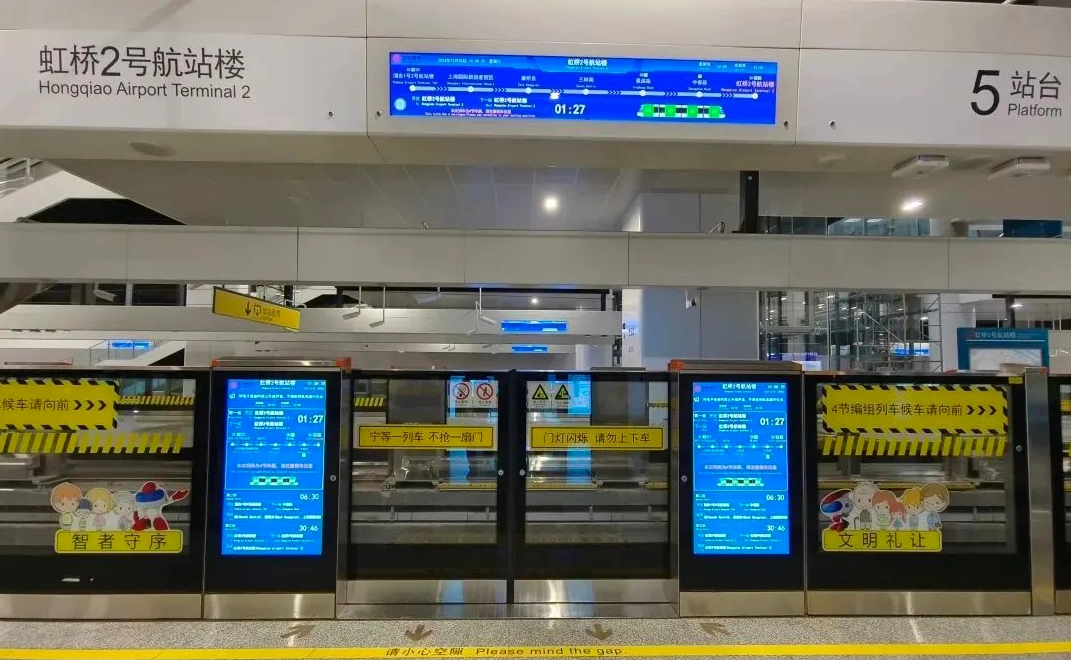
Decoding Shanghai's Transport Network (Metro, Bus, Taxi)
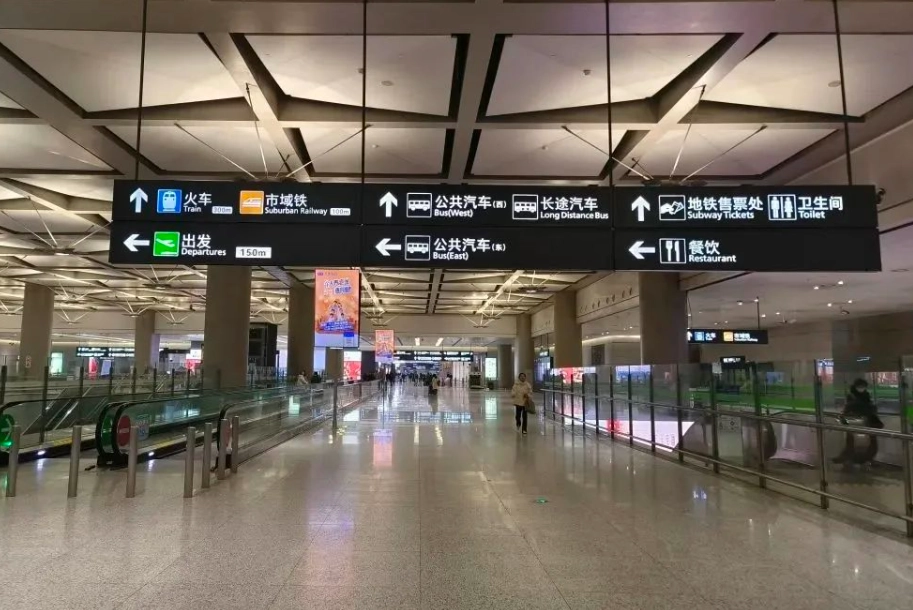
Shanghai is huge, but the transport network is tight. You’ve got four main options:
- Metro (Subway): 18 lines covering the core. Trains run 5:30–23:00. Fares 3–10 yuan (about $0.40–$1.40). Best for getting anywhere fast.
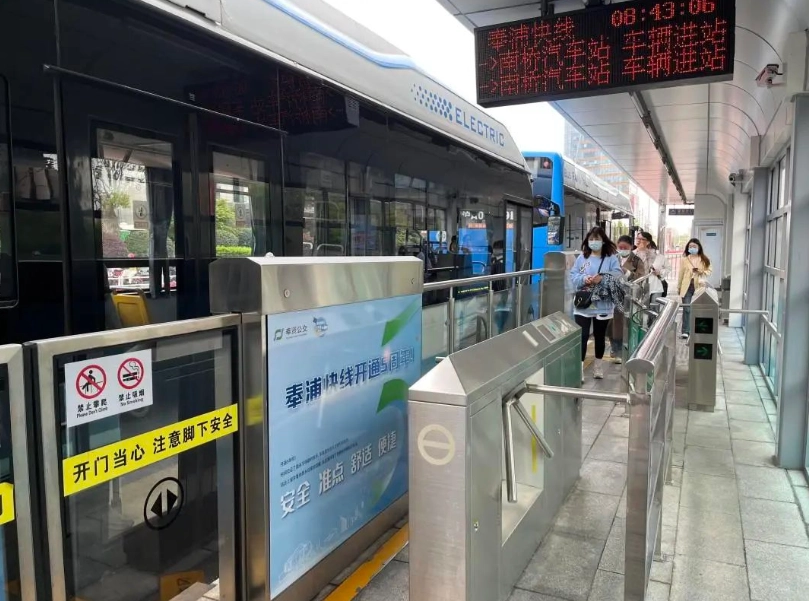
- Bus: 1,000+ routes, 2 yuan flat. Stops are only in Chinese, and no English announcements. Avoid unless you’re adventurous.
- Taxi (Green or White cars): Flagfall 14 yuan for first 3 km, then 2.5 yuan/km. Reliable but traffic can kill your budget.
- Didi (China’s Uber): Cheaper than taxis, especially during surge. Need the app and a Chinese phone number—park this for later.
Let’s compare them at a glance:
| Mode | Cost (yuan) | Speed | Foreigner Friendliness | Best For |
|---|---|---|---|---|
| Metro | 3–10 | Fast | Medium (cash or card) | Most sightseeing |
| Bus | 2 | Slow | Low (Chinese only) | Scenic local routes |
| Taxi | 14+ | Fast | High (easy to flag) | Late night, groups |
| Didi | 12–40 | Fast | Medium (app needed) | Avoiding taxi scams |
How to Buy Tickets Without a Chinese Phone Number (The WeChat Trap)
“I can just use WeChat, right?” Wrong. WeChat Pay requires a Chinese bank account or a foreign credit card that’s notoriously hit-or-miss. I’ve seen a dozen clients spend 30 minutes trying to set it up in the station. Don’t be that person.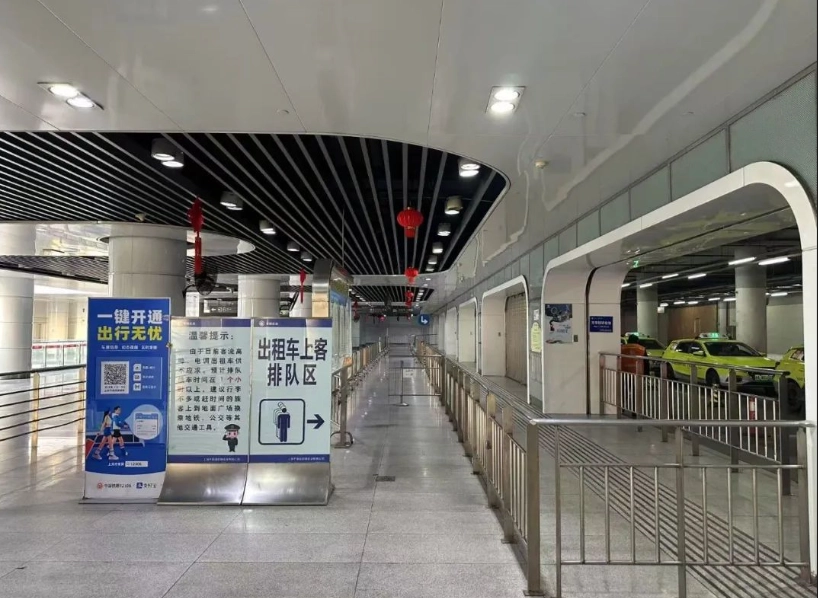
Option 1: The Shanghai Public Transportation Card (SPTC) – My #1 Pick
Buy it at any metro station’s customer service counter (look for the green sign). Bring cash: 20 yuan deposit + at least 50 yuan for your first day. You can also recharge at self-service kiosks (they accept 5, 10, 20 yuan bills and 1 yuan coins). The card works on all metro lines, most buses, and the ferry. When you leave, return it at a major station (like People’s Square or Pudong Airport) and get your deposit back plus the remaining balance.
Option 2: Cash for Single-Journey Tokens
Ticket machines accept 1 yuan coins and 5/10/20 yuan bills. They do not accept 50 or 100 yuan notes. Warning: machines often give change in heavy coins. I always tell my clients to carry a small change pouch. If the machine rejects your bill (sometimes the paper is too new), just walk to the customer service counter and ask for help – they speak basic English.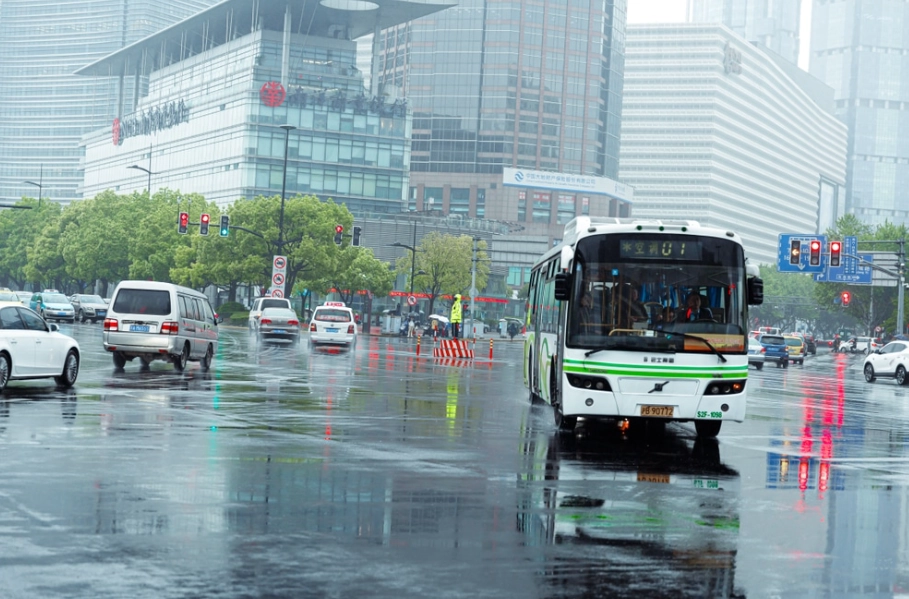
Option 3: Mobile Payment (If You Must)
Download ‘Metro 大都会’ (Metro Metropolitan) app – it’s in Chinese only. You can link a foreign credit card, but expect hiccups. Alternatively, use Alipay’s ‘Transport’ function; Alipay now supports international credit cards for in-app payments, but the QR code scanning at metro gates can be slow. Honestly? Stick to the SPTC card. It’s faster, no roaming data required.
Best Metro Lines for Tourists: Line 1, Line 2, Line 10, and Maglev
You don’t need to memorize all 18 lines. Here are the ones you’ll use daily:
- Line 2 (Green): Connects Pudong Airport, Century Park, People’s Square, and Hongqiao Railway Station. The tourist backbone. East Nanjing Road station (exit 1) drops you at the Bund's north end.
- Line 1 (Red): Runs north-south: People’s Square, South Huangpi Road (for Xintiandi), Shanghai Indoor Stadium. Handy for the French Concession (southbound to Changshu Road station).
- Line 10 (Light Purple): Goes through the old town: Yuyuan Garden station (exit 1), Nanshi Old Street, and ends at Hongqiao Railway Station. Also reaches Shanghai Library for a quiet walk.
- Maglev (Pudong Airport ↔ Longyang Road): 50 yuan one-way, 40 yuan with same-day flight ticket. Only 7 minutes! From Longyang Road, switch to Line 2 or Line 7 to reach downtown.
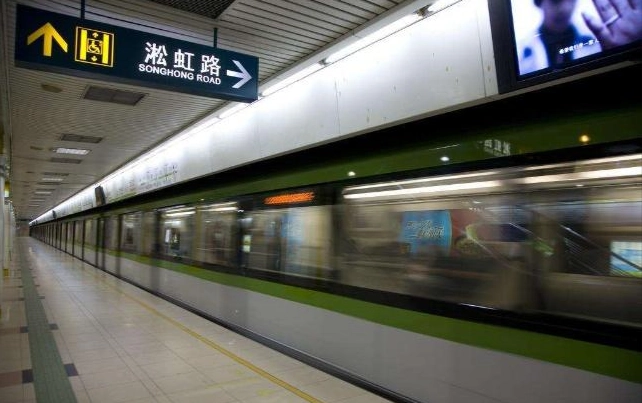
Key Stations and Exit Numbers
| Destination | Nearest Station | Exit Number | Walking Time |
|---|---|---|---|
| The Bund | East Nanjing Road (Line 2, 10) | 1 | 2 min |
| Yu Garden | Yuyuan Garden (Line 10) | 1 | 3 min |
| People’s Square | People’s Square (Line 1, 2, 8) | 5 (to Nanjing Road) | 1 min (exit) |
| French Concession | Changshu Road (Line 1, 7) | 3 | 5 min |
| Pudong Airport | Pudong Airport (Line 2, Maglev) | — | — |
Photography tip: The Bund is best at 4:30 PM – golden hour light on the colonial buildings, and the crowds are thinner. Exit East Nanjing Road station, walk east, and you’re there. I always tell my groups to skip the morning rush (7:30–9:30) because Line 2 packs like sardines.
Taxi vs Didi: Which One Saves You Money and Time?
Flagging a taxi is easy, but there are two problems: 1) Taxi drivers may claim the meter is broken and ask for a flat high rate. 2) They rarely speak English. Didi solves both – but you need a Chinese number to register.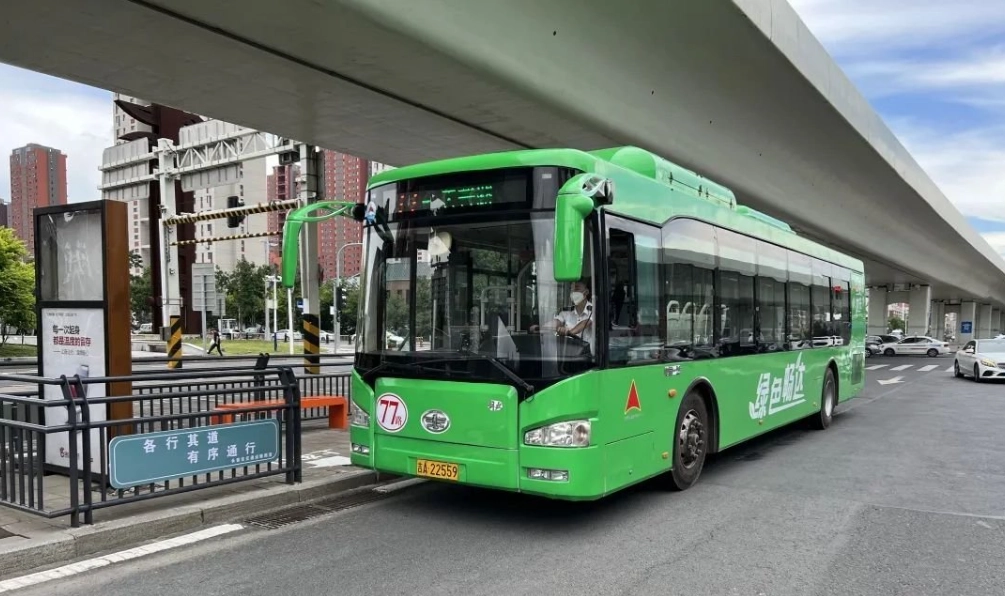
When to Take a Taxi
- Late-night after metro closes (11 PM–6 AM)
- Short trips of 2–3 km (15–20 yuan, cheaper than Didi’s minimum 12 yuan?) Actually Didi starts around 12 yuan, so similar.
- From the airport: fixed-rate taxis cost 180–220 yuan to central. Didi might be 150–180, but the queue at the taxi stand is quicker.
When to Use Didi
- Daytime to avoid scammers.
- Need a ride to a specific place (input address so no miscommunication).
- During bad weather – Didi cars are usually cleaner and have AC.
To get Didi working: ask your hotel receptionist to help register the app with their local number, then you can use it throughout your trip. Set the language to English in settings. Pay with international credit card (Mastercard/Visa) – it works.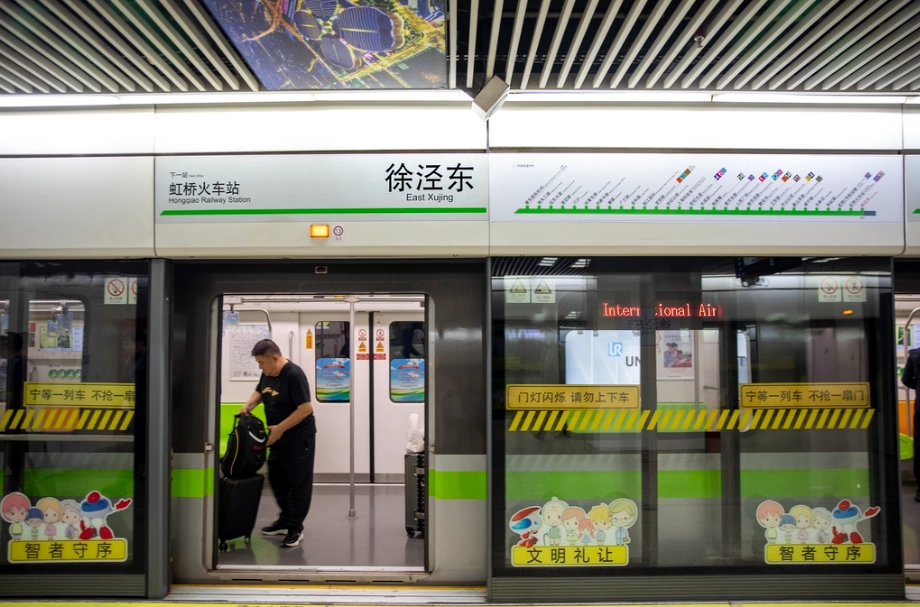
Bike Sharing: The Cheapest Way to See the City (But Only If…)
Shanghai has millions of blue (Hellobike) and yellow (Meituan) shared bikes. The catch? You need the app in Chinese and a local phone number to register. Even if you get it, depositing 200 yuan via foreign credit card is a pain. I honestly don’t recommend it for short visits.
Instead, walk. The Bund to People’s Square is a pleasant 15-minute stroll. For longer distances, stick to the metro or a quick Didi. If you’re determined to bike, ask a hotel staff to set up a session for you – they can unlock a bike with their phone, and you pay them cash. It’s hacky but works.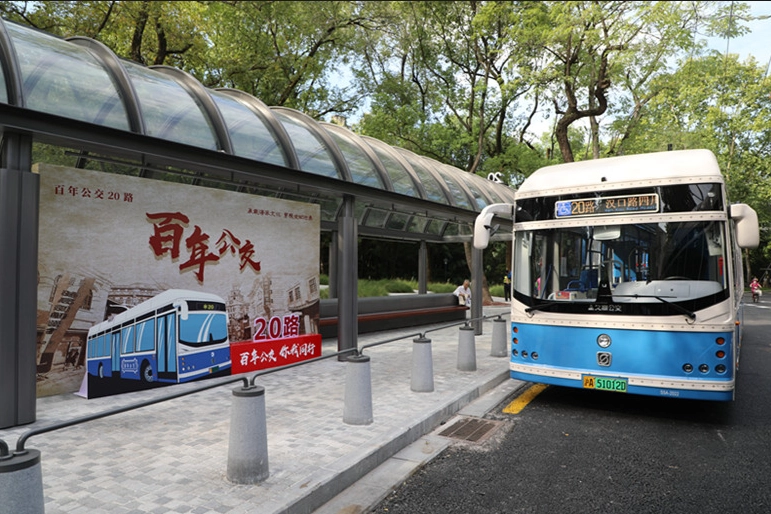
Common Mistakes Foreigners Make (and How to Avoid Them)
After guiding dozens of groups, I’ve seen the same slip-ups again and again:
- Buying single tokens for every ride instead of a stored-value card. You waste time in queues. Get the SPTC card day one.
- Boarding the wrong direction. Metro platforms have English signs, but people still get on the train going opposite. Look at the station name on the wall and confirm with your map app.
- Standing on the left side of the escalator. Shanghai locals stand on the right, walk on the left. You’ll get tapped on the shoulder if you block the left.
- Trying to use a 100 yuan bill in a ticket machine. It won’t take it. Break it at a convenience store like FamilyMart first.
- Hailing a taxi outside a railway station. The queue looks official, but some drivers refuse to use the meter. Always go to the official taxi stand (with a dispatcher) or book Didi.
FAQ: Your Top Questions Answered
Verified and fact-checked by the editorial team. This content has been fact-checked to ensure informational precision.








I had high hopes after reading the description, but this guide fell short for me. It barely mentions how to unlock shared bikes (HelloBike, Meituan) – I spent 20 minutes scratching my head at a station before giving up. Also, the metro maps included are too small to read on a phone screen, and the guide doesn't address the fact that many station signs inside have zero English. As a directionally challenged traveler, I ended up relying on random locals more than this booklet. A bit disappointed.
A well-written guide that covers the basics really well. I appreciated the clear instructions on how to navigate with Baidu Maps instead of Google Maps – that alone saved me from getting lost near the French Concession. However, the info on the Maglev train to Pudong Airport is slightly outdated; the ticket price has gone up and the schedule changed. Still, for 90% of my trips (metro, bus, and ferry) this guide was my go-to. Just needs a quick update.
Solo traveler here – this guide kept me from getting ripped off by taxi drivers near the Bund. The advice to use the 'Metro Dàdūhuì' app instead of buying single-journey tickets saved me a ton of yuan. I also printed the cheat sheet for common Chinese phrases (like 'stop here, please') and it helped me communicate with bus drivers. The guide is so practical that I laminated a copy and kept it in my pocket. Five stars, no question.
Absolutely loved this guide! The section on getting a 3-day metro pass was exactly what I needed – I bought one at People's Square station for 45 yuan and rode all over Pudong and Puxi without hassle. The part about taking the ferry across the Huangpu River at night was a hidden gem; watching the skyline light up from the water made my trip. My only tiny wish is that they'd add a bit more about late-night bus routes, but honestly, the guide is already gold.
This guide was a lifesaver on my first trip to Shanghai. I followed the step-by-step instructions for using Alipay to scan the QR code at the subway turnstiles – worked like a charm even with my shaky hands and a heavy backpack. Saved me at least 30 minutes compared to fumbling with a ticket machine. The tip about standing on the right side of the escalator is also spot-on. Highly recommend for any first-timer!