 Ting Chen
On this page
I've led dozens of groups through the winding alleys of Lhasa, and Barkhor Street never fails to astonish—and sometimes frustrate—first-timers. The scent of juniper incense, the murmur of prayers, the flash of turquoise and gold… it's a sensory overload. But here's the catch: most tourists rush through it in the middle of the day under a brutal sun, missing the real pulse of this sacred circuit. My advice? Start your walk at 4:30 PM, when the light softens and the locals begin their evening kora. You'll thank me later.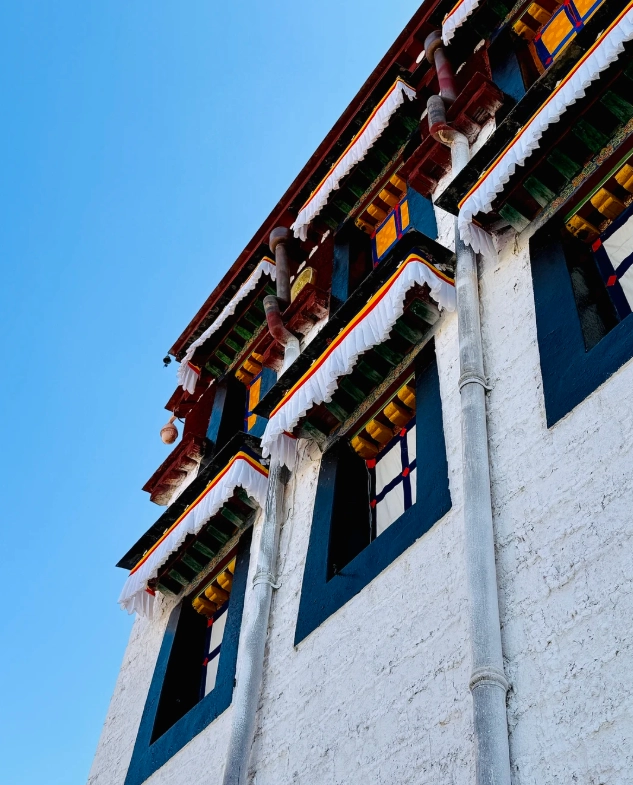
What Makes Barkhor Street Unique (and Tricky)
Barkhor isn't just a shopping street; it's one of the most sacred pilgrimage circuits in Tibetan Buddhism, encircling the Jokhang Temple. The walk is about 1 km long, but with the crowds and the countless side lanes, you'll spend at least an hour if you truly absorb it. Important: always walk clockwise—going against the flow is deeply disrespectful and will earn you annoyed stares (or a gentle push).
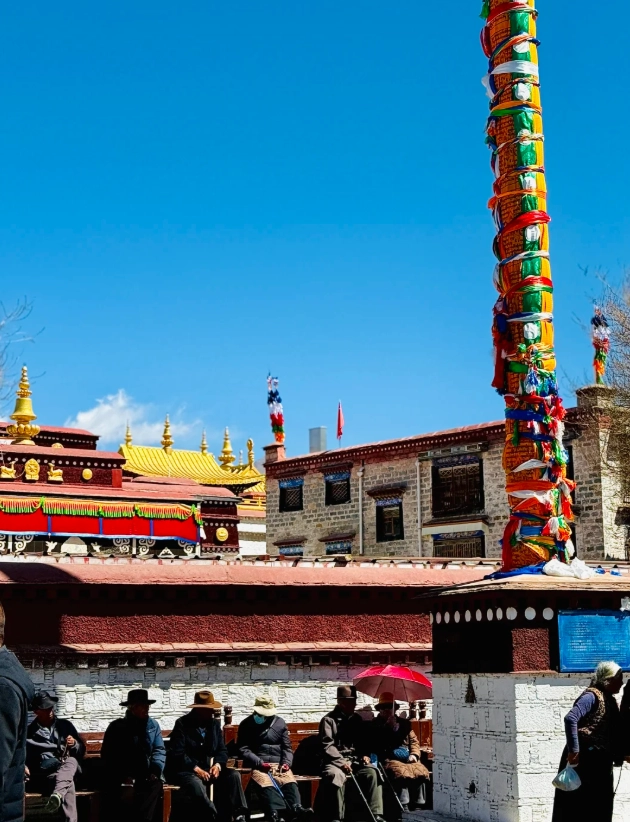
The street is lined with stalls selling everything from prayer wheels to yak butter tea cups. But the real magic is in the devotion: elderly pilgrims prostrating their way around, monks debating in hidden courtyards, and the endless clicking of prayer beads. I always tell my groups: “Look up, not just at the stalls. The rooftop of Jokhang, the old wooden balconies—that's where the soul of Barkhor lives.”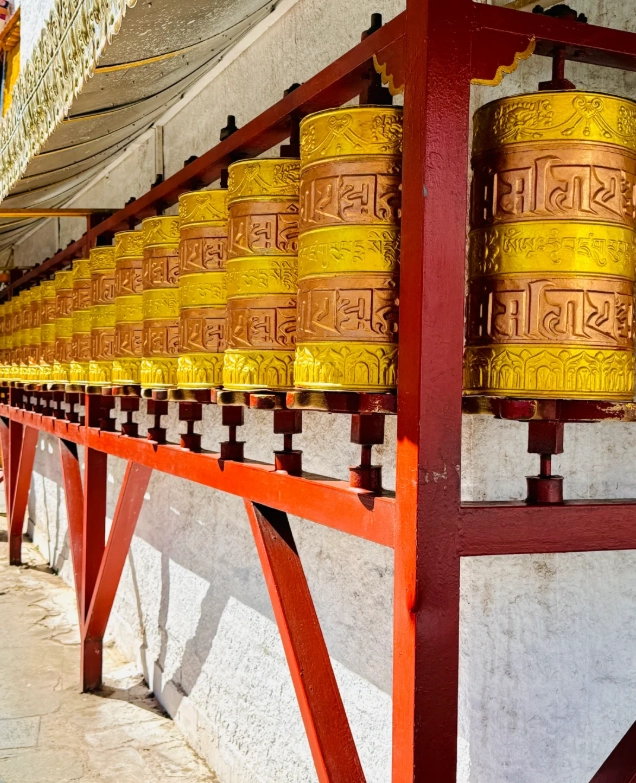
Quick Tip: The most photogenic spot? The corner where Barkhor Street meets the south gate of Jokhang Temple. Get there by 5:30 PM for golden-hour shots with minimal crowd interference.
Best Time to Walk the Barkhor Kora
Most guidebooks will tell you to go early morning. And yes, sunrise is beautiful. But let me save you a headache: 11 AM to 2 PM is a nightmare—the sun is directly overhead, the reflection off the white walls is blinding, and the narrow alleys become packed with tour groups. I've seen people faint from the heat and altitude (Lhasa sits at 3,656 m / 12,000 ft).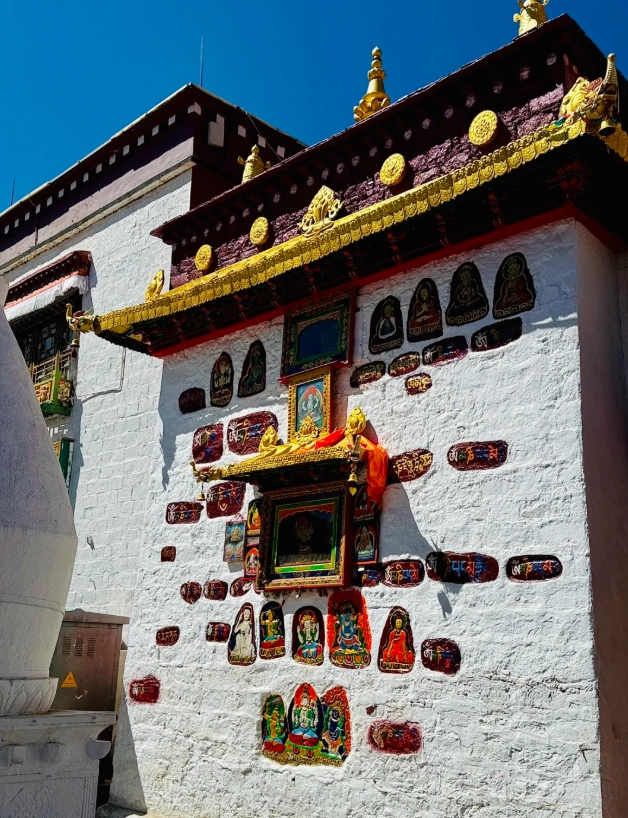
| Time Slot | Crowd | Light | Recommendation |
|---|---|---|---|
| 6:00 – 8:00 AM | Moderate (mostly pilgrims) | Soft, golden | Good for quiet reflection, cold |
| 9:00 – 11:00 AM | Building up | Bright, okay for photos | Decent for a first walk |
| 11:00 AM – 2:00 PM | Extreme | Harsh, high contrast | Avoid – too hot and crowded |
| 2:00 – 4:00 PM | High | Strong still | If you must, wear a hat and sunscreen |
| 4:30 – 7:00 PM | Moderate (local kora peak) | Golden, warm | My top pick |
| After 7:30 PM | Low | Twilight | Atmospheric but shops close |
How to Get to Barkhor Street (Without Getting Lost)
Barkhor Street surrounds the Jokhang Temple, which is in the heart of Lhasa's old town. If you're staying downtown, you can easily walk. For those farther away:
- By taxi: Tell the driver “Barkhor” or “Jokhang”. From the Potala Palace area, it's about 10 minutes and 15–20 RMB. Avoid flagging taxis near the street itself – traffic is chaotic. Get dropped off at the north or east entrance of Barkhor Square.
- By foot: From Potala Palace, head southeast. It's a 20-minute walk downhill. Landmark tip: walk towards the gold roof of Jokhang Temple. You'll cross the “U” shaped pedestrian bridge – that's your entry point.
- Pro tip for altitude: Do not sprint. I've had clients who tried to jog because they were excited—they ended up with headaches for the rest of the day. Walk slowly, hydrate.
Souvenir Shopping: What to Buy and What to Skip
The stalls along Barkhor are tempting, but not everything is authentic or a good deal. Here's the breakdown based on what I've seen over the years:
| Item | Authenticity | Price Range (RMB) | Notes |
|---|---|---|---|
| Thangka paintings | Low – High (hard to tell) | 100 – 2000+ | Machine-printed ones are sold for 100 RMB. Hand-painted ones start at 500. Ask to see the brush strokes. |
| Prayer wheels | Medium | 50 – 300 | Look for ones made of brass, not plastic. Test the spin. |
| Tibetan incense | High | 20 – 50 per bundle | Smell before buying: cheap ones smell like perfume. Good juniper incense is earthy. |
| Turquoise jewelry | Mostly fake | 50 – 500 | Real turquoise is rare and expensive. Assume it's dyed howlite unless you're an expert. |
| Cashmere shawls | Variable | 100 – 800 | “Shahtoosh” is illegal (endangered chiru). Stick to pashmina. Burn test: real pashmina smells like hair, not plastic. |
My honest take: Save your big purchases for a reputable shop like the Tibetan Arts & Crafts Cooperative near the north gate. The street vendors are fine for small trinkets under 50 RMB, but bargaining aggressively for a “silver” bangle that's actually nickel? Not worth the energy.
3 Common Mistakes Even Experienced Travelers Make
1. Forgetting your ID for Jokhang Temple
If you plan to enter Jokhang Temple (which I highly recommend), you need your passport. No exceptions. The ticket office is on the south side of Barkhor Street. Important: you'll also need a ticket – advance booking is not required, but the line can be 30 minutes at peak. Go after your kora walk, around 5 PM, when the crowd thins. Admission: 85 RMB (cash or WeChat Pay, no international cards).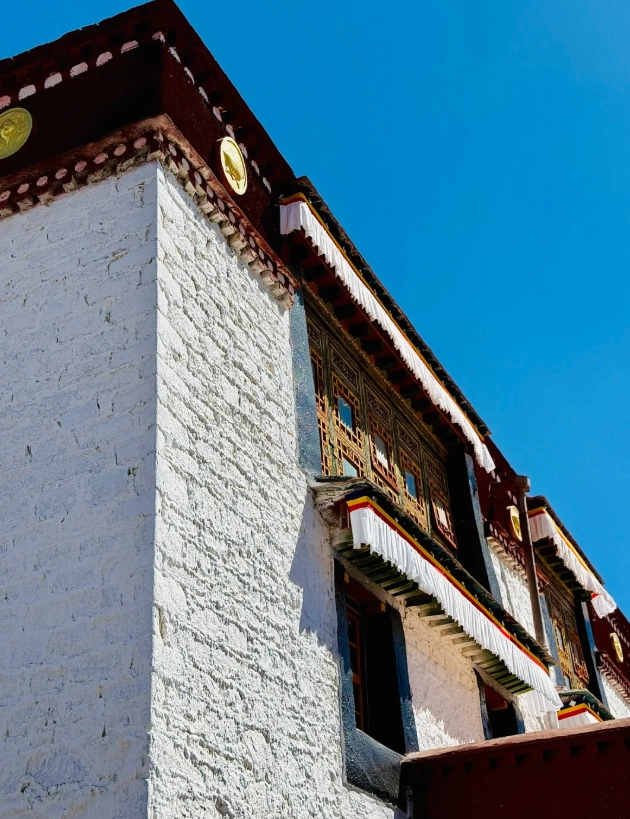
2. Wearing shoes that slip on the worn stones
The flagstones around the kora circuit are polished smooth by millions of footsteps and butter deposits. I've seen tourists eat the floor after a light rain. Wear shoes with good grip – no flip-flops or smooth leather soles.
3. Not carrying small bills
Many stalls only take cash or WeChat/Alipay. Shopkeepers rarely have change for large notes. Break a 100 RMB note at a cafe or the Jokhang ticket office before you hit the stalls. You'll need small change for alms – pilgrims often offer coins to beggars, and it's customary to give a little if you feel moved.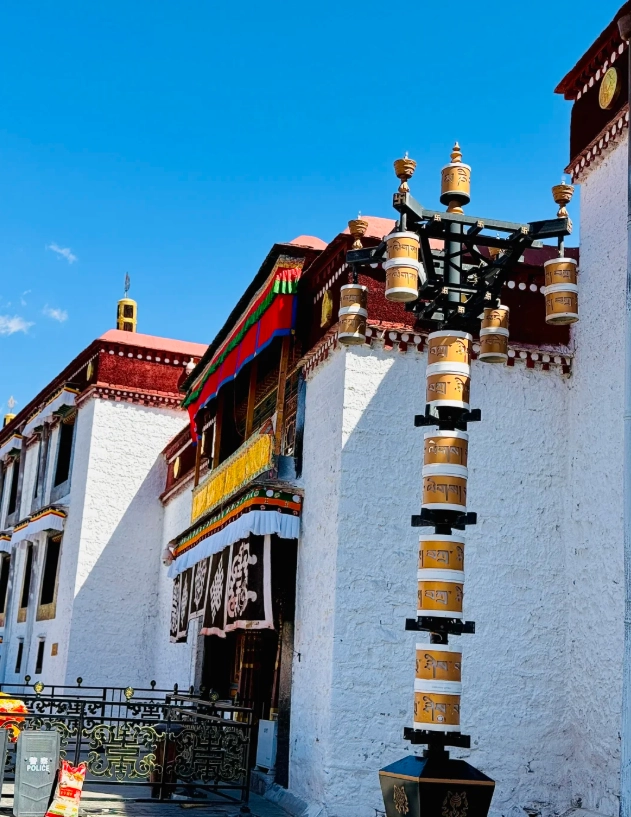
Frequently Asked Questions
This content has been fact-checked to ensure informational precision.





No comments yet.