 Jian Zhao
What You'll Find Here
Four days. That’s how long my clients spent dreaming of Tibet before I burst their bubble. “You can’t just show up at the station and hop on.” The train to Lhasa from mainland China is an incredible journey, but the booking process? A nightmare if you don’t speak Chinese. Let me save you the headache I’ve seen a hundred times.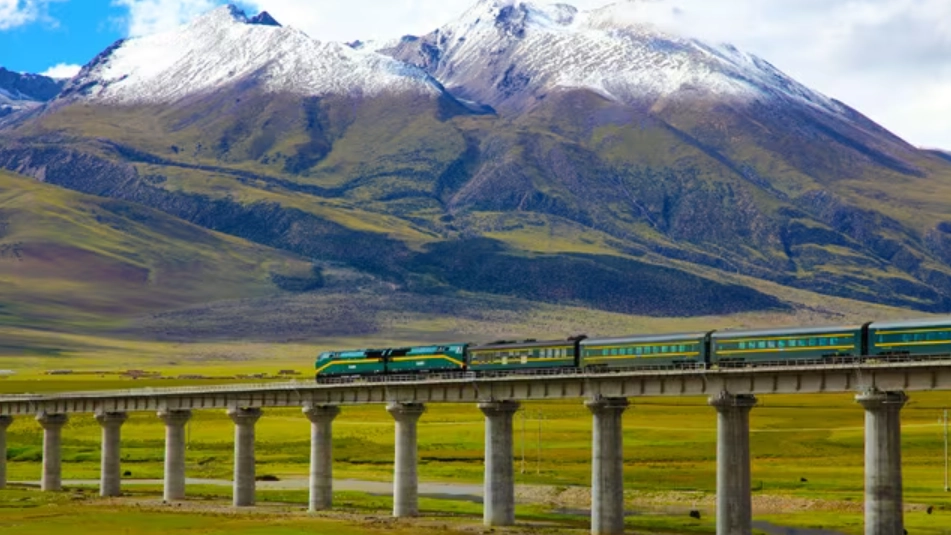
Why Bother with the Train?
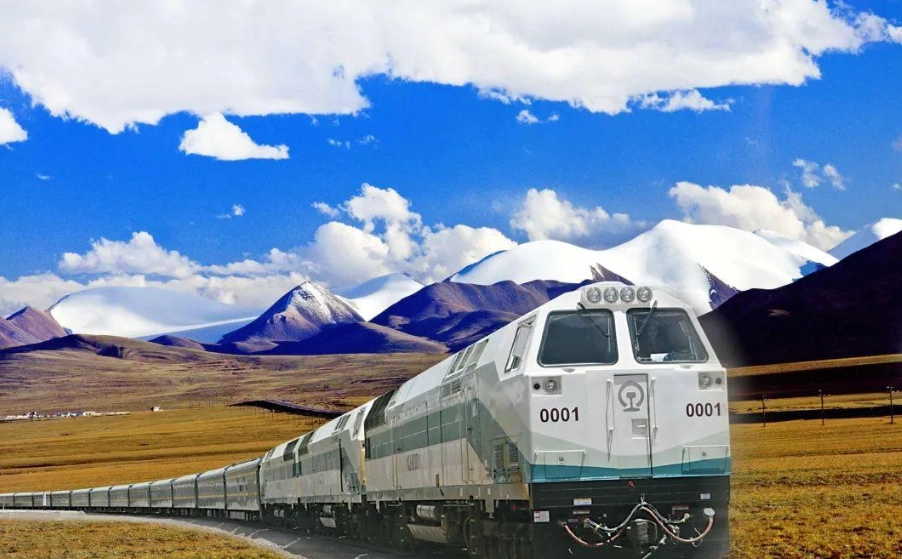
Flying to Lhasa is quicker, sure. But the train lets you acclimatize gradually. You climb from 2,200m in Xining to over 5,000m at Tanggula Pass, then descend to 3,650m in Lhasa. Your body gets a fighting chance. Plus, the scenery – wild yaks, frozen lakes, the endless Tibetan plateau – is something you won’t see from 30,000 feet.
I once had a couple who insisted on flying. Both spent their first two days in Lhasa horizontal in a hotel room. Meanwhile, my train riders were sipping butter tea in Barkhor Street. That’s the difference.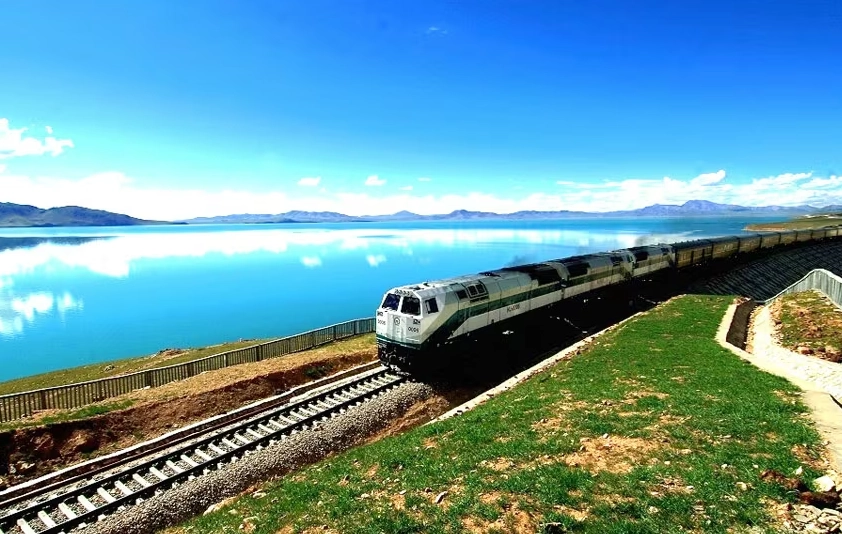
Which Route: The Only Realistic Option
Almost all trains to Lhasa originate from Xining (Qinghai province). Some start from Beijing, Shanghai, Guangzhou, or Chengdu, but they all pass through Xining. The most popular is:
| Train | From | Duration | Soft Sleeper Price (approx) |
|---|---|---|---|
| Z6811 | Xining → Lhasa | ~21 hours | ¥800 (USD ~110) |
| Z165 | Shanghai → Lhasa | ~47 hours | ¥1,300 (USD ~180) |
| Z21 | Beijing → Lhasa | ~40 hours | ¥1,200 (USD ~165) |
My advice: Take the train from Xining. It’s the shortest, cheapest, and still gives you the full plateau experience. Arrive in Xining a day early to explore the Qinghai Lake or the Dongguan Mosque – both are worth it.
Booking Tickets: The Real Struggle
Here’s the thing: 12306.cn (the official railway site) requires Chinese ID verification for foreigners. Most international credit cards get rejected. Even the English interface is a joke – half the time it’s in Chinese anyway.
I always tell my clients: use a reliable Chinese travel agency like China Highlights or Travel China Guide. They charge a small fee (around ¥100-200) but handle everything. Or, if you’re already in China, walk into any train station’s “special ticket window” for foreigners. Just bring your passport and the permit.
Pro tip: Soft sleeper berths sell out first. Book at least 2 weeks in advance. Hard sleeper is okay but no privacy. I’ve done both – soft sleeper is worth the extra ¥200 for the door that closes.
Life on the Train: What to Expect
Carriages are clean but nothing luxurious. The dining car serves decent Chinese meals (¥30-50). Bring instant noodles – they’re a staple. Toilets get grimy by day two, so carry wet wipes.
Oxygen is pumped into the carriages once you hit high altitude. You’ll get a personal oxygen nozzle in soft sleeper. Use it if you feel dizzy.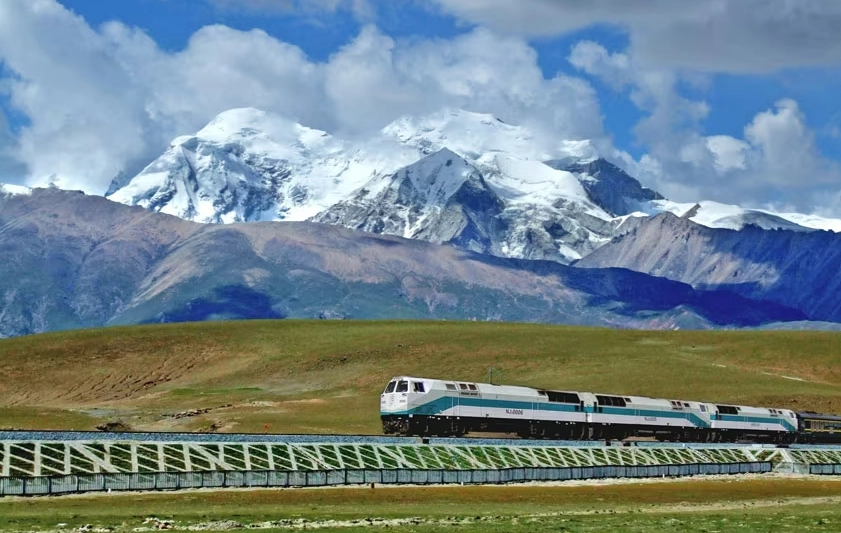
What I Pack for Clients
- Power bank (outlets are limited)
- Lip balm and moisturizer (plateau air is dry as hell)
- Snacks – avoid salty ones, they make you thirsty
- Playing cards or a book (no WiFi for 21 hours)
Altitude Sickness: Don’t Panic
More than half my clients feel something – headache, nausea, shortness of breath. The train helps you adjust, but you’re still moving from sea level to 3,650m. Here’s my drill:
- Start taking Diamox (acetazolamide) 24 hours before departure. Not everyone gets it, but it helps.
- Drink 3-4 liters of water daily. No alcohol, no heavy food.
- Walk slowly. I mean, really slowly. Pretend you’re a 90-year-old monk.
The biggest mistake: arriving in Lhasa and immediately rushing to the Potala Palace. Just don’t. Rest for the first half day. I always schedule a light walk around Barkhor Street instead.
Arriving in Lhasa – First Steps
The train station is 8km south of the city center. Taxis charge ¥30-50 to the old town. Don’t use the touts outside; walk to the official taxi queue. Hotels in Barkhor Street area put you near Jokhang Temple and endless tea houses.
Recommended accommodation: Shambhala Palace Hotel (nice views, good English, around ¥400-600 per night) or Lhasa Yak Hotel (budget-friendly, ¥150-300).
Personal rant: The first meal? Skip the “Tibetan ” restaurants targeting tourists. Head to Ngari Kitchen on Beijing Road – their thukpa (noodle soup) is legit and costs ¥25. I’ve been going there for years.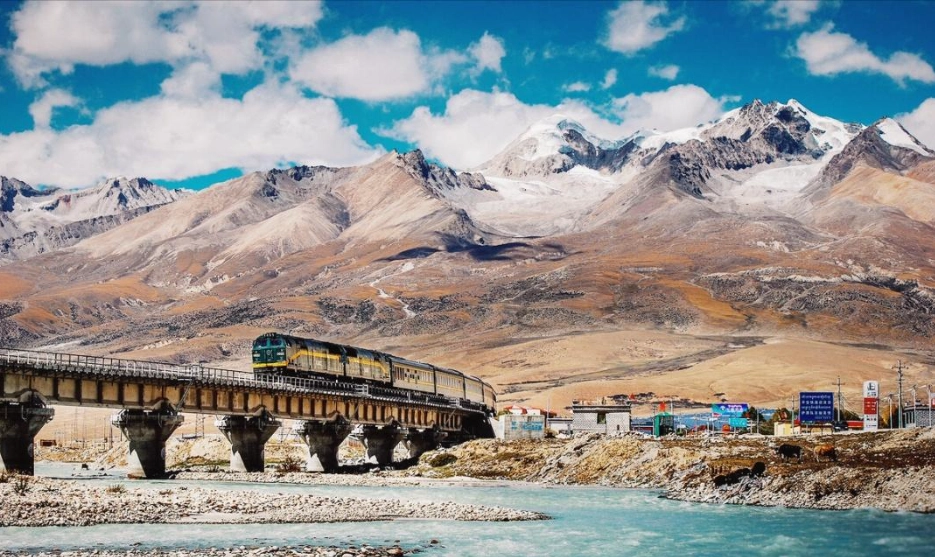
FAQ: Train to Lhasa from Mainland China
Verified and fact-checked by the editorial team.





No comments yet.