 Ming Yang
✦ What You'll Learn Here
Three hours. That’s how long my clients waited in the sun at the South Gate last week. Forget the glossy brochures—if you don't know the exact WeChat mini-program trick, you aren't getting in. But here's the real headache: once you're inside, the photography rules can trip you up faster than altitude sickness. I've watched tourists get their phones confiscated, yelled at by monks, or even escorted out for snapping the wrong thing. Lhasa's photography restrictions aren't just suggestions—they're enforced. And the rules vary wildly depending on where you are.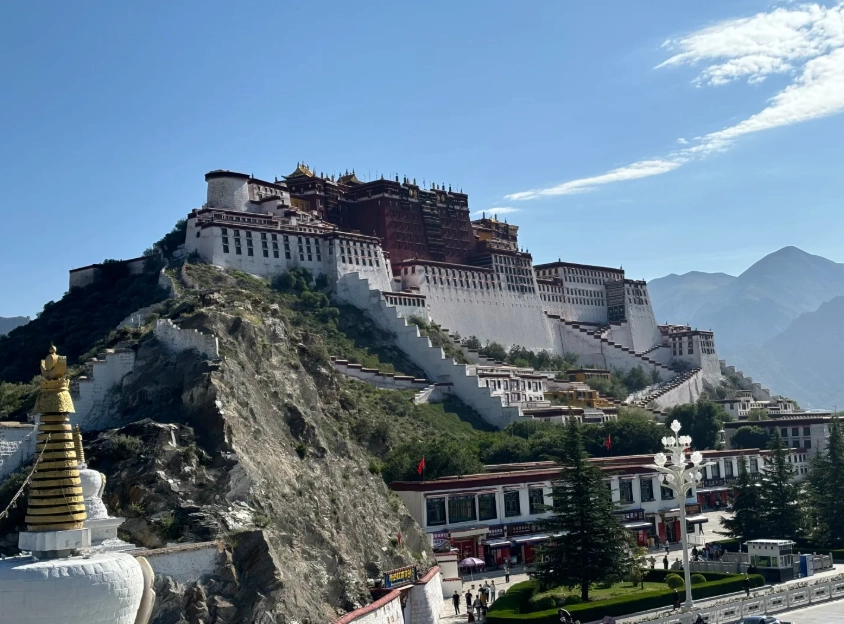
Why Lhasa Photography Is Tricky
Lhasa sits at 3,650 meters. The air is thin, the sun is brutal, and the culture is deeply spiritual. Photography restrictions here aren't arbitrary—they protect sacred spaces and local privacy. Unlike other Chinese cities where you can snap freely, Lhasa demands awareness. The biggest shock for first-timers? The ban on photographing inside temples, even with your phone. Monks consider cameras a distraction during prayer. And some shrines are so holy that even pointing your camera toward them from outside can draw sharp stares.
I remember a British couple who asked, “But we saw photos online of the Potala's interior!” Those were either taken with a special permit (rare) or are old stock images. The palace's official rule: no photography inside after you pass the final staircase. Simple as that.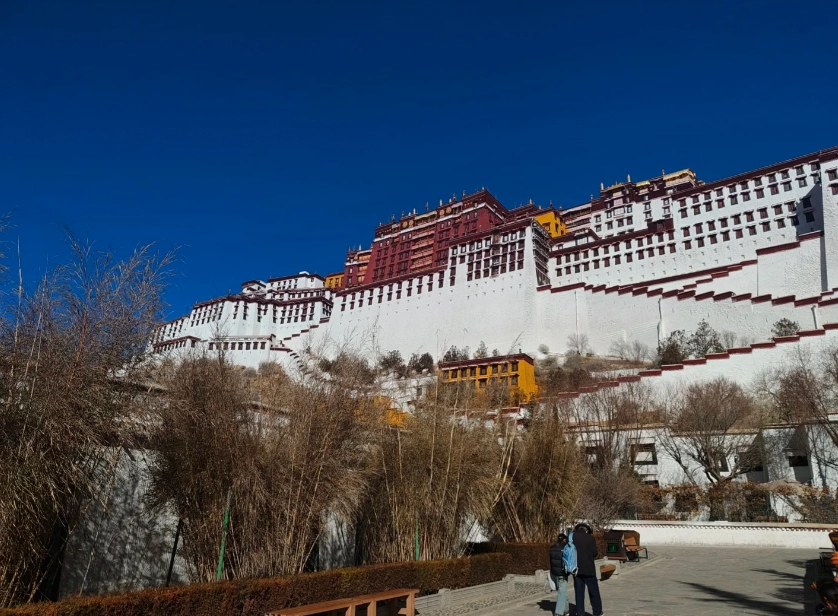
Restricted Areas: Temples & Monasteries
Here's a quick reference table for the most visited spots. I've updated it based on my visits in the last year (but always double-check locally—rules can shift).
| Location | Photography Allowed Outside? | Photography Allowed Inside? | Special Notes |
|---|---|---|---|
| Potala Palace | Yes (exterior & courtyards) | No (strictly banned) | No video, no selfie sticks. Guards watch every room. |
| Jokhang Temple | Yes (outside the main hall) | No (especially the inner sanctum) | Flash is forbidden anywhere on grounds. Tripods need a permit. |
| Drepung Monastery | Yes (courtyards & some halls) | Partially (some assembly halls allow non-flash) | Angry monks may confiscate if they see you shooting inside prayer halls. |
| Sera Monastery | Yes (debating courtyard is a favorite) | No (inside temples) | The famous monk debates – you can photograph the outer area but avoid close-ups of individual monks. |
| Barkhor Street | Yes (public street) | N/A | Be extremely careful with pilgrims doing prostrations. Don't block their path. |
| Norbulingka | Yes (gardens & exterior) | No (inside the former summer palace) | Cameras allowed but not in exhibition halls |
Notice a pattern? Inside is almost always a no-go. If you're unsure, ask a guard or a monk before lifting your camera. I've seen tourists get away with a quick snap inside Drepung's assembly hall—but only because a monk waved them in. Don't assume it's okay.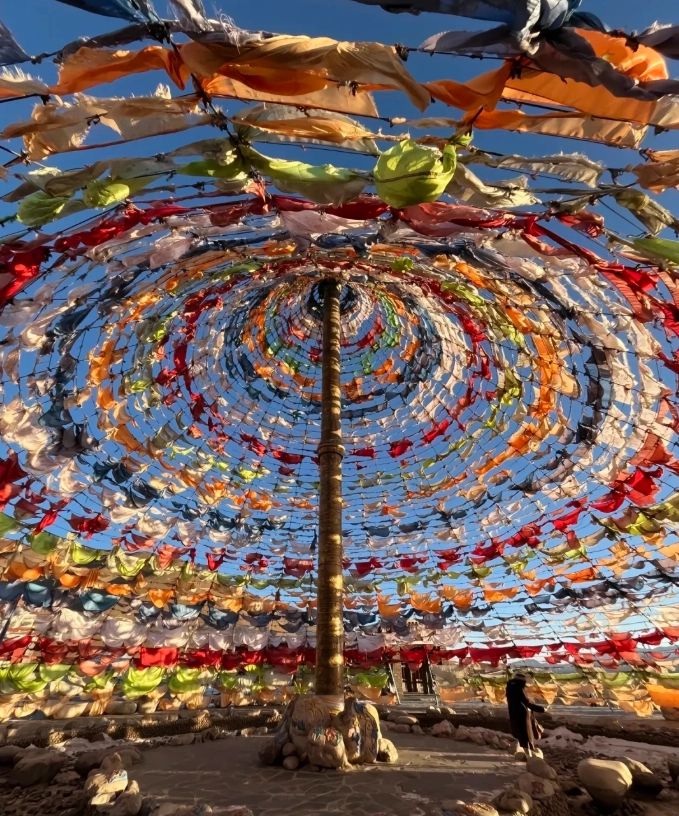
What About Smaller Temples?
Ramoche Temple, Ganden Monastery (a bit outside Lhasa), and countless neighborhood gompas all follow the same logic: exterior fine, interior prohibited. Some small temples have signs in Tibetan only—I've had to translate for clients. If you see a red “No Camera” symbol (a camera with a red slash), obey it.
Photographing People: Permission First
This is where cultural respect really matters. Tibetans are generally friendly, but many believe being photographed steals a piece of their soul—or at least their privacy. I've seen tourists shove a camera in a pilgrim's face and get a very angry reaction. Here's my rule: always ask.
- Monks: Most will refuse if they're praying. Some younger monks may nod yes. Use hand gestures: point to your camera, then point to them with a questioning look.
- Pilgrims doing kora (circumambulation): They're in a meditative state. Don't interrupt. If you must, wait until they rest, make eye contact, smile, and gesture.
- Traders at Barkhor: They're used to tourists. A quick “Photo? OK?” works. But if they say no or hold up a hand, respect it.
I once had a client who insisted on taking a photo of an old grandmother spinning a prayer wheel. She gestured no three times. He snapped anyway. The woman's son appeared and started yelling in Tibetan. We had to leave quickly. Not worth it.
Street Photography: What’s Allowed
Public streets in Lhasa are fair game—as long as you don't target individuals. You can photograph the Potala from the square, the colorful architecture, prayer flags, and general street scenes. However, avoid:
- Military or government buildings: Strict no-go. Don't even point your camera near them.
- Checkpoints: You'll see police and army checkpoints. Keep your camera down until you're well past.
- Dusk and dawn prayers: Some temples have loudspeakers broadcasting chants. Photographing the crowd can be intrusive.
Drone photography? Officially, you need a special permit from the Civil Aviation Administration of China, plus approval from the local PSB (public security bureau). In practice, I've never seen a tourist successfully fly a drone in central Lhasa. You'll likely be stopped immediately. Leave the drone at home.
Permits & Permissions
Do you need a special photography permit to shoot in Lhasa? No, not for general use. But there are exceptions:
- Commercial/professional shoots: If you're a journalist or filming a documentary, you need a Tibet Travel Permit plus additional paperwork. Ordinary tourists don't.
- Inside Potala or Jokhang with a tripod: A permit may be required for any stationary equipment. Check with the ticket office—fees vary (around 200–500 yuan).
- Religious ceremonies: Special events like the Monlam Prayer Festival may have temporary bans. Ask your hotel or guide.
What Happens If You Break the Rules
Consequences range from a warning to deportation. I've seen:
- Verbal warning: Most common for first-time offenders inside temples. Guards will shout "No photo!" and you delete it.
- Confiscation: If you argue or refuse to delete, they may take your camera or phone. Getting it back requires a visit to the police station.
- Fine: Up to 500 yuan for minor violations inside heritage sites.
- Expulsion from the site: You'll be escorted out and your ticket invalidated.
- For serious cases (e.g., photographing military areas): Detention and possible ban from Tibet. Don't test this.
Practical Tips from a Guide
Over the years, I've developed a checklist for my groups. Here's what I tell them:
- Keep your camera hidden until you're sure it's allowed. A visible camera can attract attention.
- Use your phone for quick shots only. DSLRs make you look like a professional – more scrutiny.
- Learn two Tibetan phrases: “Kyay rang lakpar gyab na chog gi?” (May I take your photo?) and “Thuk je che” (Thank you). Locals appreciate the effort.
- Shoot early morning or late afternoon. Golden light, fewer people, and less chance of disturbing ceremonies.
- Don't use flash near gold statues. It's disrespectful and often banned.
- Back up your photos daily. If your device is confiscated, you won't lose everything.
I once had a client who ignored the no-interior rule at Sera Monastery. He got a 300 yuan fine and a photo of his face taken by the guard. That guard's photo was probably the only one he left with. Not the souvenir he wanted.





No comments yet.