 Yan Zhou
Quick Guide Summary
- The Short Answer: It's Far Better Than You Think (but with a catch)
- English Signs and Public Transport: What You'll Actually See
- Restaurants and Food: Can You Order Without Chinese?
- Hotels and Accommodation: The Easiest Place for English
- Attractions and Cultural Sites: English Tours and Signs
- The Real Nightmare: Digital Payments and Mobile Apps
- Emergency Situations: Police, Hospitals, and Lost
- Specific Tips for Non-Chinese Speakers
Three hours. That's how long my client struggled to pay for a bowl of noodles because his foreign credit card was rejected. Don't let that be you. After guiding hundreds of tourists through Shanghai, I can tell you: this city is surprisingly English-friendly, but the digital payment maze trips up almost everyone. Is Shanghai English friendly? Yes, with a few curveballs you need to know about.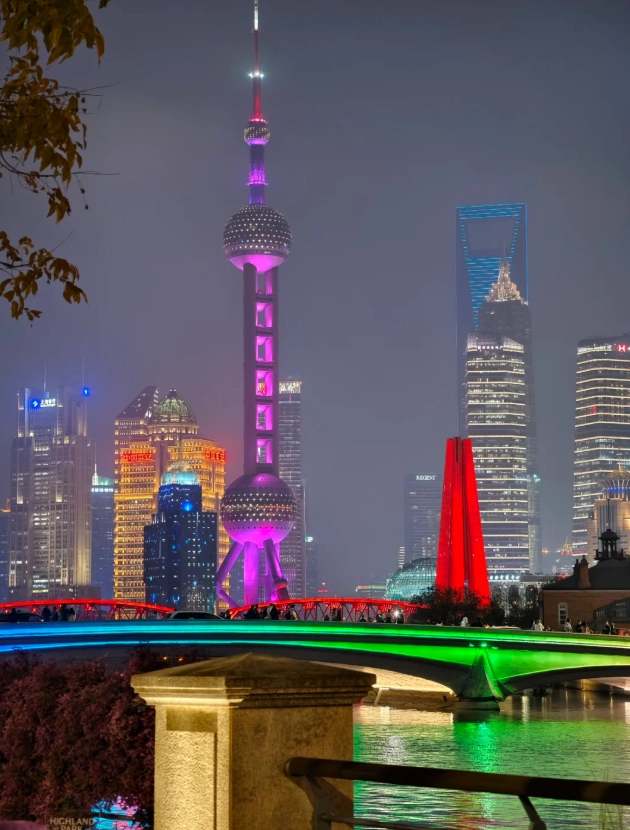
The Short Answer: It's Far Better Than You Think (but with a catch)
Shanghai has more English signage than any other mainland Chinese city. Metro signs, street names (in tourist areas), airport, and major shopping malls all have clear English. But here's the catch: outside of those bubbles, many locals speak zero English, and the WeChat/ Alipay ecosystem is mandatory for most transactions. Cash is accepted at big chains, but small vendors often can't give change. So if you rely on credit cards, you'll be frustrated. The good news? With a few prep steps, you'll breeze through.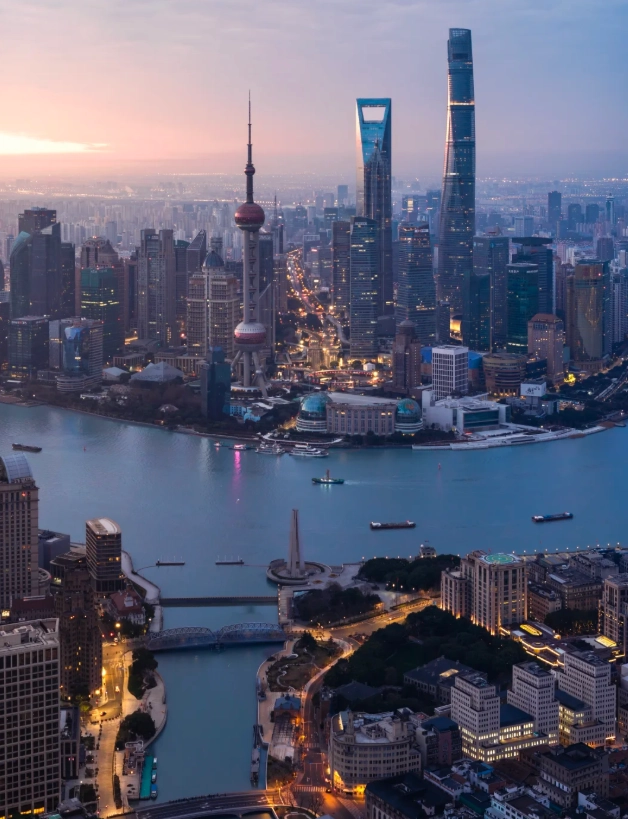
English Signs and Public Transport: What You'll Actually See
The Shanghai Metro is a dream for English speakers. Every station name is displayed in Chinese and English, announcements are bilingual, and ticket machines have an English button. Warning: The ticket machines only accept coins or small bills, and you'll need to select your destination in pinyin. I always tell my clients to get a Shanghai Public Transportation Card (sold at any station's service window) or use Apple Pay /支付宝 if you have it. Taxis? Most drivers don't speak English. Use the DiDi app (English version) or ask your hotel to write down your destination in Chinese.
Here is a quick reference for transport English friendliness:
| Mode | English Friendliness | Pro Tip |
|---|---|---|
| Metro | Excellent | Download 'MetroMan' or 'Shanghai Metro' app |
| Taxi | Poor | Use DiDi; carry a card with Chinese address |
| Bus | Moderate | Bus stops often have English route maps |
| High-speed rail | Good | Self-check machines have English interface |
Restaurants and Food: Can You Order Without Chinese?
Upscale restaurants in Jing'an, Lujiazui, and the French Concession almost always have English menus or at least picture menus. Local snack shops? You'll need to point and pray. The trick: Take a photo of the menu and use Google Translate's instant camera feature. I've saved many hungry tourists with that. Most eateries accept WeChat/Alipay only. If you're paying cash, confirm beforehand—I've seen a customer stuck because the vendor had no change for a 100 yuan note. Also, international credit cards work at hotels and big chains (Starbucks, McDonald's) but nowhere else.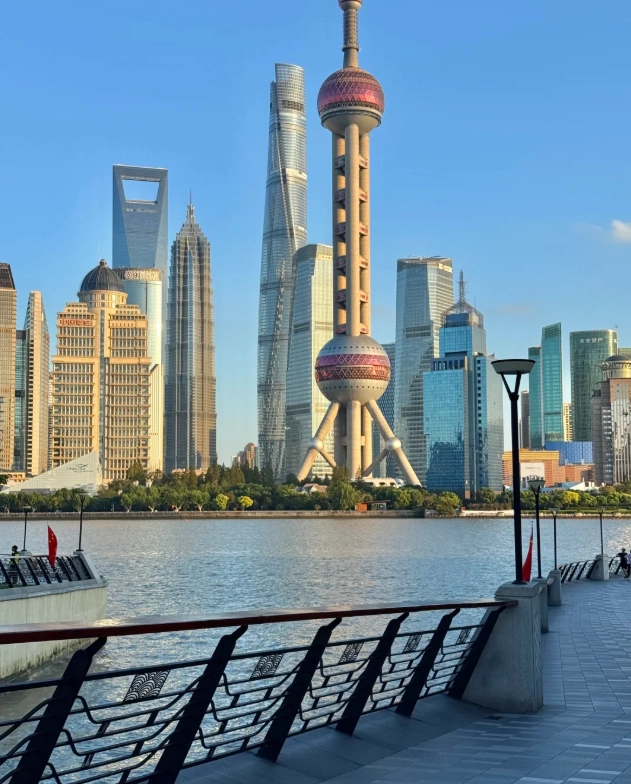
Hotels and Accommodation: The Easiest Place for English
International hotel chains (Marriott, Hilton, InterContinental) have fluent English-speaking staff. Budget hostels and local hotels may have limited English. When booking, filter for "English service" or check reviews from Western travelers. Personal experience: I always recommend the JW Marriott on Nanjing Road for first-timers—the concierge saved a guest's day by helping set up Alipay. If you're on a budget, the HI Hostel on Fuzhou Road has an English-speaking front desk.
Attractions and Cultural Sites: English Tours and Signs
The Bund, Oriental Pearl Tower, Shanghai Disney, and Shanghai Museum all have excellent English guides and audio tours. The Yu Garden has English signs on the main path, but the side alleys are pure Chinese. My insider tip: For the Shanghai Museum, book the free English audio guide at the information desk—it's a steal. Avoid going at noon; the crowd is thick. Instead, arrive by 9:00 am. For the Bund, go at sunset, but don't get fooled by vendors selling VIP passes—they're a scam.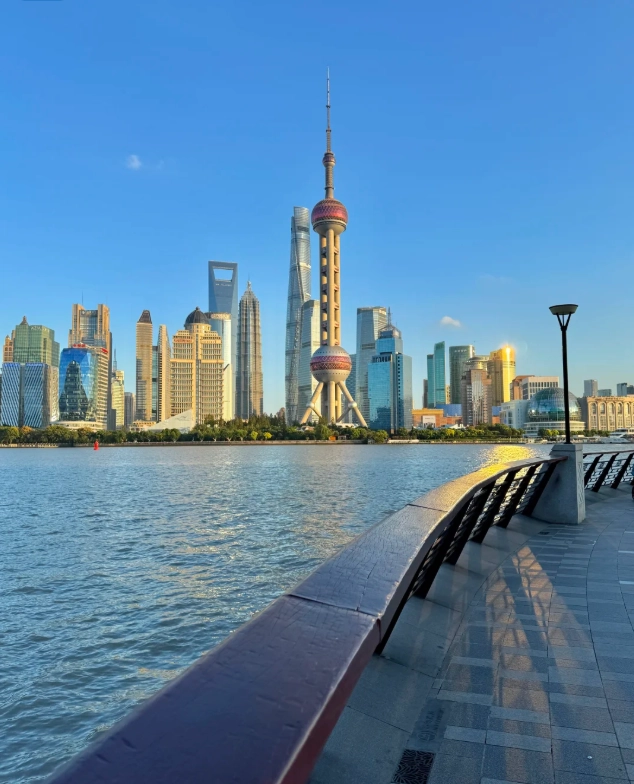
The Real Nightmare: Digital Payments and Mobile Apps
This is where Shanghai's English friendliness crumbles. Even I, a local guide, struggle sometimes. Foreign credit cards are rarely accepted except at international chains. You need Alipay or WeChat Pay. The process: Download Alipay, register with your passport, and link a foreign credit card. It works, but the app is mostly in Chinese. There's an English version (switch in settings). WeChat Pay is even harder to set up without a Chinese bank account. So I advise: bring enough cash (RMB) for daily expenses, carry a backup Visa/Mastercard, and use Alipay where possible. One more thing: Many small shops have a minimum payment for cards—usually 100 RMB. It's a pain.
Emergency Situations: Police, Hospitals, and Lost
Dial 110 for police—they have an English line. For hospitals, head to Ruijin Hospital or Huashan Hospital's international department, where doctors speak English. Pharmacies (like Watsons) staff may understand basic English. If you get lost, show your hotel business card to a taxi driver or use Google Maps offline. I always tell my clients to screenshot their hotel address in Chinese. For lost items: Check with the nearest metro staff—they often have lost and found logs in English.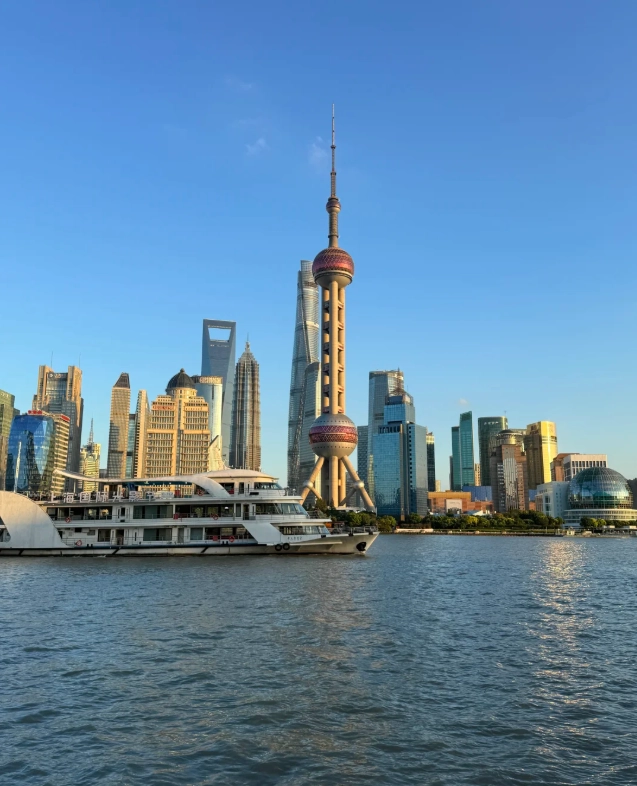
Specific Tips for Non-Chinese Speakers
- Essential Apps: Google Translate (download offline pack), DiDi (English), MetroMan, Alipay (set up before travel).
- Carry a card with your hotel name and address in Chinese. I give these to all my clients.
- Learn a few phrases: "Xie xie" (thank you) and "Duo shao qian?" (how much) go a long way.
- Cash is king for small purchases. ATMs at major banks have English interface.
- Wi-Fi: Free Wi-Fi is everywhere—just request a password by showing your passport (if needed).

Frequently Asked Questions
Verified and fact-checked by the editorial team.








No comments yet.