 Yan Zhou
What You'll Find Here
Three hours. That’s how long my clients waited in the sun at the South Gate last week. Forget the glossy brochures—if you don't know the exact WeChat mini-program trick, you aren't getting in. And trust me, you don't want to be that person staring at a QR code with no idea what to press.
I've been guiding tours in Nanjing for over seven years. I know the shortcuts, the scams, and the spots where the locals actually eat. This guide covers how to travel to Nanjing without frustration—from booking tickets to dodging the midday heat.
Here is exactly how to skip the queues, handle the payment nightmare, and see the real Nanjing in under two days.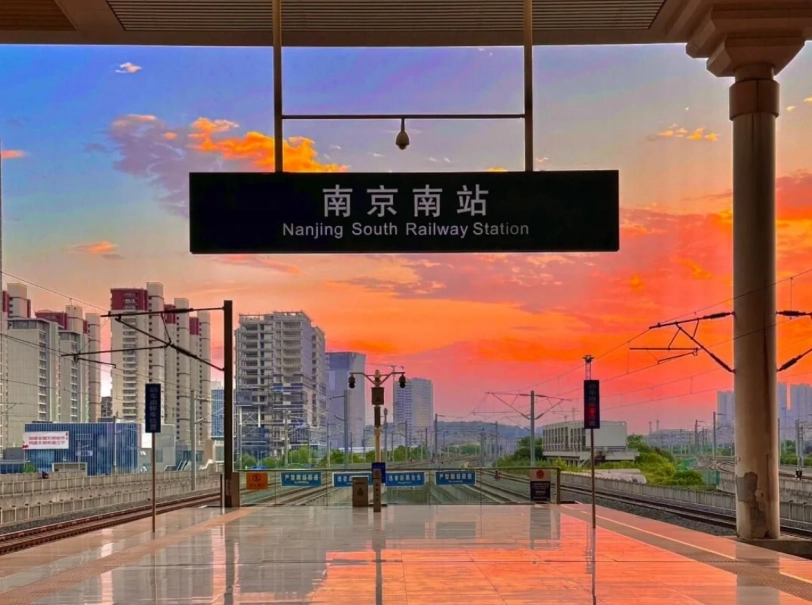
Why Nanjing Deserves a Spot on Your List
Nanjing isn't as hyped as Beijing or Shanghai. That's exactly why I love it. It's the former capital with layers of history—Ming Dynasty, Republic of China, and wartime stories. The tree-lined boulevards, the Qinhuai River at night, the vibe is calmer. But the infrastructure is modern: clean metros, lots of English signs, and more green space than you'd expect.
Getting There: Planes, Trains, and Buses
By Air
Nanjing Lukou International Airport (NKG) is about 35 km south of the city. It has direct flights from many Asian cities and a few from Europe/North America (often via Shanghai). To get into town: the Metro S1 line runs from the airport to Nanjing South Railway Station (about 1 hour, ¥6-7). Taxis cost around ¥150-200 (use Didi app, not street taxis—they might overcharge).
My tip: Avoid arriving between 5-7 PM if you can. The expressway gets jammed, and the metro is packed with commuters.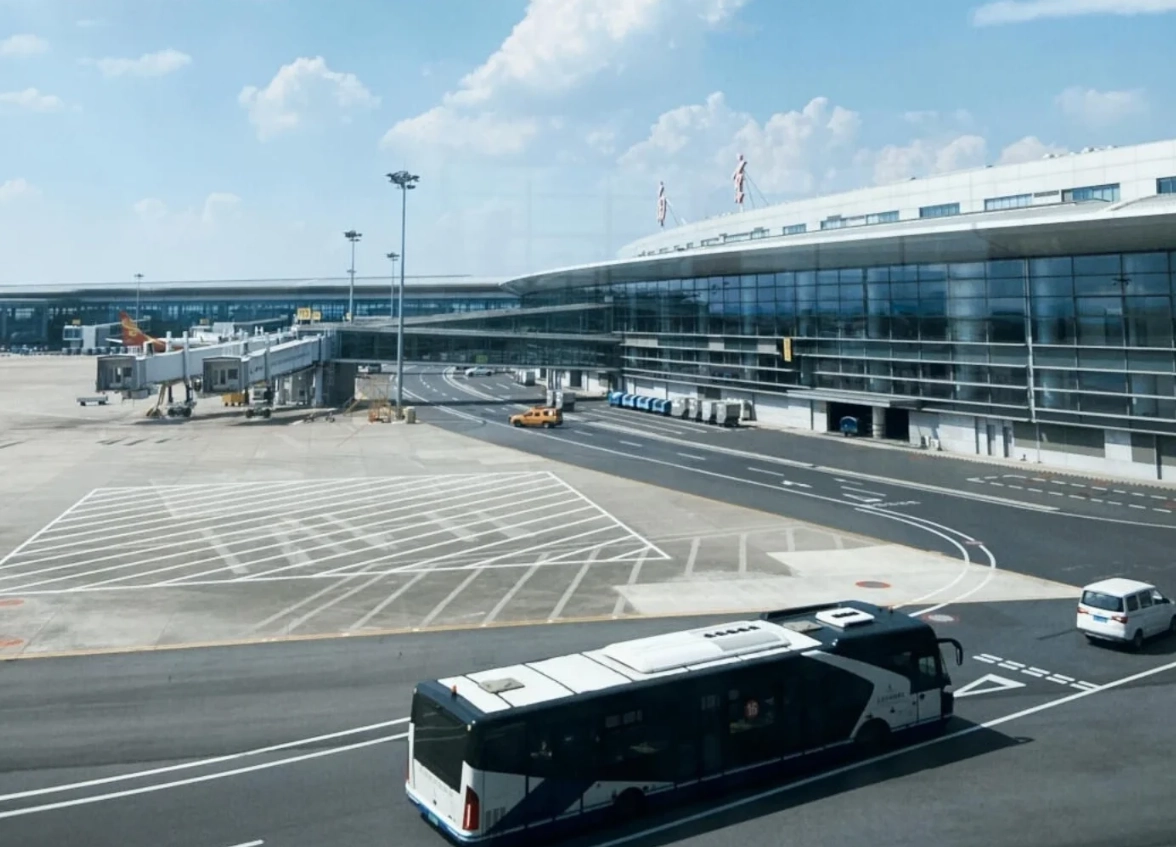
By Train
Nanjing has two main train stations: Nanjing Station (north side) and Nanjing South Station (huge, modern). High-speed trains from Shanghai take about 1 hour (¥135 second class). From Beijing, it's around 3.5 hours (¥443). Book tickets early on Trip.com or 12306.cn—but note that 12306 requires Chinese ID for registration. Trip.com is easier for foreigners.
Pain point: International credit cards often fail on 12306. Trip.com works with Visa/Mastercard but charges a small fee. I always help my clients set up a Trip.com account before they arrive.
By Bus
Only if you're coming from nearby cities like Suzhou or Wuxi. Buses are cheap (¥60-80) but less comfortable. I'd take the train instead.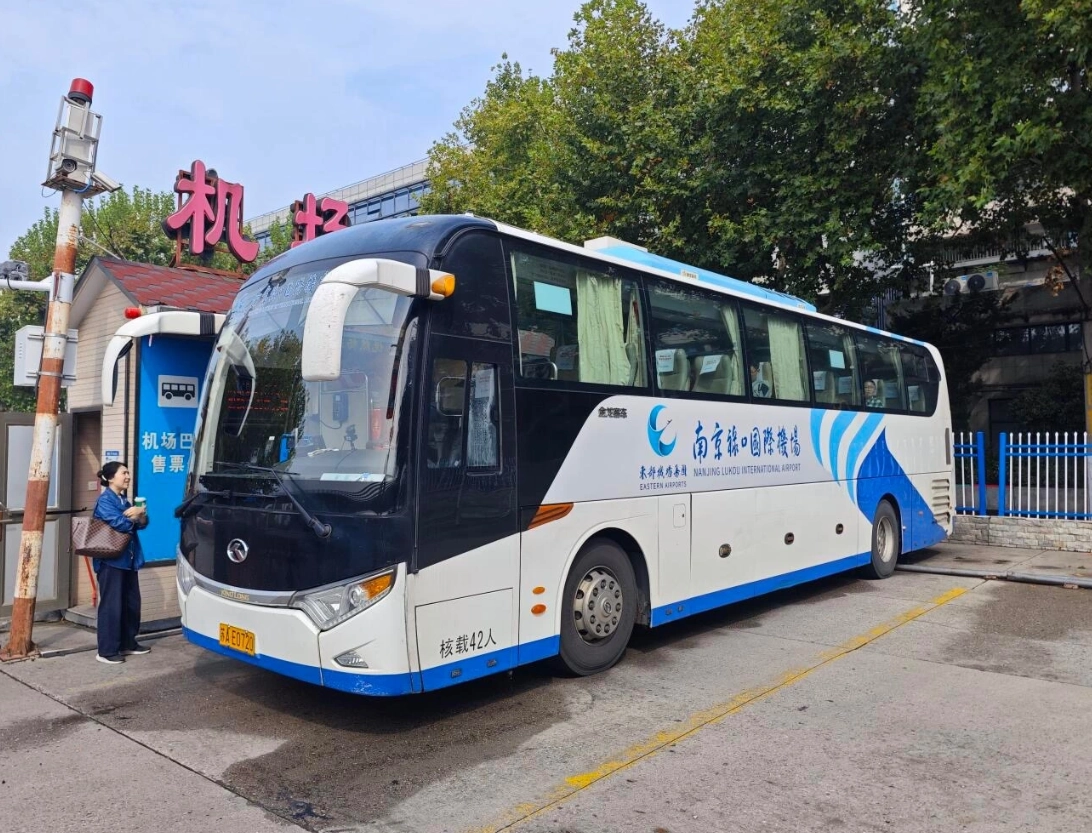
Getting Around Inside the City
The metro is your best friend. It covers almost all tourist spots. Buy a Nanjing Pass (Transport IC card) at any station—you pay a ¥20 deposit, then load cash. You can also use Alipay's transport feature, but that requires setting up Alipay with a Chinese bank card. Already have WeChat Pay? You can scan to ride the metro in some lines now, but it's still not 100% consistent.
Taxis: Flagfall is ¥11 (≈$1.50). Always use the Didi app to get a fare estimate. Avoid taxis waiting near tourist spots—they often refuse to use the meter for short trips.
My honest opinion: Walking is underrated. Nanjing's streets are wide and shaded with plane trees. Between the Confucius Temple and the Presidential Palace, you'll enjoy a 20-minute stroll along the old city wall. Save the metro for longer hauls.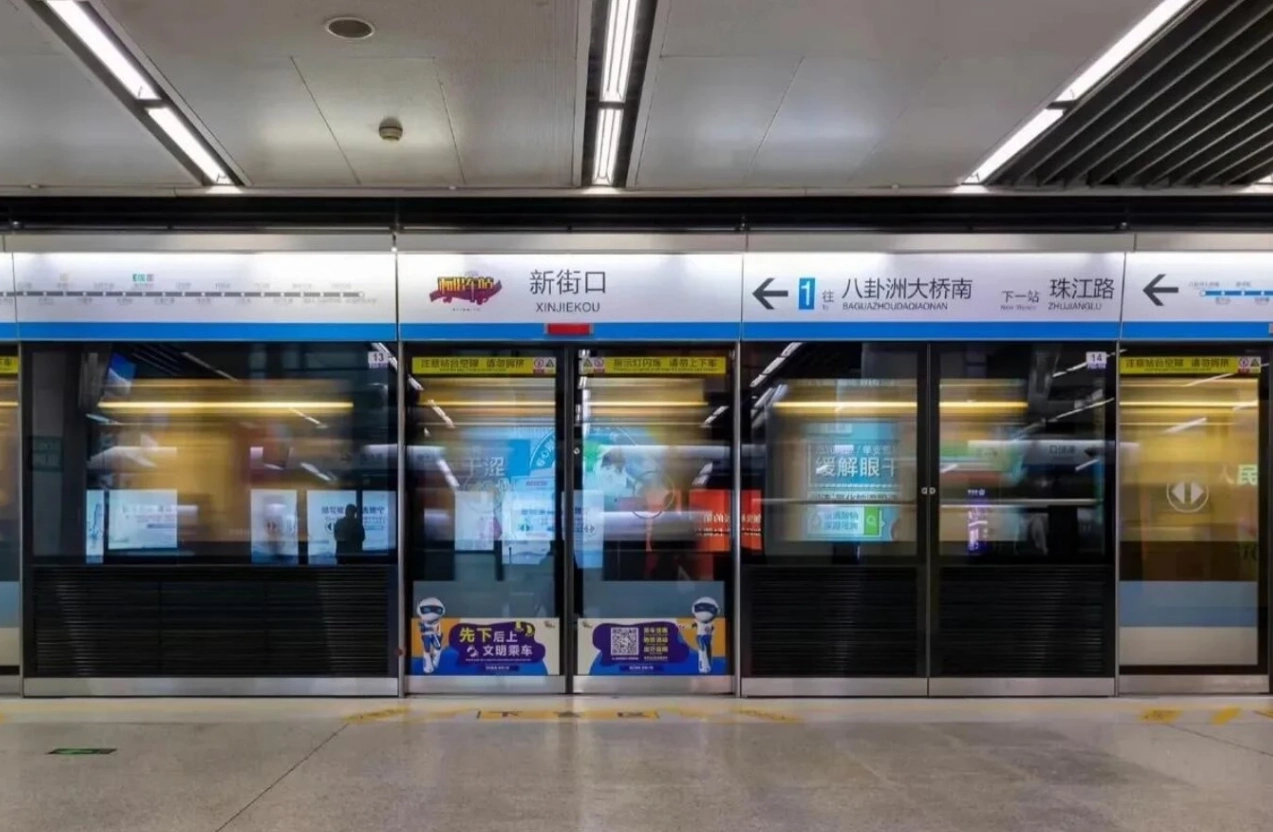
Where to Stay: Best Areas & Hotels
| Area | Best For | Hotel Examples | Price Range (per night) | Notes |
|---|---|---|---|---|
| Xinjiekou (City Center) | First‑timers, shopping lovers | Jinling Hotel (classic), Sofitel Nanjing Zhongshan | ¥500-1500 | Metro hub, many restaurants, but traffic noise |
| Confucius Temple Area | Nightlife, river views | Metropolo Jinjiang (quiet lane), Holiday Inn Qinhuai | ¥400-900 | Crowded on weekends, but magical at night |
| Nanjing South Railway Station | Transit passengers | Holiday Inn Express Nanjing South | ¥300-600 | Clean, modern, 5 min walk to station |
| Purple Mountain Area | Nature lovers, peace seekers | Purple Mountain Resort, Zhongshan Villa | ¥600-2000 | Far from food options, need taxi everywhere |
Personal pick: I usually stay at the Jinling Hotel. It's old-school but the location is unbeatable—right above Xinjiekou metro station, and the breakfast buffet has both congee and croissants.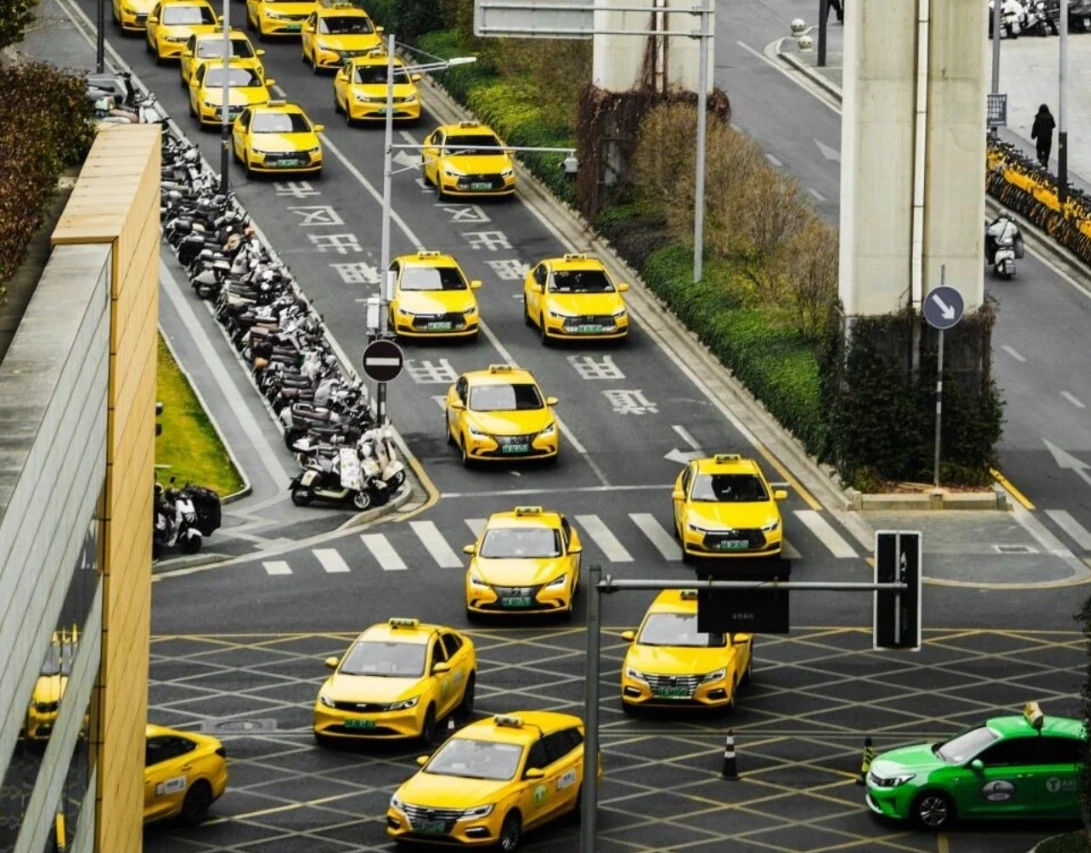
Must-See Attractions (With Real Tips)
Sun Yat-sen Mausoleum
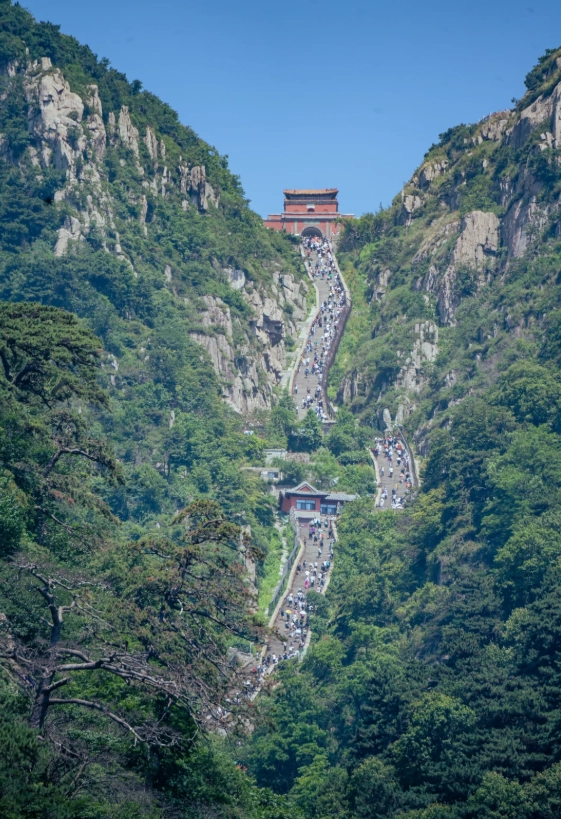
Free entry, but you must reserve a time slot via the official WeChat mini-program (search '中山陵预约'). The process is entirely in Chinese. Workaround: Ask your hotel front desk to book it for you, or use the English interface on Trip.com (they sell a free ticket booking service). The 392 steps look intimidating but are manageable—take breaks on the platforms.
Best time: 8:30 AM opening. Arrive at 8:15. By 10 AM, the tour groups flood in. Also, avoid the steps at noon in summer—the marble reflects heat like an oven.
Confucius Temple & Qinhuai River
You can't miss it, but manage expectations: it's a massive pedestrian area full of souvenir shops and snack stalls. The real magic is the evening lantern reflections on the river. Take a short boat ride (¥80, 40 minutes). Scam alert: Some vendors sell 'lucky coins' at inflated prices. Just say 'bu yao' (don't want) and walk.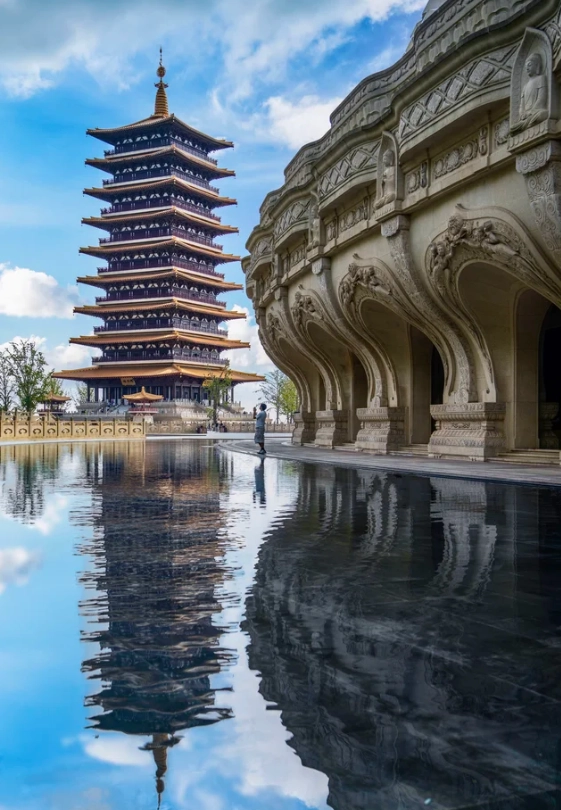
Presidential Palace
¥40 entry, can buy at the gate (no reservation needed, surprisingly). It's huge—a mix of traditional Chinese gardens and 1920s government buildings. Plan at least 2 hours. The café inside is overpriced; bring a water bottle.
Nanjing Museum
Free, but reserve on the mini-program. One of the best museums in China, with a stunning digital exhibition of the Qingming Scroll. The permanent collection is enormous—don't try to see everything. Pick the 'History of Nanjing' hall and the 'Porcelain' hall. Skip the 'Intangible Heritage' theater unless you have kids.
Purple Mountain & Ming Tomb
The Ming Xiaoling Tomb (¥70) is a quiet walk through a sacred path lined with stone animals. Combine it with Sun Yat-sen Mausoleum if you have stamina. Wear comfortable shoes—you'll walk 5 km easily.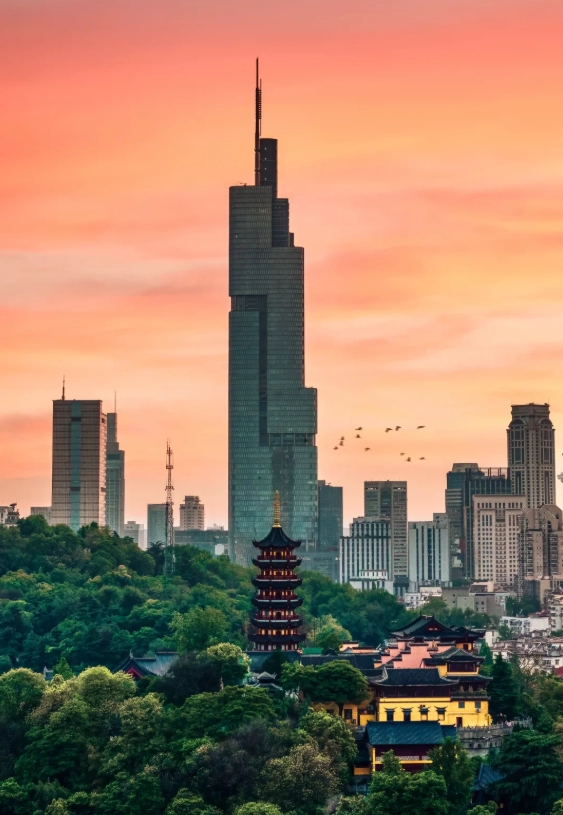
What to Eat & Where
Nanjing food is savory, not spicy. The signature dish is salted duck. Don't confuse it with Peking duck—it's cold, tender, and salty. Best place: Han Zhong Men Duck Blood Soup near the Hanzhongmen metro exit (line 2). A bowl of duck blood vermicelli (¥25) with a side of salted duck (¥20) is a complete meal. I always order extra chili oil—it's not overpowering.
For soup dumplings, skip the tourist trap in Confucius Temple and go to Yi Pin Xiao Long Bao on Hunan Road. ¥12 for 8 pieces, thin skin, lots of soup. They only accept cash or WeChat—no cards.
| Dish | Where to Eat | Price | Payment | My Rating |
|---|---|---|---|---|
| Salted Duck | Han Zhong Men Duck Blood Soup | ¥20-25 | Cash/WeChat | 9/10 |
| Soup Dumplings | Yi Pin Xiao Long Bao (Hunan Rd) | ¥12 | Cash/WeChat | 8/10 |
| Nanjing ‘Pi Du’ Noodles | Fu Gui Shan Noodle | ¥30 | 7/10 (heavy) | |
| Osmanthus Cake | Street stalls in Confucius Temple | ¥5-10 | Cash | 6/10 (touristy) |
Avoid: The 'Nanjing specialties' boxed sets sold in souvenir shops. They are mass-produced and taste like cardboard.
Sample 2-Day Itinerary (for Real People)
Day 1: Historical Core
- 8:30 AM – Sun Yat-sen Mausoleum (booked for 9 AM slot, arrive 15 min early)
- 11:00 AM – Walk down to Ming Tomb (free area, just the spirit way)
- 12:30 PM – Lunch at Han Zhong Men (taxi 15 min, ¥20)
- 2:00 PM – Presidential Palace (2 hours)
- 4:30 PM – Rest at hotel or coffee shop
- 7:00 PM – Confucius Temple and boat ride
Day 2: Museums & Local Life
- 9:00 AM – Nanjing Museum (arranged free ticket)
- 12:00 PM – Yi Pin Xiao Long Bao for lunch
- 2:00 PM – Purple Mountain cable car to the observation tower (¥60) – only if weather is clear
- 4:00 PM – Explore Xinjiekou underground mall (lots of bubble tea and snack shops)
- 6:00 PM – Dinner at a local 'bibimbap' place? Actually, try the Terrace Grill at Jinling Hotel for a mix of Chinese and Western.





No comments yet.