 Ting Chen
Quick Navigation
Two hours. That’s how long my clients waited in the blazing sun at the South Gate last week. Forget the glossy brochures—if you don’t know the exact WeChat mini-program trick, you aren’t getting in. And even if you do, you’ll waste half your day shuffling through crowds if you follow the generic advice online.
Here is the truth: the Chengdu Research Base of Giant Panda Breeding is one of the most rewarding animal experiences in the world—but only if you go with a plan. Most tourists miss the active feeding times, get stuck at the wrong entrance, or leave disappointed because they didn’t see any cubs. I’ve guided hundreds of groups here, and I’ve broken down exactly how to see the pandas up close without the stress.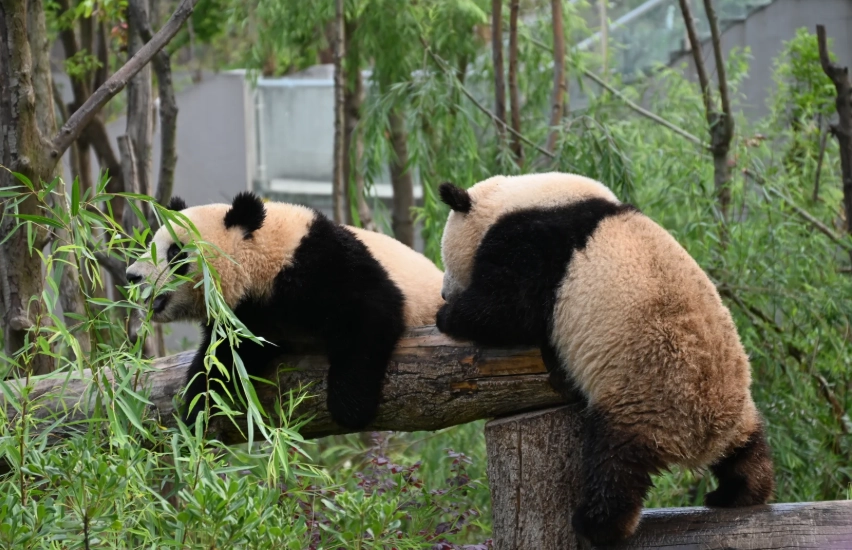
Ticket Booking & Prices: Don’t Show Up Without This
First, forget buying tickets at the gate. The base strictly sells online through their official WeChat mini-program (“成都大熊猫繁育研究基地”). You can also book via third-party platforms like Trip.com or Klook, but the official channel is the cheapest. Here’s the catch—the mini-program is entirely in Chinese, and it requires WeChat Pay or Alipay. International credit cards? Nope. Most foreign tourists panic here. My advice: ask your hotel receptionist or a local friend to help you purchase a day before. If you’re solo, use Trip.com—they add a small markup but accept Visa/Mastercard.
| Ticket Type | Price (CNY) | Notes |
|---|---|---|
| Adult (full price) | 55 | High season (Mar–Nov); off-season 27 |
| Student (with ID) | 27 | Must show valid student card |
| Child (6–18) | 27 | Under 6 free with ID |
| Senior (60+) | 27 | Chinese seniors only; foreigners need passport |
Important: The base caps daily visitors. During Golden Week (Oct 1–7) and summer holidays, tickets sell out days in advance. Book at least 3 days ahead during peak periods. The mini-program requires your passport number for foreign visitors.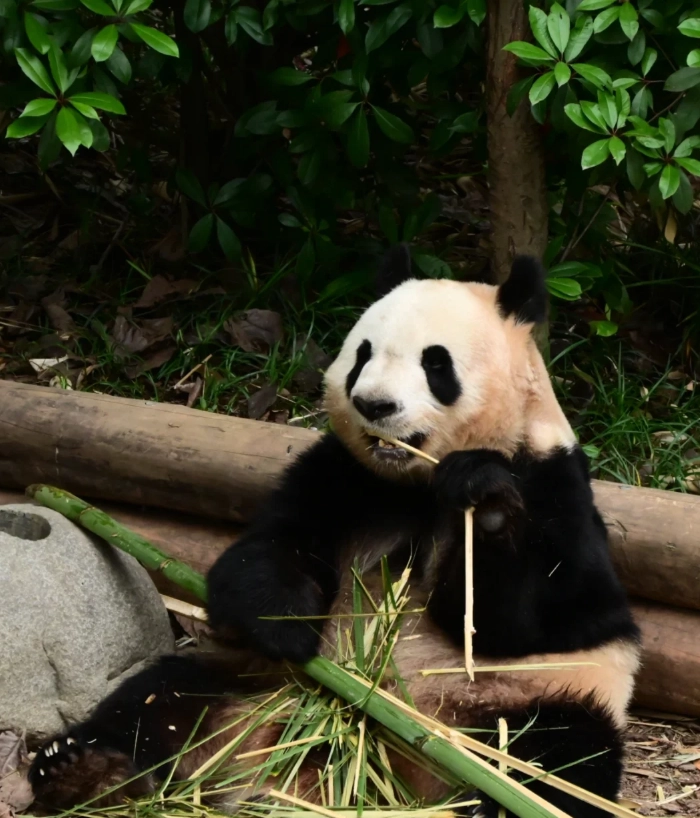
Best Time to Visit: When Pandas Are Most Active
Pandas are crepuscular—they’re most active at dawn and dusk. But the base opens at 7:30 AM, and feeding starts around 8:30 AM. That’s your golden window. By 10 AM, the pandas are already dozing off, and the crowds are four rows deep. I always tell my groups: aim to be at the entrance by 7:00 AM, even if it hurts. You’ll see the pandas eating bamboo, playing, and—if you’re lucky—cubs tumbling around.
Afternoon visits? Not ideal. If you must go later, target the indoor enclosures where pandas escape the heat, but expect fewer active moments. The worst time is 11 AM to 2 PM—pandas are napping, and the sun is brutal.
Seasonal Considerations
March to June and September to November offer mild weather. Summer (July–August) is scorching and humid; pandas spend more time in air-conditioned rooms. Winter (December–February) can be chilly, but pandas love the cold and are often more active. Plus, fewer tourists.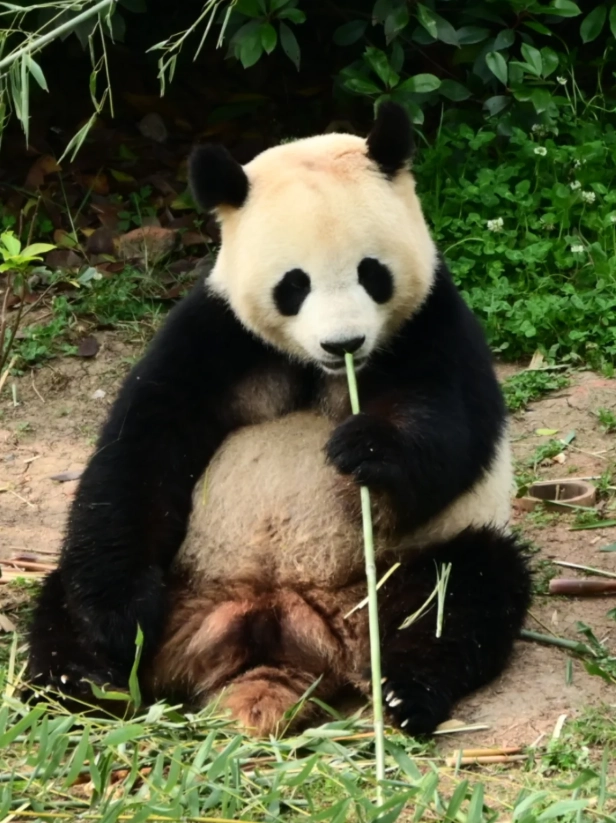
Getting to the Base: Which Entrance to Use
There are two entrances: the main South Gate and the newer West Gate. Most tourists use the South Gate because it’s closer to the metro, but that’s a mistake. The South Gate entrance is chaotic, with long queues and a 10-minute walk to the first panda enclosure. The West Gate is quieter and drops you near the younger pandas’ area. Here’s how to reach each:
By Metro + Shuttle Bus
- South Gate route: Take Metro Line 3 to Panda Avenue Station, Exit B. Then hop on the free shuttle bus (every 15 minutes, 5-minute ride) or walk 15 minutes. The shuttle is packed in peak hours.
- West Gate route: Take Metro Line 3 to Chengdu University of TCM Station, transfer to Line 6 to Xipu, then take bus 720 to the base. This is longer but less crowded. Alternatively, taxi from the city center (about 40–50 CNY, 30 minutes).
My tip: Take a taxi or Didi (ride-hailing app) directly to the West Gate. The fare is around 50 CNY from central Chengdu. Or book a private car through Klook for about 150 CNY round trip. The West Gate has fewer ticket queues and you can enter faster.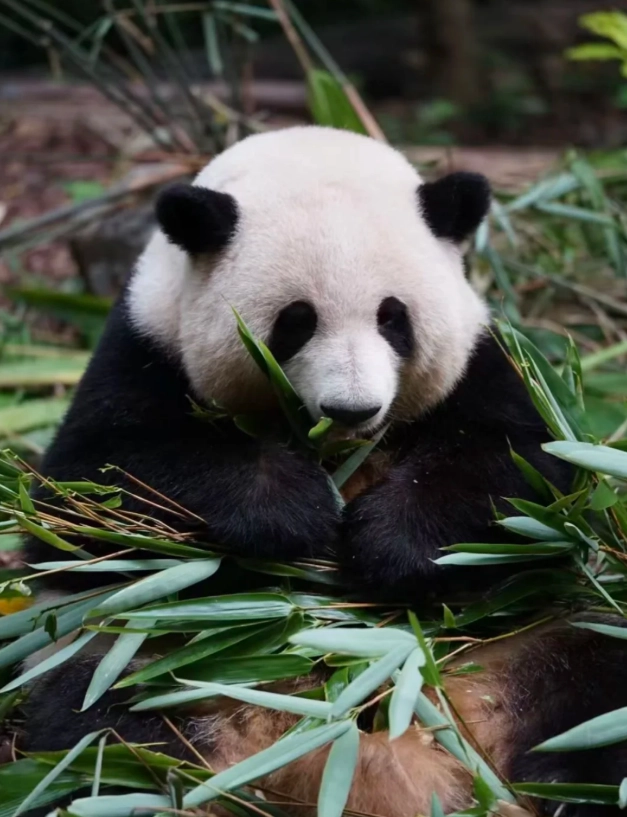
Inside the Base: Routes & Highlights
The base is huge—about 1.5 km from South to West. Plan at least 3 hours. Here’s the route I use with my groups to maximize panda sightings and minimize walking:
Start at the West Gate (if you entered there) and head straight to the Moonlight Delivery Room where newborn cubs are kept in summer. This is the most popular spot—go early or you’ll be staring at the back of heads. After that, walk to Sunlight Delivery Room for slightly older cubs. Then visit the Giant Panda Kitchen where keepers prepare bamboo cakes—fun to watch at 10 AM.
Next, stroll through the Red Panda Enclosure. These little guys are often overlooked but super active. Finally, end at the Panda Museum to learn about conservation. If you entered through South Gate, reverse the route: start with the museum, then red pandas, then the delivery rooms.
Note: The base has electric carts (10 CNY per ride) for tired legs, but they run on fixed routes and queues can be long. I prefer walking—it’s not that far.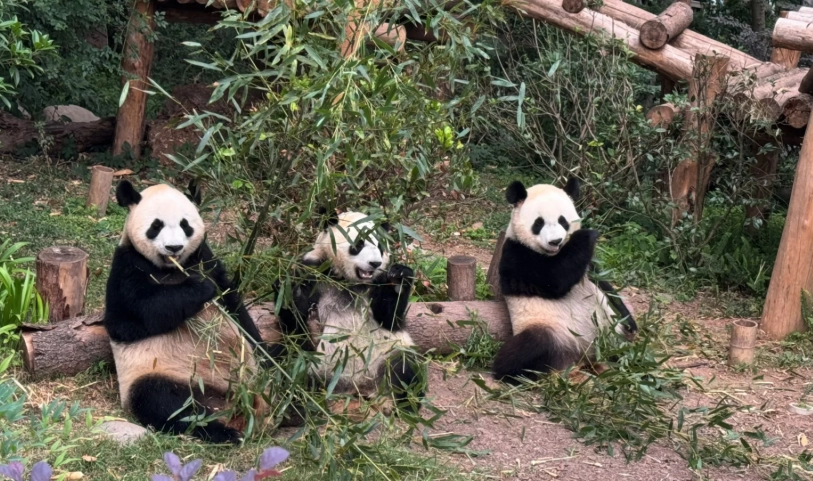
Panda Etiquette & Rules
Yes, there are rules. Don’t be that tourist who gets yelled at by a keeper:
- No flash photography—it startles the pandas. Turn off your flash in camera settings.
- Keep quiet inside indoor enclosures. Pandas are sensitive to noise.
- Don’t tap the glass or try to touch the animals. They are wild animals, not pets.
- No feeding—they have strict diets.
- Stay on designated paths; off-trail walking damages the bamboo.
One more thing: the base has a few gift shops selling panda plushies. They’re overpriced. Skip them and buy from the official store downtown.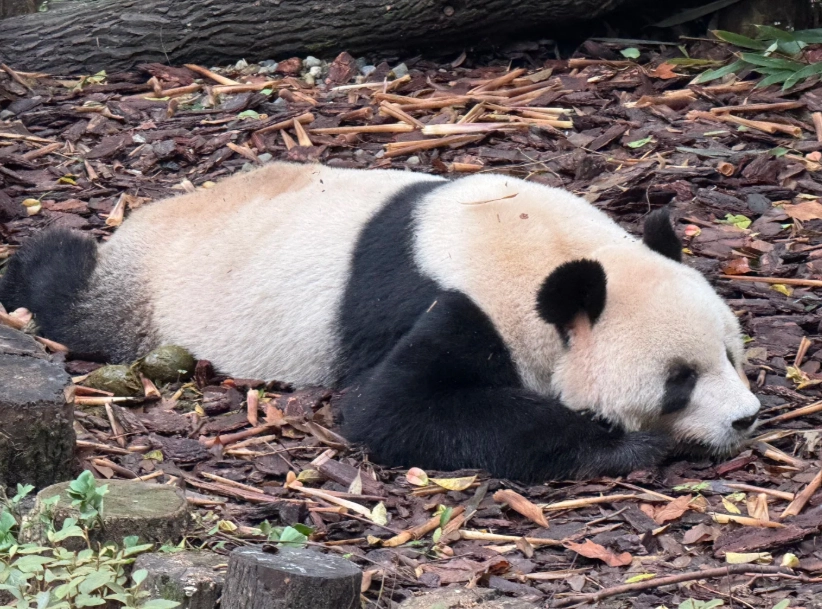
Frequently Asked Questions
Verified and fact-checked by the editorial team.







No comments yet.