 Wei Zhang
Quick Navigation
I've walked Barkhor Street hundreds of times — literally. And every single time, I notice something new. A fresh coat of paint on a prayer wheel, a pilgrim from Nagchu doing full prostrations, a shopkeeper smiling as she counts her prayer beads. This isn't just a tourist street. It's the living, breathing heart of Lhasa.
But here's the thing most guides won't tell you: if you walk it like a checklist, you'll miss everything that matters. Let me show you how to really experience a Barkhor Street walking tour.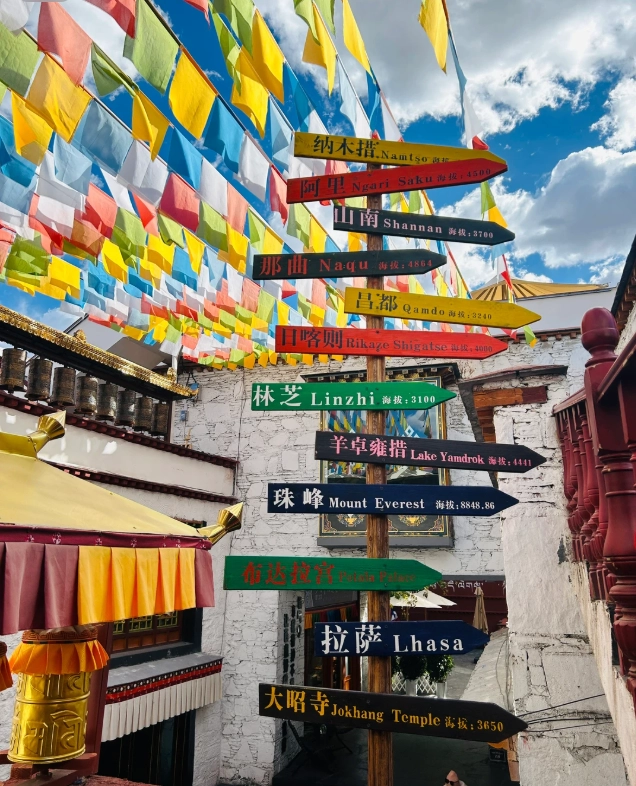
Why Walk Barkhor Street?
Barkhor is the oldest street in Lhasa, a 1.5-kilometer circular path surrounding the Jokhang Temple. For Tibetans, it's a kora — a sacred circumambulation route. For travelers, it's a sensory overload: butter lamp smoke, murmured mantras, yak butter tea, and the constant clack of wooden prayer boards.
Walking it is more than sightseeing. It's stepping into 1,300 years of living tradition. Locals don't stop for photos — they flow, spin prayer wheels, and touch the worn-down stones. Join them, and you'll feel the pulse of Tibetan Buddhism. Go at the wrong time or with the wrong attitude, and you'll just be stuck behind selfie sticks.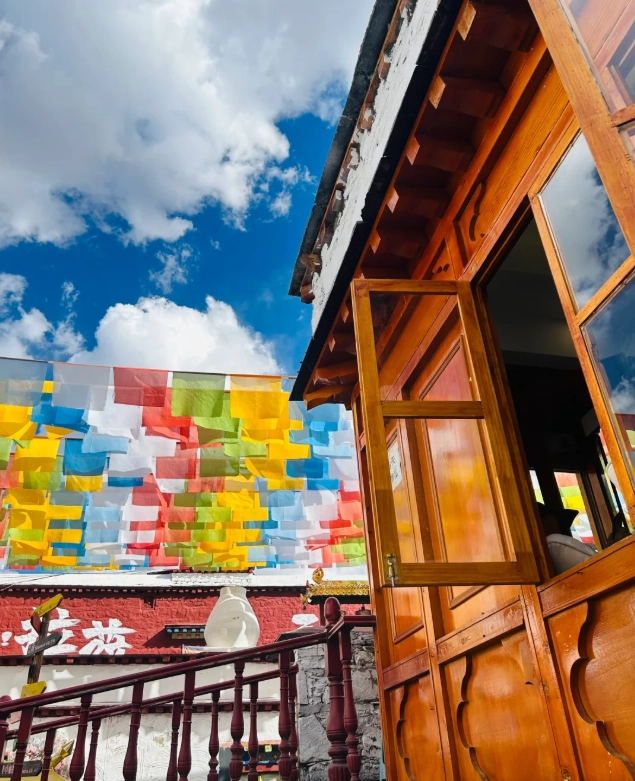
Best Time for Your Barkhor Street Walking Tour
Let's cut through the noise. The only times worth walking Barkhor are:
| Time Slot | Why It Works | Crowd Level | Photo Light |
|---|---|---|---|
| 6:30 – 8:30 AM | Pilgrims do their first kora. Monks chant from side alleys. Air is crisp. | Busy but peaceful | Golden morning light hits the white walls |
| 5:00 – 7:30 PM | Late afternoon sun softens everything. Shops winding down. Fewer tourists. | Moderate | Warm, dramatic shadows |
| Midday (11 AM – 3 PM) | Avoid unless you like elbowing through tour groups and buying overpriced trinkets. | Extreme | Harsh, flat light — not ideal |
Pro tip: If you only have one chance, pick the early morning slot. The pilgrims are fully absorbed in their practice — you'll witness raw devotion, not a performance.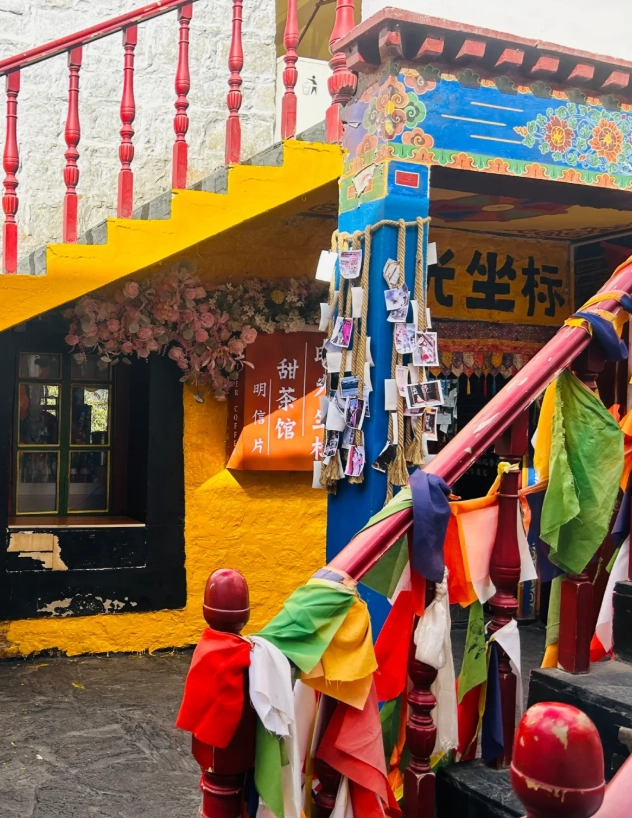
What to See Along Barkhor Street
This isn't a museum; it's a living street. But here are the absolute must-spots on any Barkhor Street walking tour:
Jokhang Temple (Entrance Cost: 85 CNY)
The most sacred temple in Tibet. You don't need to go inside to feel its pull — just watching pilgrims prostrate at the entrance is powerful.
Address: Barkhor Street, Chengguan District, Lhasa.
Opening hours: 09:00 – 18:00 (last entry 17:30).
Tip: The line can be 1+ hour midday. Go right when it opens or skip the interior if pressed for time.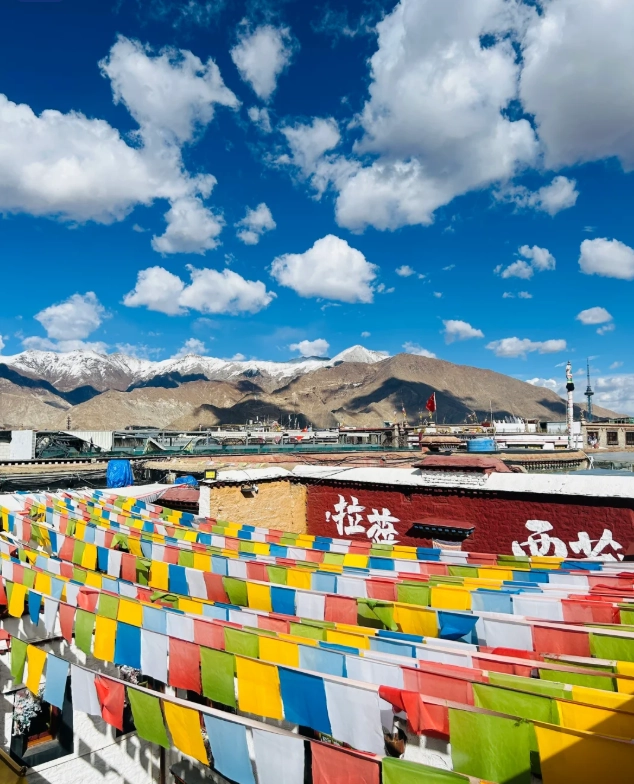
The Bazaars (Side Alleys)
Don't just stay on the main loop. Dive into the side alleys — that's where you'll find tiny workshops making prayer flags, carved Mani stones, and family-run sweet tea houses. One of my favorites: Mentsikhang Tsampa Shop, a hidden courtyard where they hand-grind roasted barley.
Ramoche Temple
Less crowded than Jokhang, but equally old. It's a 10-minute walk north of Barkhor. Worth it if you want to escape the crowd.
Ticket: 30 CNY.
Tip: The inner chapel has a Jowo Shakyamuni statue brought from China in the 7th century.
Tibetan Family Home Experience
Look for the small sign that says “Tibetan Family Visit” on Gyiwa Street (off Barkhor). A local woman, Dolma, opens her 200-year-old home for tea and conversation (50 CNY donation). No frills, just genuine hospitality. I always send my clients here.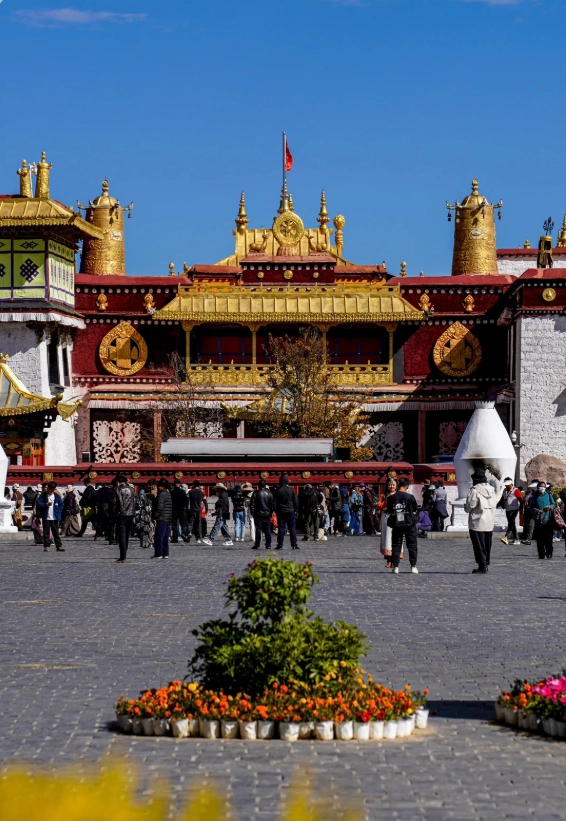
Hidden Gems Most Tourists Miss
Every guide tells you about Jokhang and the main circuit. Let me share the spots that only locals (and guides who've walked this for years) know.
- The Rooftop of Tibet Peace Hotel: A 5-minute walk from Barkhor, this rooftop cafe offers a panoramic view of Jokhang's golden roof. No ticket required. Buy a cup of butter tea (15 CNY) and stay for sunset. It's never crowded because tourists don't know it exists.
- Prayer Wheel Alley (Tardo Lung): Right behind Jokhang, a narrow lane lined with giant prayer wheels. Most people walk it in 2 minutes. I stop here for 10 — listening to the creak of the wheels and the soft chants of elderly pilgrims. Pure magic.
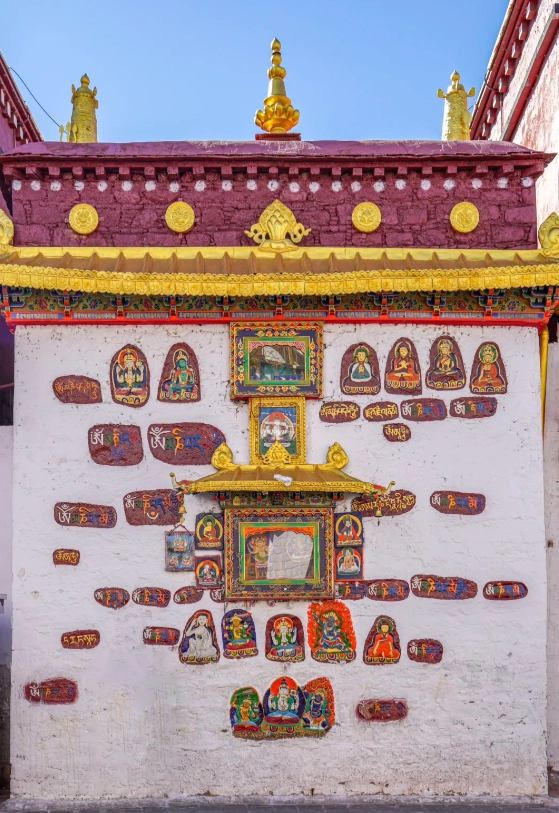
- Old City Murals: On the north wall of the Barkhor circuit, faded murals from the 17th century depict the construction of Jokhang. Look above the shops selling carpets. They're easy to miss — but point them out and your travel buddies will think you're a historian.
Practical Tips: Tickets, Timing & Etiquette
Let's get down to the nitty-gritty. You don't need a ticket to walk Barkhor Street itself — it's a public street. But if you enter Jokhang Temple or any paid site, you'll need cash or WeChat Pay (credit cards rarely accepted).
| Item | Details |
|---|---|
| Barkhor Street entry | Free, 24/7. Best walked clockwise. |
| Jokhang Temple ticket | 85 CNY (no online booking needed; buy at gate, cash only). Opens 09:00. Last entry 17:30. |
| Toilets | Public toilets at the south and east entrances. Bring your own tissue and hand sanitizer — they're squat-style and often run out of water. |
| Photography rules | Inside Jokhang, no photos allowed. On the street, ask before photographing pilgrims — a smiling nod usually works. Pointing your camera at prostration areas is considered rude. |
| Dress code | Cover shoulders and knees. Hats off when entering temples. Sunscreen is essential — the UV at 3,650m is brutal. |
Getting there: From the Potala Palace, it's a 20-minute walk downhill. Taxis cost 10-15 CNY — just say “Barkhor” to the driver. If using Didi (Chinese Uber), type the address in Chinese: 八廓街.
Combined plan: Start at Potala at 8 AM (ticket 200 CNY, book online 1 day ahead via WeChat mini-program “Potala Palace Official”), then walk downhill to Jokhang, finish with a Barkhor kora at 11 AM. Total time: ~4 hours if you move fast.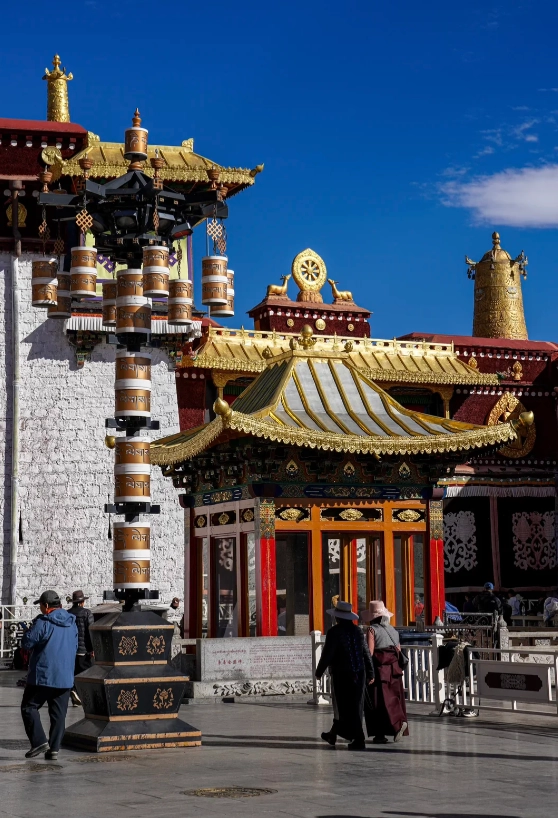





No comments yet.