 Ting Chen
Quick Navigation
I’ve led countless tours through Lhasa, and Jokhang Temple always divides opinions. Some travelers call it a spiritual highlight; others find it overcrowded and confusing. So, is it worth your time? Yes, but only if you go prepared. Let me share what I’ve learned after years of walking those pilgrim circuits.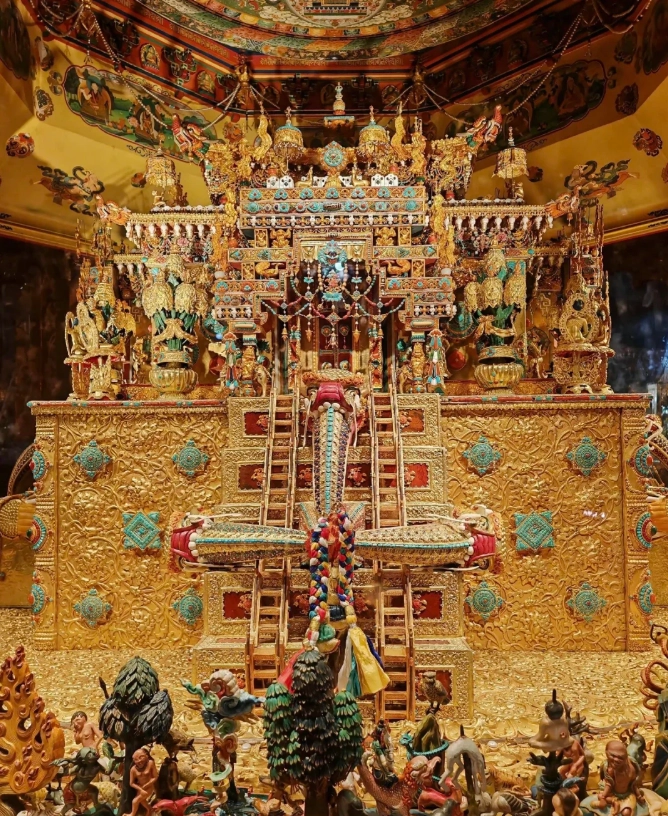
Why Jokhang Temple Is a Must-See
Jokhang Temple isn’t just another temple — it’s the spiritual heart of Tibet. Built in the 7th century, it houses the Jowo Shakyamuni statue, believed to be the most sacred image in Tibetan Buddhism. The energy around the temple is palpable. Pilgrims prostrate themselves on the stone plaza, their hands worn smooth over centuries. Even if you’re not Buddhist, witnessing this devotion is humbling.
But here’s the thing: the real magic isn’t inside the temple itself. It’s the Barkhor Street circumambulation route that wraps around it. Locals spin prayer wheels, murmur mantras, and the air thickens with juniper incense. Walk the kora (circuit) at sunrise – the golden light hitting the temple roof, monks chanting from inside – that’s the memory that sticks.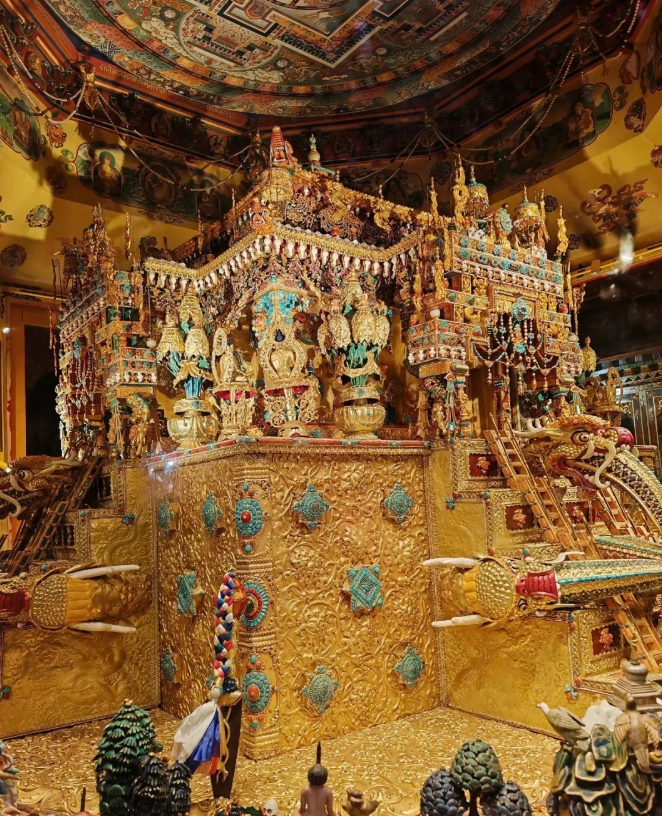
What Makes Jokhang Temple Unique?
Unlike Potala Palace (the iconic fortress), Jokhang is alive with daily worship. It’s not a museum. You’ll see butter lamps flickering, monks chanting, and locals queuing for hours just to touch the Jowo statue. The architecture blends Indian, Nepalese, and Tibetan styles — a reflection of the princesses who brought Buddhism to Tibet.
The rooftop is another highlight. You can see the entire Barkhor Square and, on clear days, the Potala Palace in the distance. But be warned: the rooftop stairs are steep and narrow. I’ve watched travelers struggle with heavy backpacks. Leave your big bag at the hotel.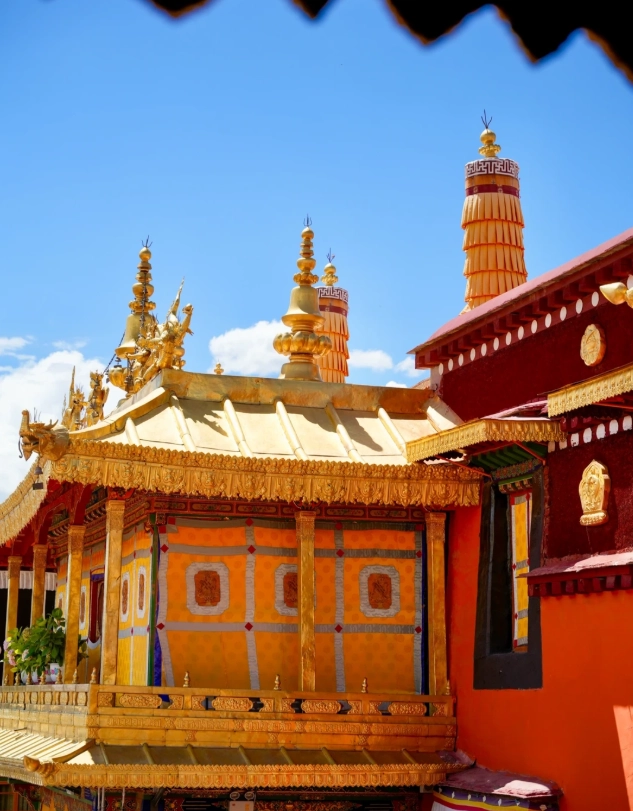
How to Get to Jokhang Temple (and Avoid Crowds)
Jokhang sits right in the center of Lhasa’s old town. From the Potala Palace, it’s a pleasant 15-minute walk (about 1 km). Just head southeast along Beijing East Road, then turn into Barkhor Street. Taxis from anywhere in the city cost around 10–15 RMB, but traffic near Barkhor is terrible — I recommend walking.
The biggest mistake tourists make: entering from the main south gate. Around 10 AM, the security line there stretches 50 meters, and the sun beats down mercilessly. Instead, approach from the west entrance near the Jokhang Temple’s side alley. Your taxi driver can drop you on a small street called Yutok North Road; from there it’s a 3-minute walk with almost no queue.
If you’re using public transport, take bus line 1, 2, or 24 to the “Barkhor” stop. The stop is right next to the old city gate. Then follow the flow of pilgrims — you can’t miss it.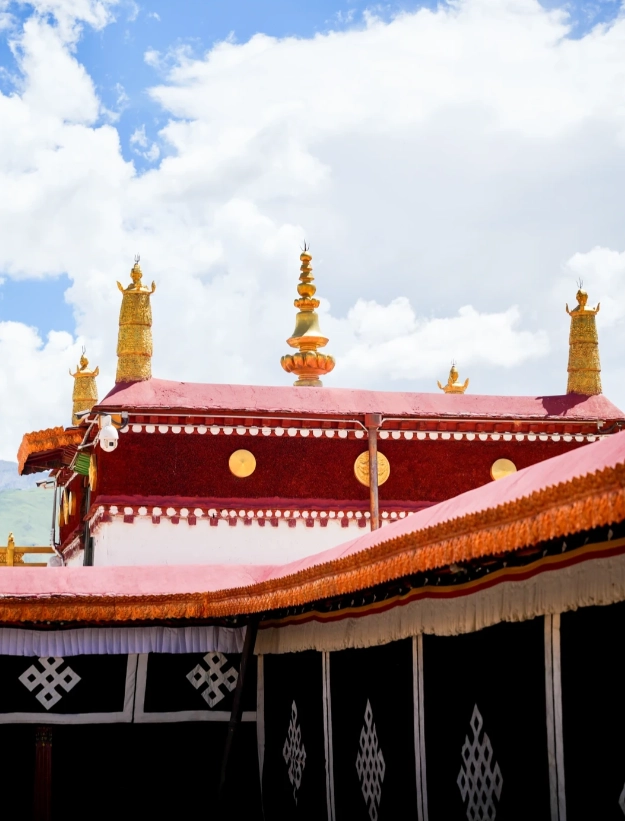
What to Expect Inside: Step-by-Step Walkthrough
First, you’ll pass through a security check and ticket verification. Then you enter the main courtyard. The smell of yak butter and incense hits you immediately. The inner sanctum is dimly lit; monks chant in a low drone. You’ll shuffle along a narrow passageway leading to the Jowo statue. Don’t stop for long — the queue moves slowly, and the attendants will gesture for you to keep moving. You can make an offering (1 RMB bills are perfect) and touch the statue’s pedestal if you wish.
After the inner circuit, head to the rooftop. The views over Barkhor Square are spectacular at golden hour (around 4–5 PM in summer). But note: the rooftop is sometimes closed for renovations. Check with the ticket office before you go up.
 Where to Take Photos
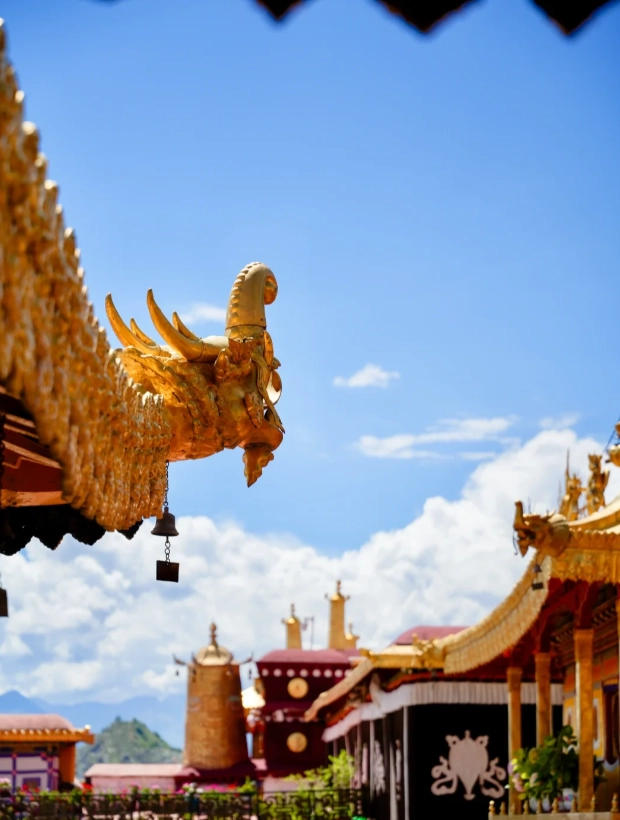
The interior is too dark for good shots, and flash is forbidden. On the rooftop, you can photograph the surrounding cityscape. The best angles are from the northeast corner, where you get both the temple’s golden finials and the distant mountains. Avoid taking close-ups of pilgrims without their permission — it’s considered disrespectful.
Tickets, Hours, and Practical Tips
| Item | Details |
|---|---|
| Ticket Price (Adult) | 85 RMB (foreigners & Chinese alike). No separate children’s price — kids under 1.2m enter free. |
| Ticket Price (Student) | 45 RMB with a valid student ID (international students accepted). |
| Opening Hours | 9:00–18:00 (last entry 17:30). During major festivals (like Saga Dawa), opening may start at 7:00. |
| How to Buy Tickets | Only on-site at the ticket office. No online booking. But you can pay with WeChat, Alipay, or cash (RMB). Credit cards are NOT accepted. |
| Free Entry | No free days. However, local pilgrims often enter without a ticket if they bring a butter lamp offering — not applicable to tourists. |
Accessibility: The temple has a few steps at the entrance and narrow corridors. No wheelchair ramps. The rooftop involves steep stairs. Not recommended for travelers with mobility issues.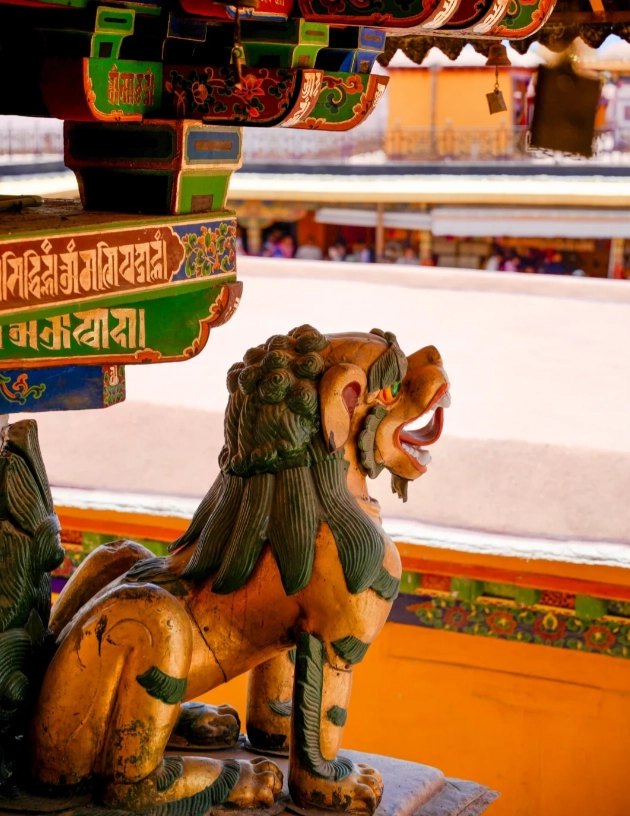
Is Jokhang Temple Worth It for Non-Buddhists?
Absolutely — but manage expectations. If you’re looking for Instagrammable spots with fewer people, you might be disappointed. Jokhang is chaotic, smoky, and you’ll be constantly jostled by pilgrims. That said, the cultural immersion is unmatched. I’ve had guests who found it more moving than the Potala Palace because it’s authentic, not a touristified show.
But if you’re pressed for time? If you only have one full day in Lhasa, I’d prioritize Potala Palace and then do a quick Barkhor Street walk. You can see the temple exterior and soak up the atmosphere without buying a ticket. Many travelers are satisfied with that.
Here’s a hard truth: Jokhang Temple is more about the experience than the physical structure. If you’re not interested in Tibetan Buddhism or don’t enjoy crowded spaces, it might feel like “just another temple.” But for most visitors, the raw spiritual energy leaves a lasting impression.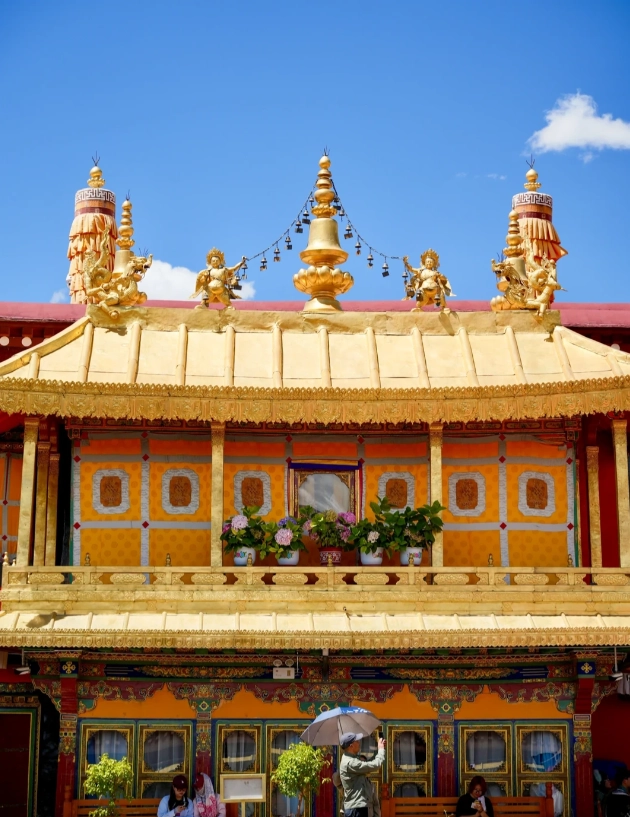





No comments yet.