 Ting Chen
Quick Navigation
I’ve been bringing groups to Pingtan Island for six years now. And every single time, someone pulls me aside before the trip and asks: “Is this place actually worth the 2-hour ferry from Fuzhou?”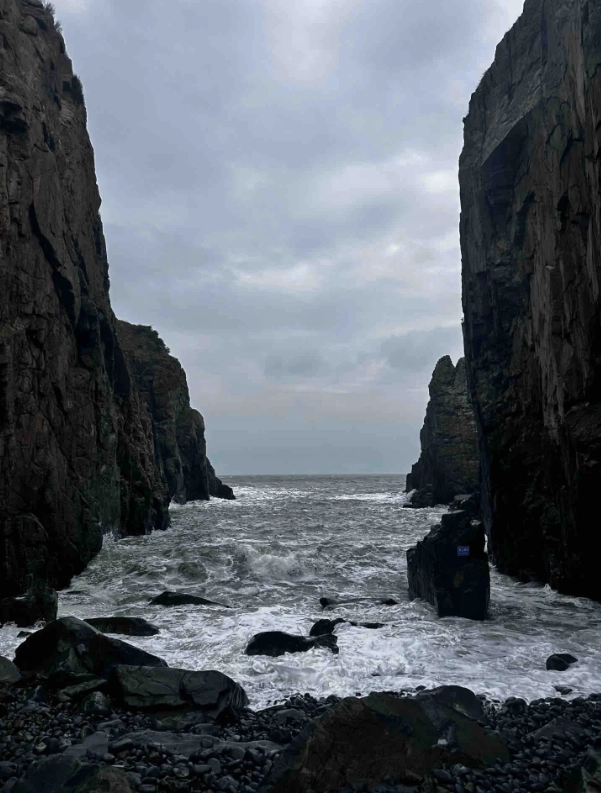
My answer? It depends on what you’re chasing. If you want a polished beach resort with umbrella drinks and infinity pools—skip it. But if you’re after something raw, real, and a little wild—Pingtan will stick with you.
Let me break it down so you can decide for yourself.
The Blue Tears Factor: Why People Come (and Sometimes Leave Disappointed)
You’ve probably seen the viral videos: glowing neon-blue waves lapping against black rocks, looking like something out of Avatar. That’s the “blue tears”—bioluminescent plankton that bloom in Pingtan’s waters from late April to July.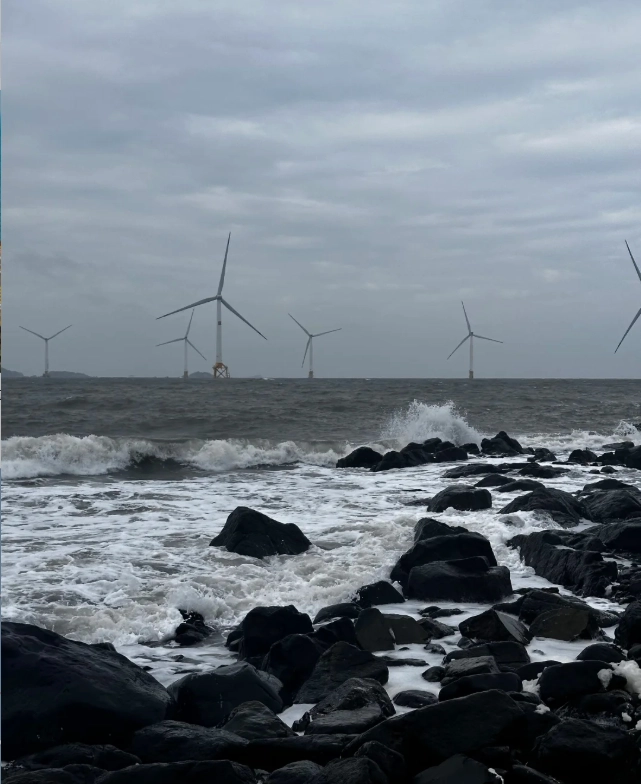
They’re real. I’ve seen them myself, three times. But here’s what the Instagram posts don’t show:
- It’s unpredictable. The plankton don’t show up every night. Even during peak season, you might get only a handful of good viewings per month.
- You need the right conditions. Warm water, calm wind, new moon (little moonlight). I always check the tide calendar and local WeChat groups before heading out.
- Crowds are insane. On a good night, thousands flock to the same beach. Bring patience—and a tripod.
My honest take: The blue tears are breathtaking, but don’t build your entire trip around them. If you happen to catch them, amazing. If not, Pingtan has plenty of other charms.
How to Get There: The Logistical Lowdown
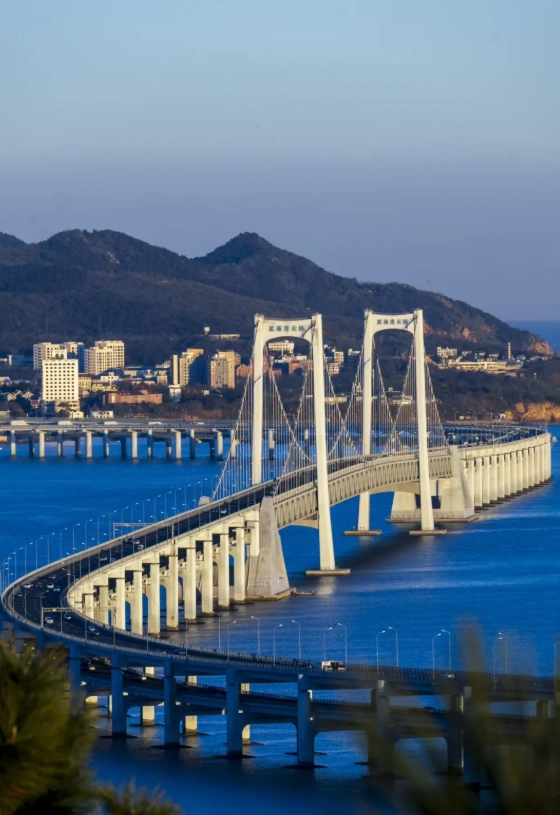
Getting to Pingtan has gotten much easier since the island bridge opened in 2020. No more waiting for ferries—you can drive or take a bus directly from Fuzhou.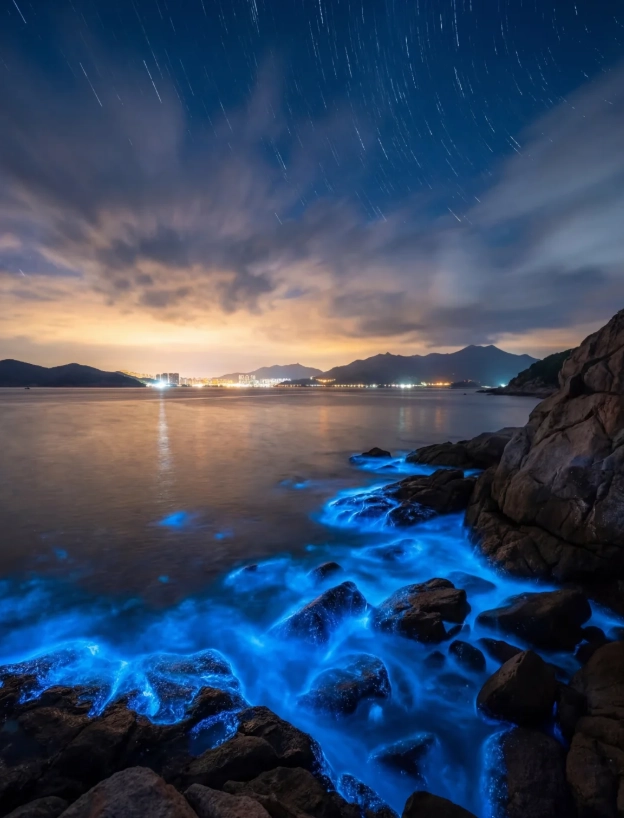
| Route | Time | Cost (approx.) | Notes |
|---|---|---|---|
| Fuzhou → Pingtan (bus) | 2 hours | ¥55 (about $7.5) | Buses run every 30 min from Fuzhou South Bus Station |
| Fuzhou → Pingtan (high-speed rail) | 1 hour | ¥60–¥80 | Trains arrive at Pingtan Station; then taxi to main area ~30 min |
| Fuzhou → Pingtan (drive) | 1.5 hours | Toll ~¥50 | Via G15 expressway; plenty of charging stations for EVs |
Heads-up on the train: Pingtan Station is on the north side of the island, while most sights are in the south (like the stone villages and blue-tear beaches). You’ll need to factor in another 30–40 minutes by taxi (around ¥80–100).
Once on the island, your best bet is to rent an e-bike. I always use the same shop near the main bus station—they charge about ¥80 per day and the battery lasts easily 8 hours. Taxis are scarce, especially after 8pm.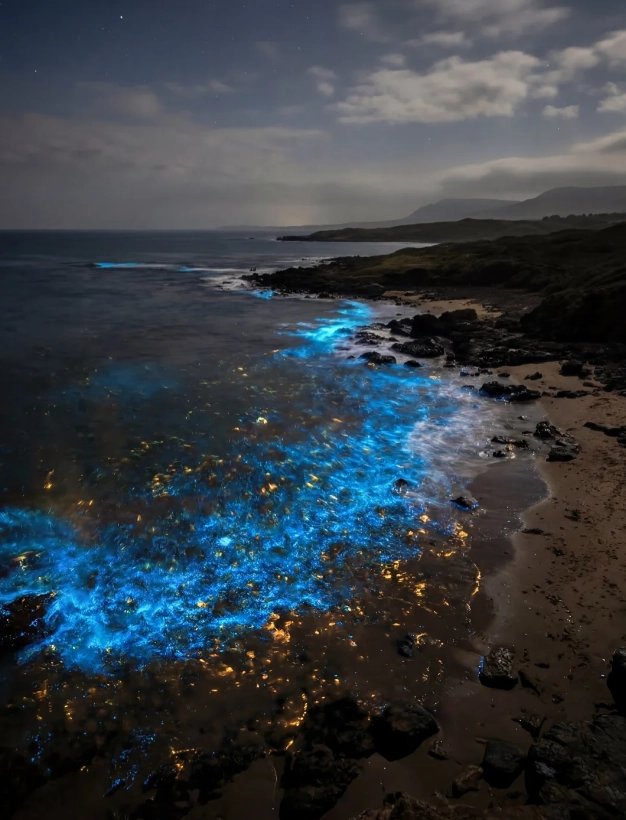
Best Time to Visit: When to Go (and When to Stay Away)
I’ve been to Pingtan in every season. Here’s the real scoop.
- April–July (blue tears season): Warm, humid, and crowded on weekends.
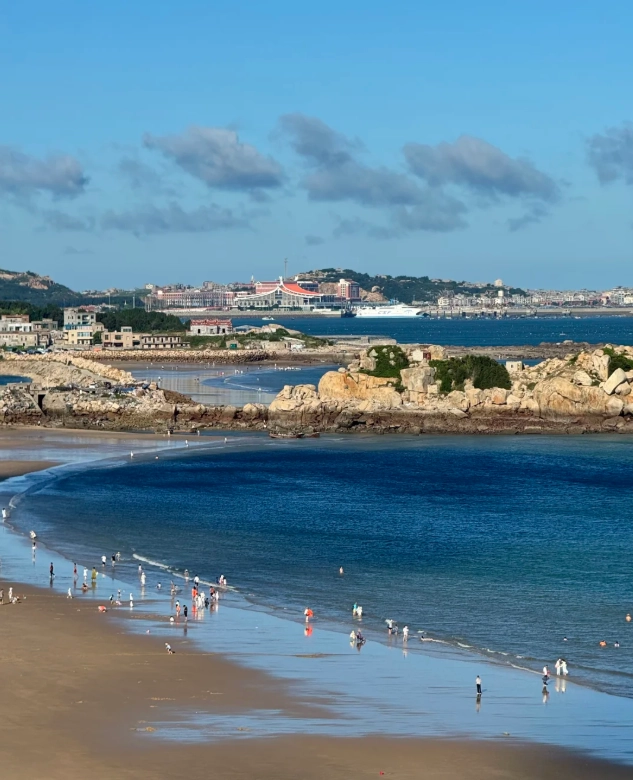
Best chance for bioluminescence, but also the highest chance of rain. Pack a rain jacket. - August–October (golden window): My personal favorite. The typhoon risk drops, the water is swimmable, and the sky is often crystal clear. Fewer tourists too—most come for blue tears only.
- November–February (quiet): You’ll have the beaches almost to yourself. But it’s cold (5–10°C), windy as hell, and many seafood restaurants close for winter. Only recommended if you’re a hardcore photographer or solitude seeker.
Pro tip from my years: If you’re after the blue tears, target mid-May to mid-June, and avoid the Chinese national holiday (May 1–5) unless you love shoulder-to-shoulder crowds. I once took a group on May 2nd—we spent 2 hours just finding parking.
Top Things to Do Beyond the Blue Tears
1. Walk Through the Stone Villages
Pingtan’s traditional houses are built from local granite—gray blocks with red wooden doors, forming narrow alleys that block the wind. The most preserved is Beigang Village (北港村) on the north coast.
Address: Beigang Village, Liushui Town, Pingtan County. Free entry.
I always take my groups there around 4pm. The afternoon light hits the stone walls and makes them glow amber. Plus, there’s a great coffee shop called Stone Drift where the owner roasts beans with a view of the sea.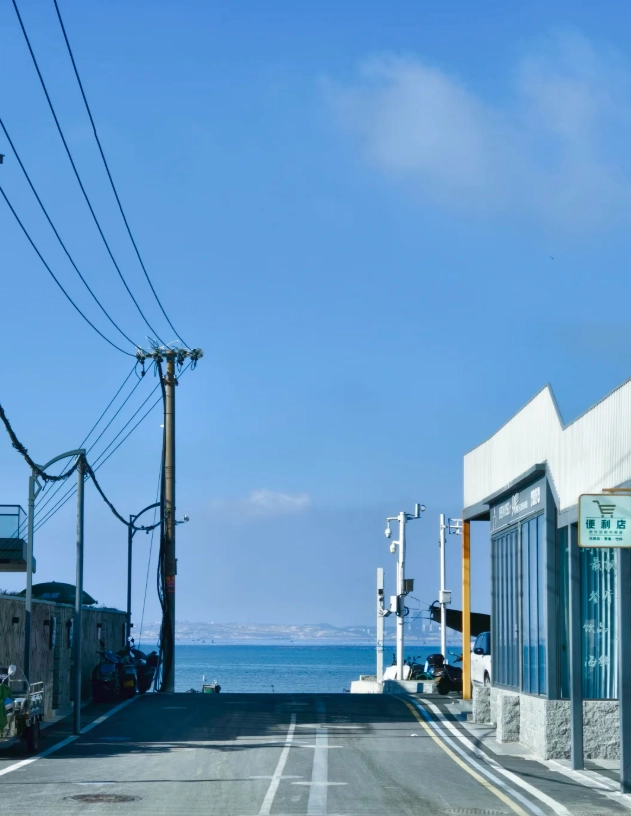
2. Cycle Along the Island’s Wind Farm Coast
Pingtan is lined with massive white wind turbines—dozens of them. The most scenic stretch is from Jianmin Village to Qingfeng Village, a 15km coastal road with constant ocean views.
Rent an e-bike and allow 2 hours (with photo stops). There’s no shade, so bring water and sunscreen. I’ve seen too many tourists with sunburned necks.
3. Chase the Sunrise at Donghai Wonderland
It’s a rocky outcrop on the eastern tip, carved by wind and waves into surreal shapes. Some look like animals, others like faces.
Address: East coast, near Aobei Village. No official street number—just set your GPS to “东海仙境.” Entry is ¥20.
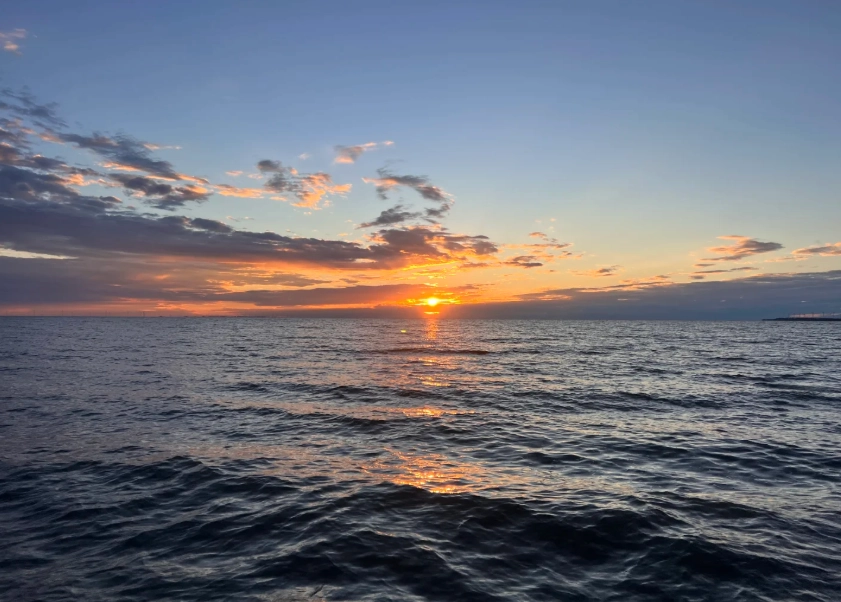
Get there by 5:30am (check sunrise time). You’ll have the place almost to yourself until 7am when tour buses roll in.
4. Eat Fresh Seafood at a Night Market
Pingtan’s fishing culture is alive and well. Head to Xiayu Night Market near the town center.
Prices are fair: a plate of grilled squid ¥25, steamed crab ¥60 for two. My favorite stall is No. 17—the auntie there makes a spicy clam soup that’s perfect on a cool evening. Note: most stalls only accept WeChat Pay or Alipay, not cash.
Cost & Practical Tips: Is It Budget-Friendly?
For a 2-day trip from Fuzhou, here’s a realistic budget breakdown based on what I’ve seen my travelers spend:
| Expense | Estimated Cost (per person) |
|---|---|
| Round-trip transport | ¥110–¥160 |
| Accommodation (1 night) | ¥150–¥400 (budget vs nice B&B) |
| E-bike rental (1 day) | ¥80 |
| Food (3 meals + snacks) | ¥100–¥150 |
| Attractions entry | ¥0–¥40 |
| Total | ¥440–¥830 ($60–$115) |
Money tip: Most local vendors don’t accept international credit cards. Install Alipay before you go—it’s accepted at 99% of places. I also keep ¥200 cash in my pocket for emergencies.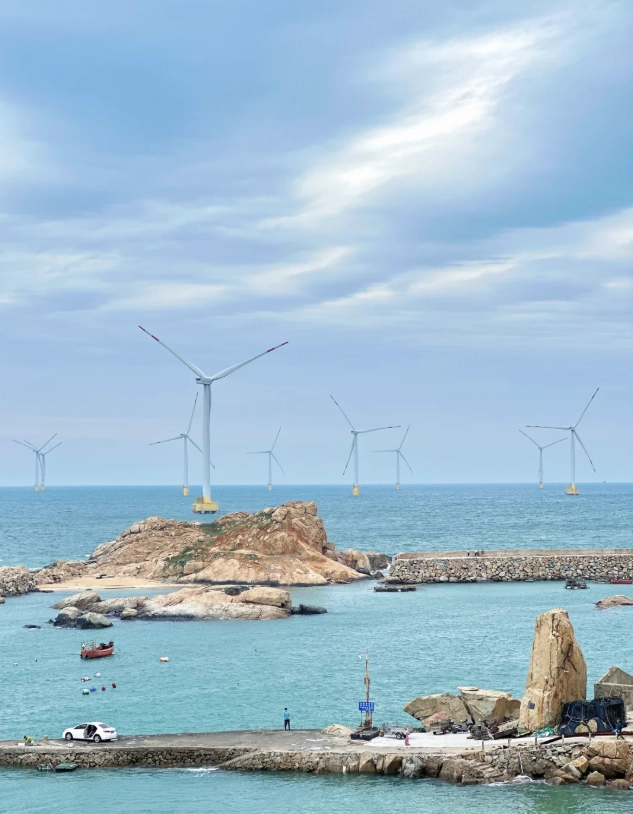





Overall a solid trip, but not mind-blowing. The Blue Tears were visible on our second night, but the first night was a total bust due to wind. The island scenery is pleasant—think rolling green hills and wind turbines. I enjoyed biking along the coastal paths. However, the infrastructure is basic: public toilets were few and dirty, and most cafes closed by 8 p.m. We stayed at a homestay that was clean but had thin walls. It's a good budget-friendly destination if you're prepared for rustic conditions. I'd give it a 4—great for what it is, but don't expect luxury.
Pingtan Island exceeded my expectations in every way. I went with a small photography group, and we spent two nights chasing the Blue Tears. Our guide took us to a secluded cove accessible only by foot, and the bioluminescence was so bright it looked like liquid diamonds. Beyond the glow, I loved the laid-back vibe—the locals were super friendly, and I even joined a fisherman’s family for a home-cooked dinner. The island has a certain raw charm that you just don't get in more commercialized spots. Would go back in a heartbeat.
I visited Pingtan during the May Day holiday, and honestly I felt the Blue Tears hype is a bit overblown. We waited for hours on a beach packed with people, and the glow was pretty faint—maybe because it was a cloudy night. The island itself is okay, but most attractions felt underdeveloped. There aren't many decent restaurants, and the English signage is almost nonexistent. If you're a hardcore nature lover or photographer with flexible dates, it might still be worth a shot. But for a casual traveler, I'd say temper your expectations. We left feeling 'meh' overall.
Pingtan Island is a hidden gem. I rented a scooter and explored the northern coastline, which has stunning sea views and dramatic rock formations. The local seafood was incredibly fresh and cheap. I had a bowl of mussel soup at a tiny roadside stall for less than $5. The Blue Tears were visible from the beach near my guesthouse, though not as intense as some videos show—still, watching the waves sparkle at midnight was unforgettable. The only downside was that some of the roads were poorly lit, but that added to the adventure. Highly recommend for anyone seeking an off-the-beaten-path coastal escape.
I went specifically for the Blue Tears and was blown away. We booked a late-night boat tour with a local guide who knew exactly when and where the bioluminescence would be at its peak. The water literally glowed like neon stars every time we dipped our hands in. It felt magical, like something out of a sci-fi movie. The island itself is also gorgeous—rugged cliffs, quiet fishing villages, and way fewer tourists than I expected. If you time it right (April–May is prime), it's absolutely worth the trip. One of the most unique travel experiences I've ever had!