 Fang Wang
What's Inside This Guide
I've been guiding tours around Fujian for over a decade, and every time a client asks me “Is Drum Mountain worth visiting?” I give the same answer: it depends on what you're looking for. If you want a quick escape from Fuzhou's hustle with a mix of nature, Buddhist culture, and a killer view of the Min River – yes, absolutely. But if you're expecting a remote wilderness experience, you might be disappointed. Let me walk you through what it's really like.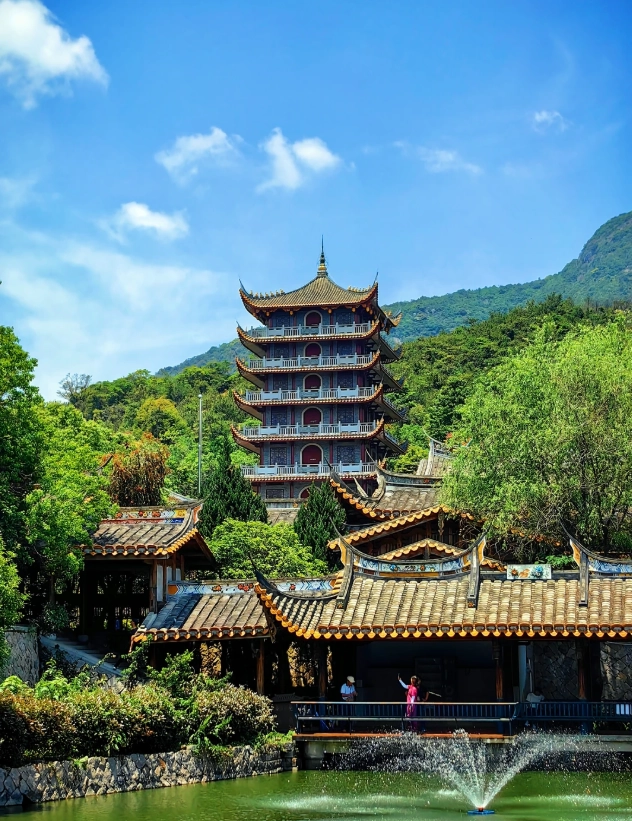
Quick Overview: Is Drum Mountain Worth It?
Short answer: Yes, for most travelers. Drum Mountain (Gushan) is one of the most accessible natural attractions near downtown Fuzhou. You can be at the base in 30 minutes by taxi. The cable car ride alone is worth the trip – you get a sweeping panorama of the city, the river, and the hills. At the top, you'll find Yongquan Temple, a living monastery with over a thousand years of history. The hiking trails are well-maintained but can get crowded on weekends.
What surprised me on my first visit: the sheer number of tea houses and snack stalls near the temple. It's not exactly a “wild” mountain. But if you want to breathe fresh air, stretch your legs, and soak in some culture without going far from the city, Drum Mountain delivers.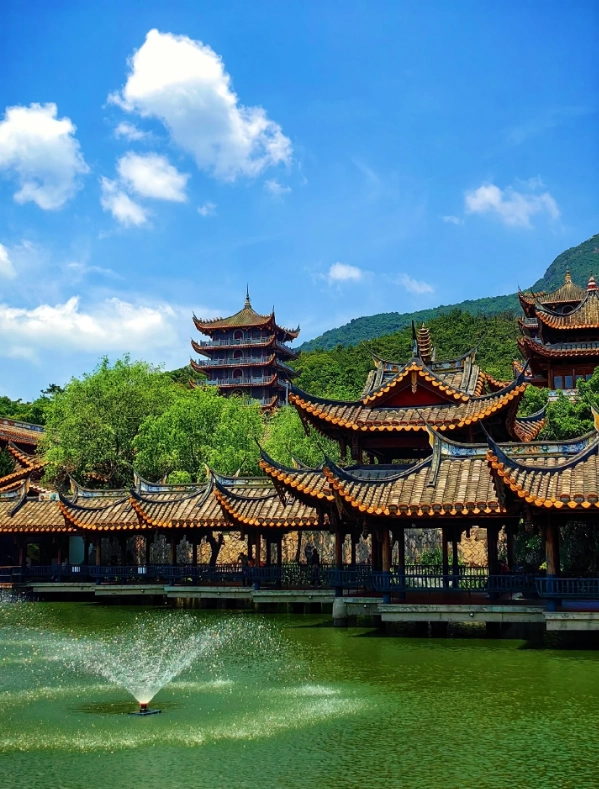
How to Get to Drum Mountain
By Taxi or Ride-Hailing
From downtown Fuzhou (e.g., Sanfang Qixiang area), a taxi to the Drum Mountain scenic area entrance costs around 40-60 CNY (about 6-8 USD) and takes 30-40 minutes. Use Didi or Alipay's ride-hailing – drivers know “Gushan” or “Drum Mountain.” Ask them to drop you at the lower cable car station if you plan to take the cable car up.
By Public Bus
Bus 7 from the city center (e.g., Wuyi Square) goes directly to the mountain base. The ride is bumpy and takes about 50 minutes. Get off at “Gushan” stop. Then you can either hike up (45-60 minutes) or walk to the cable car station (5 minutes).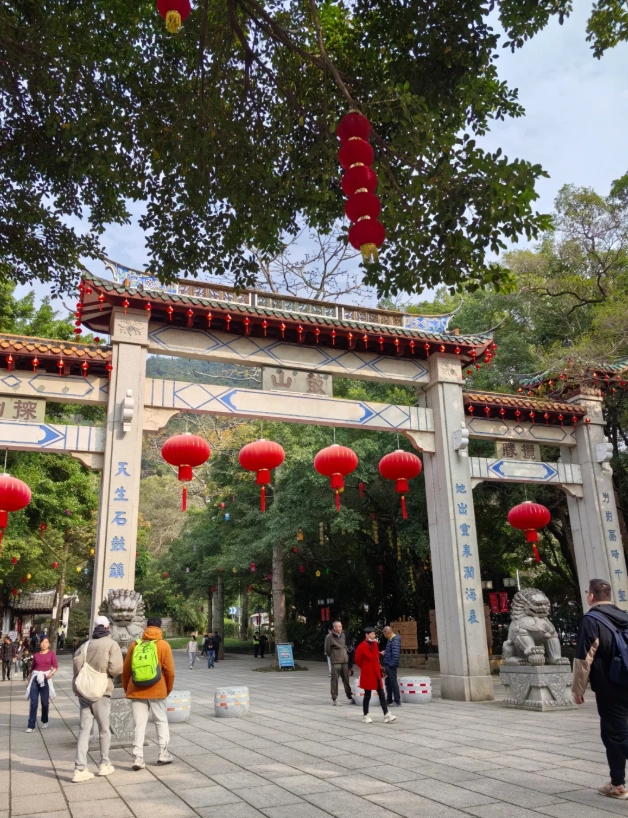
By Subway + Shuttle
Fuzhou Metro Line 2 now reaches “Gushan” station. Exit from Exit A, and you'll see shuttle buses to the scenic area (5 CNY, every 15 minutes). The shuttle drops you at the lower cable car station. Total subway time from the city center is about 25 minutes.
Best Time to Visit Drum Mountain
Drum Mountain is a year-round destination, but the experience changes dramatically with the season.
| Season | Pros | Cons | My Recommendation |
|---|---|---|---|
| Spring (March-May) | Flowers in bloom, pleasant temps | Occasional rain, crowds on Qingming | Best for photography; bring an umbrella |
| Summer (June-August) | Green canopy, cooler at the top | Humid, thunderstorms in afternoon | Go early (7-8 AM) and bring water |
| Autumn (September-November) | Clear skies, comfortable hiking | Pretty busy on weekends | My personal favorite – perfect for hiking |
| Winter (December-February) | Fewer tourists, crisp air | Cold, sometimes foggy | Great for solitude; wear layers |
I always tell my groups: weekdays are far better than weekends. If you can only go on a Saturday, plan to arrive before 8 AM to beat both the crowd and the heat. The cable car queues after 10 AM can easily be 45 minutes long. The mountain opens at 6:00 AM, and the temples open around 7:30.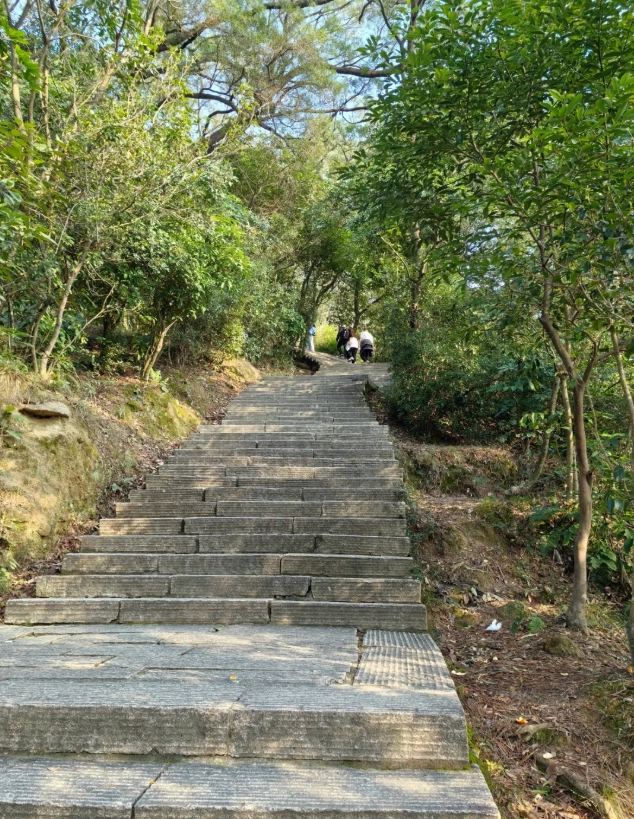
What to See on Drum Mountain
Yongquan Temple
This is the crown jewel. Founded in 908 AD, the temple sits nestled in the mountain's saddle. You'll walk through halls with enormous Buddha statues, ancient banyan trees, and – if you're lucky – hear monks chanting. The architecture is classic Ming-Qing style. Entry is included in the mountain ticket (no extra charge).
One thing few guides mention: the temple's tea house on the left side of the main courtyard. For 20-30 CNY you can sip jasmine tea while watching incense smoke curl up into the bamboo grove. It's one of the most serene spots I know in Fuzhou.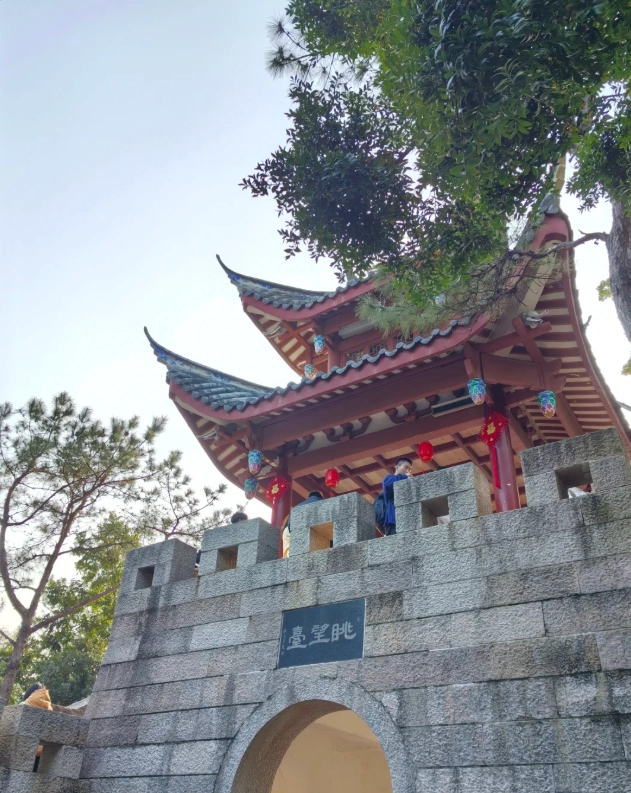
The Stone Carvings
Scattered along the hiking trails are over 500 stone inscriptions – poems and calligraphy by scholars and officials from the Tang dynasty to the Republic era. Most are in classical Chinese, but even if you can't read them, the artistry is impressive. Look for the huge character “寿” (longevity) near the mid-mountain pavilion.
Viewing Platforms
There are two main viewpoints: Pavilion for Viewing the Min (near the temple) and Sunrise Peak (about 20 minutes further up). On a clear day, you can see the Min River snaking through Fuzhou. I once brought a couple from Texas up here at sunset – they were speechless. The sky turned orange behind the city skyline.
Cable Car Ride
Even if you hike up, I recommend taking the cable car down at least once. The round trip ticket is 70 CNY. The 15-minute ride gives you a bird's-eye view of the forest canopy. If you're afraid of heights, the cabins are enclosed and stable.
Hiking Trails: Which One to Choose?
There are three main ways to ascend Drum Mountain. Here's how they compare:
- Main Stone Stairway – Starts behind the lower cable car station. 1.5 km, about 45 minutes up, with many carved steps. It's shaded, dotted with teahouses, and has restrooms about every 15 minutes. This is what most hikers take.
- Bamboo Forest Trail – A less crowded alternative that branches off the main path about 10 minutes up. It's slightly longer (2 km) but gentler in slope. You'll pass through quiet bamboo groves. I often send my groups this way to avoid the weekend crowds.
- Western Ridge Path – Starts from the western parking lot. It's the longest (3 km, ~1.5 hours), but rewards you with fewer people and more natural scenery. It connects to the temple area from the back. I recommend this only for fit hikers who want solitude.
Which to pick? If you're a first-timer or with family, take the cable car up and walk down via the main stairway. If you're an avid hiker, go up the Bamboo Forest Trail and return via the Western Ridge Path.
Tips for a Smooth Visit
Ticket info: The scenic area admission is 40 CNY for adults. Children under 1.2m and seniors over 65 (with ID) can get free entry. Cable car is extra: 70 CNY round trip (check the official “鼓山风景区” WeChat mini-program for real-time prices; they sometimes run promotions). Purchase tickets online via the mini-program to skip the queue.
Other practical pointers from my years of guiding:
- Bring cash – some tea stalls on the trail don't accept digital payments. Mobile signal is generally good (China Unicom/Telecom), but have some small bills just in case.
- Wear proper shoes – the stone steps can be slippery after rain. I've seen tourists in sandals struggling. Sneakers with good grip are fine.
- Start early – aim to be at the mountain base by 7:30 AM. That gives you time to enjoy the temple before the tour groups arrive around 10.
- Beware of monkeys – there's a troop of macaques near the temple. They're used to humans and can grab food from your hands. Keep your snacks in your bag.
- Toilets – there are clean public toilets at the cable car station, temple area, and along the main trail. The one near the temple's back gate is usually the least crowded.
And one more thing: the food at the top is overpriced and mediocre. Noodle bowls run 25-30 CNY, which is double the city price. I always tell my guests to grab a casual breakfast at a local shop before heading up, then have a proper lunch back in town. But if you forget, the vegetarian noodle soup at the temple's canteen (11:30-13:00) is decent and cheaper.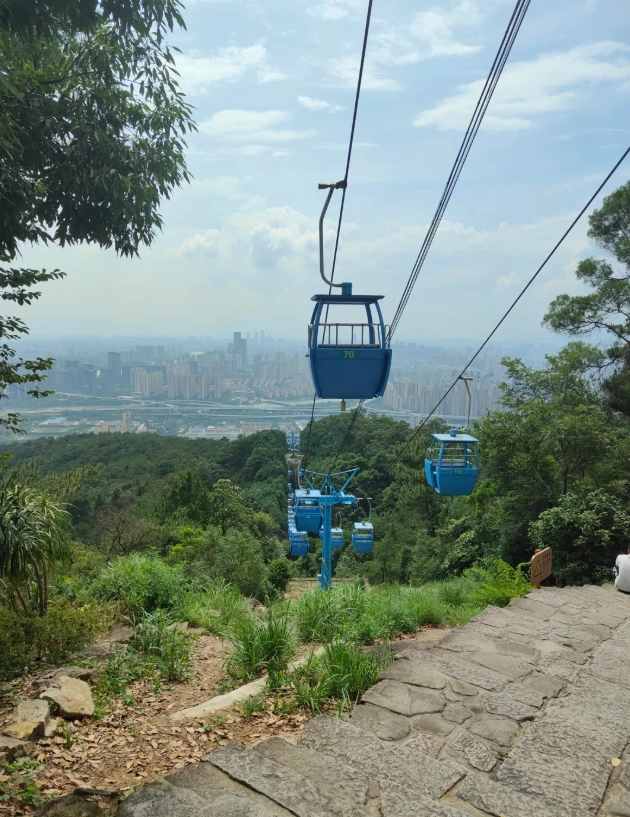







Took my parents here during their visit and everyone loved it. The cable car was smooth and gave great views, and the temple grounds are beautifully maintained. We spent a good two hours just wandering around the pagodas and gardens. The only downside was the restroom near the parking lot — not the cleanest. But for a half‑day trip from Fuzhou, it’s totally worth it.
One of the best urban hikes I’ve done in China. The climb is tough but the breeze at the top is incredible, and seeing the whole city sprawl out below feels magical at sunset. The ancient stone inscriptions along the path are a nice touch — makes you feel connected to centuries of pilgrims. Bring water and a snack, there aren’t many stalls once you’re on the trail.
Honestly, I was a bit let down. Maybe I hyped it up too much from the photos online. The mountain itself is nice, but the constant hawkers selling cheap trinkets near the entrance really killed the vibe. Also paid 40 RMB for the cable car which felt steep for a 10‑minute ride. The temple is worth a quick look, but I wouldn’t go out of my way again.
Second time visiting and still impressed. The cable car saves your legs, but walking down gives you a chance to see the calligraphy carvings on the rocks. The vegetarian noodles at the temple are surprisingly good — simple and flavorful. Only knock is the weekend crowds can make the path feel like a highway. Come early on a weekday if you can.
If you're up for a solid hike with rewarding views, Drum Mountain delivers. The stone steps can be a bit punishing after rain (slippery!) but the summit overlook of Fuzhou is stunning on a clear day. The temple complex up top is peaceful, though I wish they had more English signage to explain the history. Overall a great outdoor escape from the city.