.jpeg) Mike Sun
Mike Sun
What's Inside This Guide
I’ll never forget the first time I stepped into Three Lanes and Seven Alleys (Sanfang Qixiang) with a group of tourists from Texas. It was a scorching July afternoon, and they were ready to bail after ten minutes. “Too many people,” one said. “Where’s the real Fuzhou?” That’s when I realized most visitors miss the point entirely. This isn’t a museum—it’s a living, breathing neighborhood. And if you know exactly when and where to go, you can have it almost to yourself. Let me show you how.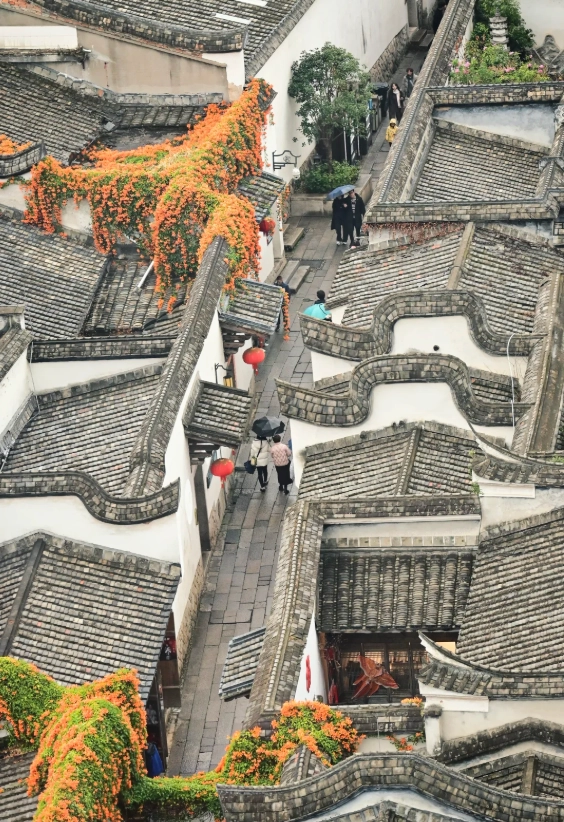
Why You Should Care
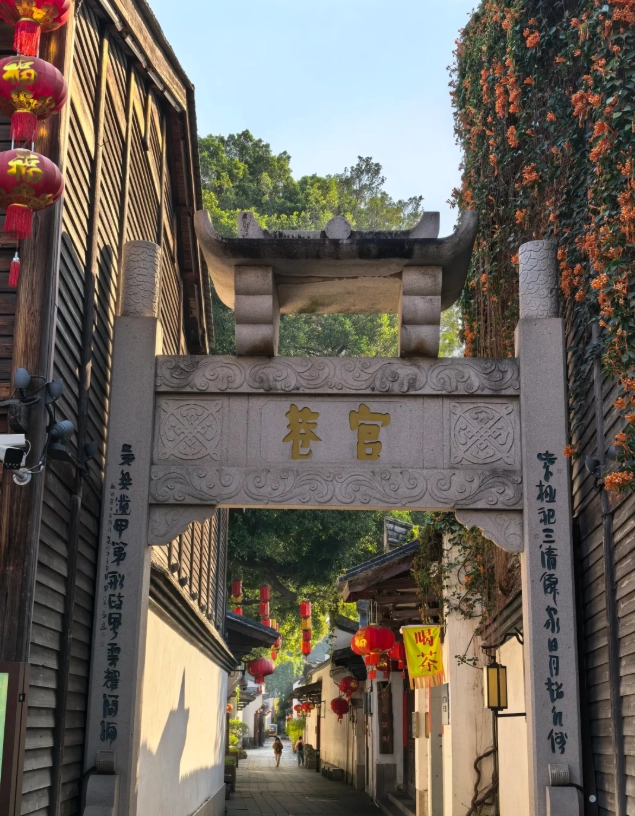
Three Lanes and Seven Alleys is not just another “old town” with souvenir shops. It’s a 1,100-year-old urban layout that survived dynasties, wars, and modernization. The Ming and Qing dynasty architecture here is concentrated in a grid of three north-south lanes (Yi Jin Fang, Wen Ru Fang, Guang Lu Fang) and seven east-west alleys (Yang Qiao Alley, Lang Guan Alley, Ta Xiang Alley, Huang Xiang Alley, An Min Alley, Gong Alley, Ji Pi Alley). Each alley has its own character, but the real magic happens when you step into a hidden courtyard or chat with a local tea seller.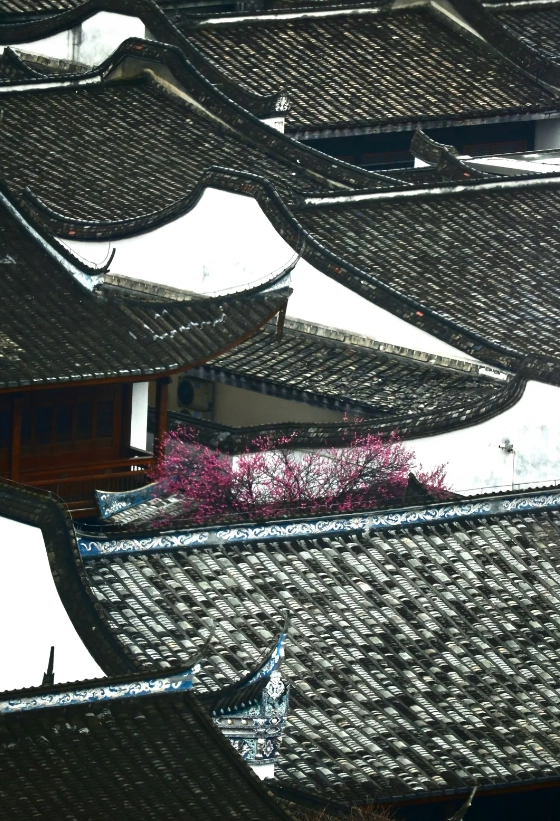
Best Time to Visit
I’ve been here in every season, and here’s the honest truth: weekday mornings between 8:30 AM and 10:30 AM are golden. The tour groups haven’t arrived yet, the shops are just opening, and the light is soft for photos. Avoid weekends and public holidays unless you enjoy shuffle-walking. After 4 PM, the crowds thin again, but you’ll lose the good light by 5 PM in winter.
Summer (June–September) is brutal—heat index often hits 40°C (104°F). I once had a client faint from heatstroke on Nanhou Street. Stick to spring (March–May) or autumn (October–November). Rain is common in May and June; bring an umbrella and waterproof shoes—the stone alleys get slippery.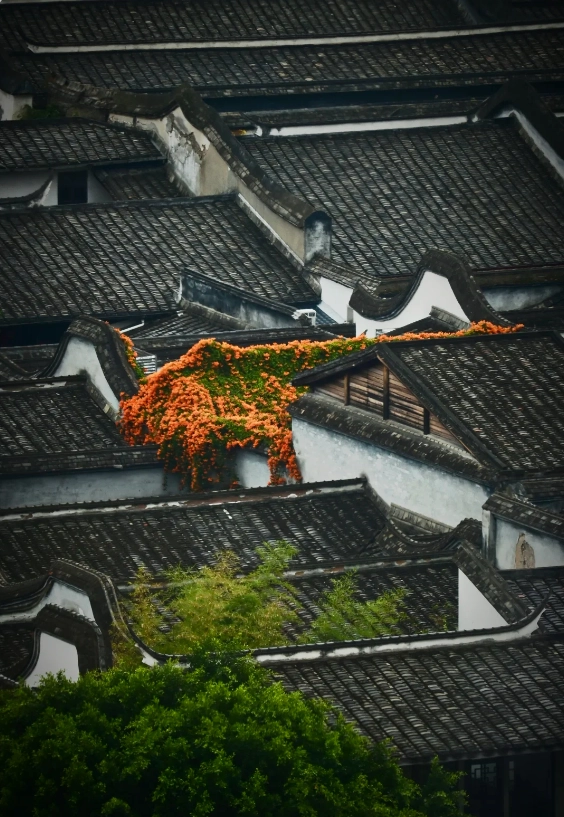
How to Get There
Take Metro Line 1 to Dongjiekou Station. Exit at Gate C—you’ll smell roasted chestnuts from a street vendor before you see the alley entrance. Walk straight for about 200 meters, and you’re at the south end of Nanhou Street (the main spine). If you’re coming from Fuzhou South Railway Station (high-speed trains), it’s 40 minutes on the metro. From the airport, either take the Airport Express bus to the city center (about 1 hour) and then a 10-minute taxi ride, or just hail a Didi (around 150 RMB). Pro tip: Don’t get off at the wrong exit—Gate B puts you at a shopping mall, not the alleys.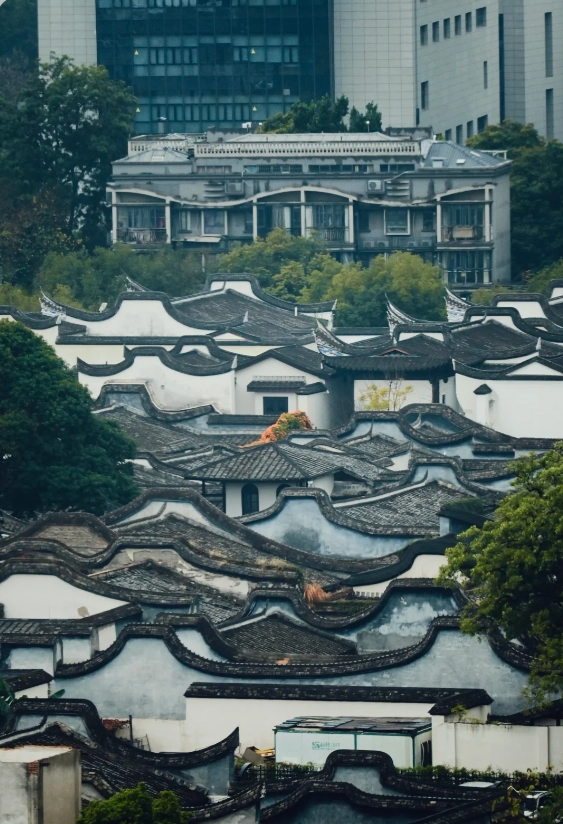
| Transport | Details | Cost |
|---|---|---|
| Metro Line 1 | Dongjiekou Station, Exit C | 3–6 RMB |
| Taxi from city center | 5–10 minutes ride | 12–18 RMB |
| Didi from airport | Around 50 minutes, traffic dependent | 140–180 RMB |
What to See and Do
The Lanes and Alleys Themselves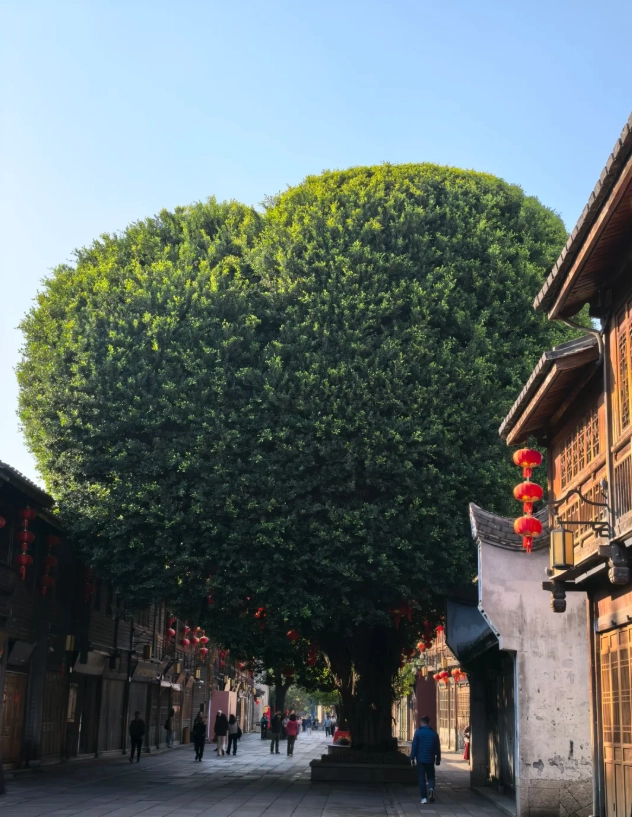
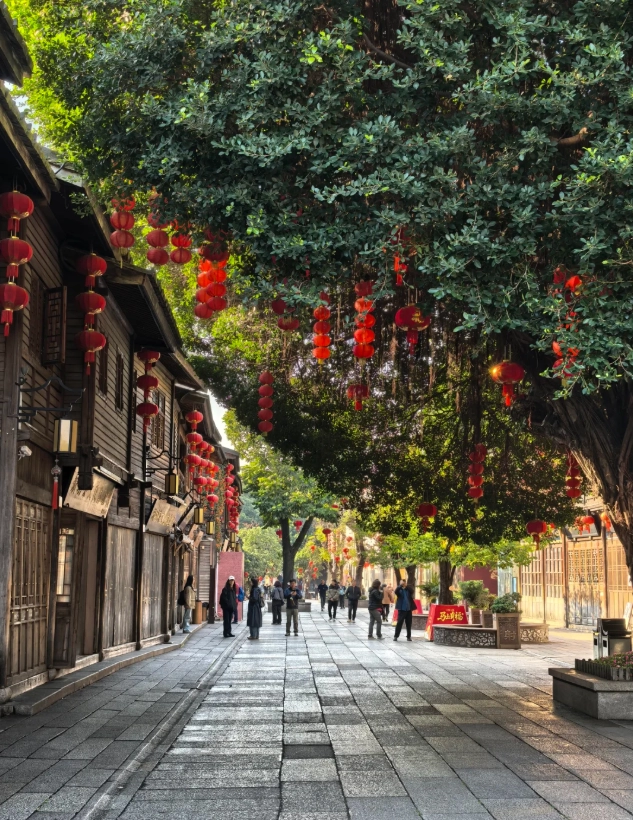
Start at Nanhou Street, the main drag. It’s touristy, but don’t skip it—the restored facades give you context. Then duck into Wen Ru Fang (the second lane from the west). This is my favorite because it has a tiny museum dedicated to Lin Zexu (the hero of the Opium Wars), housed in his former residence. The courtyard is quieter than most, and the camphor tree there is over 200 years old. Lang Guan Alley is where the Fuzhou locals hang out—you’ll see old men playing Chinese chess under a banyan tree.
Must-Visit Spots
- Lin Zexu Memorial Hall (Wen Ru Fang) – Free entry, open 8:30–17:00, closed Mondays. Allow 30 minutes.
- Former Residence of Bing Xin (Yang Qiao Alley) – A charming courtyard with exhibits about the famous writer. 20 RMB, open 9:00–17:00.
- Fuzhou Museum of Modern History (Guang Lu Fang) – Great for understanding the city’s role in the Opium Wars. Free, but requires WeChat mini-program reservation (search “福建博物院” and follow steps; the guard can help if you show passport).
Where to Eat
Skip the restaurants on Nanhou Street—they’re overpriced and mediocre. Instead, walk five minutes east to Da Li Xia Road, where locals eat. My go-to place is Lao Fuzhou Yu Wan at 138 Da Li Xia Road. The fish balls (yu wan) are handmade, with a pork filling that bursts when you bite. A bowl costs 15 RMB. Pro tip: Add a dash of white pepper and vinegar. If you’re vegetarian, try the Buddha Jumps Over the Wall instant noodles at the convenience store (just kidding—but Fuzhou cuisine is heavy on seafood and pork).
For a sit-down meal, Zhuang Yuan Lou on Nanhou Street #88 is decent, but expect to queue 20 minutes at peak hours. They have an English picture menu. Their “drunken crab” is wild—fermented in rice wine for days. Not for the faint-hearted, but unforgettable.
Money and Tickets
Walking the alleys is free. Only a few buildings charge entry (10–30 RMB). Bring cash for small vendors—many don’t accept cards, and WeChat Pay/Alipay are the norm. I always tell my groups: pre-load your Alipay wallet before coming. If you only have a foreign card, use the ATM at the Bank of China near Dongjiekou Station. For free-entry spots like Lin Zexu Memorial Hall, you might need to scan a QR code to register. I always say, “If in doubt, flash your passport at the entrance—they usually let you in.”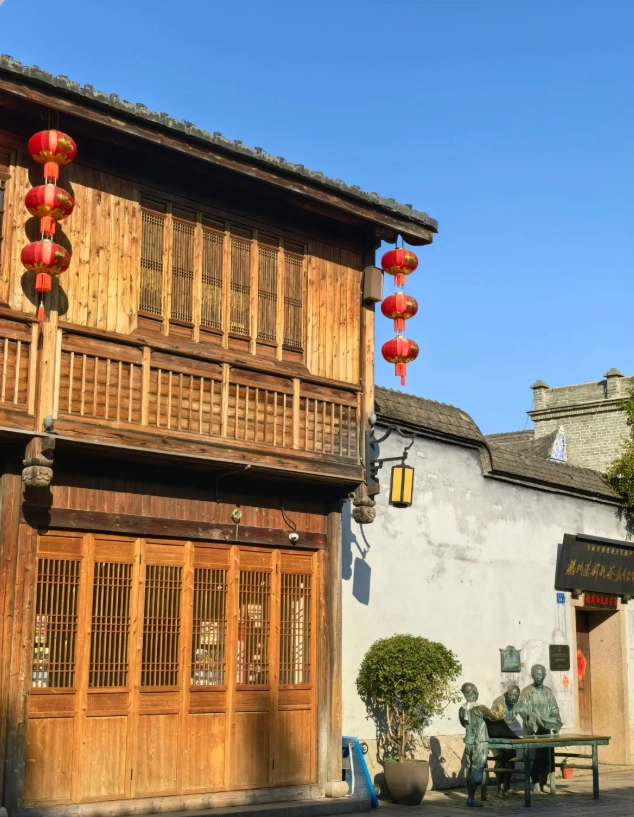
Insider Tips
- Photo spots: Head to the roof of the Fuzhou City Wall Museum (on Nanhou Street, near the north end) for a panoramic view of black-tiled rooftops. Best light is 4–5 PM in autumn.
- Bathroom strategy: Public toilets are at the north and south ends of Nanhou Street. The one near the south entrance is cleaner. Skip the one in the middle—it’s always crowded.
- Hidden courtyard: On Gong Alley, a small door labeled “Private” is actually a semi-public tea house. Knock gently, and the owner (an old lady who speaks a little English) might invite you in for a free cup of jasmine tea. Don’t overstay your welcome.
- Evening vibe: After 8 PM, the alleys are nearly empty and lit with red lanterns. It’s romantic but quiet—perfect for a stroll after a hotpot dinner.
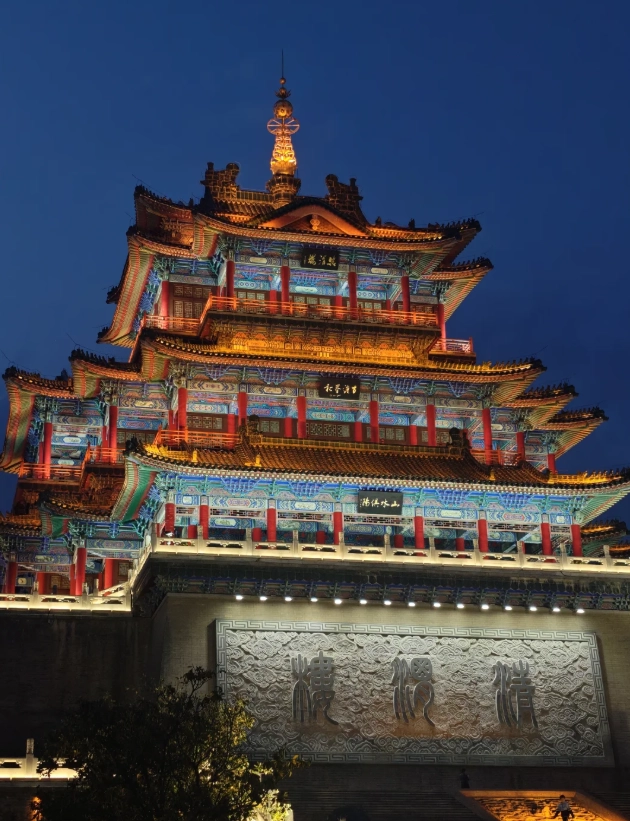
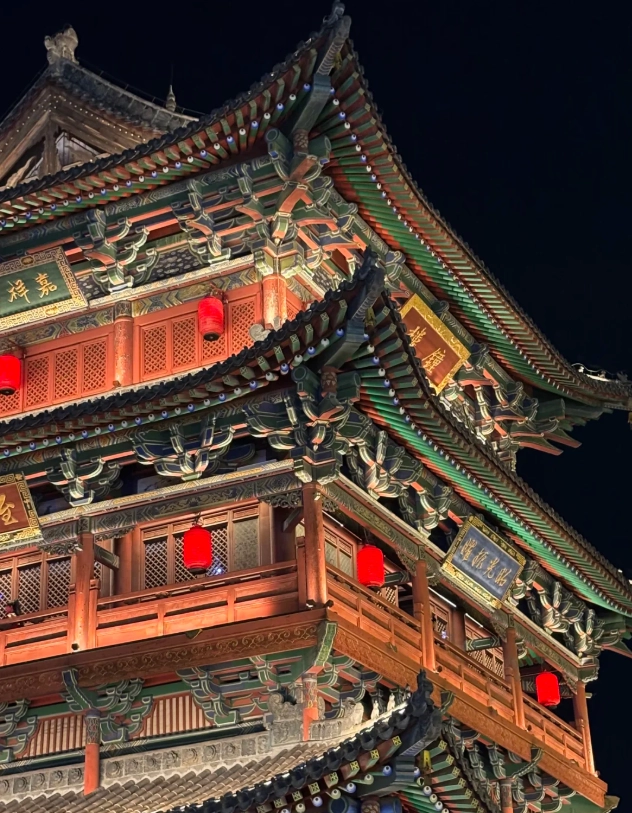





As a solo traveler who hates tourist traps, this was a lifesaver. The insider tip about visiting the side alleys during lunch hour when everyone else eats worked perfectly. I found a quiet teahouse tucked away and spent an hour just soaking in the atmosphere. No crowds, no stress. Worth every penny.
If you want to actually enjoy Three Lanes and Seven Alleys without feeling like a sardine, follow this advice to the letter. The recommended time (right at opening) left us with empty streets for photos, and the hidden garden they pointed out was a serene oasis. My kids even loved it. 100% recommend.
This was a game-changer! Used the suggested route that avoids the main drag and we had entire lanes almost to ourselves at 7am. The morning light filtering through the old trees and the quiet sound of shopkeepers opening up was magical. Best decision ever—definitely skip the midday chaos!
Not bad! The insider advice on entering from the east side to avoid the main tourist entrance actually saved us about 20 minutes of queuing. The snack spots they recommended were legit—loved the fish balls. Just wish the map had more detail on the lesser-known courtyards. Decent guide for the price.
Honestly, the tips were okay but nothing groundbreaking. We followed the early morning suggestion and it was still pretty packed by 9am. Maybe I expected too much? The alley with the banyan trees was nice, but the crowds made it hard to enjoy. A bit overhyped for what it is.