 Tao Xu
What's Inside?
The first thing that hits you when you step into Three Lanes and Seven Alleys isn't the architecture. It's the smell. Roasted chestnuts from a street cart, mixed with the damp stone of old walls and the faint perfume of jasmine tea drifting from a courtyard. That smell tells you: this is not a museum. People still live here, cook here, argue here. I've been bringing groups here for over seven years, and every time I walk down Nanhou Street, I notice something I missed before.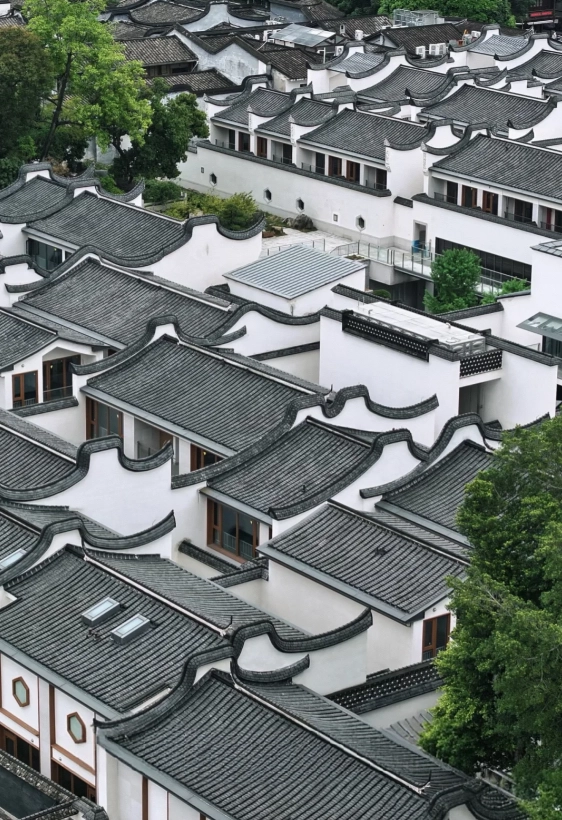
Let's get one thing straight: most tourists rush through the main lane, snap a few photos of the identical-looking grey brick houses, and leave saying "it's just another old street." That's a waste. The real magic is in the details—the carved window frames, the hidden gardens, the stories behind each door. This guide will show you exactly how to experience it like a local.
First Glance: Smell the History
Three Lanes and Seven Alleys (Sān Fāng Qī Xiàng) dates back to the Jin Dynasty, but the current layout is mostly Ming and Qing. The area covers about 40 hectares, with three north-south lanes (Yijin, Wenru, Guanglu) and seven east-west alleys (Yangqiao, Langguan, Ta, Huang, Anmin, Gong, Jibi). Sounds confusing? It is. But you only need to focus on a few.
Pro tip from a guide: Don't even try to cover all ten alleys. You'll burn out and your feet will hate you. Instead, pick two lanes and three alleys. I'll tell you which ones below.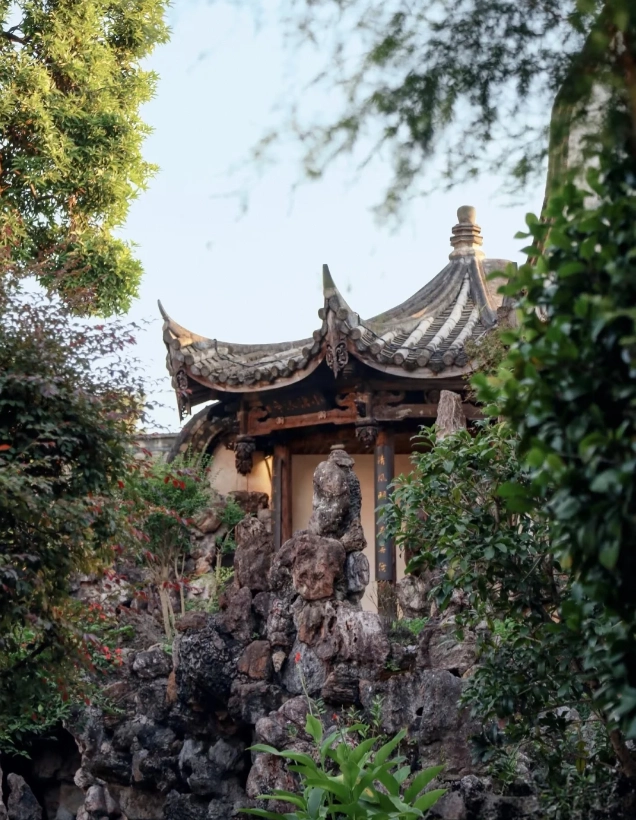
The Layout Decoded – Which Lane to Pick?
Here's the thing: Nanhou Street is the main spine. It's commercial, crowded, lined with souvenir shops and chain tea stores. Locals avoid it. But you have to walk through it to get to the good stuff.
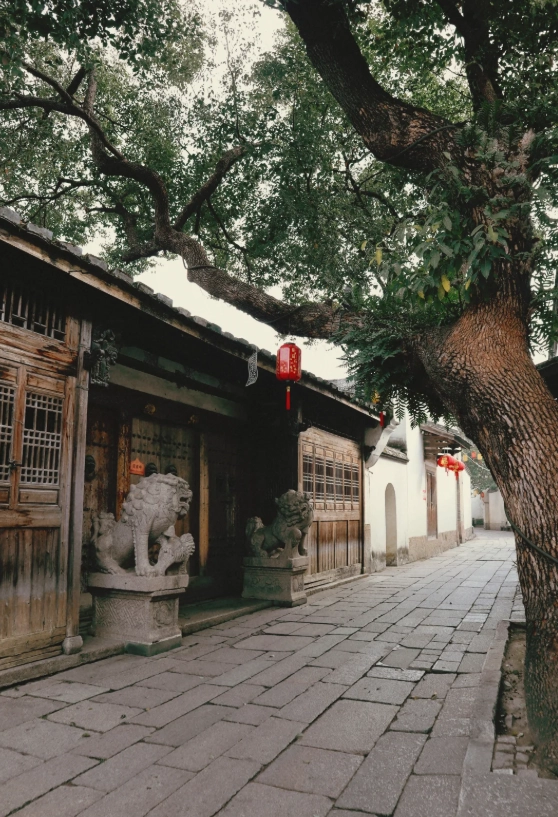
My go-to route: Start at the north end, near the Yangqiao Road entrance. From there, cut into Yijin Lane (the westernmost lane). It's quieter, with a few restored residences that actually let you peek inside. Then snake through Langguan Alley—narrow, with a canopy of old banyan trees. Finally, end up in Anmin Alley, where the best traditional snacks hide.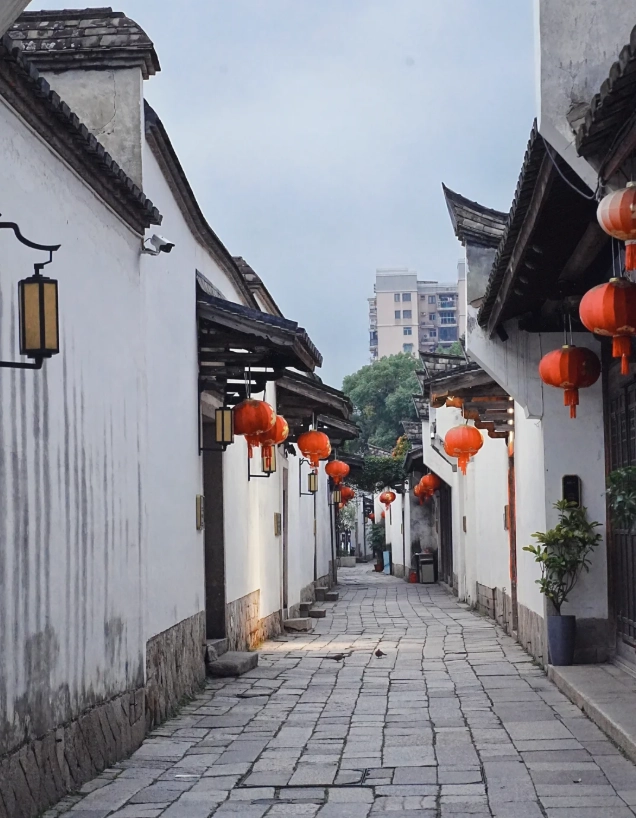
Must-See Spots (and Which Ones to Skip)
| Attraction | Why Go | Skip It If |
|---|---|---|
| Lin Zexu Memorial | Well-curated museum about the Opium War hero. Good air-con in summer. | You're short on time – it's 45 min minimum. |
| Bing Xin's Former Residence | Lovely little courtyard with a well. Free and often empty. | Not interested in modern Chinese literature. |
| Lijian Mansion | A grand Qing official's home with intricate woodcarvings. | You hate climbing stairs – no elevator. |
| Fuzhou Folk Museum | Cheap (around 10 RMB) and has cool wedding sedan chairs. | Narrow staircases, not wheelchair friendly. |
My personal favorite: The Shuixie Stage in Wenru Lane. It's a small opera stage over a pond. Nobody ever goes there. I once sat there for 15 minutes listening to an old man practice erhu. It felt like the Qing dynasty was still around.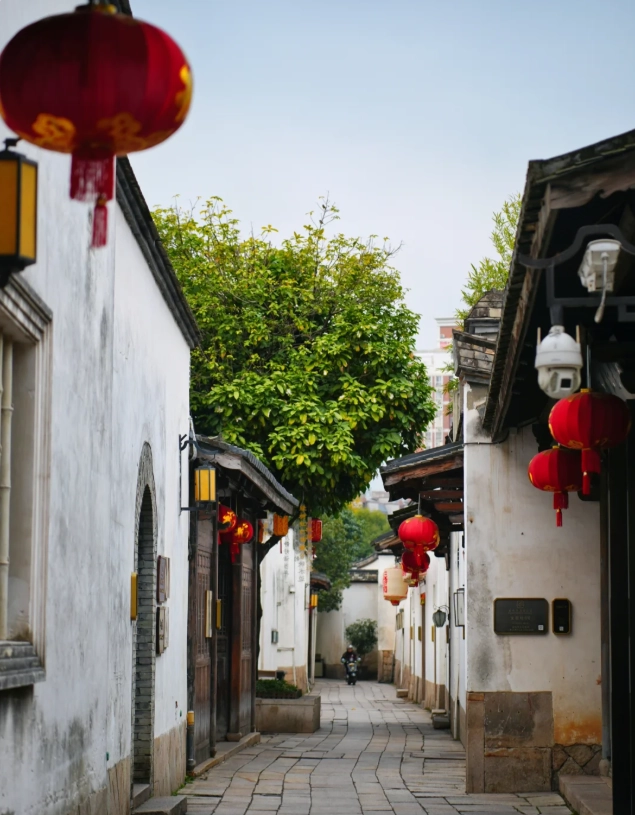
Where to Eat: Snacks, Meals, and a Warning
Food is the real reason I bring people here. But don't fall into the trap of eating at the fancy restaurants on Nanhou Street – they're pricey and the quality is hit or miss. Go to the alleys.
Must-try snacks:
- Guo Bian Hu – rice noodle soup with clams. Look for a small stall near the south end of Anmin Alley. Around 8 RMB per bowl. I always tell my groups: "The slimier the noodle, the better."
- Rou Yan – fish-wrapped pork dumplings. The best ones are from Lao Fuzhou Rouyan on Jibi Alley. 15 RMB for a small bowl. They use real fish paste, not surimi.
- Pian Er Hu – a thick fish soup. One lady near Huang Alley has been making it for 30 years. She only sells from 4pm to 6pm. Miss it, and you're out of luck.
A heads-up on payment: Most street vendors only accept WeChat Pay or Alipay. Cash is hard to break. If you don't have Chinese mobile payment, ask a local to help you or hit an ATM first and buy something at a 7-Eleven to get small change.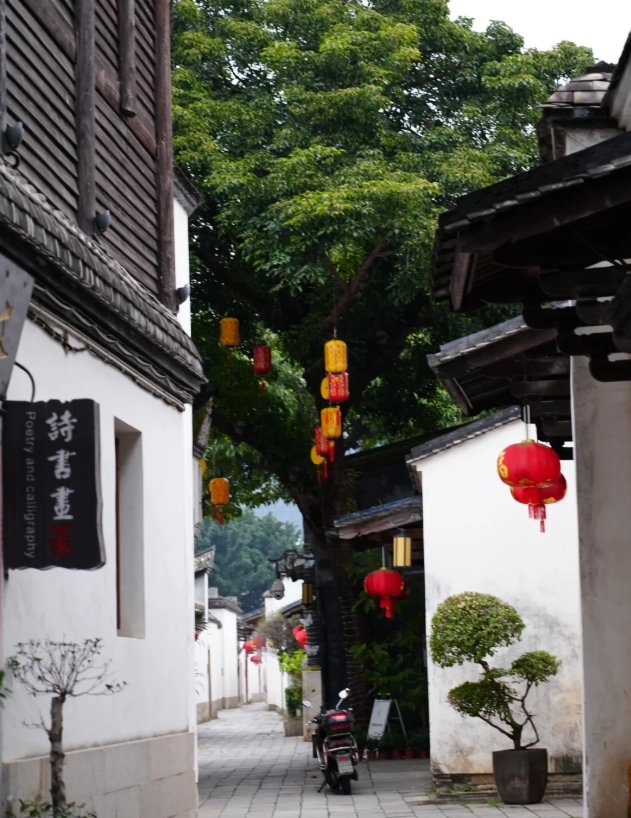
Practical Tips: Tickets, Transport, Timing
Getting There
Take Metro Line 1 to Dongjiekou Station, Exit B. Walk east for 5 minutes and you'll see the entrance arch. If you're coming from the train station (Fuzhou South), it's a 30-minute ride. From the airport, take the airport bus to Apm Hotel and then a 10-minute taxi – costs about 20 RMB.
Opening Hours and Tickets
The lanes themselves are open 24/7 and free to walk. Individual historic houses open around 8:30am and close at 5pm (some close on Mondays). Tickets for those range from 10 to 30 RMB. But prices fluctuate slightly depending on the season, so I recommend pulling up WeChat to scan their official mini-program right before you Uber over.
Best Time to Go
Golden hours: 4pm to 6pm. The light slants through the lattice windows and the crowds thin out. Weekdays are best – weekends are a madhouse. Avoid Chinese public holidays at all costs unless you enjoy elbowing through selfie sticks.
Secret Courtyards Most Tourists Miss
Most visitors stick to the main lane. Here are three places where you can literally have a courtyard to yourself:
- The Well Courtyard – Near the north end of Guanglu Lane. There's a tiny, unmarked gate behind a bamboo grove. Push it open. You'll see a moss-covered well and a stone table. No signs, no ticket booth. It's someone's backyard, but they don't mind if you take a quiet look.
- The Music Corner – In Langguan Alley, listen for the sound of mahjong. Follow it to a second-floor balcony that's open to the public. Most people never look up. You can watch old ladies playing and catch a nice breeze. No photos, though – they'll yell at you.
- The Rooftop View – Head to the Fuzhou Folk Museum. On the third floor, there's a balcony that overlooks the entire alley network. Hardly anyone goes up there because the stairs are narrow. Totally worth the climb.
FAQ – Real Questions from Travelers
Verified and fact-checked by the editorial team.





Went during Golden Week—huge mistake if you stick to the main street. But the hidden courtyards are real sanctuaries. We found one with a small pond and koi fish, completely empty except for us. It felt like stepping into a different century. If you can handle a bit of navigation frustration (some alleys are dead ends), it’s totally worth it.
Absolutely loved this approach! The guidebook says to skip the main lanes, and they’re right. I spent hours exploring the less-traveled alleys behind the tourist shops. Found a courtyard with a tiny tea house run by an old couple. They didn’t speak English but we had a wonderful time with gestures and smiles. Pure magic. Will come back.
I’ve been to many ancient streets in China, and this one stands out for its quiet corners. If you just follow the main lane you’ll miss the magic. We stumbled upon a courtyard with a resident calligrapher—he let us try writing with his brush. That made the trip. Only downside: some alleys were closed for renovation. Still, a solid 4 stars.
This place is beautiful but honestly overhyped in the central area. The hidden courtyards? You really have to hunt for them. We found one that was locked, another that was turned into a souvenir shop. The one we did get into was lovely but felt a bit staged. Glad I saw it, but wouldn’t go out of my way again.
We visited on a Tuesday morning and it was still packed at the main lanes. But the tip from a local to duck into the side alleys was gold—found a tiny courtyard with a blooming jasmine tree and an elderly man playing erhu. No crowds, just peace. Best decision ever. Highly recommend going early and wandering off the main drag.