 Jian Zhao
I still remember the first time I visited Yaowang Mountain. The air smelled of dried herbs and earth, and the chatter of vendors mixed with the quiet reverence of pilgrims. As a traveler, I was drawn not just to the history but to the vibrant shopping scene around this sacred site. If you're like me, you want more than just a ticket stub—you want a piece of Shaanxi to take home. This guide is based on my multiple visits, where I navigated the markets, haggled with locals, and learned what's worth buying and what to skip.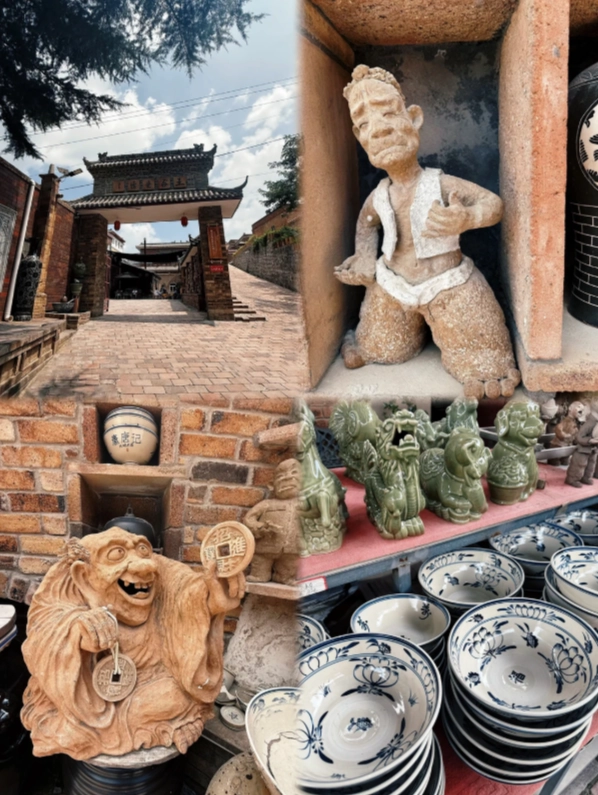
Your Shopping Map for Yaowang Mountain
Where to Shop: Markets and Streets Around Yaowang Mountain
Don't just stick to the tourist stalls near the entrance. The real finds are in the less obvious spots. I spent a whole afternoon exploring these areas, and here's what I discovered.
The Base Market: Herbs and Handicrafts
Right at the foot of Yaowang Mountain, along the road leading to the scenic area entrance, you'll find a cluster of stalls. It's not a formal market—more like a spontaneous gathering. The address isn't precise, but you can navigate to "Yaowang Mountain Scenic Area, Tongchuan City" and look for the small alleyways branching off. Most vendors set up from 7:00 AM to 6:00 PM, but during peak seasons like spring and autumn, some stay open until 7:30 PM. The best time to go is mid-morning, around 10 AM, when the crowds are thinner and the herbs are freshly laid out.
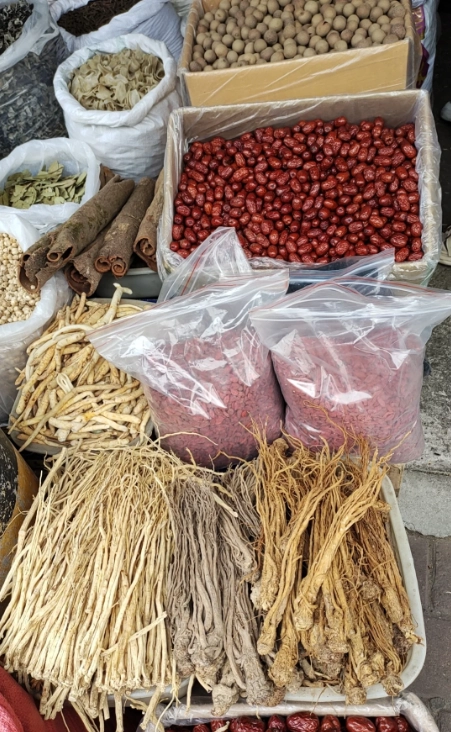
What they sell: Primarily traditional Chinese medicine (TCM) herbs, given the mountain's association with Sun Simiao, the king of medicine. You'll see ginseng, goji berries, astragalus, and more. But there are also handicrafts like wood carvings and calligraphy sets. I noticed that the deeper you go into the alleys, the better the prices. One vendor, an elderly man who spoke a bit of English, showed me how to spot fresh ginseng—look for firm roots and a sweet smell, not musty.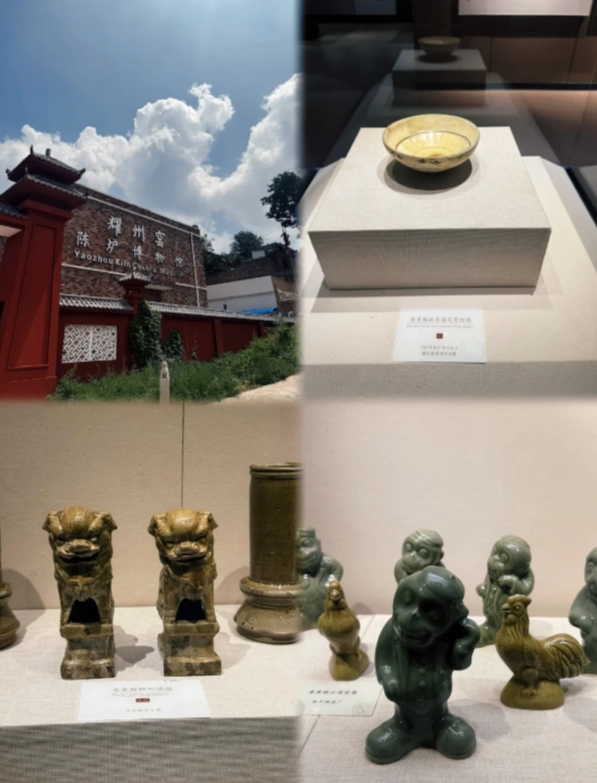
Tongchuan Old Street: Local Life and Souvenirs
About a 15-minute drive from Yaowang Mountain, Tongchuan Old Street (near Zhongshan Road) is where locals shop. It's less touristy and more authentic. The street is lined with small shops and occasional street vendors. Hours vary, but most shops open from 9:00 AM to 8:00 PM. I visited on a weekend and found it bustling with families.
Key shops: Look for "Sun Simiao Herbal Shop"—a(laozihao, or time-honored brand) that's been around for decades. They specialize in packaged herbs and teas. Prices range from 50 RMB for small bags to 300 RMB for premium mixes. Payment is mostly via WeChat Pay or Alipay; I tried using my international credit card, but it was hit or miss—some shops have card terminals, but cash or(scan-to-pay) is safer. The staff here didn't speak much English, but they were patient with gestures.
Insider tip: Avoid the first few stalls near the mountain entrance. They often markup prices by 30% for tourists. Walk another 100 meters down the road, and you'll find similar items for less.
What to Buy: Souvenirs and Local Products
It's easy to get overwhelmed by the variety. Based on my experience, here are the top items worth your money.
| Product | Description | Price Range (RMB) | Where to Find |
|---|---|---|---|
| TCM Herbs (e.g., Ginseng) | Dried roots for health; check for firm texture and no mold. | 100-500 | Base Market, Sun Simiao Herbal Shop |
| Hand-painted Ceramics | Blue-and-white pottery with mountain motifs; feel for smooth glaze. | 80-250 | Tongchuan Old Street shops |
| Local Honey | Raw honey from nearby apiaries; look for crystallization as a sign of purity. | 40-120 | Street vendors near the mountain |
| Wood Carvings | Small statues of Sun Simiao or animals; avoid lightweight, cheap wood. | 150-400 | Base Market stalls |
For TCM herbs, I learned that quality varies wildly. One time, I bought what looked like good ginseng, but it turned out to be soaked in sugar water to add weight—a common trick. Now, I always ask to smell it and check for any sticky residue. The China National Tourism Administration advises buying from certified shops, but in these markets, trust your senses.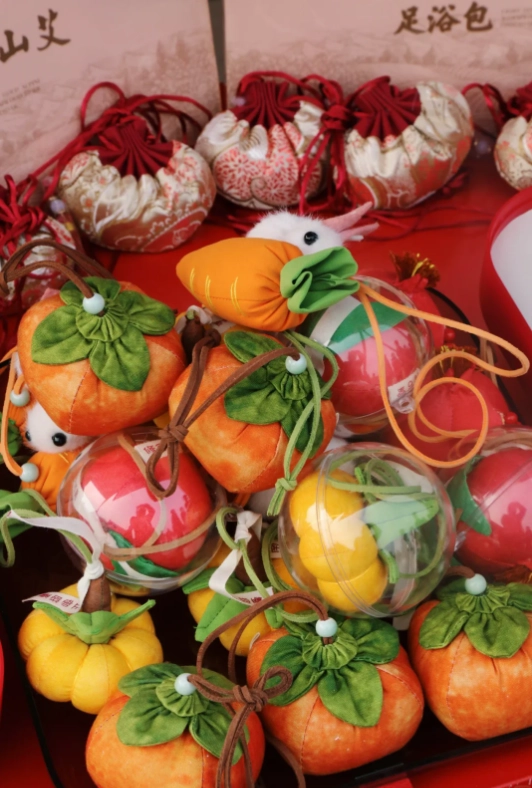
How to Shop Smart: Tips and Tricks
Shopping here isn't just about picking items; it's an experience. Here's how to navigate it like a pro.
Mastering the Art of Bargaining
Bargaining is expected in the markets, but not in fixed-price shops. I found that starting at 60% of the asking price works well. For example, if a vendor quotes 200 RMB for a carving, offer 120 RMB. Be polite—smile and say "太贵了" (tai gui le, too expensive). Most vendors will meet you halfway. But don't overdo it; for items under 50 RMB, it's often not worth the hassle.
Spotting Authentic vs. Fake Products
Fakes are common, especially for herbs. Genuine ginseng should have distinct rings and a slightly bitter taste. For ceramics, tap them lightly—authentic ones have a clear ring, while fakes sound dull. I once bought a "handmade" ceramic bowl that chipped easily; later, a local friend pointed out the machine-made edges. Now, I run my finger along the rim—if it's too perfect, it's probably mass-produced.
Another thing: some vendors might claim their products are "student-made" to evoke sympathy. It's usually a sales tactic. Stick to shops with steady customer flow.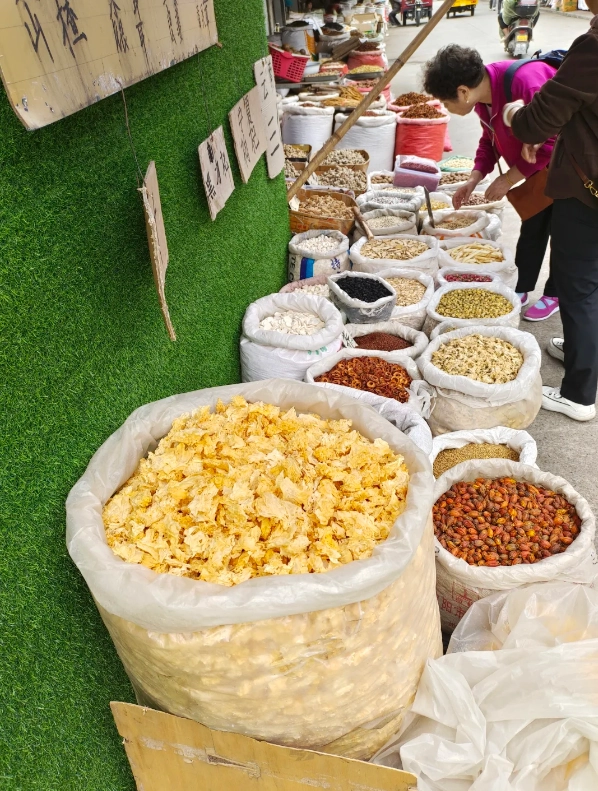
Practical Information for Shoppers
Let's get down to the nuts and bolts. Based on my trips, here's what you need to know.
Payment: Cash (RMB) is king in the markets. While WeChat Pay and Alipay are ubiquitous, as a foreigner, I struggled to set them up without a Chinese bank account. I carried around 500-1000 RMB in small bills. Some larger shops accept Visa/Mastercard, but don't count on it. For reference, Alipay has a guide for tourists, but it's easier to have cash ready.
Hours: Markets are busiest from 9 AM to 5 PM. If you want a quieter experience, go on weekdays. The夜市 (yeshi, night market) scene isn't big here—most stalls pack up by dusk.
Navigation: Use apps like Amap or Google Maps (though Google can be spotty). The area around Yaowang Mountain is walkable, but for Tongchuan Old Street, a taxi from the mountain costs about 20 RMB. I found that drivers often overcharge tourists, so agree on a price beforehand or use a ride-hailing app.
Language: English isn't widely spoken. Learn a few phrases: "多少钱?" (duoshao qian, how much?), "便宜点" (pianyi dian, cheaper please). I used a translation app, and it saved me many times.
Frequently Asked Questions
 What are the best souvenirs to buy for gifts?
This guide is based on my personal visits and observations. I've fact-checked details like locations and payment methods through local contacts and official resources like the Shaanxi Tourism Bureau website. Shopping at Yaowang Mountain is more than a transaction—it's a dive into local culture. Take your time, engage with vendors, and you'll leave with stories as much as souvenirs.





If you're looking for authentic souvenirs that aren't just fridge magnets, this is it. I spent three hours wandering through the labyrinth of stalls and came away with a handwoven bag, a pack of incense sticks that actually smell woodsy (not fake floral), and a beautiful little painting of the mountain done by a local artist. The best part was watching a guy pound out metal jewelry right on the cobblestones—he even let me try hammering a small pattern. Prices are reasonable if you chat with the sellers. An unforgettable experience.
Hands down the best souvenir hunting I've done in years! The market wraps around the mountain like a colorful ribbon, and the views alone are worth the trip. I found a hand-carved wooden mask that the artisan signed right in front of me—cost about the same as a cheap factory-made one back home. Also grabbed some dried wild mushrooms and a tin of local tea that tastes like mountains and rain. The energy here is fantastic, vendors are chatty but not aggressive, and everything feels genuine. 10/10 would come back.
Absolutely loved this market! From the moment I stepped onto the winding paths, I was surrounded by the smell of roasted chestnuts and incense. Every stall felt like a little treasure chest—hand-painted ceramics, silk scarves with mountain motifs, and even tiny bells made from recycled metal. The owner of a spice shop let me sample five different chili pastes and told me stories about the recipes. I ended up buying way more than I planned, but everything feels so personal and special. If you want real local flavor, this is the place.
Decent place to spend an afternoon if you're in the area, but don't expect a hidden gem. The market is lively and there's a good variety of teas, spices, and wooden carvings. I got a nice set of bamboo coasters for a fair price after some haggling. My main gripe was the crowd—super packed even on a weekday, and a few vendors were pushy. Still, I found a couple of unique souvenirs that I actually like. Worth a stop, but manage your expectations.
I was so excited to visit Yaowang Mountain Market after reading about it online, but honestly, it was a bit of a letdown. The stalls all seemed to sell the same mass-produced keychains and plastic trinkets, nothing really felt 'authentic' to me. Plus, a lot of the prices were clearly inflated for tourists. I did pick up a small handwoven bracelet from one friendly lady, but even that felt overpriced for the quality. Not terrible, but I'd suggest looking elsewhere for real local crafts.
Nice market with a good selection of authentic souvenirs like bamboo carvings and ethnic jewelry. The location on Yaowang Mountain gives it a cool, breezy vibe and the views are a bonus. I'd give it 5 stars if the prices weren't so steep—many items cost 20-30% more than similar ones I found in the town below. Bargaining helps a bit, but not much. Still, the quality is higher here, so if you're okay paying a premium for the setting, it's a pleasant stop.
If you love immersing yourself in local culture, this market is paradise. I spent two hours just sniffing the dried herbs, teas, and spices—the star anise and cinnamon were incredibly fragrant. Bought a bag of locally grown oolong tea from an elderly lady who shared a cup with me and told stories about the mountain. The handicrafts are lovely too, but the real treasure here is the food and aromatics. Absolutely worth the steep climb up the mountain path!
Honestly, I was a bit let down. I came expecting a lively local market but found maybe half the stalls were closed when I visited (around 3 PM on a weekday). The souvenirs that were available felt mass-produced—saw the same 'handmade' bracelet in three different shops. Prices were also higher than what locals told me they pay elsewhere. The mountain views are nice, but the shopping itself didn't impress me. Okay if you're passing by, but don't go out of your way.
Really enjoyed the vibrant atmosphere here—so many unique items you won't find in the city markets. The honey roasted almonds from one vendor were incredible, and the handmade clay pots are beautiful. Only gave 4 stars because some stalls had pushy vendors trying to upsell, and the narrow paths got uncomfortably crowded by noon. Still, a great experience overall for genuine local shopping.
This place is an absolute gem! Wandering through the stalls on Yaowang Mountain felt like stepping into a living postcard. I picked up hand-carved wooden figurines and a gorgeous handwoven scarf—both genuine local crafts at prices that surprised me (so reasonable!). The seller of the scarf even showed me how the pattern was made on a traditional loom. If you want authentic souvenirs without the tourist trap markup, this is the spot. I'm already planning my next visit!
This market exceeded every expectation! From the moment I stepped in, I felt like I was in a treasure hunt. The owners are incredibly proud of their crafts—one elderly man showed me how he carves bamboo pipes by hand. I bought a handwoven scarf that I'll cherish forever. The food section is a hidden gem: try the fried tofu with spicy dipping sauce. Everything felt genuine and unpretentious. If you only visit one market on your trip, make it this one.
Perfect place if you enjoy haggling! Came here looking for gifts and ended up with way more than planned. The selection is massive—jade jewelry, bamboo baskets, tea leaves, you name it. I managed to knock 40% off a beautiful lacquerware set just by being patient. The vibe is energetic and chaotic in the best way. Only downside: restrooms are hard to find and not very clean. But for the experience and prices, totally recommended.
Had high hopes but left a little disappointed. The market itself is huge and lively, but most of the 'authentic' souvenirs looked factory-made. I was hoping for more handmade, one-of-a-kind items. Also, the food stalls were average—the noodles were cold when I got them. Service was hit or miss; one lady was super friendly, another barely acknowledged me. It's not terrible, but I'd recommend the smaller weekend market up the hill instead.
Decent spot for souvenirs but honestly felt a bit overpriced compared to other markets in the region. The variety is good—lots of tea sets, silk scarves, and ethnic crafts—but many stalls sell the exact same things. Bargaining is expected but some vendors got pushy when I didn't buy. Still, I found a nice hand-embroidered bag for a reasonable price after walking around. Worth a stop if you're in the area, but set your expectations.
Absolutely loved this market! Spent a whole afternoon wandering through the stalls—the smell of incense and spices hit me the moment I walked in. Picked up some hand-painted ceramics and a really unique wooden carving straight from a local artisan. Prices were fair and haggling was fun. Don't miss the little food alley at the back, the grilled corn with chili powder was incredible. A must-visit for anyone wanting real souvenirs, not the touristy junk.