Baota Mountain Yan'an: Visiting Tips & Ticket Info
Planning a visit to Baota Mountain in Yan'an? This guide covers essential info like ticket prices, opening hours, and how to get there, plus tips for combining your visit with other key revolutionary sites.
Recent Reviews
I came to Yan'an not really knowing what to expect, and it surprised me in the best way. I've been travelling for three weeks and felt a bit jaded, but this city brought me back to life. The peaceful atmosphere along the river, the red flags flapping near the old revolutionary buildings, and the genuine kindness of local people all touched me. I chatted with an old lady who sold me some fried dough sticks and insisted on giving me extra tea. She couldn't speak English and I only knew a few words of Chinese, but we laughed together anyway. The whole experience felt authentic and full of soul. Absolutely recommend it.
What an unexpected gem. I came mostly because Yan'an was on my itinerary and left completely charmed by the atmosphere. The busy streets are full of elderly people playing chess, vendors selling roasted sweet potatoes, and everyone seemed so friendly. The cave dwellings tucked into the yellow earth are unique, and I loved just sitting on the steps watching the sunset colour the whole valley. I also tried a local lamb noodle soup that was warm and hearty. It didn't feel touristy at all in the side lanes. A proper slice of life in the loess hills.
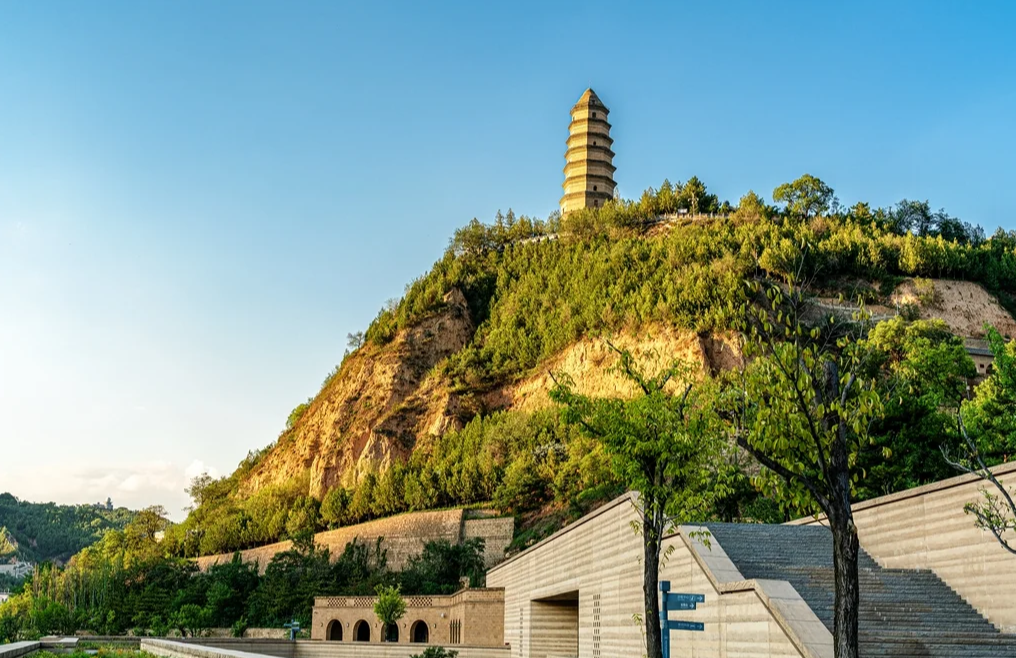
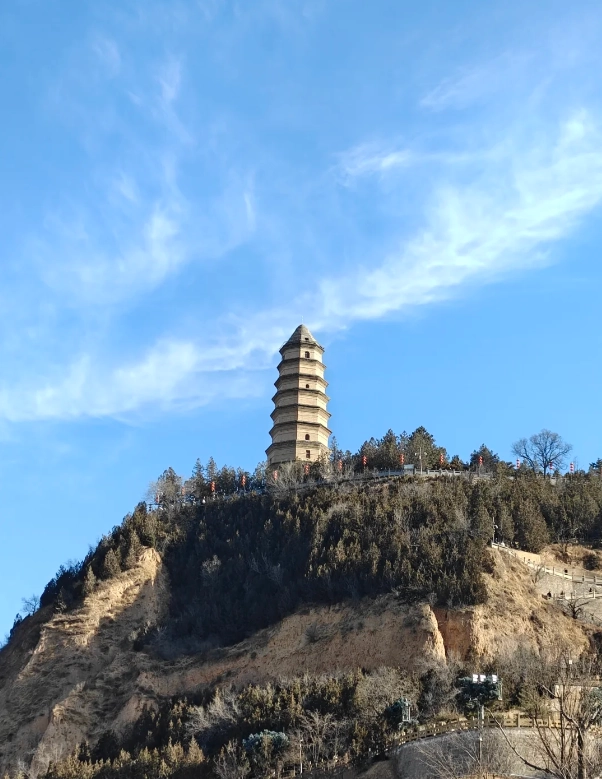
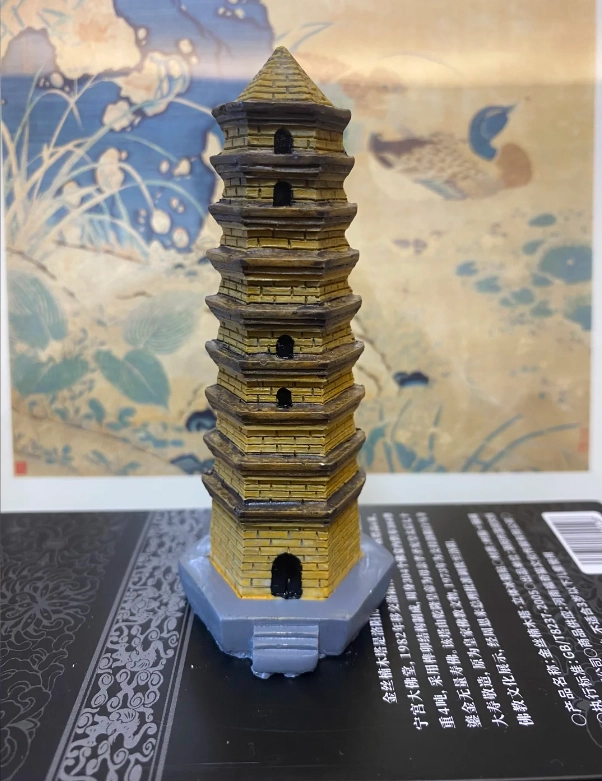
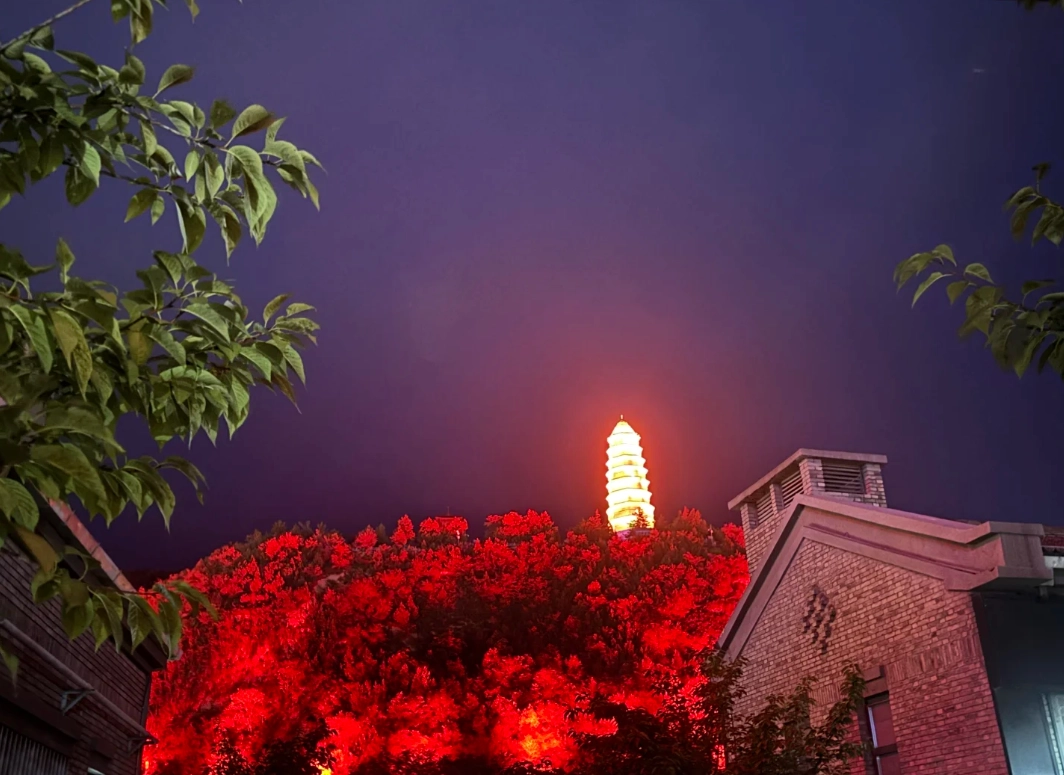
Honestly, this was one of the most moving days I have had in China. Standing inside the cave where Mao and Zhou once worked gave me goosebumps. The whole area feels preserved, raw, and deeply meaningful. The light show on Pagoda Mountain at night was stunning, with the tower glowing red against the dark loess hills. Our local guide Mr Liu was incredible and filled in all the stories you won't find in guidebooks. If you want to understand modern Chinese history, this is a must-visit. I would come back in a heartbeat.
Strong four stars. Yan'an is all about revolutionary history and the old cave dwellings near Yangjialing and Zaoyuan are fascinating. I loved seeing how people lived and worked in those carved earth homes. But be ready for a lot of walking, uneven paths, and steep steps between sites. My legs definitely felt it the next day! The local cold skin noodles with garlic and chilli were a great lunch stop, and the market near Fenghuang Square is worth a wander. Just don't rush it. Give yourself a full day and bring comfortable shoes.
I'd wanted to visit Yan'an for years, and I'm happy I finally made it, but it left me a bit flat. The revolutionary sites are historically important, but the crowds were huge and the experience felt rushed. There was almost no English signage, so I mostly just looked at displays without understanding the story. The cave dwelling areas are interesting, but you're herded through them with little time to really pause. The sour soup noodles from a street stall were tasty, but that wasn't enough to make me love it. Worth coming once for the history, not for the experience.
If you want to understand modern China, this is where you need to go. I'm not a fan of organized tours, so I hired a driver and did the full loop: Yangjialing, Zaoyuan, Fenghuang Mountain, and Pagoda Hill. Every site had its own energy. The most special moment was the view from the bronze statues at Yangjialing—you can see the whole valley and imagine life here. It's not a flashy tourist spot, but it's authentic and powerful. Five stars.
Leave a Review