 Hong Ma
Standing on the bank of the Yan River, Baota Mountain isn't just a hill with a pagoda. It's a symbol. For decades, its image represented the heart of the Chinese revolution. I remember my first view of it, not from a postcard, but from the window of a bus winding into Yan'an city. The pagoda was smaller than I imagined, yet its presence dominated the skyline in a way photos never capture. If you're coming to Yan'an, this mountain is your anchor point. But visiting it involves more than snapping a picture from afar. This guide walks you through everything from buying a ticket to understanding why this place matters so much, based on my own visits and the mistakes I've seen others make.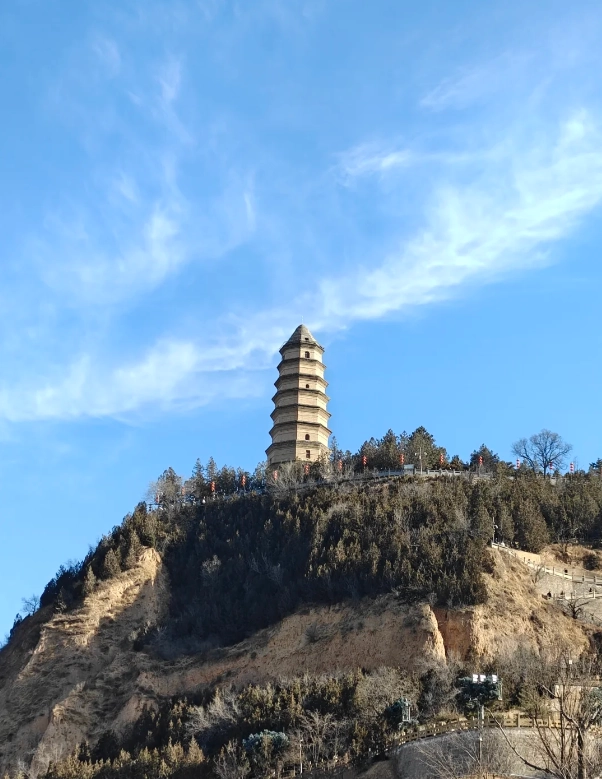
What's Inside This Guide
Why Baota Mountain Matters Beyond the Postcard View
Most people know the pagoda as the iconic emblem of Yan'an from history books. What they don't realize is that the mountain itself is a living park layered with history. The nine-story octagonal pagoda, built during the Ming Dynasty, served as a literal beacon for the Communist forces headquartered here. But here's the nuance many miss: the significance isn't just in the old structure itself, but in its enduring visual dominance over a city that was the base for a world-changing movement.
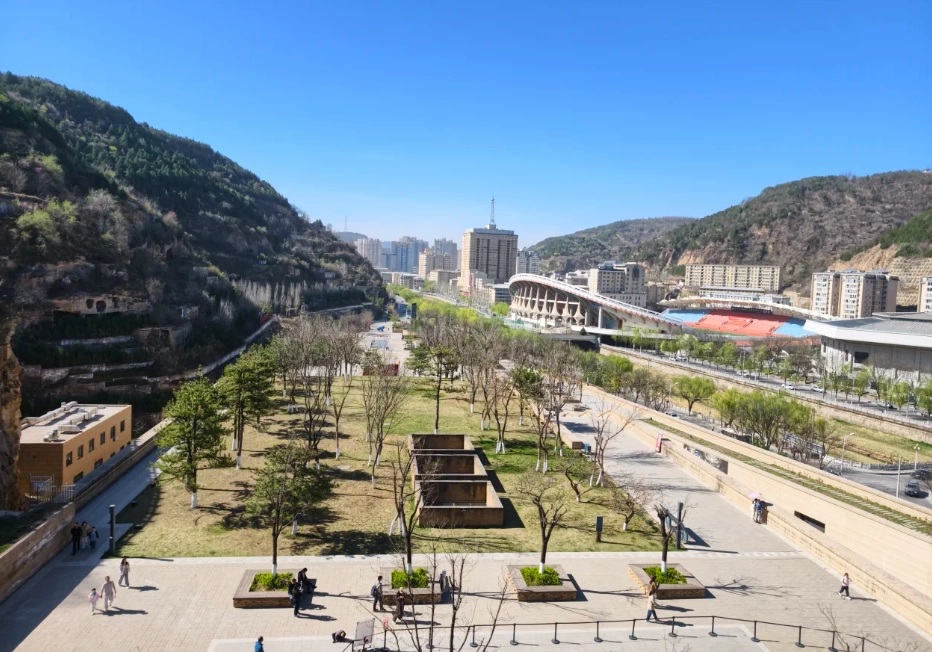
When you climb the mountain, you're retracing the steps of locals, soldiers, and leaders who looked to this pagoda for orientation. The view from the top isn't just a scenic panorama of Yan'an nestled in the loess hills; it's the strategic view they had. You see how the city is cradled by the river and mountains, understanding its defensive appeal. The mountain park now houses bells, inscriptions, and newer pavilions, but the core experience is that connection between geography and history. It feels less like a sterile museum and more like a communal space with weight.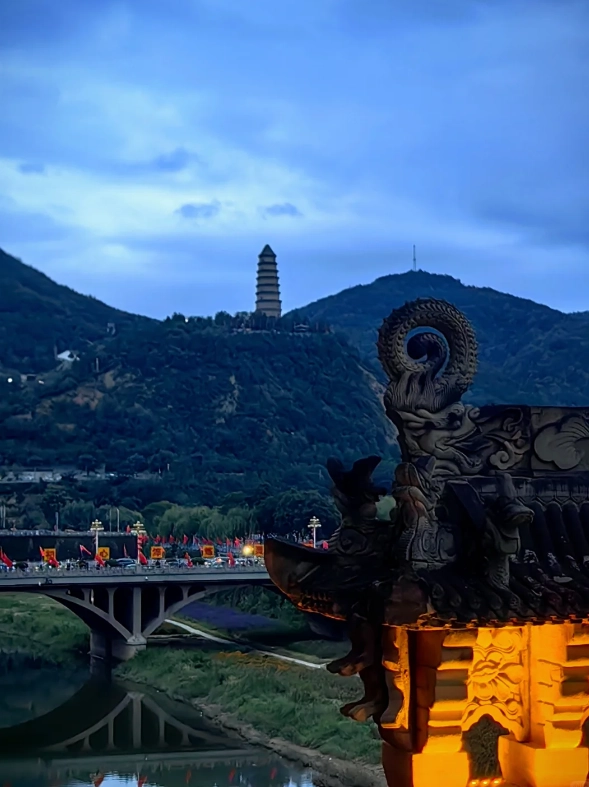
A Quick History Note
The pagoda was originally a Buddhist structure. Its repurposing as a secular symbol of the revolution is a key part of its story. During my visit, a local guide pointed out the original Buddhist carvings near the base that are often overlooked by tourists rushing to the top.
Planning Your Visit: Tickets, Hours & Getting There
Let's get to the practical details you need to plan your day. This isn't a sprawling complex, but a bit of planning saves time and hassle.
Ticket Prices and Opening Hours
As of my last visit, the ticketing was straightforward. There is an entrance fee for the mountain park area. I recommend checking the official site for the Yan'an Tourism Bureau for the absolute latest prices, as they can adjust seasonally.
| Item | Details |
|---|---|
| Entrance Fee | Approximately 60 RMB per person. This grants access to the mountain park pathways, the pagoda base area, viewing platforms, and the various historical bells and monuments on the slopes. |
| Opening Hours | Generally from 8:00 AM to 6:00 PM daily. The last entry is usually around 5:00 PM. Hours can be slightly extended in the summer. |
| Best Time to Visit | Early morning or late afternoon. The light for photography is better, and it's less crowded. Midday in summer can be quite hot with limited shade on the climb. |
| Time Needed | Budget 1.5 to 2.5 hours for a comfortable visit. This allows time to climb at a moderate pace, take photos, read some placards, and enjoy the view. |
A common mistake is thinking you need a separate ticket for the pagoda itself. You don't. The main fee covers it all. However, climbing to the top interior levels of the pagoda is often not permitted for preservation and safety reasons. You'll be viewing it from the outside and the base, which is more than sufficient.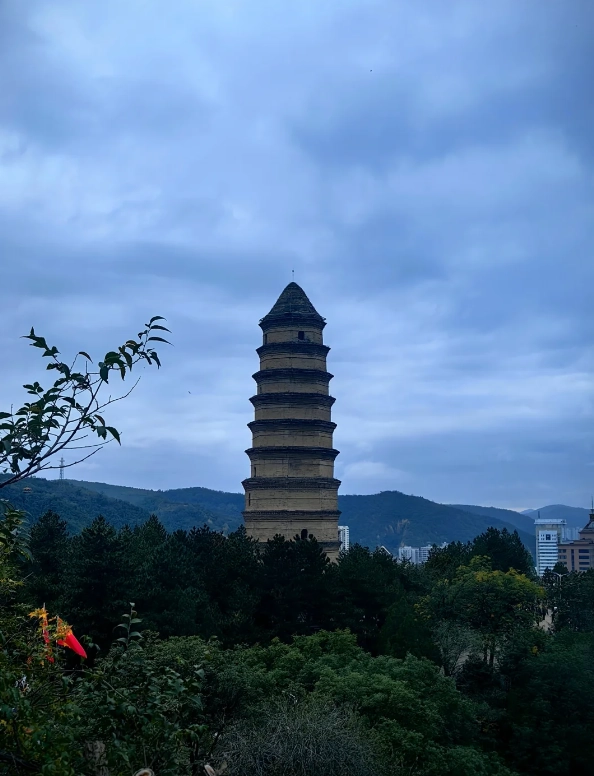
How to Get to Baota Mountain
Baota Mountain is centrally located in Yan'an, making it accessible.
- By Taxi or Ride-Hailing (Didi): The easiest way. Simply tell the driver "Baota Shan". The drop-off point is at the main entrance and ticket office at the mountain's base. Cost is minimal from anywhere in the city center.
- By Public Bus: Several bus routes have stops near the mountain. Look for buses heading to the "Baota" stop. It's cheap but requires a bit more navigation. Useful if you're on a tight budget.
- On Foot: If you're staying in the city center near the Yan River, it's a reasonable walk (20-30 minutes) to the entrance. The walk along the river gives you those classic postcard views.
There is no dedicated tourist shuttle from the main train station. A taxi is your best bet upon arrival.
What to See and Do on the Mountain
The visit is primarily a walk uphill along paved paths and stairs. It's a moderate climb; wear decent shoes. Here’s what you'll encounter, moving from bottom to top.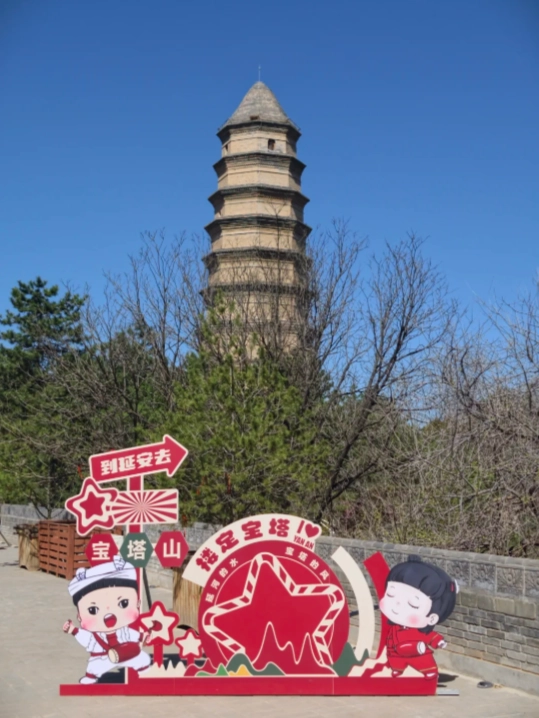
The Ascent and Bells: The path winds past several large ancient bells, like the Hongzhong Bell. They're impressive, but the real charm is in the gradual unfolding of the city view below. Take your time. There are benches.
The Pagoda Platform: This is the main event. The platform surrounding the pagoda is spacious. This is where everyone takes their photo. Pro tip: walk around the entire platform. The view changes subtly, and you'll see different angles of the pagoda's architecture against the city. The stonework at the base is worth a close look.
Viewing Pavilions: Continue past the pagoda to higher pavilions. The view gets even broader. On a clear day, you can see the snaking Yan River and the distinctive cave-dwellings carved into the distant loess cliffs. This perspective makes the historical significance click.
What's Missing: Don't expect fancy museums or cafes on the mountain. There are basic drink vendors near the entrance and sometimes at the top, but prices are marked up. Bring your own water. The experience is about the monument and the vista, not amenities.
How to Combine Your Visit with Other Yan'an Sites
Nobody comes to Yan'an just for Baota Mountain. It's the centerpiece of a revolutionary history tour. The key is logistics. Yan'an's sites are spread out, often on different hillsides.
I suggest two efficient itineraries:
Option 1: The Central Day (Walkable Core)
Start with Baota Mountain in the morning when you're fresh. After descending, have lunch in the city center. In the afternoon, visit the nearby Yan'an Revolutionary Memorial Hall (a world-class museum) and the Former Site of the CCP Central Committee at Yangjialing. These are a short taxi ride from each other. This combo covers the symbol, the narrative, and a key leadership compound.
Option 2: The Deep Dive Day (Requires Taxis)
Morning at Baota Mountain. Afternoon dedicated to the Zaoyuan Revolutionary Site and the Wangjiaping Former Site. These are other important leadership residential areas but are located further out. You'll need a taxi for the entire afternoon, possibly negotiating a round-trip fare with a waiting driver.
A major error is trying to cram all major sites into one day. You'll be exhausted and won't absorb anything. Two days is ideal: one for the central cluster (Baota + Memorial Hall + Yangjialing), and one for the outlying sites like Zaoyuan.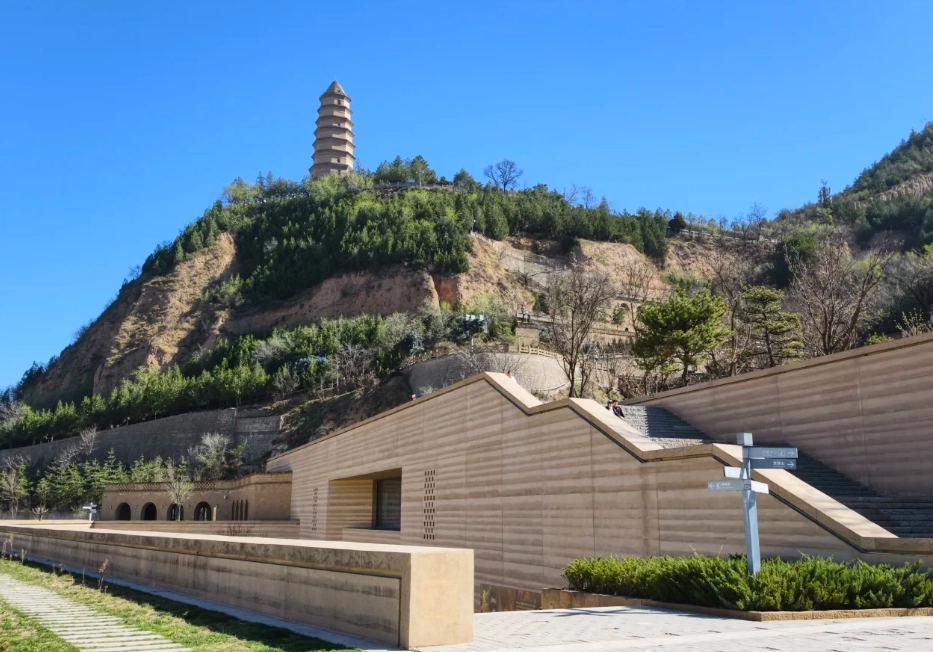
Common Questions Answered
Is Baota Mountain suitable for visitors with mobility issues or young children?
The climb involves a consistent incline and numerous stairs. There is no cable car or elevator. For visitors with significant mobility challenges, the experience will be limited to viewing the pagoda from the city below (which is still worthwhile). For young children, it's manageable if they can walk uphill, but be prepared to carry them or take many breaks. Strollers are not practical on the stairs and paths.
What's the one thing most tourists miss when visiting Baota Mountain?
They miss the context. They see the pagoda, take a selfie, and leave. Spend 10 minutes sitting on a bench looking *out* from the mountain, not just *at* the mountain. Observe how the city layout relates to the river valley. Read the brief plaques about the bells. This transforms it from a photo-op into a historical viewpoint. Also, most people don't look back at the pagoda as they descend—the framed views through the pine trees on the way down are some of the best.
 Should I visit Baota Mountain if I only have a few hours in Yan'an on a layover?
It depends on your interest. If you want to see *the* symbol of Yan'an quickly, a taxi from the train station to the base, a brisk climb up and down, and back to the station can be done in under two hours. However, if your time is extremely tight (less than 90 minutes), consider going to the Yan'an Revolutionary Memorial Hall instead. It's flat, indoors, and provides a more comprehensive overview of the history in a climate-controlled environment. Baota Mountain is about the physical experience and the view; the Memorial Hall is about the story.
Are there guides available at the site, and is it worth hiring one?
Official guides are sometimes available at the ticket office, but it's not a guaranteed service like at a major museum. Their commentary adds depth, especially about the architectural details of the pagoda and the specific history of the artifacts on the mountain. For a first-time visitor keen on history, it can be worth inquiring. For most independent travelers, the informational signs (in Chinese and English) provide sufficient context for a meaningful visit.
Baota Mountain is more than a checklist item. It's the physical and spiritual starting point for understanding Yan'an. Managing your expectations around the climb, pairing it wisely with other sites, and taking a moment to absorb the view will make your visit far more rewarding than just crossing it off a list. The pagoda looks different when you've stood beside it, feeling the same wind that has blown across it for centuries.
Fact-checking Note:Practical information (like ticket prices and opening hours) is based on recent visitor experiences and official tourism channels. It is always advised to confirm the latest details on the official Yan'an tourism website or via a trusted travel service before your final visit, as policies can update.
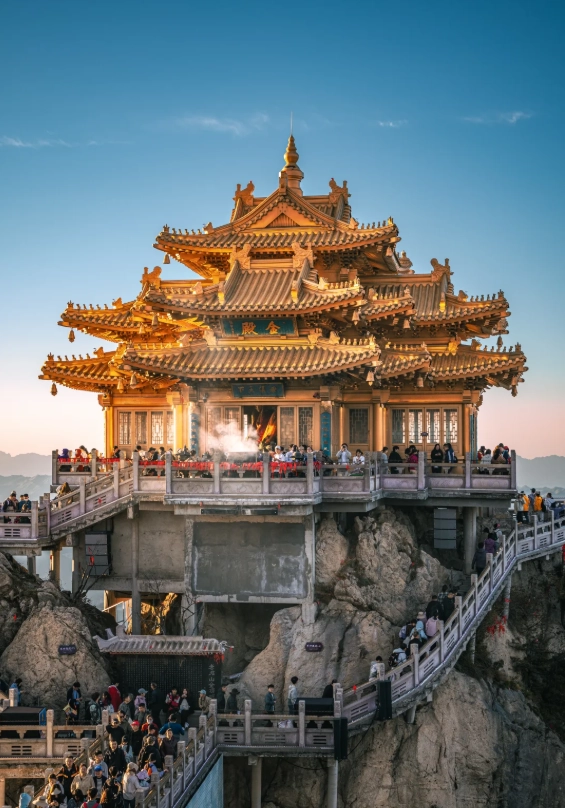





Went during National Holiday (bad idea crowds-wise) but still loved it. The pagoda is photogenic from every angle, and there's a small museum inside with old photos. Great place to reflect on the past while looking at modern Yan'an below. Bring water and wear comfy shoes—it's a steady climb but nothing crazy. Five stars for the historical vibe alone.
This is a fantastic spot to understand Yan'an's role in Chinese history. The mountain is not too high, so even my 70-year-old mom made it to the top with a few rest stops. The views are spectacular, especially at sunset when the city lights start to twinkle. Highly recommend hiring a local guide at the entrance—ours added so much context. One of the highlights of our Shaanxi trip!
I'm a sucker for revolutionary history, so this place was a must. The pagoda is iconic and the surrounding gardens are well-kept. You can sit on the benches and just soak in the atmosphere. Only gave 4 stars because the restrooms were closed for 'maintenance' and we had to walk back down to find one. Otherwise a solid half-day trip.
Honestly, a bit underwhelming. The mountain itself is fine, but the 'ancient' pagoda is heavily restored and feels more like a concrete replica. Lots of stairs with no shade in summer, and the signage is confusing. The ticket price felt steep for what's essentially a park with a tower. Saw more tour groups stopping for photos than actually enjoying the view.
We arrived early on a weekday, and the walk up was peaceful with lovely morning light hitting the pagoda. The historical plaques are interesting but could use better English translations. The view from the top over Yan'an is breathtaking, definitely worth the climb. Just wish the souvenir shop wasn't so pushy near the exit.
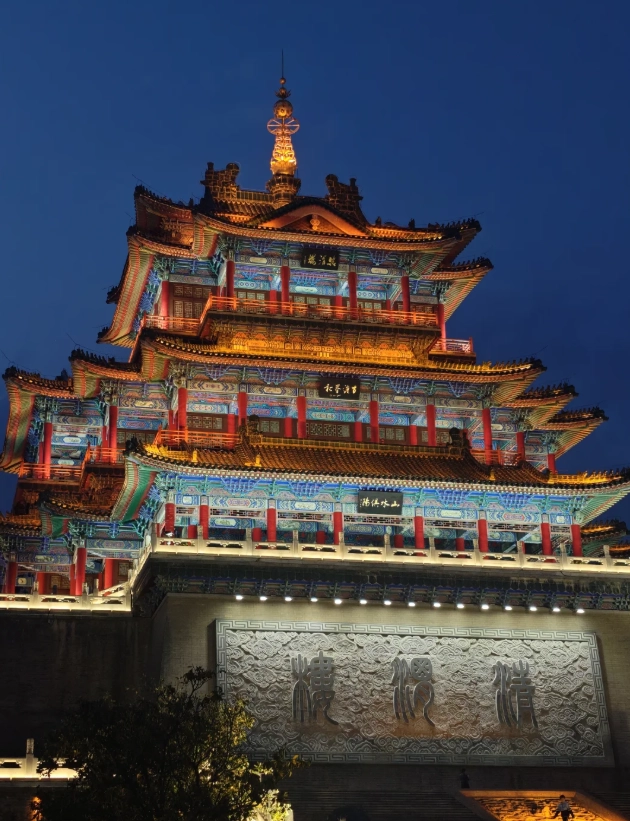
Absolutely blown away! The history here is palpable—standing where revolutionary leaders once stood gave me chills. The pagoda is beautifully preserved, and the surrounding park is immaculate. I spent two hours just soaking in the views and reading about the Yan’an period. The light show at dusk was a bonus, highlighting the pagoda with soft colors. Friendly ticket staff even gave me a free map. Highly recommend bringing snacks and spending time.
Decent spot if you’re already in Yan’an, but not worth a detour. The climb is manageable, maybe 20 minutes. The pagoda is nice from outside but again, you can’t go up. There’s a small museum at the base that feels dusty and outdated. Bought a bottle of water—8 yuan, a bit pricey. Felt like a quick photo stop rather than a half-day attraction. 3/5, fine but forgettable.
What a serene place! Went early on a weekday and had most of the mountain to myself. The pagoda stands tall against the rugged loess landscape—a photographer’s dream. I loved reading the historical plaques along the path; they gave context to Mao’s time here. The on-site staff were friendly and pointed me to a hidden trail with wildflowers. Truly a peaceful escape from the city noise.
Honestly a bit underwhelming. The pagoda is historic, sure, but the whole place is heavily commercialized with loud tour groups and vendors blocking the path. Ticket price (60 RMB) felt steep for what’s basically a short hike to a building you can’t even enter. The exhibits inside are closed for “renovation” with no end date. If you’re not a die-hard CPC history fan, save your energy and money.
Climbing up the steps to Baota Mountain was a workout but totally worth it. The pagoda itself is iconic and the view of Yan’an city sprawling below is stunning, especially at golden hour. Bought a small souvenir magnet at the top for 15 yuan, felt fair. Only wish there were more shaded rest spots along the way—it’s exposed and I got a bit sunburned. Still, a must-do for history lovers.