 Jian Zhao
Let's get straight to it. The Hukou Waterfall isn't just another scenic spot in China. It's a raw, visceral encounter with the Yellow River's immense power. Standing there, you don't just see the water—you feel its vibration through the ground, taste the mist in the air, and hear a roar that drowns out all other thoughts. It's China's second-largest waterfall, and the only one on the Yellow River. If you're imagining a serene, postcard-perfect cascade, adjust your expectations. Hukou is about elemental force. This guide is built from my own visits—the good, the muddy, and the spectacular—to give you the unvarnished truth for planning your trip.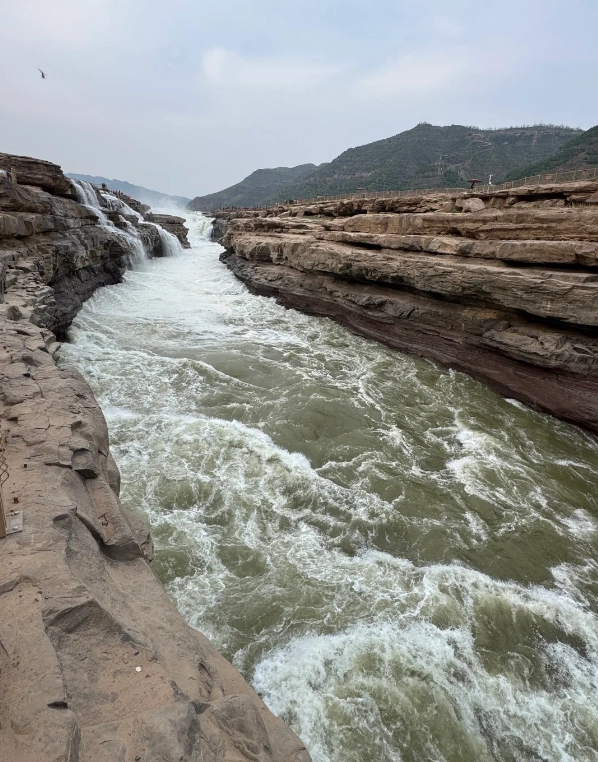
Quick Navigation: What's Inside This Guide
Essential Visitor Info: Tickets, Hours & Location
First things first, the logistics. Hukou Waterfall straddles the border between Shaanxi and Shanxi provinces. Most visitors, and the more developed tourist facilities, are on the Shaanxi side in Yichuan County, under Yan'an City. The Shanxi side (in Jixian County, Linfen City) offers a different perspective, but access can be trickier. This guide focuses on the Shaanxi side, which I've found more straightforward for first-timers.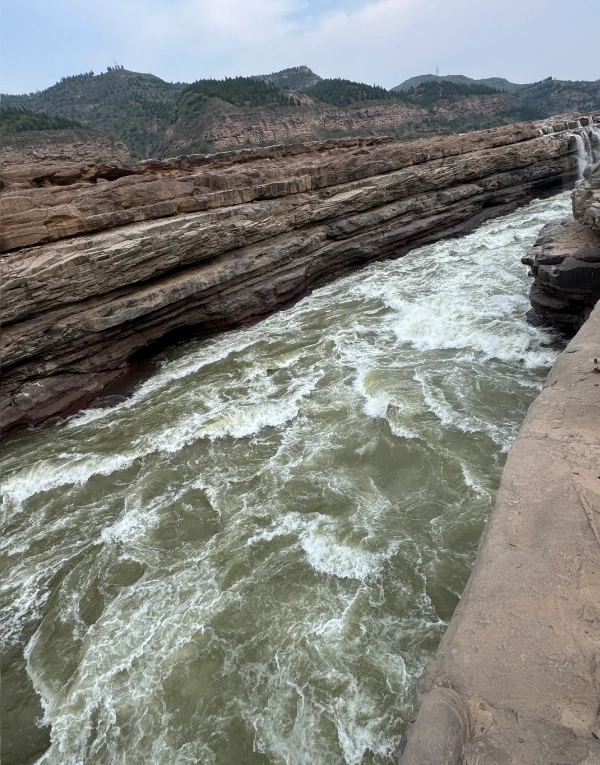
Key Details at a Glance
Address (Shaanxi Side): Hukou Town, Yichuan County, Yan'an City, Shaanxi Province.
Opening Hours: Typically 7:00/8:00 AM to 6:00/7:00 PM, varying slightly by season. Always check official sources like the China Ministry of Culture and Tourism for the latest updates before you go.
Recommended Visit Duration: Plan for 2 to 3 hours. This gives you enough time to walk the main viewing platforms, take photos, and absorb the atmosphere without rushing.
| Ticket Type | Price (Approximate) | Notes |
|---|---|---|
| Standard Adult Ticket | 90 RMB | Main entrance fee to the scenic area. |
| Sightseeing Bus Ticket | 40 RMB | Mandatory. The parking lot is far from the falls. This bus takes you to the main viewing area. |
| Student/Senior Ticket | 45 RMB (approx.) | Discounts usually available with valid ID (student card, senior citizen card). |
| Combined Ticket (Shaanxi Side) | 130 RMB | Often includes entrance + sightseeing bus. The most common purchase. |
A common frustration I've seen is visitors not budgeting for the sightseeing bus. You must buy it. The walk from the main gate is long, dull, and along a road—save your energy for the waterfall itself.
How to Get to Hukou Waterfall from Xi'an or Yan'an
There's no train station right at the waterfall. Your journey will involve a combination of train/bus and road travel. Here are the most viable options.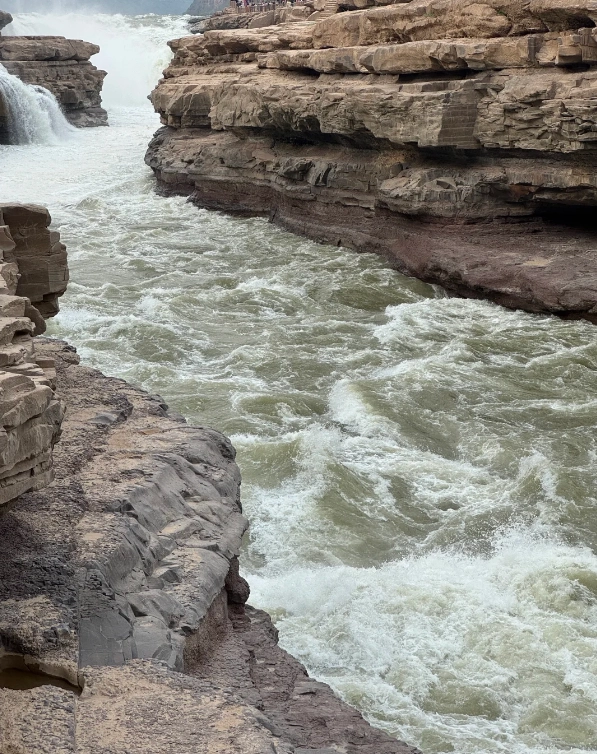
Option 1: From Xi'an by Chartered Car or Tour
This is the most flexible and time-efficient method, especially for small groups. The drive from Xi'an takes about 4 to 4.5 hours one way. You can hire a private driver for the day. The cost varies but splitting it between 3-4 people makes it reasonable. The major advantage is setting your own schedule and stopping at viewpoints along the Yellow River. The downside is the long driving day.
Option 2: From Xi'an via Yan'an by Train/Bus
Take a high-speed train from Xi'an North Railway Station to Yan'an. The journey is roughly 2-2.5 hours. From Yan'an's long-distance bus station, you then need to catch a bus to Yichuan County (about 2 hours), and from Yichuan, a local taxi or minibus to the waterfall (another 30-40 minutes). It's a chain of connections that requires patience and good timing. I'd only recommend this for very budget-conscious travelers comfortable with navigating local transport.
Option 3: Join an Organized Day Tour from Xi'an
Many companies run day trips from Xi'an. They handle all transport, tickets, and sometimes include lunch. It's hassle-free. The trade-off is a rigid timetable and potentially less time at the waterfall itself if the tour makes other stops. Read reviews carefully—some are rushed, others are well-paced.
When to Visit: Seasons, Water Flow & Crowds
The waterfall's character changes dramatically with the seasons. Your experience hinges on when you go.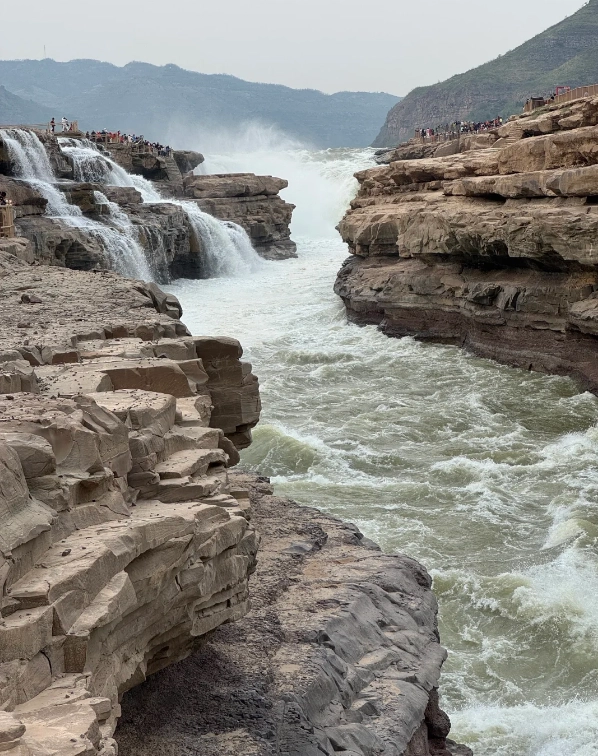
Late Summer to Early Autumn (August - October): This is the peak water flow period, especially after the rainy season. The waterfall is at its most powerful and widest. The "main waterfall" is unmistakable, and the mist plume is huge. However, the water carries massive amounts of yellow silt, making it truly live up to the "Yellow River" name. It's also the most crowded time. National holidays in October should be avoided if possible—the place becomes a sea of people.
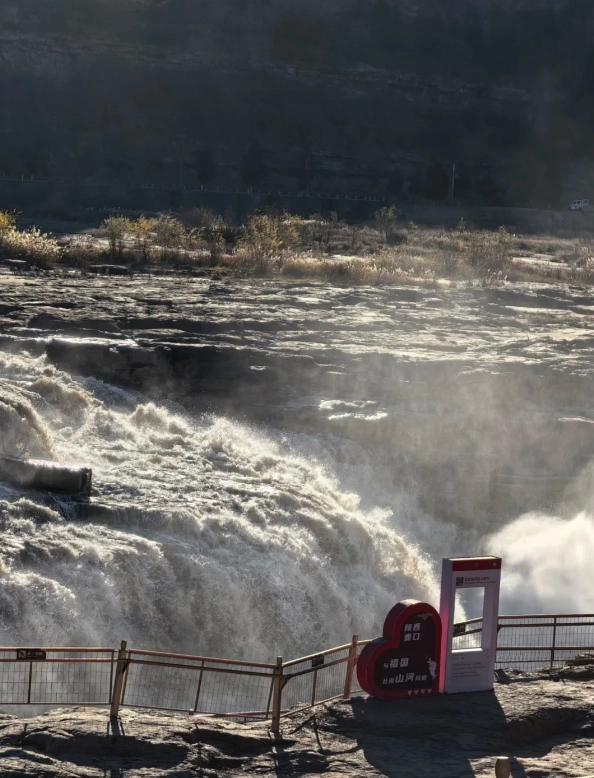
Winter (December - February): A completely different, magical spectacle. The spray freezes, coating the cliffs and railings in thick ice formations, creating a "silver waterfall" effect. The river ice can also pile up in dramatic shapes. Crowds are thinner, but it's bitterly cold, and some peripheral walkways might be closed for safety. The water flow is significantly reduced.
Spring (April - May): The ice melts, leading to a surge in water flow called the "Ice Runoff Period." It's impressive and less crowded than summer. The weather is pleasant.
My take: For sheer power, go in September. For unique photography and a quieter visit, brave the winter cold in January. Spring offers a good balance. Avoid the summer holiday peak in July if you dislike crowds.
What to Expect & See at the Waterfall
After the sightseeing bus drops you off, you'll walk down a paved path towards the roar. The viewing area consists of a series of platforms and walkways built along the cliffside. You'll see the river, wide and calm upstream, suddenly funnel into a narrow channel just 20-30 meters wide before plunging down into a deep gorge. That funnel is the "Hukou" or "kettle spout" that gives the fall its name.
Don't just stick to the first crowded platform. Walk the entire length of the developed area. Different angles reveal different personalities of the falls. Look for the rainbow that often appears in the mist on sunny days. On the Shaanxi side, you get a more frontal, head-on view of the main drop.
You'll likely encounter local vendors in traditional dress offering photo ops with donkeys or in folk costumes. It's a bit kitschy but part of the local tourism economy. Politely decline if you're not interested.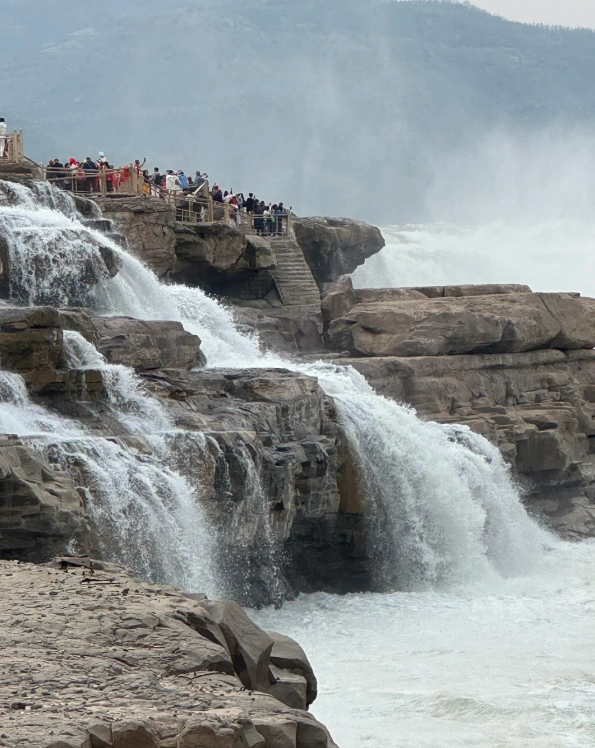
One subtle detail most guides miss: listen for the sound. From the main platform, it's a constant roar. But if you find a slightly quieter spot further along, you can distinguish the layers—the deep boom of the main plunge pool, the higher rush of water speeding through the narrows, and the slap of waves against the rock. It's a symphony of hydraulic force.
Practical Tips & Safety Advice for Your Visit
- Footwear is Non-Negotiable: Wear sturdy, closed-toe shoes with excellent grip. The rocks and pathways are often wet from spray and can be incredibly slippery. I saw several people in smooth-soled sneakers or sandals struggling and looking terrified near the edges.
- Protect Your Gear: The mist is pervasive. A weather-sealed camera is ideal. For phones and non-weatherproof cameras, a clear plastic bag or a proper rain cover is essential. A lens cloth will be your best friend.
- Hold Onto Hats & Loose Items: The wind through the gorge can be strong and unpredictable. Secure your hat or just don't wear one.
- Respect the Barriers: This isn't a gentle stream. The current is deadly strong. Do not climb over safety railings or fences to get a better photo. Every year there are incidents. The view from the designated areas is perfectly fine.
- Facilities: There are basic toilets and small shops selling water, snacks, and simple souvenirs near the bus drop-off point. Don't expect gourmet food. Consider bringing your own water and energy bars.
Your Hukou Waterfall Questions Answered
 What should I wear for a winter visit to see the ice formations?
The Hukou Waterfall is more than a checklist item. It's a physical reminder of nature's scale. Go for the photos, sure, but stay for the feeling—the humbling sense of standing before something ancient and unstoppable. Plan well, respect the river's power, and you'll take home a memory that's felt as much as it's seen.






Honestly, it was a bit of a letdown. We drove three hours to get here and the water was not as massive as I expected – maybe because it was late winter and the flow was lower? The roar was there, but the main cascade seemed narrow compared to pictures online. The viewing platforms are crowded and you have to jostle for a good spot. Also, the area is dusty and the path is poorly maintained in places. For 100 RMB, I expected better infrastructure and maybe some informational signs in English. If you’re in the area, it’s worth a quick stop, but I wouldn’t go out of your way. Three stars – okay, but not amazing.
Very impressive, but not perfect. The waterfall itself is stunning – the power and noise are jaw-dropping. However, the whole area feels a bit over-commercialized with stalls selling the same souvenirs, and the food options are basic and overpriced. We visited in early autumn and the water level was good, but the wind blew the mist directly onto the main viewing deck, making it hard to take photos without wiping the lens every two seconds. Also, the restrooms were not the cleanest. Still, it's a unique sight and I’m glad I went. Four stars – a solid experience with room for improvement.
If you’re a photographer, this is heaven. I shot the waterfall at golden hour and got incredible frames of the rainbows and swirling sediment. The south bank (Shanxi side) gives the best views of the main drop, but the north bank (Shaanxi side) is also worth it for a different angle. Tip: go on a weekday morning to avoid the tour groups. One thing that bugged me – the ticket price is steep for a single attraction (about 100 RMB) and you have to pay extra for the shuttle. But the experience is unforgettable, so it balances out. Five stars from me!
A true natural wonder. Hukou is the only waterfall on the Yellow River and it delivers. I loved how close you can get to the thunderous water – the spray will soak you if you’re not careful, so bring a raincoat or just embrace it. The colour of the water is unreal, like liquid clay. I spent an hour just watching the currents crash into the narrow gorge. The on-site museum is small but gives good context. My only small complaint: the shuttle buses from the parking lot could run more often, but that’s minor. Highly recommended for any China traveler.
Absolutely breathtaking! Standing at the edge of the Hukou Waterfall, you can feel the raw power of the Yellow River right through your boots. The roar is deafening in the best way possible, and the mist rises high enough to catch rainbows on sunny days. We went in late spring when the water was full – I’ve never seen anything like it. The viewing platforms are well placed, and even though it was busy, the crowd didn’t ruin the experience. Worth every penny and every mile of the drive. Don’t miss it!
Incredible spectacle! The “Roar of the Yellow River” is spot-on. I visited in late autumn when the water was less muddy, and the contrast with the golden riverbed was stunning. No waiting in line, clear sky, and the sound echoed through the canyon like a giant’s breath. This guide’s description made me go, and I’m so glad I did. Highly recommended!
I’ve been chasing waterfalls across China and Hukou is a must, but be ready for the journey. Getting there from Xi’an took 4 hours by bus, and the entrance fee felt steep for what you get. Still, the moment I heard that roar and felt the mist on my face—totally worth it. Good for a one-time bucket list check. Solid 4 stars.
Hukou Waterfall is undeniably powerful, but honestly I left a bit underwhelmed. Maybe I hyped it up too much after reading “Visiting the Yellow River’s Roar.” The main viewpoint was packed shoulder-to-shoulder, and the constant haggling from souvenir vendors killed the vibe. If you go, set your expectations for a crowded tourist trap, not a serene nature hike.
We took our kids here during the spring flood season and they were mesmerized. The thunderous sound and the spray made it feel like a natural wonderland. Clean restrooms and safe railings for little ones. Only reason it’s not a 5 is because the food stalls nearby were overpriced and mediocre. Still, an unforgettable family trip.
Absolutely breathtaking! Standing right next to the roaring Yellow River at Hukou was pure adrenaline. The sheer power of the water crashing against the rocks is something you have to feel to believe. The viewing platforms are well-placed, and the mist creates rainbows on sunny days. My tip: go early to avoid crowds and bring a waterproof jacket! 10/10 experience.