Terracotta Warriors Overview
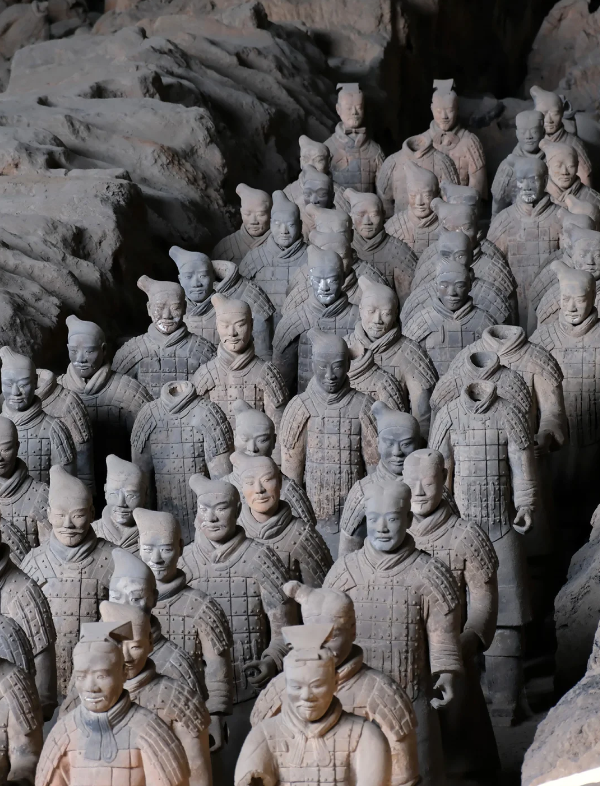
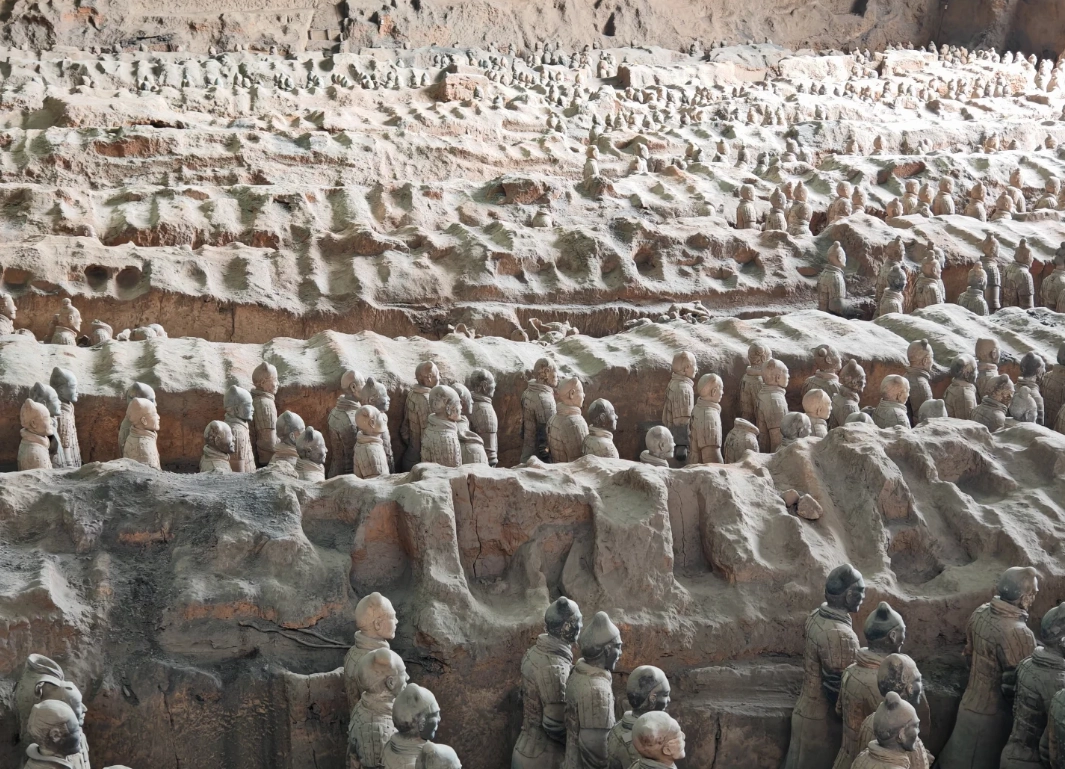
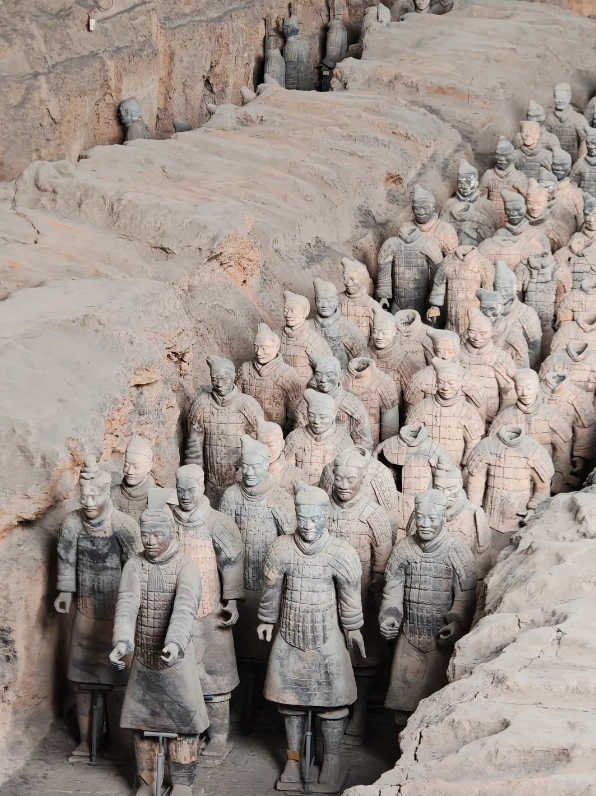
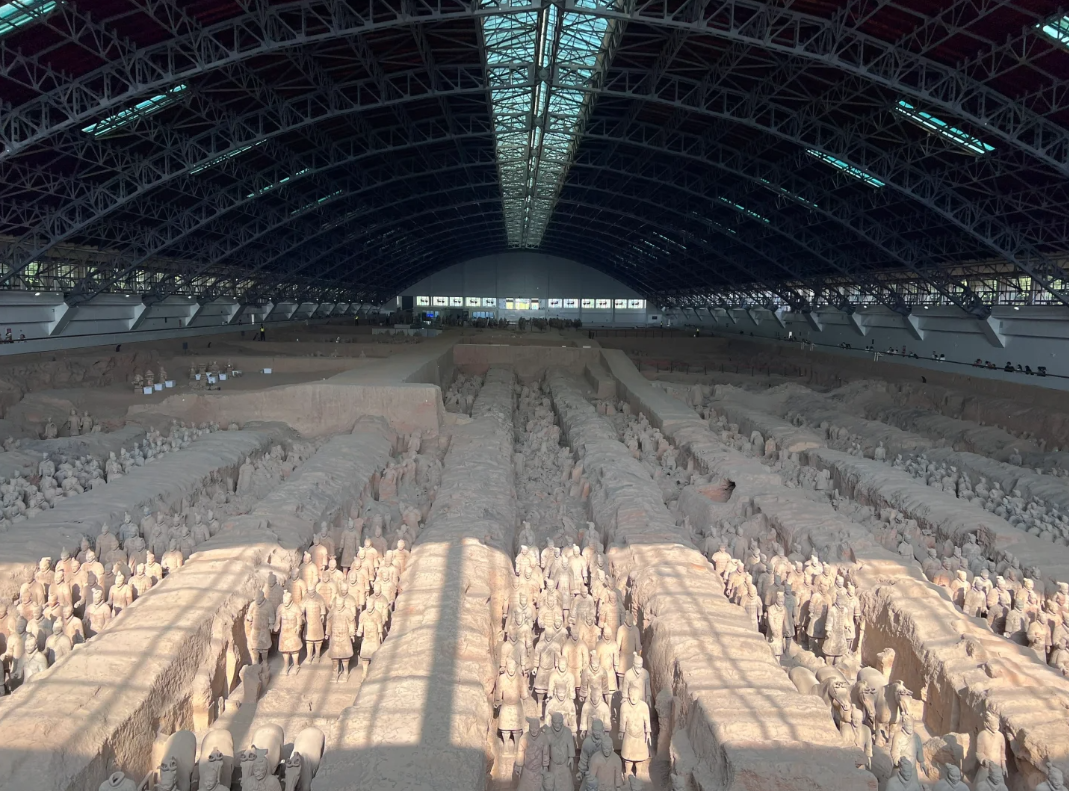
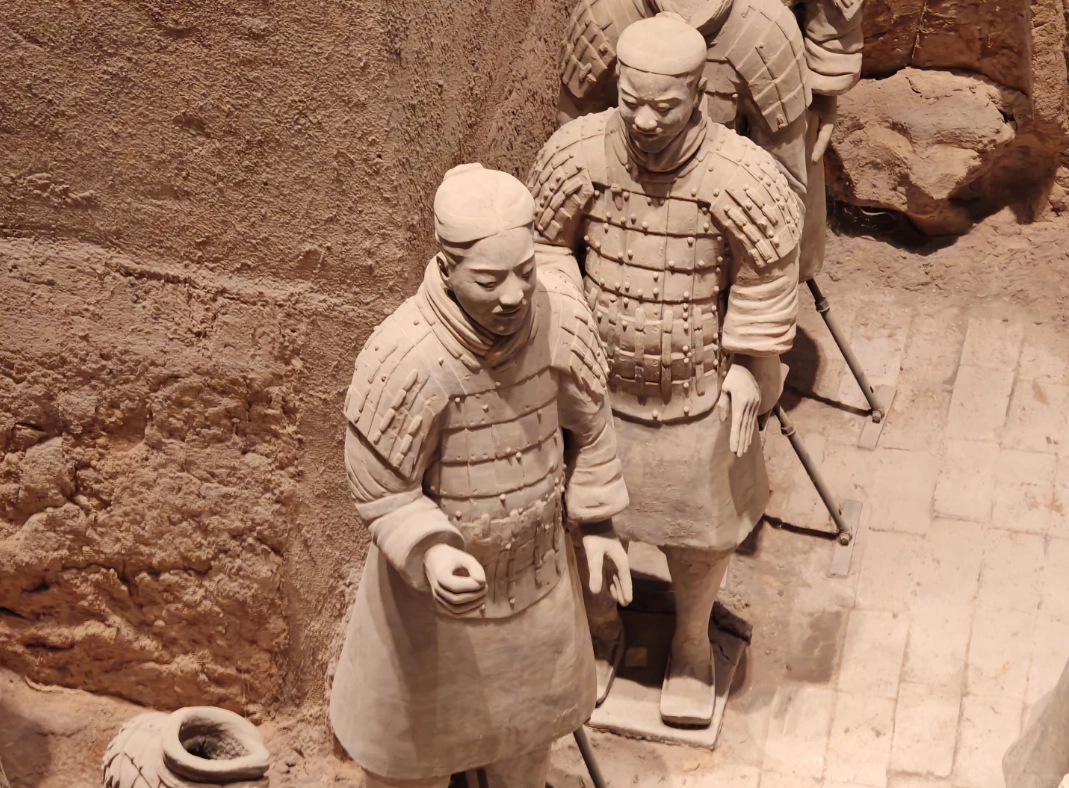
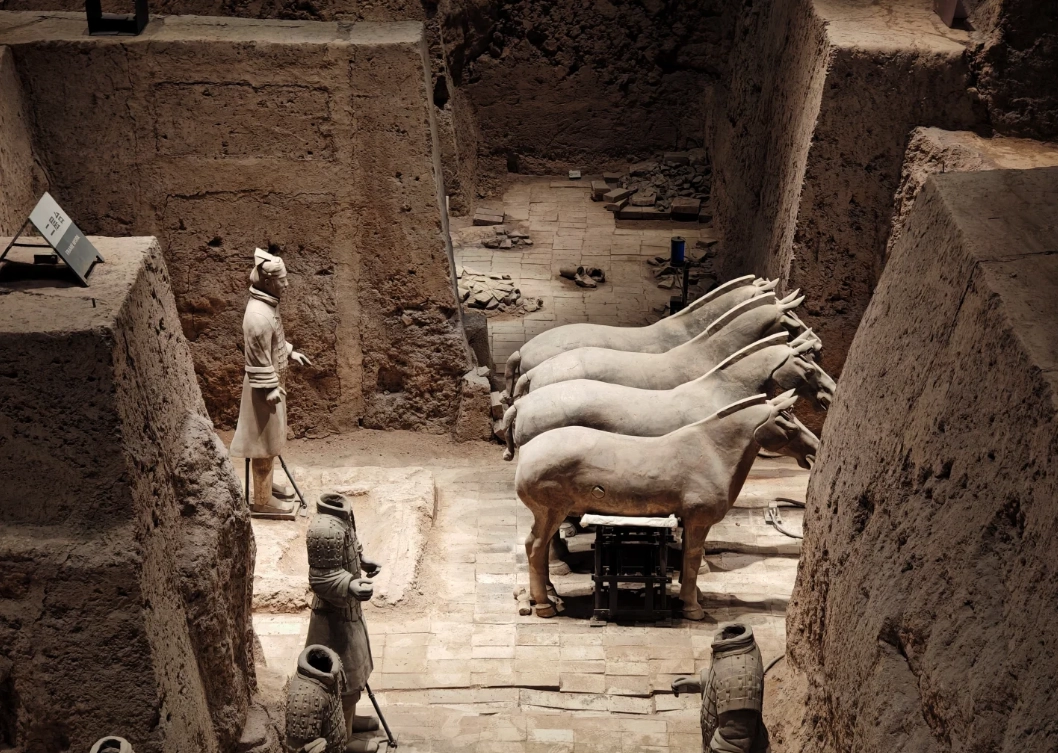
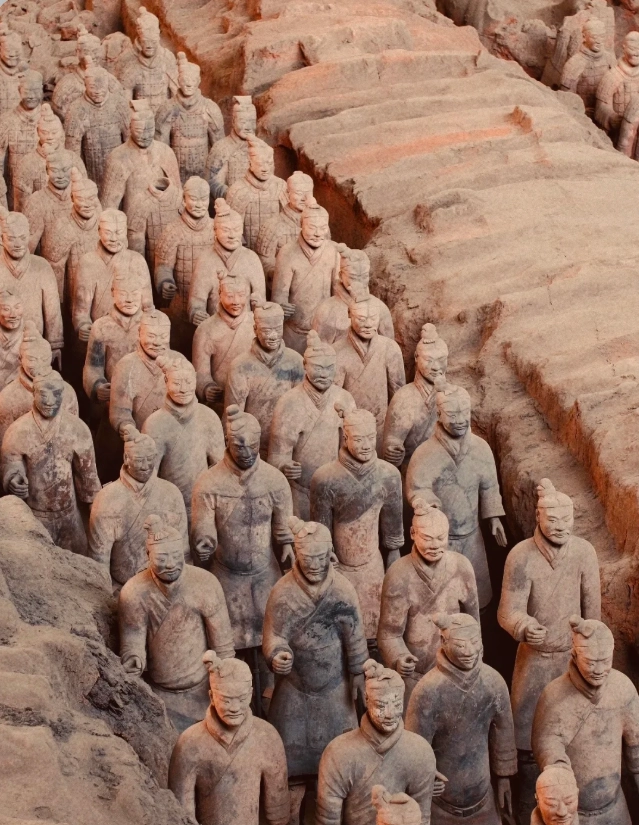
Known as the Eighth Wonder of the World, thousands of life-sized terracotta warriors and horses recreate the power and glory of the Qin Dynasty.
Terracotta Warriors Opening Hours & Tickets
- 08:30–17:00 (winter) / 08:30–18:00 (summer)
- Best season: Weekdays, early morning. Avoid October 1–7 and Chinese New Year.
- Ticket note:
Advance reservation required (name & passport). CNY 120. Discounts for students.
Essential Terracotta Warriors Visitor Information
- Enquiries: +86 29 81399001
- Vast parking lot
- Restrooms (multi-building)
- Visitor center with luggage storage
- Electric shuttle to pits
- Food court & Starbucks
- Barrier-free access & wheelchairs available
How to Get to Terracotta Warriors
Take Metro Line 9 to Huaqingchi, then public bus 602 or taxi. From Terracotta Warriors to Xi'an self-drive ~1 h.
Terracotta Warriors Travel Safety & Advice
On-site medical clinic. Public security post.
Terracotta Warriors Travel FAQ
Can I use my foreign credit card in Shaanxi shops and restaurants?
Rarely. Cash is also becoming hard to use. Your most reliable option is to link a foreign credit card to Alipay before you come. Smaller vendors, taxi drivers, and even some metro ticket machines will only accept QR code payments. If you haven’t linked Alipay, set up at least WeChat Pay with a foreign card — both now support Visa and Mastercard.
Do I need a special permit to visit close to the Terracotta Warriors?
No special permit, but you must bring your passport. All tickets are tied to passport numbers, and you’ll scan your passport at the entrance. The area itself is open to all tourists — just don’t climb off the walking paths.
Is it safe to walk around Xi’an at night?
Absolutely. Xi’an is generally a very safe city. Violent crime against tourists is almost unheard of. Standard precautions apply, especially around the Muslim Quarter where pickpocketing can occur in dense crowds. Stick to well-lit streets and you’ll be fine.
What if I don’t have a VPN? Will I be completely cut off?
Without a VPN, you won’t be able to access Google, Instagram, or Facebook. You can still use WhatsApp (sometimes blocked), but it’s spotty. Most hotels offer free Wi-Fi, and China’s domestic internet works fine for everything Chinese (like WeChat, Didi, and Baidu). My suggestion: buy a VPN subscription before you arrive and install it on your phone. Alternatively, use Apple Maps and a translator app that works offline.
Are there any hidden costs or scams I should watch out for?
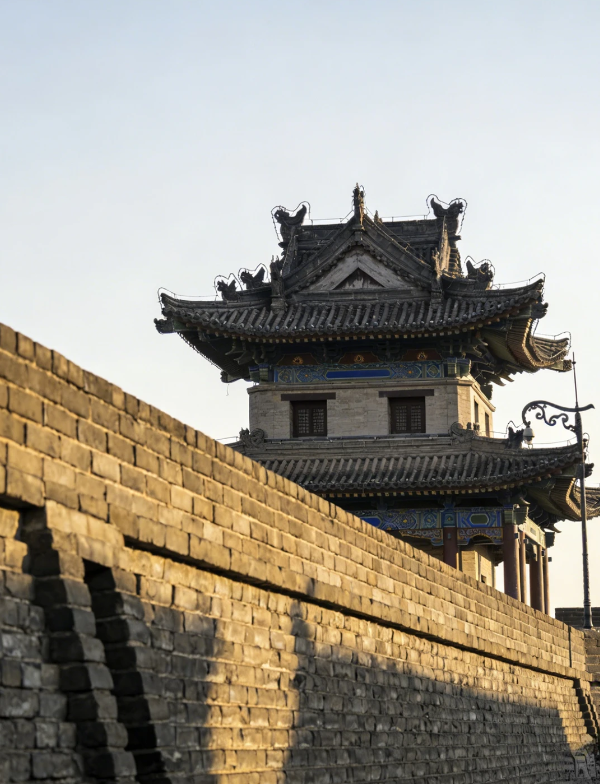
The biggest one is the “free tea ceremony” or “calligraphy visit” scam near the City Wall — you’ll be pushed into a teahouse or gallery where they pressure you into buying outrageously inflated items. Another classic: taxi drivers claiming your hotel is closed and offering to take you to another place (they get a commission). Politely insist on going to the address in your phone and show it to them conversationally.
What should I do if I only have one day in Shaanxi?
Hit the Terracotta Warriors in the morning, then the City Wall at sunset, and end with the Muslim Quarter. It's doable, but you'll walk a lot. Wear comfortable shoes. Start day with an early taxi to the warriors and book your ticket online
How can I pay without a Chinese bank card?
to save time.
How do I avoid crowds at the Terracotta Warriors (and other top things to do in Shaanxi)?
Go at 2 PM, as I mentioned. Also, consider visiting on a weekday. The site is least crowded on Tuesday and Wednesday. For the City Wall, go during sunset — it's busy but not unbearable. And for the Muslim Quarter, avoid weekends altogether if possible.
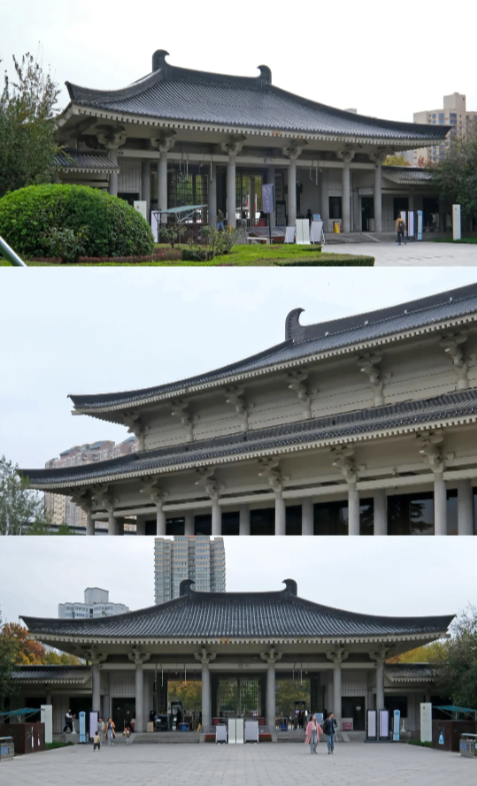
Is the Shaanxi History Museum worth the booking hassle?
Absolutely. It's one of China's top museums. If the free tickets are gone, the paid exhibitions (60 RMB) still get you into the core galleries. Use a third-party app like Trip.com for a paid tour that includes a guide — it's worth the extra cost to skip the headache.
Can I visit Mount Huashan in winter?
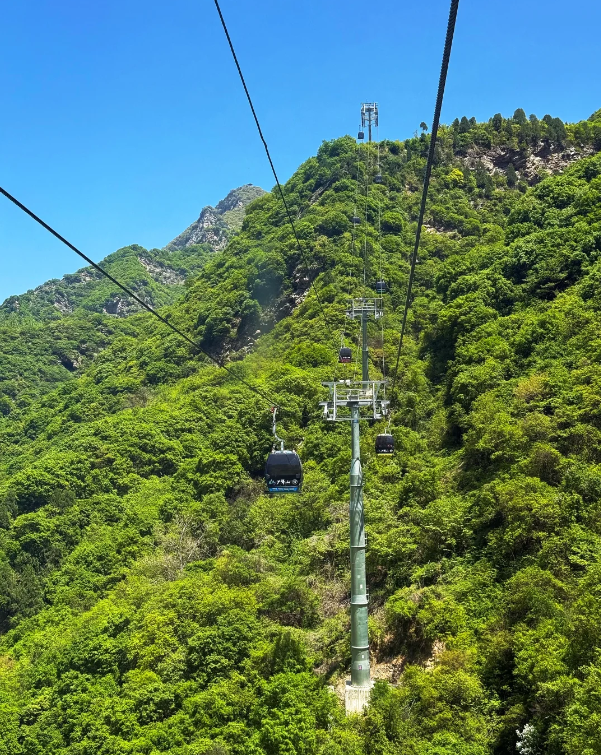
You can, but the cable car may close during snowstorms. Check local weather and daily announcements. If you're not an experienced ice hiker, stick to spring to autumn. The views are actually magical in winter with snow, but safety first.









Recent Reviews
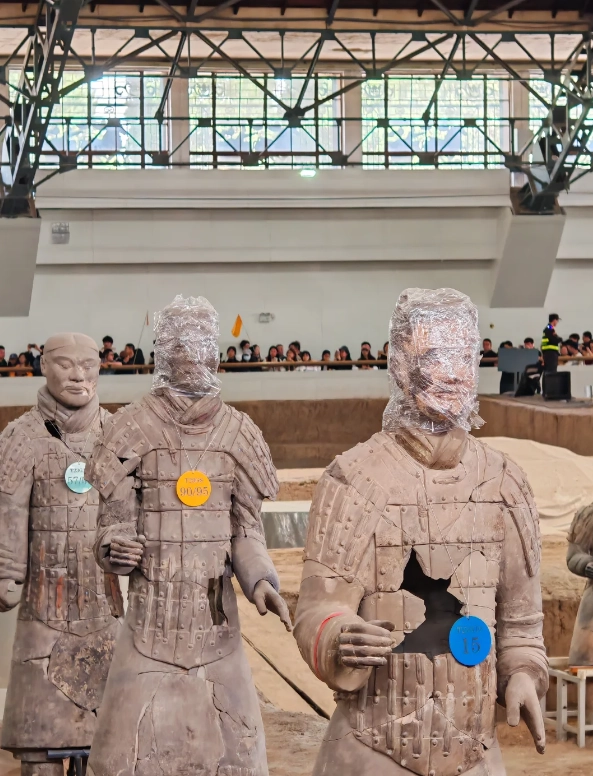
Finally ticked this off my bucket list, and it exceeded every expectation. The detail in the warriors – individual hair, expressions, even differing belt hooks – is mind‑blowing. I went with a guided tour, and our guide brought the history to life with stories about the craftsmen and the emperor’s obsession with immortality. The complex is huge, so wear comfortable shoes. The gift shop has a great selection of replica miniatures too. Absolutely worth the trip from Xi’an.
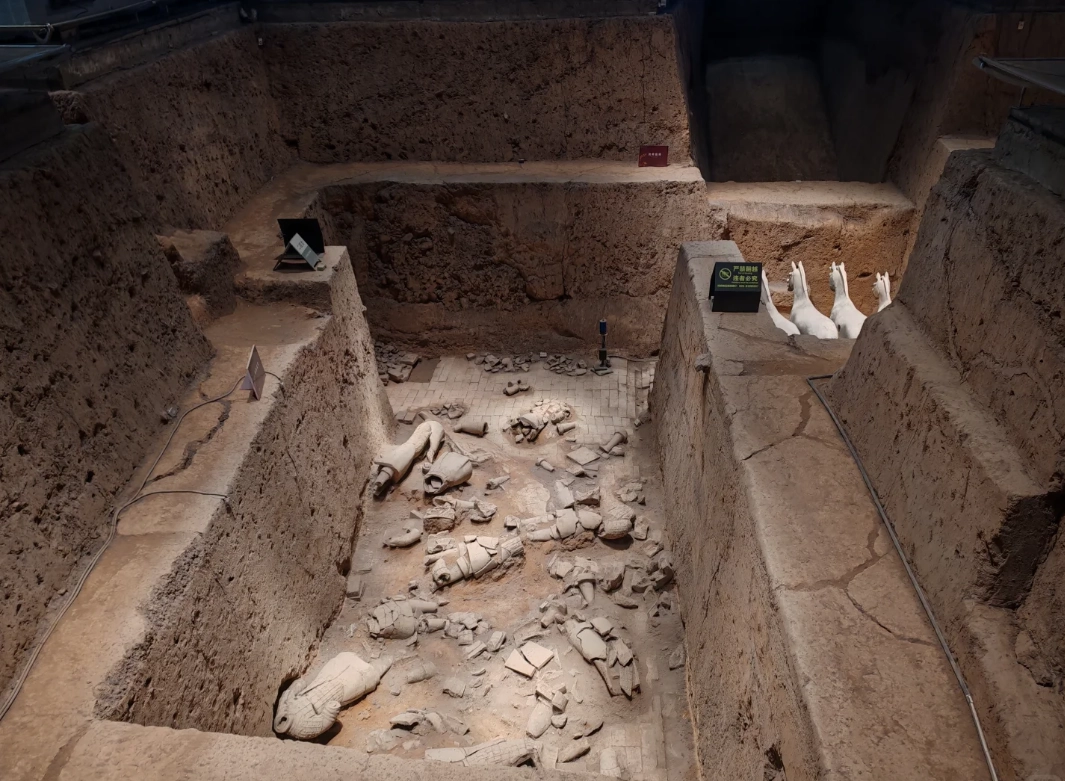
I’ll be honest – I’m glad I went, but I wouldn’t rush back. Pit 1 is impressive with the main army, but Pits 2 and 3 feel sparse and less well‑preserved. The crowds were insane even on a weekday, and the queue for the bathroom was ridiculous. The price for a bottle of water inside was also a bit of a ripoff. If you’ve seen a lot of ancient sites, this one might feel a little overhyped. Still, the craftsmanship is undeniable.
A masterpiece of archaeological presentation. The indoor pits are beautifully lit, and the walkways let you get surprisingly close without being intrusive. I loved the interactive displays and the short film explaining the construction techniques. The sheer number of warriors is staggering, and you can spend hours just examining their armor and expressions. No flash photography is allowed, which keeps the experience respectful. Highly recommend the combo ticket with the Qin Shi Huang Mausoleum.
Honestly, I was a bit let down. The warriors themselves are incredible, no doubt, but the whole site feels overly commercialized – constant hawkers, expensive shuttle buses, and a maze of souvenir stalls. The main pit was packed shoulder‑to‑shoulder, and the lighting makes it hard to appreciate the details. For the hype and the pricey ticket, I expected a more serene, educational atmosphere. It’s worth seeing once, but temper your expectations.
Absolutely breathtaking. I’ve seen photos a hundred times but standing in front of those life‑size warriors, each with a unique face, gave me chills. The sheer scale and historical weight are overwhelming. The museum is well organized, and the audio guide provided fascinating context. I’d say it’s a once‑in‑a‑lifetime experience that every traveler should have. Just go early to avoid crowds!
Leave a Review