 Peng Gao
Let's be honest, when you think of Shaanxi, the Terracotta Warriors and Xi'an's city wall probably jump to mind first. But just a couple of hours south, the landscape transforms completely. The jagged, forest-clad peaks of the Qinling Mountains rise up, and nestled among them is Niubeiliang National Forest Park. I've hiked here multiple times over the years, and each visit reminds me why it's a breath of fresh air—literally and figuratively—from the northern plains. It's not just a park; it's a dramatic elevation change, a biodiversity hotspot, and a serious hiking destination. This guide cuts through the generic info to give you the practical details and on-the-ground insights you need to plan your trip.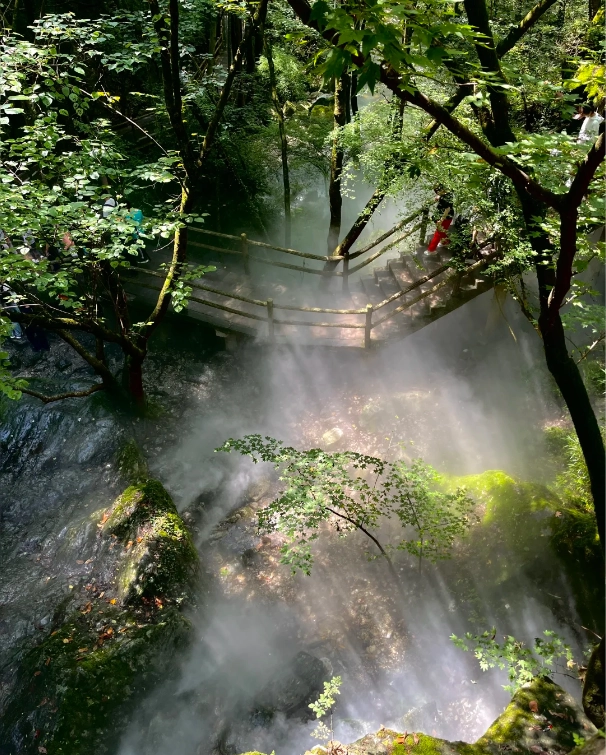
What's Inside This Guide
How to Get to Niubeiliang from Xi'an
Niubeiliang sits in the southern part of the Qinling range, administratively split between the Ningshan and Zhashui counties. The main park entrance and tourist center is on the northern slopes. Getting there requires a bit of commitment, but the journey is part of the adventure.
By Tourist Bus (Most Straightforward): During the peak season (roughly April to October), direct tourist buses run from Xi'an. They typically depart from the stadium or major hotel pickup points early in the morning (around 7:00-8:00 AM) and return in the late afternoon. The ride takes about 2 to 2.5 hours. Booking through your hotel or a local travel app the day before is crucial—they don't just show up. I missed one once by assuming I could buy a ticket on the spot; it was a long wait for the next option.
By Public Bus + Local Taxi (More Flexible, More Steps): Take a long-distance bus from Xi'an's South or West Bus Station heading to Zhàshuǐ County. From Zhashui bus station, you'll need to hire a local taxi or a minivan for the final 40-minute drive up to the park entrance. Negotiate the round-trip fare with the driver, including wait time, before you set off. This method gives you control over your return time.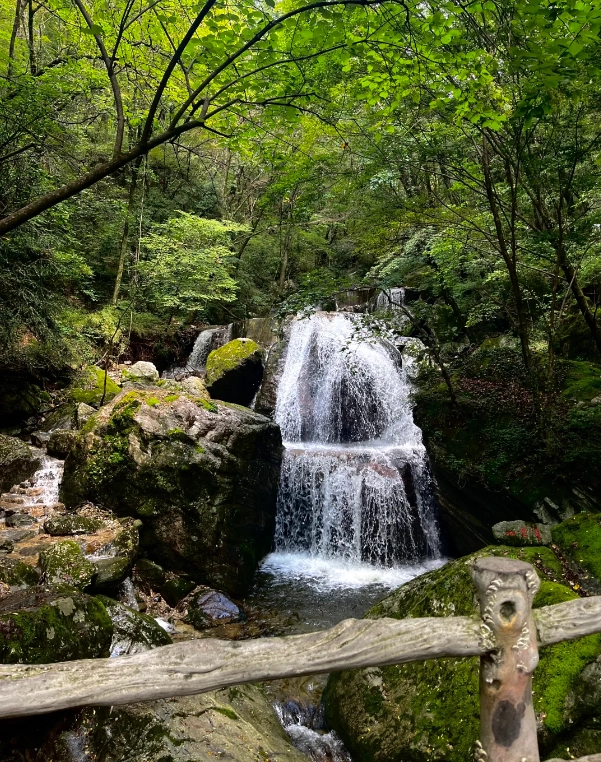
By Private Car or Hire: Driving yourself gives the most freedom. Take the G65 Baomao Expressway from Xi'an, exit at the Yingpan or Zhashui interchange, and follow signs to Niubeiliang. The mountain roads are well-paved but winding. Hiring a car with a driver for the day from Xi'an is a popular and stress-free choice for small groups, though it's the most expensive.
A Quick Geography Note
Many first-time visitors are confused by the "Niubeiliang" name appearing in different contexts. The Niubeiliang National Forest Park is the main protected area with ticket gates and managed trails. It's distinct from the broader Niubeiliang Nature Reserve, a larger, more restricted scientific protection zone. For tourism and hiking, you're almost certainly heading to the National Forest Park. The park itself is massive, with different valleys and sections. Most first-time visitors enter through the main northern gate near the "Camel Peak" area.
Park Basics: Tickets, Hours & Choosing Your Trail
Best Time to VisitApril to June: Spring flowers, fresh greenery.September to October: Clear skies, autumn foliage.
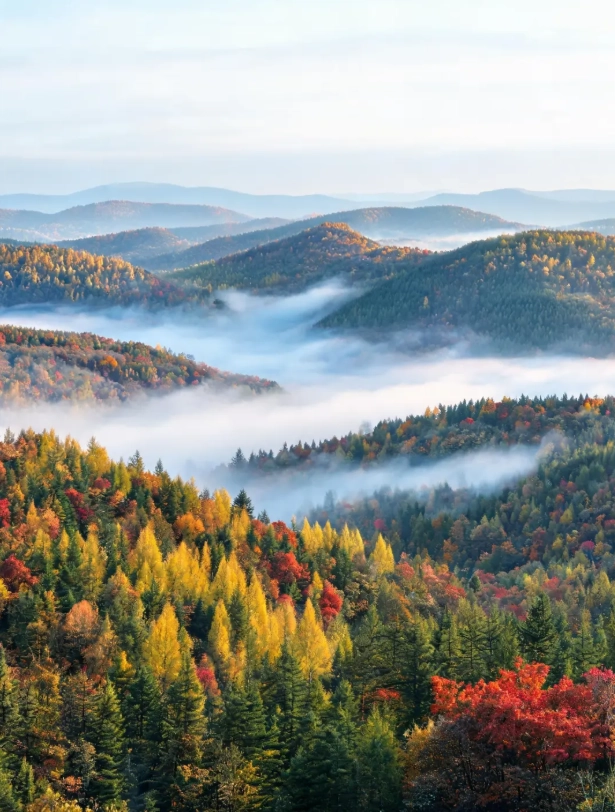
July-August: Cool escape from summer heat, but also peak rain.I prefer early October. The humidity drops, the mosquitoes are gone, and the mountain ash trees turn brilliant yellow and red. July can be stunningly green but misty—views aren't guaranteed.
| Item | Details | Notes from My Visit |
|---|---|---|
| Ticket Price | Approximately 110 RMB (Peak Season). Around 70-80 RMB (Off-season, Nov-Mar). | Prices can fluctuate slightly. Check official WeChat accounts for latest info. The ticket usually includes access to the shuttle buses inside the park, which are necessary. |
| Opening Hours | 8:00 AM – 6:00 PM (Last entry around 4:00 PM). | In winter, hours may be shorter. The shuttle buses stop running well before closing time, so don't cut it too fine. |
| Suggested Visit Duration | A full day (6-8 hours inside the park). | It's a day trip from Xi'an, but you'll be exhausted if you try to do it all. An overnight stay nearby is highly recommended to break up the travel. |
Understanding the Trail System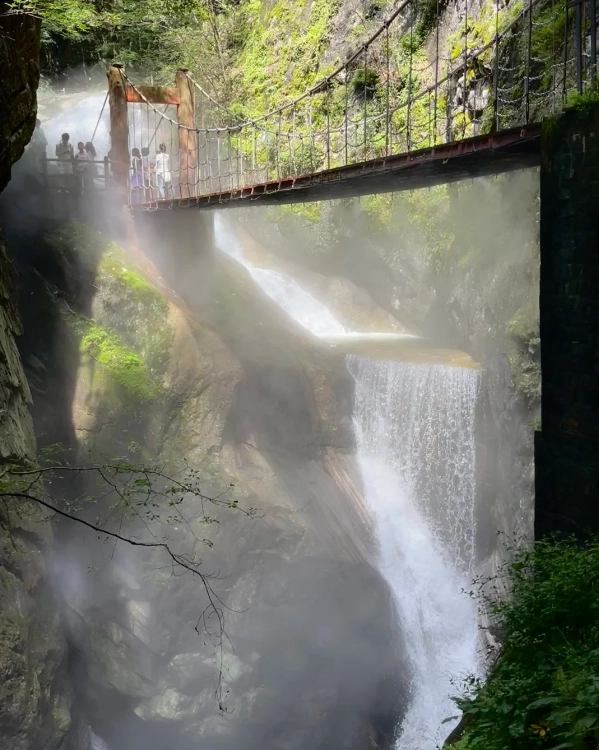
The park uses a combination of shuttle buses and walking trails. You can't drive your own car on the main park roads. Here’s the typical flow:
1. Park Entrance & Shuttle Ride: After buying your ticket, you board a park shuttle bus. This bus drives you several kilometers up the mountain valley to the start of the main hiking areas. The ride itself offers glimpses of deep gorges.
2. Choosing Your Route: You'll be dropped off at a central hub. From here, you usually have two main walking route options, often forming a loop.
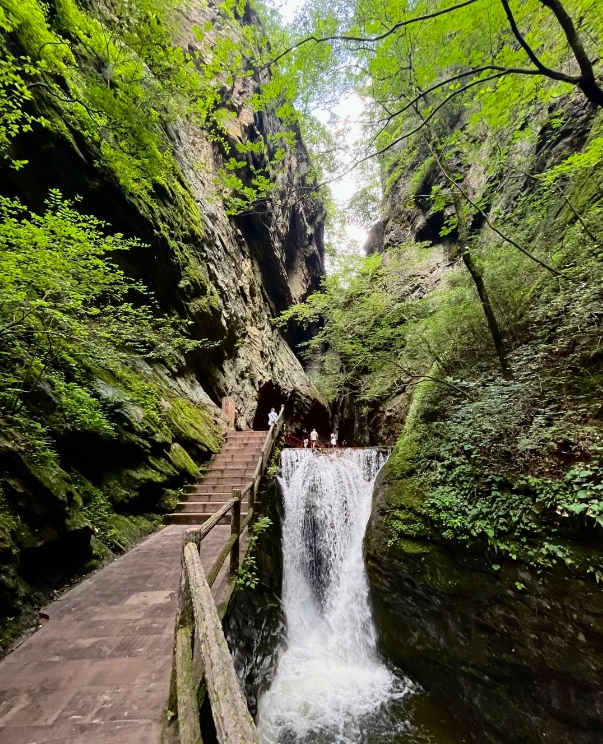
- The Cliffside Boardwalk Trail: This is the park's signature. It's a well-built wooden and stone walkway clinging to the side of the mountain. The views are incredible—you look across a vast canyon to forested peaks. It's mostly flat or gently sloping, but it involves a lot of stairs at connection points. Great for photography and those who want views without extreme exertion.
- The Forest Valley Trail: This path descends into a lush, shaded valley along a stream. You'll cross little bridges, pass by small waterfalls, and the air is noticeably cooler and more humid. It's more about intimate forest immersion than grand vistas.
Most people take the boardwalk in one direction and the valley trail in the other, creating a satisfying 3-4 hour loop. The park maps at the hub are decent, but asking a staff member to trace the recommended loop for current conditions is wise.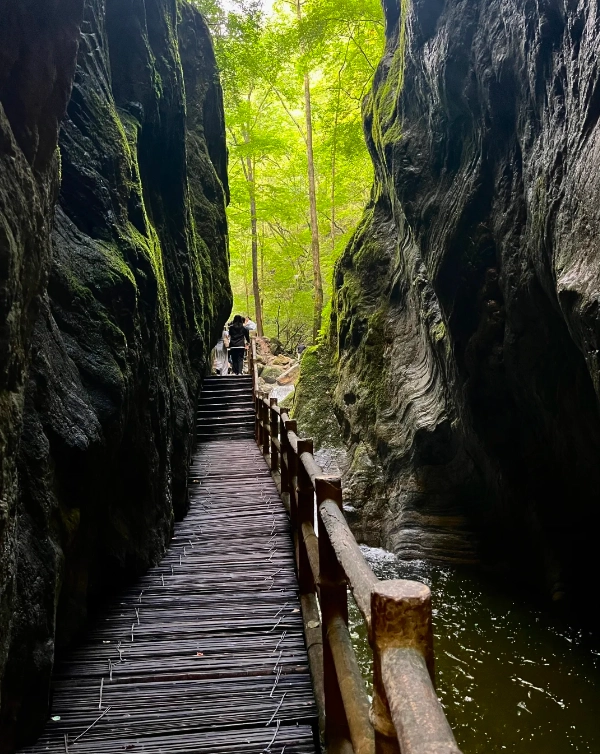
What to Do in Niubeiliang: Beyond Just Hiking
Hiking is the main event, but there's more to it if you know where to look.
Chasing the "Sea of Clouds" View: If you arrive on a day after rain or in the early morning, you might get lucky and see the famous yún hǎi, where clouds fill the valleys below the peaks, making the mountains look like islands. The best vantage points are along the highest sections of the cliffside boardwalk, near landmarks like "Six Curves Pavilion." It's not a daily guarantee, but it's magical when it happens.
Wildlife Spotting (The Quiet Way): Niubeiliang is a sanctuary for the rare and endangered Golden Snub-nosed Monkey and the Giant Panda. You will almost certainly not see a panda. The monkeys are a very rare sight deep in the reserve. However, birdwatching is fantastic and underrated. Bring binoculars. I've spotted various pheasants, laughingthrushes, and woodpeckers along the quieter forest trails. The key is to walk slowly and stop frequently to listen.
The "Sky-Ladder" Hike for the Ambitious: For serious hikers, there's an optional, strenuous side trail that leads to one of the higher peaks. It involves a long, steep climb up stone steps—locally called the "sky-ladder." The view from the top is arguably the best in the park, but it adds at least 1.5-2 hours of hard effort to your day. Only attempt this if you're fit, have good shoes, and started your hike early.
Where to Stay and Eat Near the Park
Staying overnight transforms the experience from a rushed day trip into a relaxing mountain getaway.
Accommodation Options:
- Park Gate Hotels: Several mid-range hotels and guesthouses are clustered within a 5-minute walk of the main ticket office. They are functional, clean, and super convenient for an early start. Examples include the Niubeiliang Holiday Hotel. Book in advance during holidays.
- Homestays in Houzhenzi Town: About a 15-20 minute drive down the mountain, this small town offers more authentic local homestays. You'll get a home-cooked dinner and breakfast, often with locally sourced ingredients. The rooms are basic but cozy. It's a better cultural experience.
- Zhashui County Town: If you want more hotel choices and restaurant variety, stay in Zhashui. You'll have a 40-minute drive to the park in the morning, but you're closer to other potential stops.
Food Realities: Don't expect gourmet dining. Inside the park, there are simple canteens and snack stalls at the main hub selling instant noodles, boiled eggs, steamed buns, and drinks. The quality is what you'd expect. The smarter move is to pack your own lunch—sandwiches, fruit, nuts—and have a picnic at one of the scenic rest areas. For dinner, eat at your hotel or homestay. The local specialty is mountain wild vegetables and dishes featuring locally sourced mushrooms, bamboo shoots, and free-range chicken.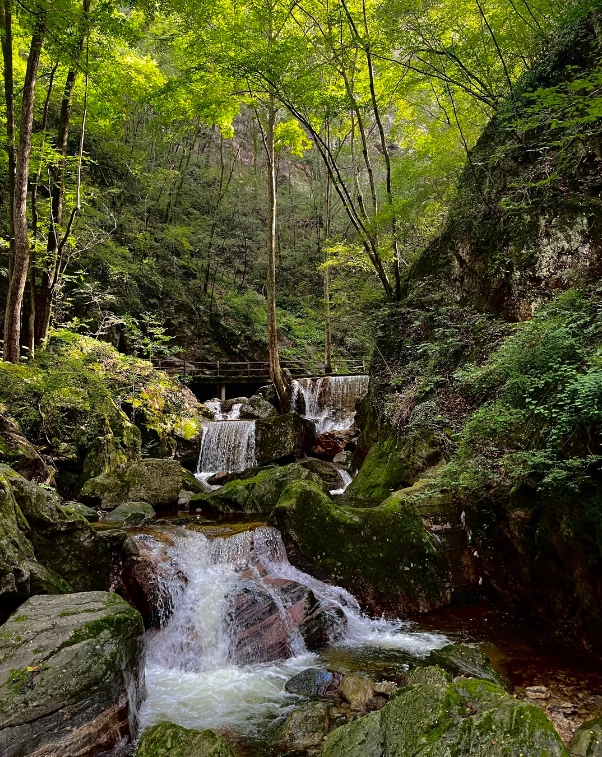
Essential Tips for Your Visit
These are the things I learned the hard way, so you don't have to.
Footwear is Non-Negotiable: Wear proper hiking shoes or trail runners with good grip. The stone paths can be slippery, especially in the damp valley or after a drizzle. I saw people in flat sneakers and even sandals struggling and looking miserable.
Layer Your Clothing: Mountain weather changes fast. At the entrance, it might be warm. At the high points of the trail, it can be windy and 10°C (18°F) cooler. A lightweight packable jacket, hat, and a spare shirt are essential.
Carry Cash (Some): While ticket offices and big hotels take mobile pay, some small shuttle bus deposits or remote snack vendors might prefer cash.
Manage Your Expectations for Solitude: On weekends and Chinese national holidays, Niubeiliang gets busy. The boardwalk can feel crowded. For a quieter experience, visit on a weekday if you can. The forest valley trail is usually less crowded than the boardwalk.
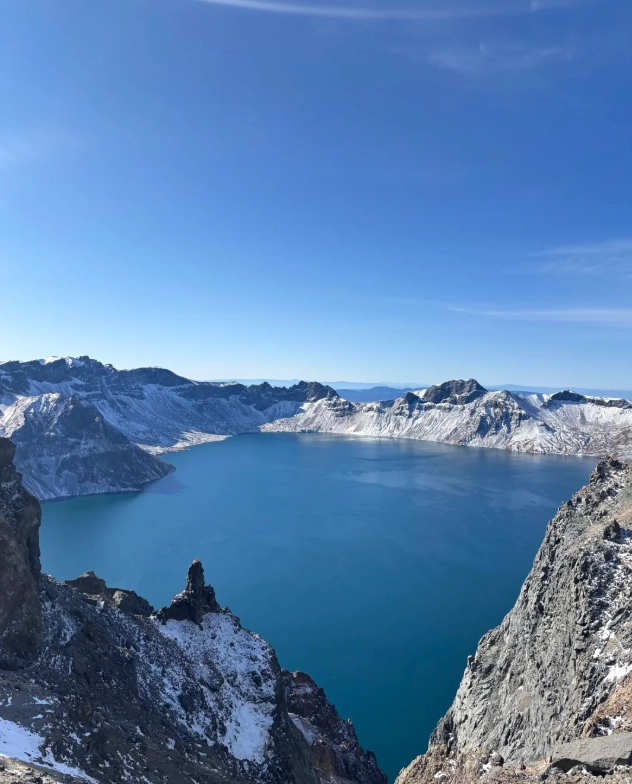
Altitude Awareness: The park's highest points are around 2,800 meters (9,200 ft). While not extreme, some people might feel slight shortness of breath on the climbs. Take it slow, stay hydrated.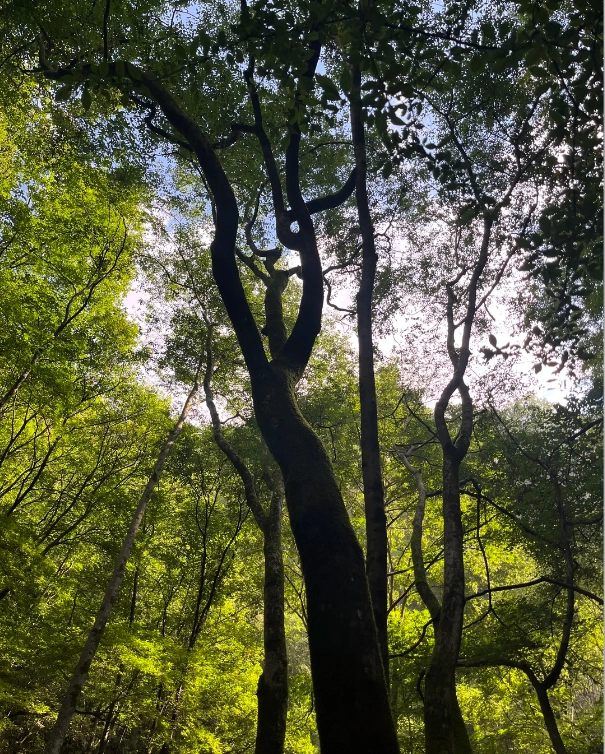
Your Niubeiliang Questions Answered
Is Niubeiliang suitable for families with young children or elderly visitors?
It depends on their mobility. The cliffside boardwalk, while involving stairs, is wide and secure with railings. Many active seniors manage it fine by taking frequent breaks. The forest valley trail has more uneven steps and can be slippery. For very young children or those with knee issues, the shuttle bus + a short stroll on the boardwalk for the view is a viable compromise. I wouldn't recommend attempting the full loop with a toddler in a carrier unless you're very experienced and strong—those stairs are relentless.
What's the one thing most visitors miss at Niubeiliang?
The small Qinling Biodiversity Museum near the park entrance. Most people rush past it to start hiking. It's free with your park ticket and takes 20 minutes. It has excellent dioramas and information (some in English) about the unique ecosystem you're about to enter—the Qinling as the north-south dividing line of China, its rare species, and geology. It provides crucial context that makes the hike more meaningful. Stop in on your way out if you're too eager in the morning.
 Can you visit Niubeiliang in the winter? Is it worth it?
Yes, but it's a completely different experience. The park is open, but some trails (especially the steep sky-ladder) may be closed for safety. You'll see frozen waterfalls and snow-dusted pines. It's stunningly beautiful and almost empty. However, you must be prepared: the temperatures are below freezing, paths can be icy (microspikes/crampons are a good idea), and shuttle bus frequency is reduced. The guesthouses at the gate are open but can be chilly. It's worth it for photographers and those seeking solitude, but not for a casual first-time visitor.
How does Niubeiliang compare to Hua Shan or Taibai Shan?
They're all in the Qinling but serve different purposes. Hua Shan is about adrenaline-pumping cliffside paths and iconic, singular peaks. It's more extreme. Taibai Shan is for multi-day, high-altitude trekking and summit challenges. Niubeiliang is the most accessible and family-friendly of the three. It offers the classic Qinling "peak forest" views and deep valley immersion on a network of managed, safer trails. You come to Niubeiliang for a scenic, substantial day hike, not for a summit conquest or heart-stopping photos on a plank walk.






One of the best day hikes I’ve ever done. The trail offers a perfect mix of shaded woodland and open ridgelines with sweeping views. Saw deer and lots of birds. The bamboo grove section was a highlight. Pack a picnic and plan for a full day—you won’t want to leave.
Unreal experience! The ancient pine forest feels like stepping into another world. We camped overnight and woke up to a sea of clouds below—absolutely magical. The park staff were friendly and gave us great tips on the best photo spots. Can’t recommend it enough!
Honestly a bit disappointed. We drove two hours to get here and found the parking lot almost full, the trail crowded, and the signage confusing in a few spots. The scenery is ok but not mind-blowing compared to other parks in the region. Maybe I’d come back on a weekday.
Did a day trip here last week. The forest is beautiful and the air is fresh, but the entrance fee felt a bit steep for what you get. Some of the rest stops along the trail were poorly maintained. Still, the panoramic views near the summit are worth the effort. I’d give it 4 stars.
Absolutely stunning views from the top! The hike was challenging but so rewarding, especially the misty morning when the sun broke through the clouds. The trail markers were clear and we felt safe the whole time. Definitely a must-do for nature lovers—bring plenty of water and snacks!
Good value for a weekend escape. The entry fee is reasonable, and the fresh mountain air is a real treat. We took the shorter route to the waterfall—nice but not spectacular. The biggest downside was the food stall near the entrance: overpriced instant noodles and cold tea. Bring your own snacks. Overall a pleasant hike, just manage expectations on the amenities.
Unforgettable sunrise! We camped near the second meadow and woke up to a sea of clouds rolling over the peaks. The park is massive—we barely covered a third of it in two days. The rangers were friendly and gave us tips on where to see wildflowers. Only reason not a 5 is the lack of trash bins at camping spots; please pack out everything. Still, 5 stars for the raw beauty.
Honestly, I was a bit let down. We planned this trip after seeing amazing photos, but the weather turned foggy and rainy halfway up—not the park’s fault, I know. That said, the trail became really slippery and muddy, and there were almost no restrooms or shelters along the way. For the entrance fee, I expected better facilities. Might give it another shot on a clear day, but my first experience was meh.
Niubeiliang is a solid choice for a day hike, but I’d give it 4 stars. The scenery is beautiful, especially the mist over the pine forests. However, the parking lot was a mess when we arrived at 9am—no clear signage and we had to squeeze into a spot. Also, some of the trail markers near the summit were faded, which caused a bit of confusion. Still a great workout and worth the drive from Xi’an.
Absolutely stunning! We hiked the main loop last Saturday and the views from the ridge were breathtaking. The trail was well-maintained, and we spotted deer and a golden pheasant along the way. The autumn colors were at their peak—definitely a bucket-list spot for nature lovers. Highly recommend going early to avoid crowds and bring plenty of water since there are no shops on the trail.