 Hong Ma
Let's be honest. When you think of major tourist draws in Shaanxi, the Terracotta Army and Xi'an's city wall probably jump to mind first. But tucked away in the Qinling Mountains, about an hour's drive south of Xi'an, lies a natural spectacle that consistently surprises first-time visitors: the Zhashui Karst Cave. I've been through it twice now, and both times I walked out thinking the same thing—this place is seriously underrated. It's not just a hole in the ground with some damp rocks. It's a sprawling, multi-level labyrinth of stalactites, stalagmites, stone waterfalls, and an underground river, all lit with a subtlety that avoids turning it into a neon disco (a common pitfall in other show caves). If you're looking to break up a history-heavy Shaanxi itinerary with some raw, impressive geology, this is your spot.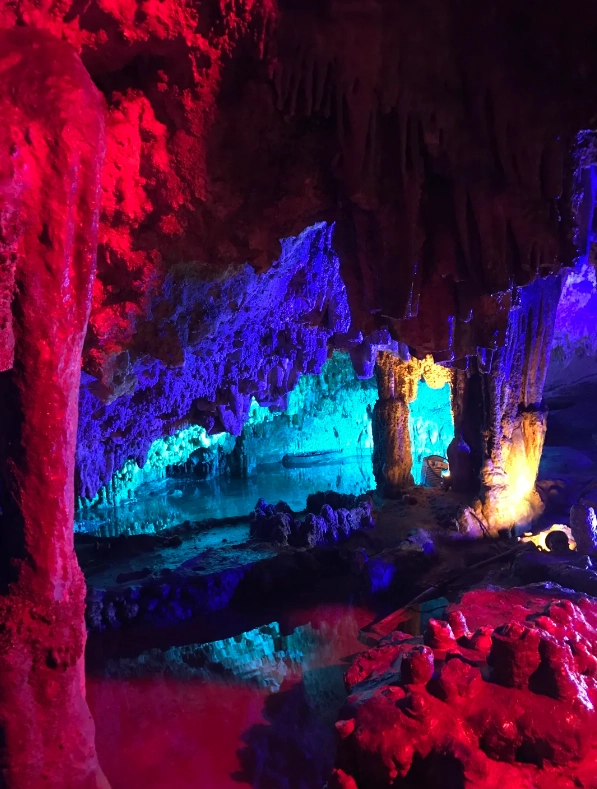
What You'll Find in This Guide
What Makes Zhashui Karst Cave Special?
Zhashui Karst Cave is part of a vast limestone system carved out by water over millions of years. The main draw is its scale and variety. Unlike single-passage caves, this one feels like exploring a multi-story building, with paths that coil around colossal pillars and over deep clefts. The constant, gentle sound of dripping water sets the atmosphere. The local tourism authority, the Shaanxi Provincial Department of Culture and Tourism, highlights it as a key natural attraction in the Shangluo region, and for good reason.
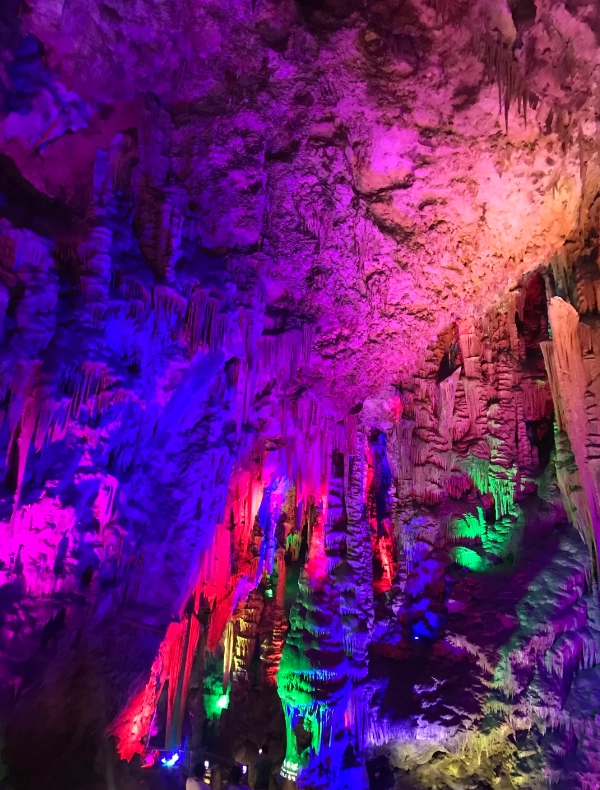
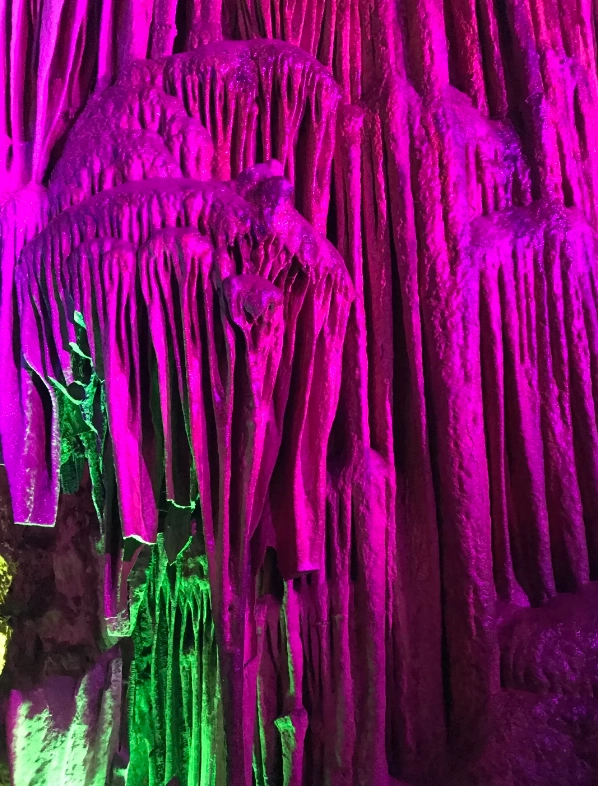
What stayed with me after my visit wasn't just one big formation, but the textures. In one chamber, the rock walls look like frozen velvet. In another, thousands of tiny soda-straw stalactites hang from the ceiling like a delicate chandelier. The lighting is generally well done—it highlights features without being garish, though a few spots near the entrance feel a bit bright. The underground river section is the climax. You board a small, flat-bottomed boat for a quiet, five-minute glide through a cavern where the ceiling glistens mere feet above your head. It's cool, serene, and a perfect way to end the interior walk.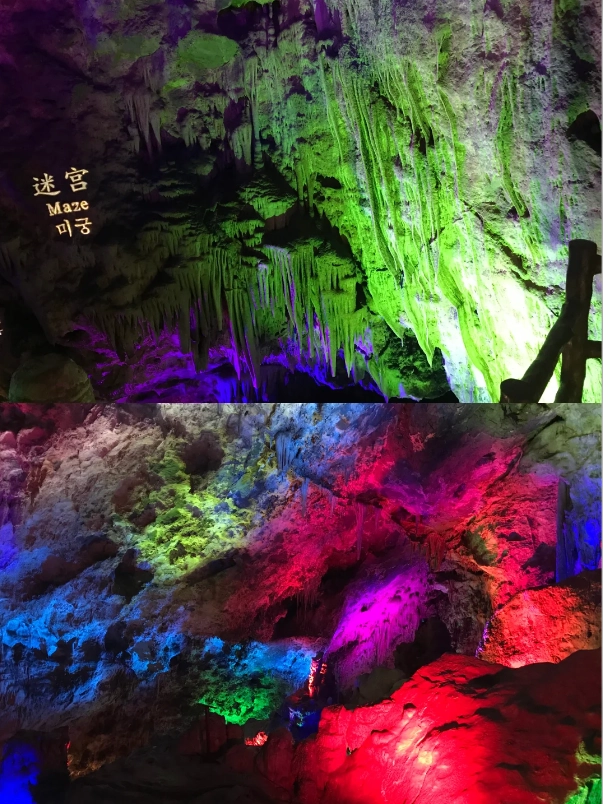
How to Get to Zhashui Karst Cave
This is the main logistical hurdle. The cave is located in Zhashui County, Shangluo City, Shaanxi Province. It's not in a major urban center, so planning your transport is key.
From Xi'an by Public Transport
The most economical method. First, take a long-distance bus from Xi'an's Shaanxi Provincial Bus Station (near the Xi'an Railway Station) directly to Zhashui County town. Buses run frequently, and the journey takes roughly 1.5 to 2 hours. Once in Zhashui town, you need to transfer to a local minibus or taxi for the final 15-20 minute ride to the cave entrance. The minibuses are cheap but can be infrequent and wait until they're full. I found it easier to team up with 2-3 other travelers at the bus station and split a taxi, which cost about 30-40 RMB for the car.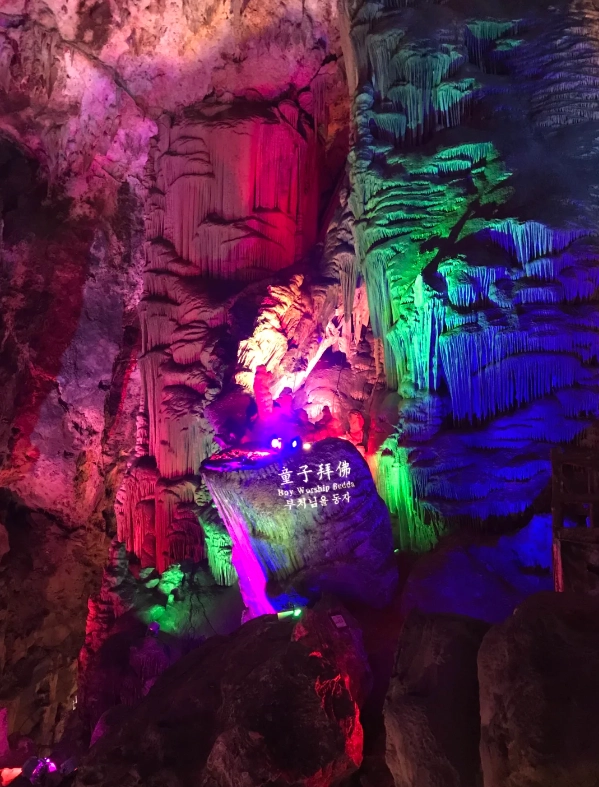
By Private Car or Taxi
The most flexible option. Driving from downtown Xi'an takes about 1 hour and 20 minutes via the G65 Baotou-Maoming Expressway. Take the Zhashui exit and follow signs. There's a large, paved parking lot at the site (parking fee is around 10 RMB). You can also hire a taxi for a round-trip from Xi'an; negotiate a day rate with the driver, which typically ranges from 500 to 700 RMB, including waiting time.
By Organized Tour
Many hotels and travel agencies in Xi'an offer day tours to Zhashui Karst Cave, often combined with a nearby attraction like the Zhashui Ancient Town or a hike in the Qinling foothills. This removes all planning stress and includes transport, entrance tickets, and sometimes a guide. The downside is less freedom and a fixed schedule.
Key Location & Contact Reference
Official Address: Yulinzi Town, Zhashui County, Shangluo City, Shaanxi Province, China 711400.
While a dedicated English website is elusive, information is often listed on regional tourism portals. For the most accurate opening times or holiday notices, your hotel concierge in Xi'an can sometimes call the site directly.
Inside the Cave: What to Expect on Your Walk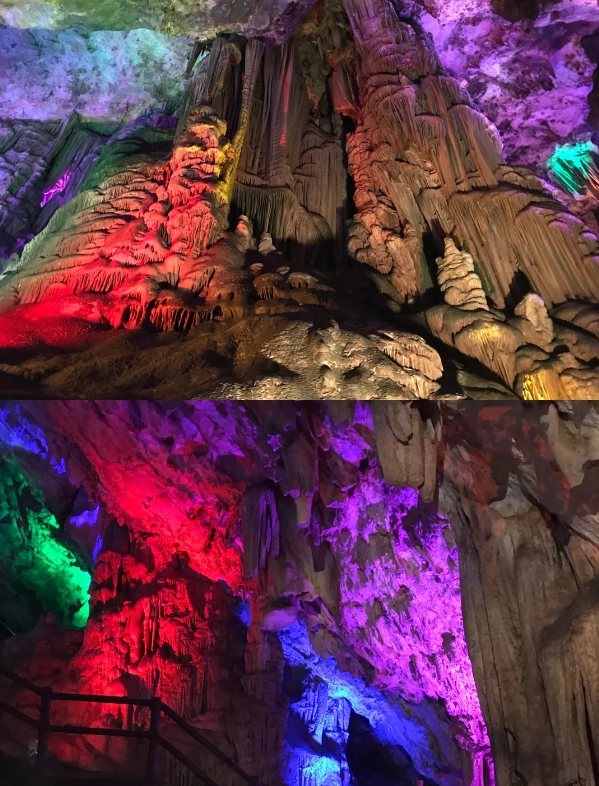
The tour follows a one-way route. You enter at a mid-level and essentially do a giant loop, descending to the lowest point at the underground river, then climbing back up to exit near the start. The entire walk, at a leisurely pace with stops for photos, takes about 90 minutes to 2 hours. The boat ride is included in the ticket and happens about two-thirds of the way through.
Here’s a breakdown of the notable sections, so you know what you're looking at:
- The Grand Hall: Right after the entrance, this space sets the scale. Look up to see massive stalactite formations that resemble coral reefs or inverted forests.
- The Corridor of Curtains: A narrower passage where flowstone drapes down the walls in rippling, translucent sheets. The lighting here is particularly effective.
- The Stone Waterfall Zone: This is a highlight. A vast, frozen cascade of calcite that seems to pour down a cliff face. It's one of the best photo spots, but the walkway is steep and can be slippery here.
- The Underground River Dock: You'll hear the water before you see it. The boat ride is short but magical. The boatman usually doesn't speak English but will point out a few shapes in the rock. Keep your head down—the ceiling gets low.
- The Ascending Path: After the boat, you climb a series of stairs back to the exit level. This is the most physically demanding part, with several flights. Take your time.
Photography is allowed throughout, but tripods can be cumbersome on the narrow paths. A camera with good low-light performance or a fast lens is a big advantage. Flash often creates harsh reflections on the wet surfaces, so try to rely on the ambient lighting.
Practical Visitor Information: Tickets, Hours & Tips
Here’s the data you need to plan your visit, compiled from the official ticketing and my own experience.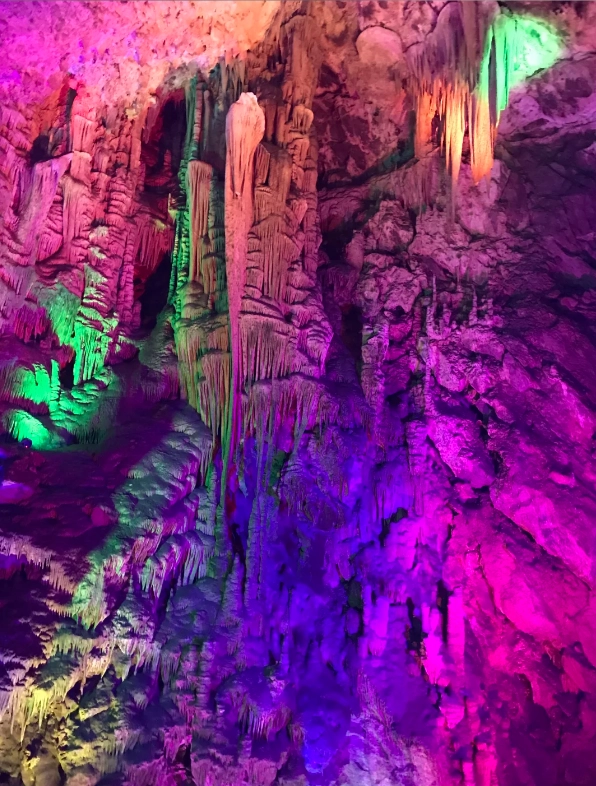
| Item | Details | Notes / Personal Advice |
|---|---|---|
| Ticket Price (Peak Season) | Approximately 102 RMB per adult. | Peak season is generally March to November. Prices may be slightly lower in winter. Discounts are usually available for students, seniors (60+), and children (1.2m-1.4m tall). |
| Opening Hours | 8:30 AM — 5:00 PM (Last entry around 4:00 PM). | Hours can extend slightly in summer. It's best to arrive by 3:00 PM to have a relaxed visit without being rushed. |
| Best Time to Visit | Weekdays, outside of Chinese national holidays. | I visited on a Tuesday morning and had whole chambers to myself. Weekends and holidays see a significant influx of domestic tourists. |
| Time Needed | 2 to 3 hours total (including transport from parking to entrance). | This includes the 90-min cave walk, plus time for the shuttle bus from the main ticket area, using facilities, etc. |
| Physical Difficulty | Moderate. Involves many stairs and some steep, slippery slopes. | Not recommended for those with severe knee problems or mobility issues. The paths are paved but uneven. |
| What to Wear/Bring | Sturdy, closed-toe shoes with grip. A light jacket or sweater. | This is non-negotiable. The floor is often wet. I wore hiking shoes and was glad for it. The jacket is for the constant 16°C chill. |
| Facilities On-Site | Restrooms at the entrance/exit, basic souvenir shops, small snack stalls. | Eat a proper meal before you come or after. The food options are very limited. Bring a bottle of water. |
One thing most guides don't mention: after buying your ticket at the main gate, you still need to take a mandatory environmental shuttle bus for about a 5-minute ride up to the actual cave entrance. This is included in your ticket. Don't make the mistake of thinking you can walk it—it's a separate road not open to pedestrians.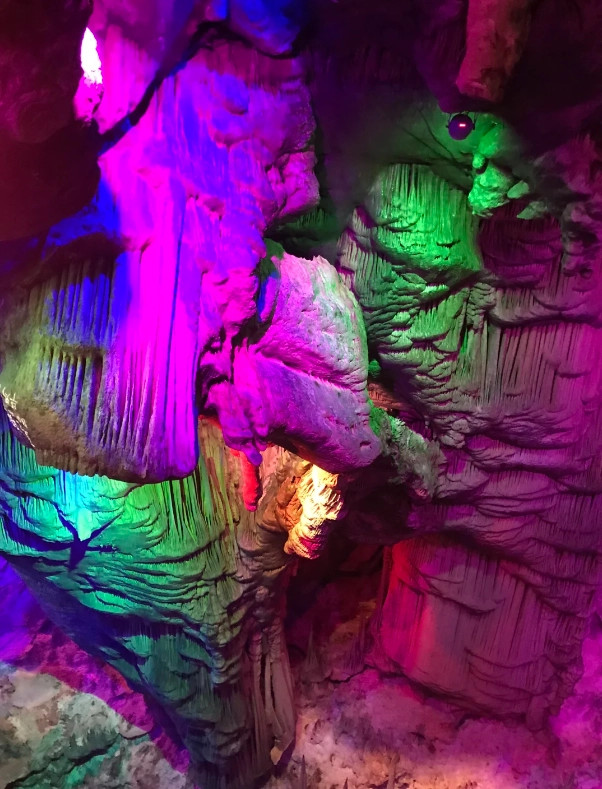
Your Zhashui Karst Cave Questions Answered
Is Zhashui Karst Cave suitable for young children or elderly visitors?
It depends. For active, sure-footed children who can handle stairs, it can be a fascinating adventure. Hold their hand tightly in slippery sections. For toddlers or infants, I'd advise against it due to the stairs, low railings in places, and constant dampness. For elderly visitors, the main challenge is the sustained climb at the end. If they are generally fit and can manage several flights of stairs with handrails, they should be fine. If mobility is a concern, the cave will be difficult. There are no wheelchair-accessible routes inside.
What's the one thing most visitors forget to bring that they really need?
A small towel or handkerchief. Between the humidity and the occasional drip from the ceiling, you'll likely get a bit damp. My camera lens kept fogging up when I moved between sections with different temperatures. Having a cloth to wipe it down (and your hands) was invaluable. Also, a plastic bag for your phone if you plan to take it out frequently.
 Can you visit Zhashui Karst Cave and the nearby ancient town in one day from Xi'an?
Absolutely, and it's a great combo. Most organized tours do exactly this. If you're self-driving, I'd recommend visiting the cave in the morning (arrive by 10 AM), which is typically less crowded. After the cave (around 1 PM), have lunch in Zhashui town, then spend the afternoon exploring Zhashui Ancient Town, which is about a 20-minute drive away. The ancient town offers a contrast with its Ming and Qing dynasty architecture, shops, and local snacks. Driving back to Xi'an in the early evening is straightforward.
How does Zhashui Cave compare to other famous karst caves in China, like Reed Flute Cave in Guilin?
They're different experiences. Reed Flute Cave is more about intense, colorful lighting and compact, fantastical formations. It feels more like a "show." Zhashui Cave feels more raw and geological. It's larger in terms of the walking path and has the unique element of the underground river boat ride, which Reed Flute lacks. Zhashui is also far less crowded with international tourists, giving it a more authentic, less commercial vibe. If you're in Shaanxi, Zhashui is absolutely worth your time. I wouldn't say one is better, but Zhashui offers a more immersive natural experience.
Are there guides available inside the cave?
Yes, but primarily Mandarin-speaking guides. You can often hire one at the entrance for an additional fee (around 50-100 RMB). Their commentary adds context about the formation processes and points out specific shapes ("this looks like a monkey," etc.). For non-Mandarin speakers, the visual spectacle is the main guide. The informational plaques inside are in Chinese and basic English, naming the major halls and formations.
 Zhashui Karst Cave is a testament to nature's patient artistry. It's a cool, quiet, and visually stunning escape from the bustle of Xi'an. With the right footwear, a warm layer, and realistic expectations about the journey there, it can easily become a highlight of your trip to Shaanxi. It's the kind of place that makes you look at a simple limestone mountain and wonder what incredible worlds might be hidden inside.





As a landscape photographer, I'm always skeptical of overly lit tourist caves, but Zhashui completely won me over. The lighting design is tasteful—not too gaudy, and it really makes the mineral colors pop. I spent an extra 20 minutes just in the 'Cloud Pillar' section shooting long exposures, and the staff didn't push me to move on. The underground lake reflection shots are postcard-perfect. Bring a tripod if you can. Easily the highlight of my trip to southern Shaanxi!
I've been to caves in Vietnam and the US, and Zhashui Karst Cave ranks right up there with the best. The natural acoustics inside are phenomenal—at one point our guide sang a folk song and the echo was spine-tingling. They've done a great job preserving the ecosystem; you can see tiny bats and unusual ferns clinging to the walls. My only tip: bring a light jacket because it gets chilly underground. An unforgettable experience that left me in awe of nature's artistry!
Absolutely mind-blowing! This is hands down the most incredible cave I've ever explored. The sheer size of the main hall is breathtaking, and the multicolored lights highlight the rock formations perfectly. I loved the little 'sound and light' show near the Dragon's Mouth chamber—it felt like stepping into another world. The guide was knowledgeable and funny, and the whole tour lasted about two hours without feeling rushed. If you're in Shaanxi, this is a must-see. 10/10 would recommend!
A solid experience overall, though I think the hype is slightly overblown. The stalactites and stalagmites are beautiful, especially the 'Crystal Palace' chamber, but the humidity inside was brutal—my phone fogged up instantly, and the walkways felt a bit slippery. The staff were friendly enough, and the boat ride on the underground river was a nice touch. Worth a visit if you're in the area, but don't expect a jaw-dropping wonder.
Honestly, I was a bit let down. The cave itself is massive and has some impressive formations, but the lighting was so dim in certain sections that you could barely see the details. The guide rushed us through the whole thing in under an hour, and the audio guide kept cutting out. For the entrance fee, I expected better maintenance and clearer signage. Not terrible, but I wouldn't go out of my way for it.
A solid 4-star experience — the natural beauty inside is undeniable, with some truly massive chambers and delicate crystal formations. However, be prepared for a lot of walking (over 2 km of stairs and ramps) — my legs were sore the next day! They do have rest areas but not many benches. Also, the souvenir shop at the exit is overpriced. Bring your own water and wear good hiking shoes. Stunning place, but not for anyone with mobility issues.
Took my two kids (ages 7 and 10) and they were absolutely mesmerized! The 'Underground Palace' section with the huge columns and stalagmites felt like a scene from a fantasy movie. There are little interactive signs explaining how the formations grow, which kept the children engaged. My only minor complaint is that the stairs near the exit are very steep and slippery — hold the handrail. Overall a fantastic family outing that sparked my son's interest in geology.
Honestly, I was a bit let down. The cave itself is huge and technically impressive, but the entry fee (¥80) feels steep for what you get. Many of the colored lights are outdated and flicker in places, making photos look washed out. Also, the humidity is brutal — I was dripping sweat within 10 minutes despite the cool temperature. If you've seen one limestone cave, you've seen them all. Not terrible, but I wouldn't go out of my way.
Very impressive cave system with lots of unique rock formations. The walkways are well-maintained and the air circulation is decent for a cave. Only reason I'm giving 4 stars instead of 5 is that it got quite crowded around midday, and some of the narrow passages felt a bit too tight with so many people. Still worth the trip from Xi'an — just go early if you can.
Absolutely mind-blowing! The sheer scale of the Karst cave is hard to describe — we spent nearly two hours walking through chambers filled with towering stalactites and crystal-clear pools. The LED lighting is tastefully done, highlighting the natural formations without being garish. Our guide, Mr. Li, was incredibly knowledgeable and pointed out shapes that looked like dragons and waterfalls. A must-see for any geology lover or adventure traveler. Best 50 yuan I've spent in a long time!
It's a solid cave, but not amazing value for budget travelers like me. Getting here from the nearest town cost more than I expected in shared taxis, and the ticket price isn't cheap either. Once inside, the temperature drops a lot—I wished I'd brought a sweater. The formations are nice, but I've seen similar ones for free in other countries. If you're short on time or money, maybe skip this and explore the surface scenery around Zhashui instead.
Took our two kids (ages 7 and 10) here and they were mesmerized. The guide spoke decent English and kept everyone engaged with little stories about how each stalagmite formed. There are handrails everywhere and the path is well-lit, so we never felt unsafe even with the little ones. The highlight was the underground lake where you can hear your own voice echo like a choir. Highly recommend for families—just book morning slots to avoid the worst crowds.
Honestly, I was a bit disappointed. The entrance fee is pretty steep for what you get, and the photo opportunities are limited because the lighting is either too dim or blinding. Part of the boardwalk was slippery with water dripping from above, and I saw a lady almost fall. The cave itself is cool, but I've seen better karst caves in other parts of China for half the price. Wouldn't go out of my way for this one.
Great cave overall, but it gets crowded fast on weekends. We went on a Saturday and had to shuffle along with a big group. The rock formations are impressive, but I wish they'd dialed back the colored LED lights a bit—some spots felt more like a nightclub than a natural wonder. Still, the sheer scale is breathtaking. 4 stars for the unique experience, minus one for the tourist rush.
Absolutely blown away by how massive and surreal this cave is. The stalactites and stalagmites are like nothing I've ever seen, and the underground river adds this eerie echo that makes you feel like you're in another world. Our guide pointed out a few formations that looked like dragons and temples—really creative lighting too. Definitely worth the trip up the mountain. Bring a light jacket; it's chilly inside even in summer!