 Ting Chen
Quick Navigation: Skip to the Good Stuff
Alright, let's get straight to it. I've been guiding tourists around Dali and Erhai Lake for over ten years, and if there's one thing I've learned, it's this: picking where to stay near Shuanglang Ancient Town can turn a good trip into a great one, or a frustrating mess. You're not just booking a room; you're choosing your daily view, your walk to breakfast, and how much time you spend in a taxi instead of by the lake. I've seen families stuck in noisy construction zones, couples paying a fortune for a "lake view" that's actually a parking lot, and solo travelers missing out on the local vibe because they're too far out. So, let me save you the headache. This isn't a generic list; it's what I tell my friends when they visit.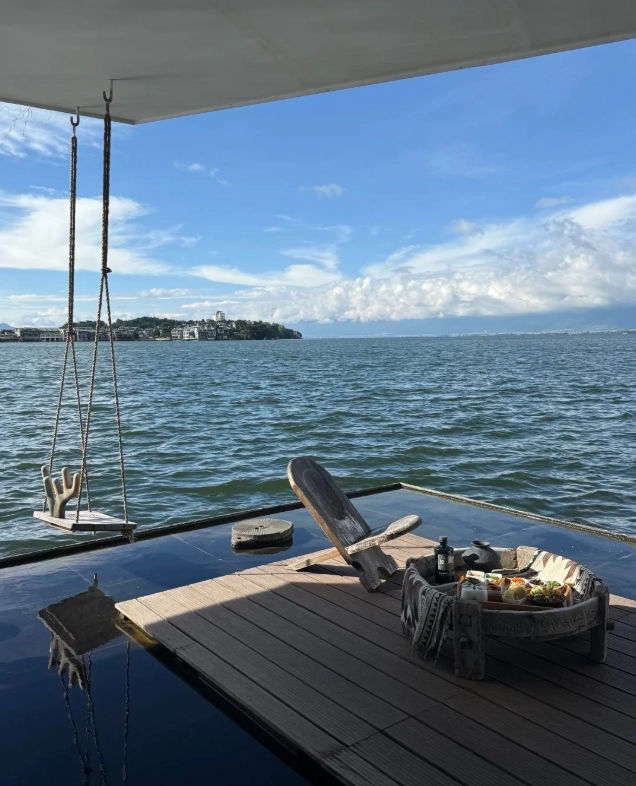
Why Your Accommodation Choice Makes or Breaks Your Trip
Shuanglang isn't a huge place, but its layout is tricky. The ancient town itself is charming but can get crowded, especially on weekends. The lakeside areas offer stunning views but vary wildly in quality. And then there are the quiet spots inland that most tourists never see. Your choice affects everything: your budget, your convenience, and your overall experience. For instance, last month, I helped a couple from Canada who had booked a cheap hotel online. It was a 30-minute walk from the lake, with no English signage. They ended up moving after one night to a guesthouse I recommended, right on the Huanhu Lu (that's the lakeside road), and their whole trip transformed. They spent mornings sipping coffee with Erhai views instead of figuring out bus routes.
The Three Best Areas to Stay Near Shuanglang
Based on my experience, these are the zones where you should focus your search. Each has its own personality, and I'll break down who it's best for.
1. Lakeside Luxury with Unbeatable Erhai Views
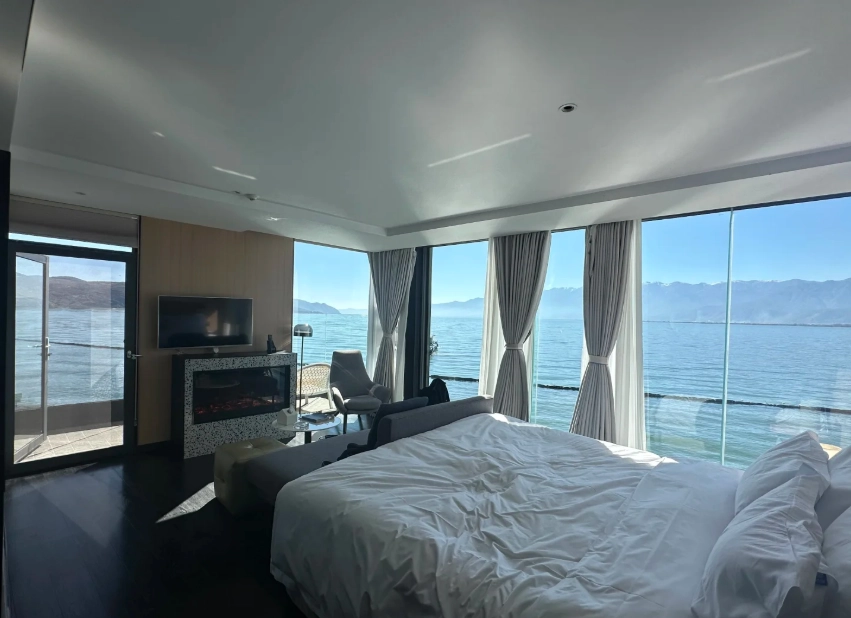
This is the prime real estate along Huanhu Lu, the road that hugs Erhai Lake. You'll wake up to water reflections and have sunset cocktails on your balcony. But not all lakeside spots are equal.
What to Expect: Hotels here range from boutique villas to larger resorts. Prices are higher, especially for rooms facing the lake directly. In peak season (October to April), a standard double room with a view can cost $80 to $150 per night. Off-season, you might snag one for $50 to $100. Most places have Wi-Fi, but ask about speed if you need to work—some spots are patchy.
My Top Pick for Families: Look for hotels with amenities like pools or gardens. One I often recommend is near the Shuanglang Pier—it's easy for boat trips and has family suites. Address-wise, search for "Huanhu Lu, Shuanglang" on maps; specific numbers vary, but the area around the pier is well-marked.
For Couples: Seek out smaller guesthouses with private balconies. I once stayed at a place called "Erhai Dream" (not the real name, but you'll find similar on Trip.com) where the owner cooked breakfast personally. It felt like home, with views that made Instagram jealous.
2. Charming Guesthouses in the Ancient Town
If you want to step out your door into narrow stone streets and local shops, this is for you. But beware: the heart of the ancient town can be noisy and crowded.
What to Expect: Accommodations here are often converted traditional houses, with courtyards and wooden beams. They're cozy but might lack elevators—pack light. Prices are moderate, around $40 to $80 per night. Many offer free breakfast, sometimes local noodles or baozi.
Best for Solo Travelers and Culture Buffs: You're right in the action. I suggest staying on the quieter edges, like near the Tianjing Ge area. It's a 5-minute walk to the main square but peaceful at night. One guesthouse I love has a rooftop terrace with partial lake views; the owner speaks basic English and can point you to hidden tea houses.
Logistics: From Dali Old Town, you can take a direct bus (the tourist line) that drops you at Shuanglang Bus Station, then it's a 10-minute walk. Taxis from Dali Airport cost about 200 RMB ($30) and take 45 minutes.
3. Secluded Countryside Escapes
This is for those who want peace and authenticity. Think farm stays or small inns in the villages behind Shuanglang, like in the direction of Xizhou or around the foothills.
What to Expect: You'll get a taste of rural Yunnan life, with rice fields and mountain backdrops. Prices are lower, typically $30 to $60 per night. But you'll need transportation—most places are a 10 to 20-minute drive from the lake. Some offer bike rentals, which I highly recommend for exploring.
Ideal for Budget Travelers and Nature Lovers: If you don't mind a short commute, the value is incredible. I took a group of backpackers to a homestay last year where the host family cooked dinner with ingredients from their garden. It was a highlight of their trip. Just check if they have luggage storage if you arrive early.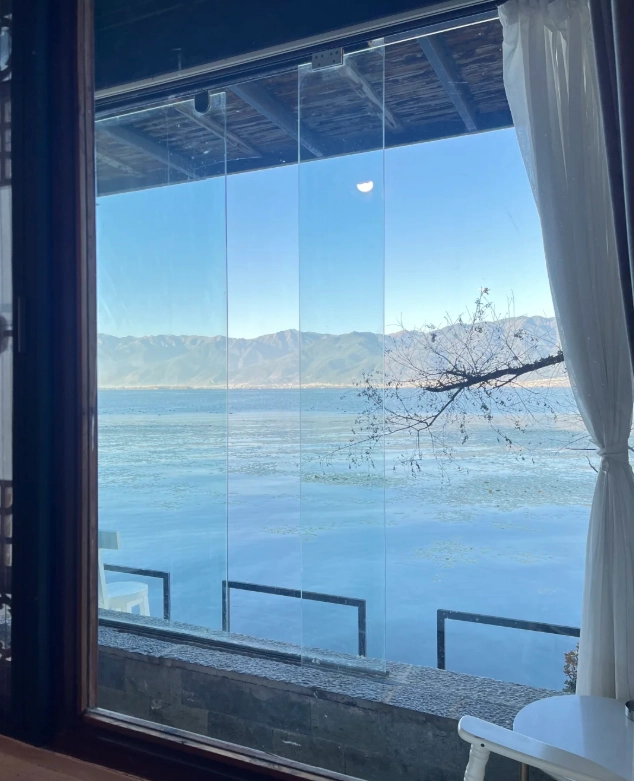
How to Pick the Perfect Place for Your Style
Let's make this practical. Here's a quick comparison table I use with my clients to narrow down options.
| Accommodation Type | Best For | Price Range (Per Night) | Walk to Lake | Key Considerations |
|---|---|---|---|---|
| Lakeside Hotel | Couples, luxury seekers, photographers | $80 - $150+ | 0-5 minutes | Book view rooms early; check for construction nearby |
| Ancient Town Guesthouse | Solo travelers, culture enthusiasts, short stays | $40 - $80 | 10-15 minutes | Ask about noise levels; confirm Wi-Fi stability |
| Countryside Homestay | Budget travelers, families with kids, longer visits | $30 - $60 | 20+ minutes (drive) | Arrange transport in advance; bring cash for local payments |
Now, beyond the table, here's my personal method: I always call or message the place before booking. Ask three questions: 1) Is there ongoing construction nearby? (This ruins views and sleep.) 2) Do you have 24-hour hot water? (Some older places don't.) 3) Can you help arrange a taxi from Dali? (If they say yes, it's a good sign of service.)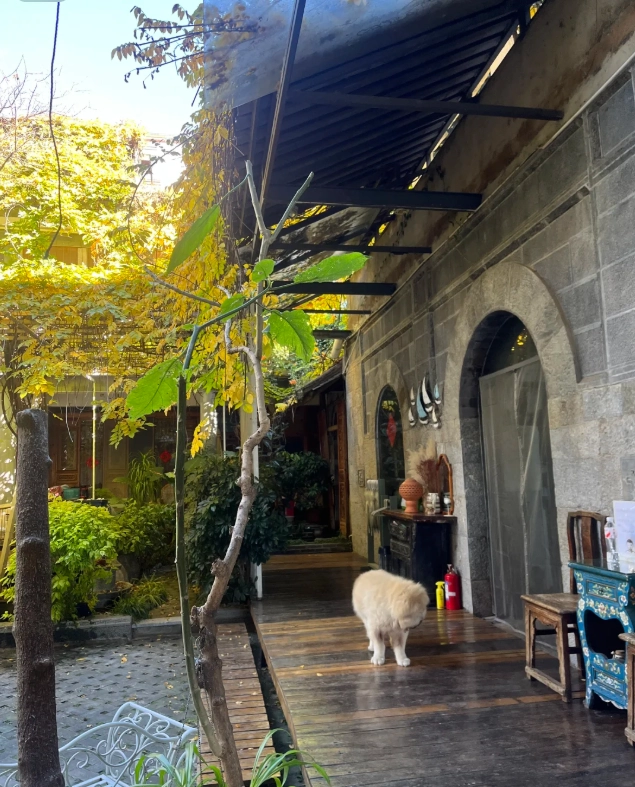
Insider Booking Tips Most Websites Won't Tell You
You've got the areas down, but how do you actually book without regrets? Let me share the tricks I've learned from dealing with hundreds of bookings.
Timing is Everything: Don't book too early or too late. For peak season, aim to book 2-3 months in advance to secure the best spots. For off-season, you can often get last-minute deals on platforms like Trip.com or Booking.com, but I've seen prices spike a week before if there's a local festival. Shuanglang has small events throughout the year, so check a local calendar—sometimes the official Dali tourism site has updates.
Payment Pitfalls: Many smaller guesthouses only accept cash or Chinese mobile payments like Alipay. If you're booking online, use sites that allow international credit cards. Once you arrive, withdraw some RMB from ATMs in Dali Old Town before heading to Shuanglang—there are fewer ATMs here.
The View Verification: If a hotel advertises a "lake view," ask for a photo of the exact room view. I've had clients show up to find the view obstructed by trees or buildings. Better yet, look up user reviews on Google Maps or TripAdvisor; recent photos from travelers are gold.
My Go-To Booking Strategy: I start with Trip.com for their wide selection and English support. Then, I cross-reference with Agoda for occasional discounts. For homestays, I sometimes use Airbnb, but in Shuanglang, many are listed on local Chinese sites—if you're comfortable, ask a Chinese-speaking friend to help. One time, I booked a lakeside villa for a group through a local contact, and it was 20% cheaper than online rates.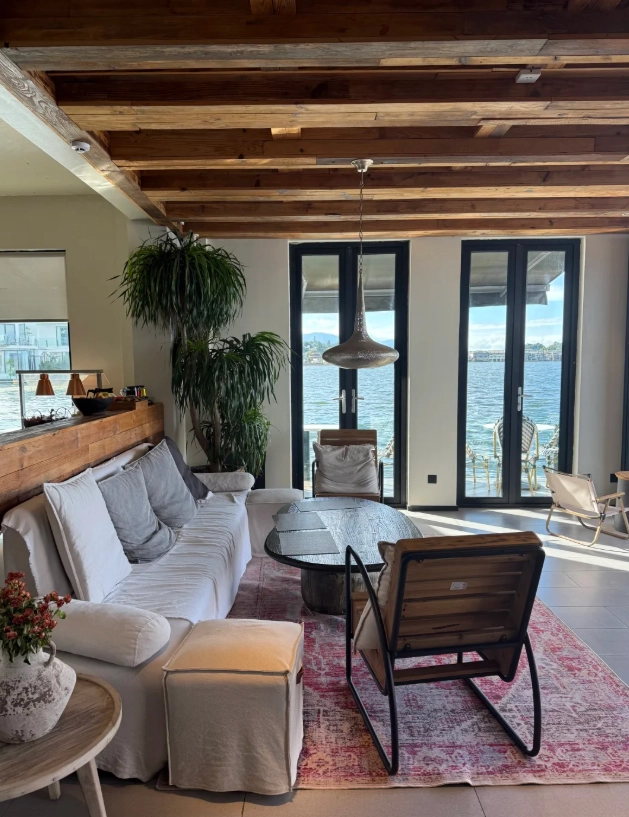
Your Burning Questions Answered
 There you have it—everything I wish someone had told me before my first trip to Shuanglang. Remember, your accommodation is more than just a place to sleep; it's your launchpad for memories. Take your time, ask questions, and don't be afraid to splurge a little for that lakeside view. It's worth it.
This article is based on my personal experiences and observations from guiding tours in the region. For the latest information, I recommend checking authoritative sources like the official Yunnan tourism website or trusted booking platforms.






I booked this place hoping for a romantic getaway and it did not disappoint. The sunset from the terrace was magical, and the little touches like fresh flowers in the room and a handwritten welcome note made it feel special. The owner recommended a quiet kayaking spot that was almost private. Perfect for couples who want to disconnect and enjoy nature.
Good location, friendly staff, but the room was a bit cramped and the mattress was too soft for my back. The shower pressure was weak and the water temperature fluctuated. For the price, I've had better experiences in Dali old town. It's okay for a short stay, but don't expect luxury—just a decent lakeside base with a nice view.
What a gem! The wooden interior, the little hammock by the window, and the complimentary tea set made me feel right at home. I loved just sitting on the deck watching the fishermen on the lake at dusk. The host even helped me arrange a bike rental to ride along the shore. Highly recommend for solo travelers looking for peace and authenticity.
Location is unbeatable—right on the lakeside with a serene garden to relax in. But I have to say, the noise from nearby construction during the day was pretty annoying. The room was fine, nothing fancy, and the breakfast was just average. For the price, I expected a bit more attention to detail. It's a decent stay if you're mostly out exploring, but not a quiet retreat like they advertise.
Stayed here for three nights and honestly, the view of Erhai Lake from our balcony was absolutely breathtaking. Waking up to the sunrise over the water felt like a dream. The room itself was clean and cozy, but the real highlight was the staff—they went out of their way to recommend a hidden local noodle spot that became my favorite meal of the trip. Already planning to come back next year!