 Ting Chen
Let's cut to the chase. After a decade of guiding foreign friends through Dali, I can tell you there's no single "best" time. The perfect time depends entirely on what you want. Do you crave perfect weather photos of Erhai Lake? Want to join a wild local festival without the national holiday crowds? Or are you just looking for a quiet week to unwind? I've seen too many travelers pick the wrong month and end up frustrated. This guide will match your personal travel style to the ideal season, down to the specific weeks most guides won't mention.
What's Inside This Guide
Season-by-Season Breakdown: Pros, Cons & Local Secrets
Forget generic advice. Here’s what each season actually feels like on the ground.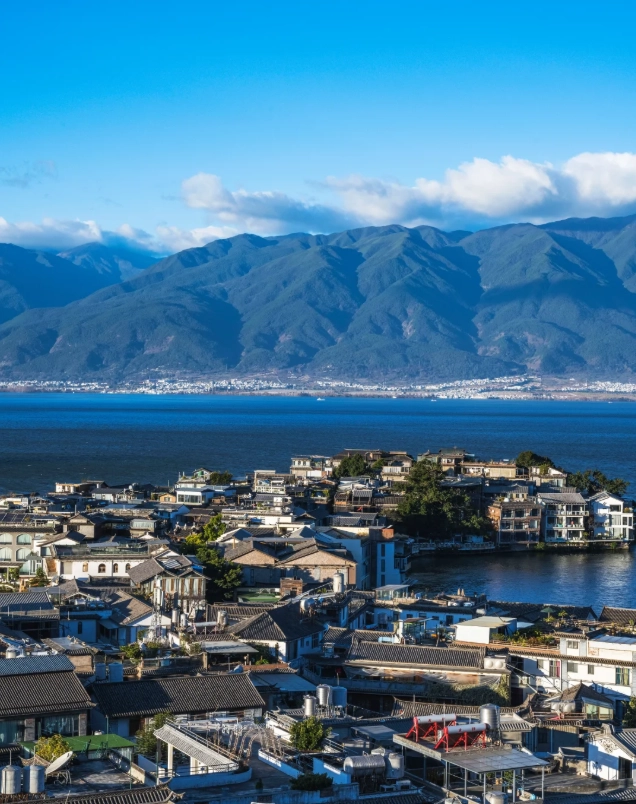
Spring (March to May): The Sweet Spot (Mostly)
This is the crowd favorite for good reason. The weather is mild, flowers are blooming, and the air is clear. But "spring" in Dali is a three-act play.
Early March is my personal hack. The Chinese New Year crowds are gone, and the domestic summer travel wave hasn't started. You'll find hotel prices down by 30-40% compared to April. The catch? Mornings can still be chilly (around 8°C/46°F), so pack a light jacket. I always tell my groups to layer.
April brings the real warmth and the famous Third Month Fair (Sanyue Jie) of the Bai people. This isn't a one-day event; it's a weeks-long market and celebration around the 15th day of the 3rd lunar month (usually mid-April). The main action happens at the foot of the Three Pagodas and along the roads to Xizhou. It's incredible for culture, but accommodation in the old town gets tight. Book at least a month ahead.
A local secret for April/May: Head to the eastern shore of Erhai Lake near Shuanglang. While the west shore gets packed with tour buses, the east has quieter villages like Wase. The light over the lake in the late afternoon here is pure magic.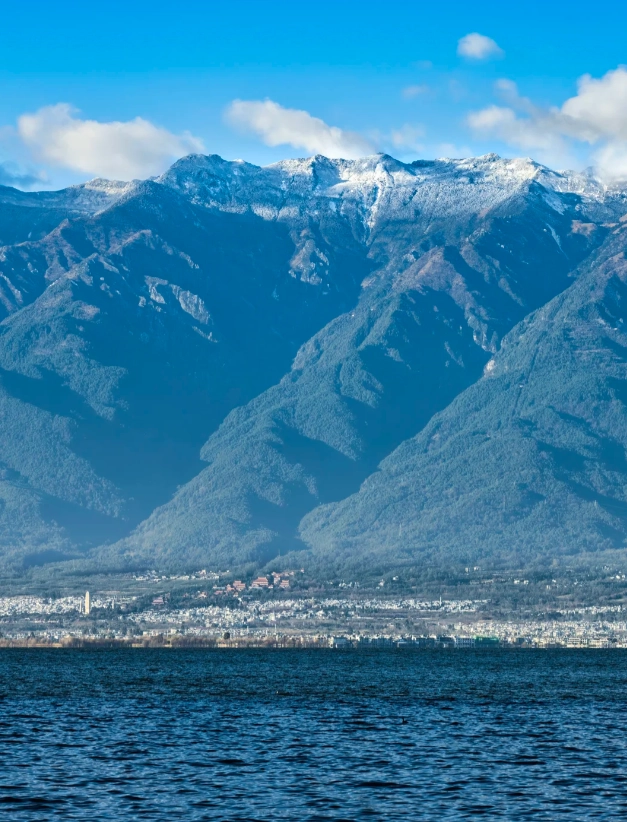
Summer (June to August): Green & Rainy
This is peak domestic vacation season. Dali is a popular escape from China's eastern furnace, so expect crowds, especially in July and August. The landscape is lush and vividly green.
The rain isn't constant—it usually comes in short, heavy afternoon bursts. Mornings are often clear and sunny. The biggest mistake I see? Tourists not bringing a proper rain jacket or waterproof shoes. An umbrella won't cut it when you're cycling around the lake and a downpour starts.
Micro-climate warning: The area around Butterfly Spring (Hudie Quan) can feel significantly more humid and mosquito-prone. If you're sensitive, carry repellent. The best summer activity is a boat trip on Erhai Lake when the morning sun hits the water—it's cooler and less hazy than later in the day.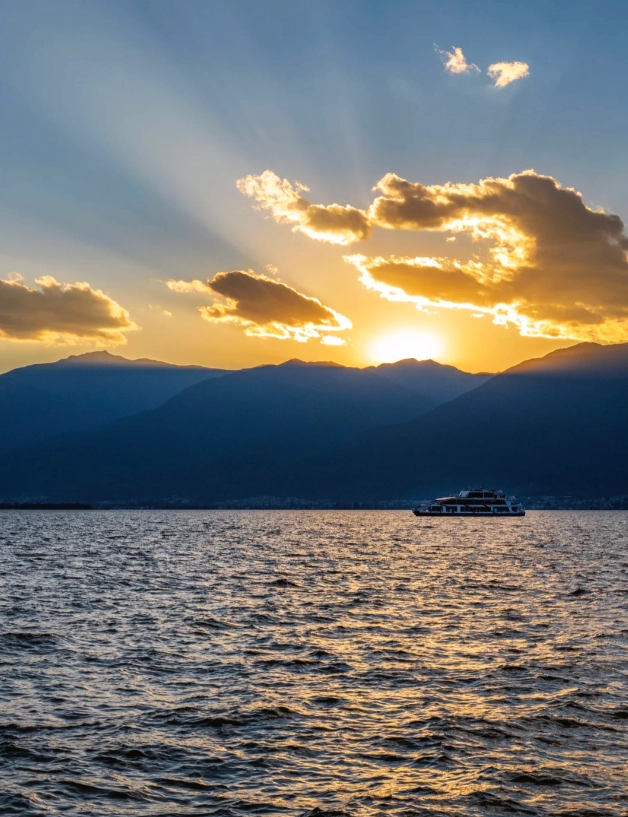
Autumn (September to November): The Photographer's Dream
Clear, stable weather returns. The sky is a deep blue, and the light is soft and golden—perfect for photography. This is the best time for those iconic shots of the Three Pagodas with Cangshan Mountain behind them.
October has a trap: The first week is China's National Day holiday. Avoid it at all costs. Dali becomes a sea of people. Trains are sold out, hotel prices triple, and you'll spend hours in traffic. Come after October 7th, and you'll have a fantastic experience.
Late October into November is pure bliss. The crowds thin, the weather is crisp, and you can hike the Cangshan Mountain trails like the Jade Belt Road without breaking a sweat. The only downside is that some fields start to look dry, not the vibrant green of summer.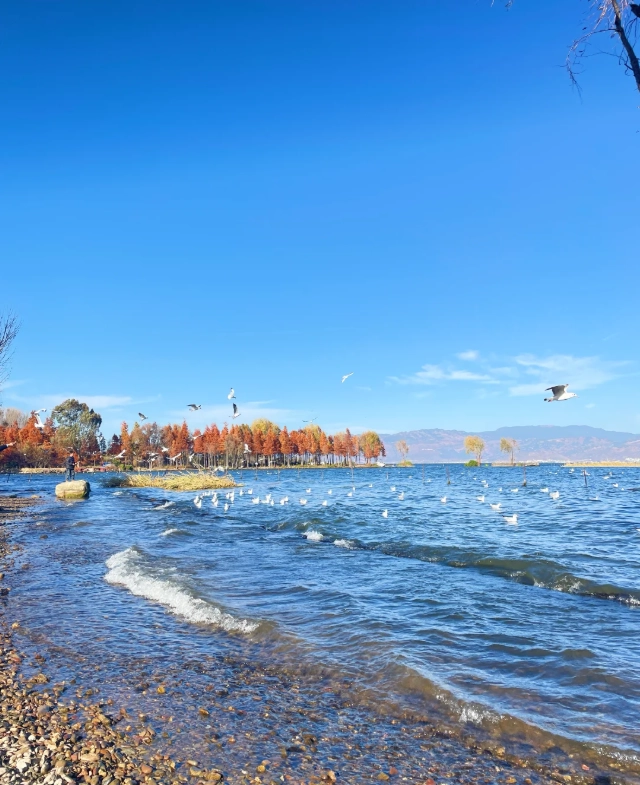
Winter (December to February): Cold, Quiet & Underrated
Most guides dismiss winter. I think they're wrong if you value peace. Yes, it's cold, especially at night when temperatures can drop to around 5°C (41°F) in the old town and near freezing on the mountain. But the days are often sunny and pleasant.
You'll have Dali's ancient streets almost to yourself. This is the time for cozy cafes, reading a book in a sunny courtyard, and chatting with local shopkeepers who aren't rushed. The snow cap on Cangshan Mountain is stunning.
The major caveat: Chinese New Year (late Jan/early Feb) explodes with activity and family travelers. It's fascinating culturally but book everything 3-4 months in advance. For a quiet winter trip, aim for early December or late February.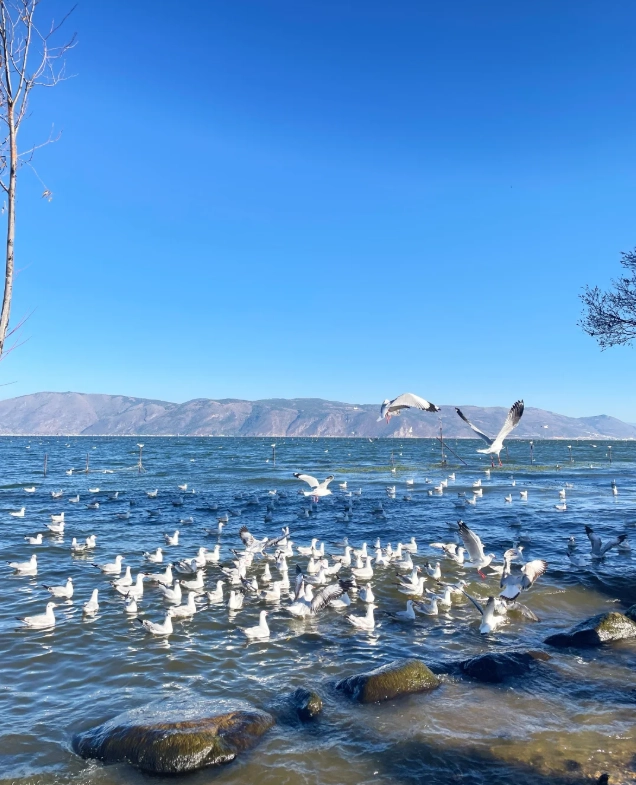
Dali Weather by Month: A Realistic Look
Here’s the data, mixed with what it actually means for your trip.
| Month | Avg. High / Low (°C) | Rainfall | What It Really Means for Travelers |
|---|---|---|---|
| March | 19°C / 7°C (66°F / 45°F) | Low | Cool, crisp mornings. Perfect for active touring. Pack layers. Crowds are low. |
| April | 22°C / 10°C (72°F / 50°F) | Moderate | Ideal temperatures. Sanyue Jie festival buzz. Book accommodation early. |
| May | 24°C / 13°C (75°F / 55°F) | Moderate | Warm days, pleasant nights. Start of the green season. Great all-around. |
| June | 25°C / 16°C (77°F / 61°F) | High | Start of rainy season. Lush scenery. Afternoon showers are common. |
| July | 24°C / 16°C (75°F / 61°F) | Very High | Peak rain & domestic travel. Humid. Mornings are best for sightseeing. |
| August | 24°C / 16°C (75°F / 61°F) | Very High | Similar to July. Crowded. Good time for lake activities in the AM. |
| September | 23°C / 15°C (73°F / 59°F) | High | Rains begin to ease. Landscape still green. A transitional sweet spot. |
| October | 21°C / 12°C (70°F / 54°F) | Moderate | Clear skies return. AVOID first week (Nat'l Holiday). Perfect after the 7th. |
| November | 18°C / 8°C (64°F / 46°F) | Low | Dry, sunny, excellent for hiking and photography. Nights get chilly. |
| December | 15°C / 5°C (59°F / 41°F) | Low | Cold, dry, quiet. Snow on Cangshan. Pack a warm coat. Great for solitude. |
| January | 15°C / 3°C (59°F / 37°F) | Low | Coldest month. Sunny days. Chinese New Year chaos at month's end. |
| February | 16°C / 4°C (61°F / 39°F) | Low | Cold starts to lift. Can be windy. Peaceful before spring crowds arrive. |
Guide's Rule of Thumb: If you hate crowds more than you hate carrying a jacket, choose shoulder seasons (March-May, Sept-Nov) but dodge the big holiday weeks. If you prioritize perfect weather photos above all, target late October or November.
Best Time for You: Family, Photographer, Backpacker?
Your travel persona changes everything.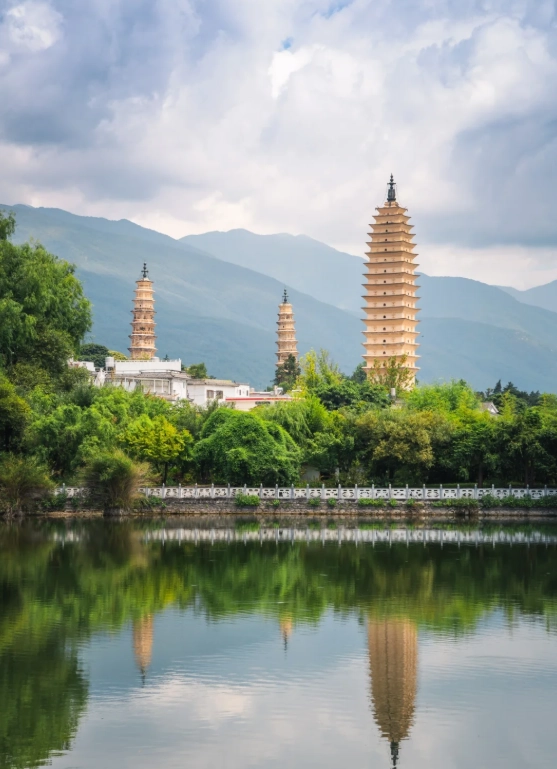
For Families with Kids: Aim for late May or late September. The weather is stable and not extreme (no intense heat or cold). The summer crowds are absent, making logistics easier. Attractions like the Three Pagodas (门票: ¥75, need ID for ticket) and the cable cars up Cangshan are less hectic. I recently helped a family from Australia in late September; we did the Erhai Lake boat from the Xiaguan (Xizhou) Dock at 10 AM and had plenty of space.
For Photographers & Serious Hikers: November is king. The air clarity is unmatched. For Cangshan hikes, the trails are dry and safe. The light at sunrise over Erhai Lake from a hotel in Caicun is worth the early wake-up. A lesser-known spot is the Zhonghe Temple area on Cangshan—fewer people and epic valley views.
For Backpackers & Solo Travelers on a Budget: Early March or late February. Hostel beds in the old town (like the Dali Jade Emu) are plentiful and cheap. You'll meet other travelers without the party-hostel intensity of summer. The social vibe is more relaxed. Coffee at Bad Monkey or a meal at Bakery 88 (Xiaguan) won't require a wait.
For Culture & Festival Seekers: Plan around the Sanyue Jie in April. For a more intimate experience, visit during the Torch Festival in the 6th lunar month (usually July). This is celebrated in Bai villages around Dali, not just the old town. I once took a small group to a village near Zhoucheng—it was authentic, fiery, and unforgettable.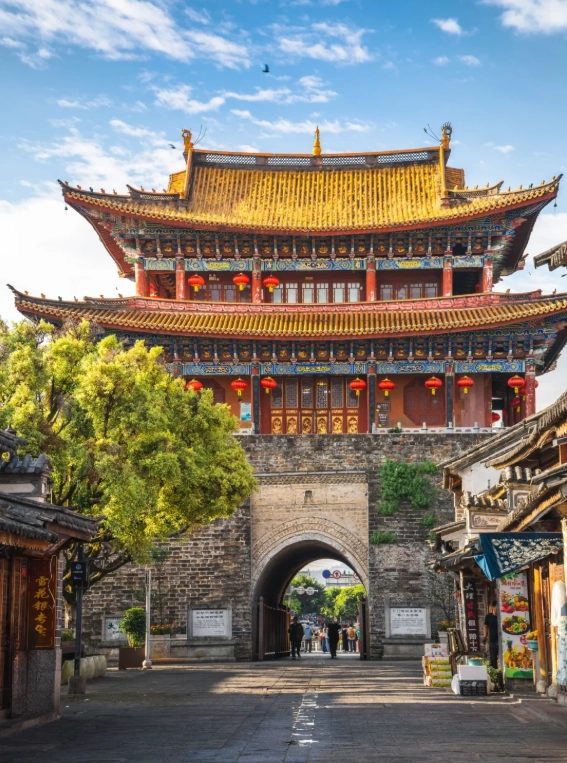
Insider Tip: Most tourists cluster in the Dali Old Town (Gucheng) and the west shore of Erhai. For a more local feel anytime of year, base yourself in Xizhou for stunning Bai architecture or Shuanglang for contemporary art galleries and lake views. The bus from Dali old town to Xizhou takes about 40 minutes and costs a few yuan.
The 24-Hour Dali Sprint: If You Only Have One Day
Maybe you're on a longer Yunnan tour and Dali is just a stop. Here’s how to squeeze the essence out of a single day, regardless of season. This assumes you start fresh in the morning.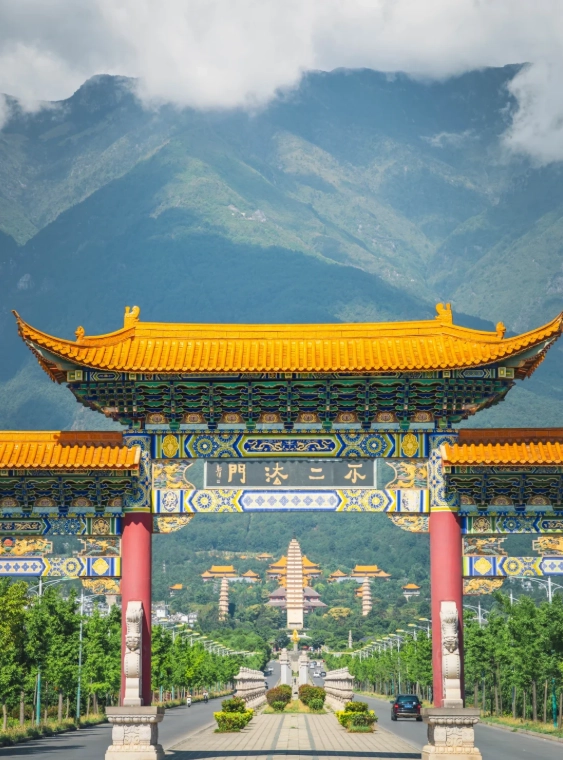
7:30 AM - 9:30 AM: Dali Old Town Morning Glow. Forget the crowded South Gate. Enter from the West Gate (Cangshan Men). The morning light slants perfectly down the stone streets. Grab a quick Xizhou Baba (a savory or sweet pastry) from a street vendor. Walk to Foreigner Street (Yangren Jie)—it's quiet now, unlike the packed afternoon.
9:30 AM - 12:30 PM: The Three Pagodas & Chongsheng Temple. Take a taxi (about ¥20 from the old town) or bus C2 to the Three Pagodas (Chongsheng San Ta). Buy your ticket online in advance via Trip.com or the official WeChat mini-program to skip the line. (Ticket: ¥75, open 7:30 AM-6:30 PM). Don't just snap the front shot. Walk all the way to the back for the stunning reflection pond view of the pagodas with Cangshan behind—this is the money shot. Budget 2 hours here.
12:30 PM - 2:00 PM: Lunch in Xizhou. Get a Didi (China's Uber) to Xizhou Town (20-min ride, ~¥40). Have lunch at Zhuyuan Restaurant near the main square. Try their Rushan (milk fan) and Yunnan-style steamed chicken. A meal runs about ¥50-80 per person.
2:00 PM - 4:30 PM: Erhai Lake Lakeside. From Xizhou, rent an e-bike (¥30-50 for the afternoon) and ride north along the Erhai Lake Ecological Corridor. You'll pass through picturesque villages and reed beds. This is much more rewarding than the crowded "photo spots" with plastic props. Turn back after an hour to return the bike.
4:30 PM - 7:00 PM: Return to Dali & Cangshan Vista. Take a Didi back to Dali. Ask the driver to drop you at the Cable Car station for the Zhonghe Cableway. You don't need to go up (it takes 3+ hours). Instead, walk the path just above it for 15 minutes for a breathtaking, elevated view of the entire Dali basin, old town, and Erhai Lake as the sun starts to lower. It's free and spectacular.
7:00 PM Onwards: Dinner & Evening. Head back into the old town. For dinner, try The Sweet Tooth for Western comfort food or a hotpot place on Bo'ai Road. The old town is livelier at night, but for a nightcap, I prefer the quieter bars on Honglongjing Street.
This is a packed day, but it hits the core: history, culture, local food, and the iconic lake-mountain scenery.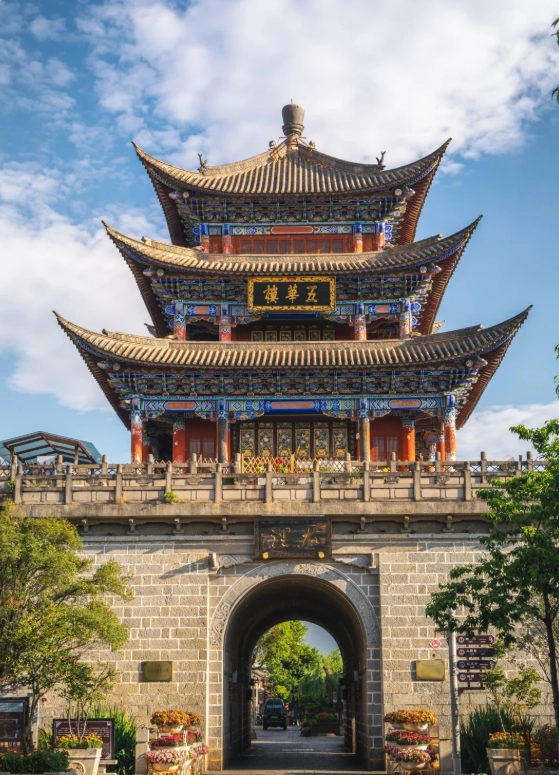
Your Dali Timing Questions, Answered
Choosing the best time to visit Dali isn't about finding a universal perfect date. It's about aligning the season's rhythm with your own travel heartbeat. Whether it's the festive pulse of April, the serene quiet of a winter morning, or the golden light of an autumn hike, Dali has a perfect time waiting for you—you just need to know where to look.
This article is based on my personal guiding experience and observations. Details like opening times and transport options are regularly verified.





Well-written and easy to follow. I like how it compares temperature and rainfall month by month. My only small gripe is that it pushes spring a bit too hard as the 'best' season – it really depends on what you want to do. Still, solid advice overall.
Decent read but felt a bit generic. The 'match your travel style' idea is cool, but the advice didn't really go deeper than what you'd find on any random travel blog. I was hoping for more insider tips on specific villages or local food timing. Okay for a first-timer I guess.
As a photography lover, I found this guide incredibly useful. The tips about golden hour light in winter and the clear skies in October are exactly what I needed. The images in the article are also stunning. Five stars!
Pretty good overview, especially the part about avoiding summer crowds. I do wish it had more specific info on local festivals throughout the year, though. Still, it helped me decide on a late autumn visit and I had a lovely time.
This article saved me hours of research! The breakdown of which season suits different travel styles is spot-on. I visited Dali in April after reading this and the weather was perfect for hiking around Erhai Lake. Highly recommend to anyone planning a trip here.