 Ming Yang
Let's be honest. You've seen the pictures. The cobblestone streets, the water wheels, the mountain backdrop. Lijiang looks like a dream. And it can be. But after a decade of guiding travelers here, I've also seen the disappointment when people only find the souvenir shops and crowded selfie spots. My job isn't just to show you Lijiang; it's to help you feel it. That means getting past the front door and into the living room of Naxi culture, finding the quiet trails everyone else misses, and eating where the flavors tell a story. This isn't a list. It's a blueprint for your real adventure.
Your Quick Lijiang Navigation
Decoding the Old Town (Beyond the Souvenir Shops)
Lijiang Old Town is a UNESCO site for a reason. The problem? Most visitors stick to the four main streets radiating from Sifang Square. It's like only reading the cover of a book. The magic is in the chapters no one tells you about.
The secret is to go vertical and get lost on purpose.
Instead of fighting the crowds on Xinhua Street, turn up any narrow alley that slopes upward. Your goal is the network of local neighborhoods on the hill. Up there, you'll see laundry hanging, old men playing chess, and get panoramic views without paying for a cafe seat. My favorite vantage point is near the Wangu Tower. It's a climb, but you'll have the postcard view of tiled roofs against the mountain with about 90% fewer people.
Old Town Logistics: No entrance fee for the town itself, but there is a controversial "Ancient Town Maintenance Fee" (80 RMB). Enforcement is sporadic; they sometimes check tickets at main gates like the Water Wheel entrance. My advice? Don't stress about it initially. If asked, you can pay on the spot. The real hassle is luggage on cobblestones. If your hotel is inside, confirm they have a luggage pickup service from a gate. Wheels are useless here.
How to Actually Enjoy the Old Town
**Morning (Before 9 AM) is for photographers and wanderers.** The light is soft, the streets are quiet, and the only sounds are shopkeepers sweeping their doorsteps. This is when you can hear the water flowing through the canals.
**Afternoons are for specific targets.** Pick one museum. The Naxi Dongba Culture Museum (free, 9 AM-5 PM) is small but excellent for understanding the fascinating pictographic Dongba script. It's a quiet, air-conditioned break.
**Evenings are for atmosphere, not shopping.** Yes, the bars on Xinhua Street are loud and generic. For something different, find a small guesthouse with a rooftop terrace. Order a tea and just watch the town's lights come on. The sea of red lanterns is genuinely beautiful, even if the streets below are packed.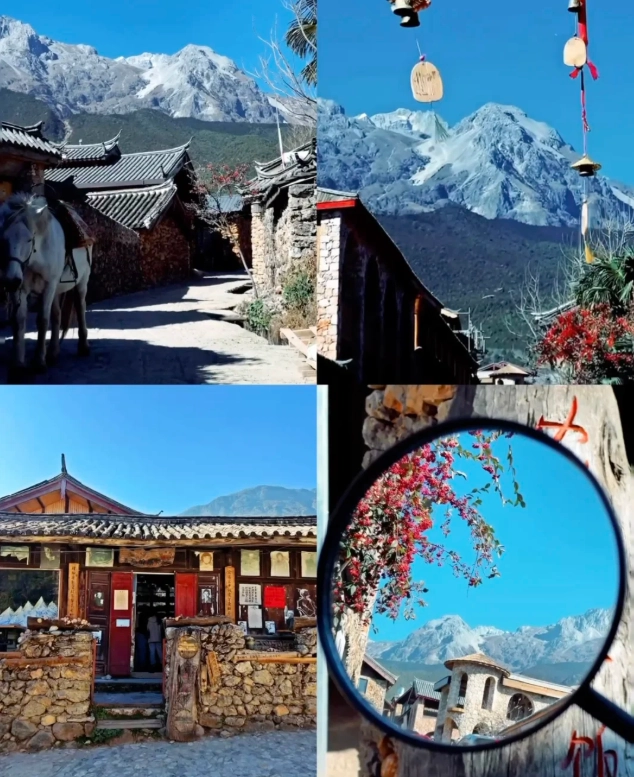
The Mountain Calls: Jade Dragon Snow Mountain
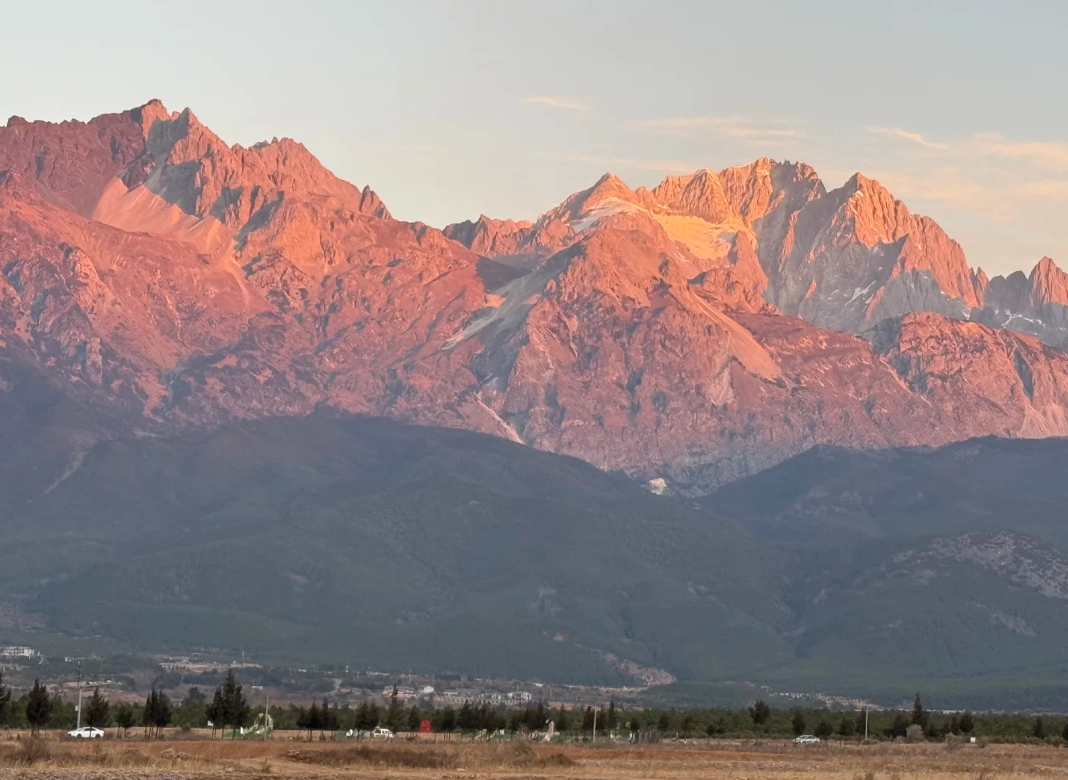
This is the icon. The 13-peak massif dominates the skyline. A trip here is a full-day operation and the single biggest expense in Lijiang, but done right, it's unforgettable. Most tours rush you through in a chaotic blur. Let's do it smarter.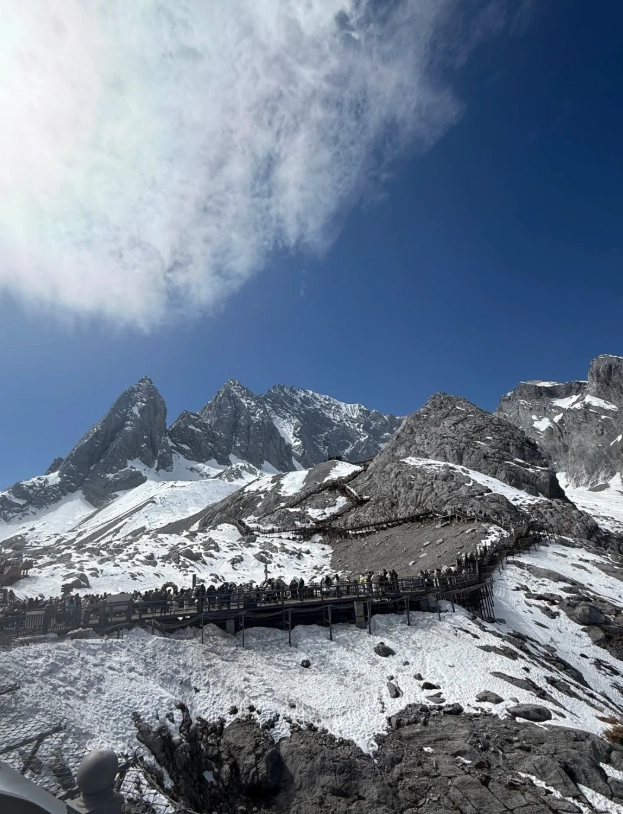
The mountain "attraction" is actually a series of sites accessed by different cable cars. Trying to do all is impossible. You must choose.
| Cable Car / Destination | What You Get | Best For | My Honest Take |
|---|---|---|---|
| Glacier Park (Da Cable Car) | Gets you closest to the glacier at 4506m. Short walk-up boardwalk to 4680m. | The iconic "I touched the snow" photo. High-altitude thrill. | Most popular, most crowded. Altitude sickness is real here. Views are stunning if clear. |
| Spruce Meadow (Yunshanping) | Large meadow at 3200m. Wooden boardwalk through spruce forest with direct mountain views. | Easy hiking, families, photography. Less altitude stress. | My top recommendation for most visitors. The view of the peaks from the meadow is arguably better than from the glacier park. Feels more peaceful. |
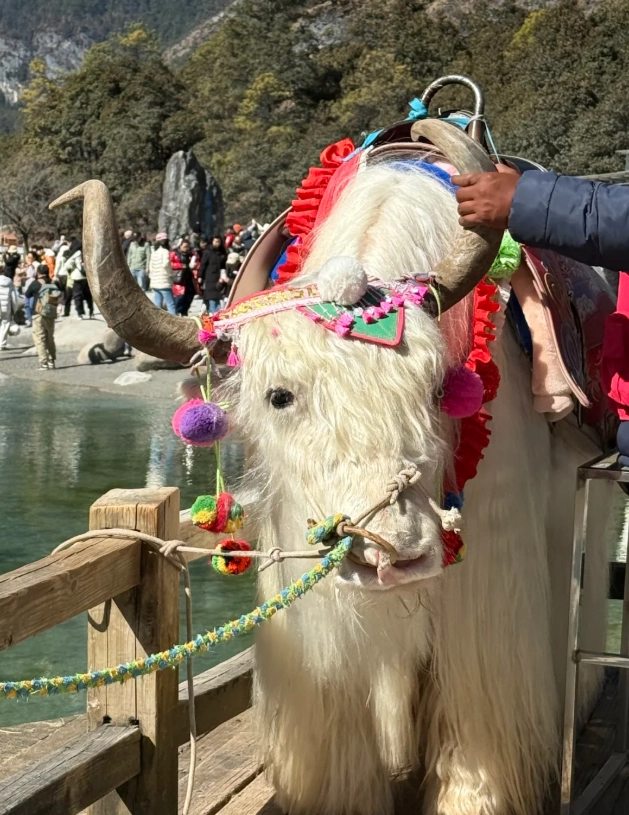
| Blue Moon Valley | Turquoise pools and waterfalls at the mountain's base. Accessed by bus, not cable car. | Easy stroll, incredible colors. Good combo with Spruce Meadow. | A must-see stop. Don't waste money on the 50 RMB electric cart inside; the walking path is flat and better. |
The Ticket Headache: You cannot just show up. Access is controlled by a combined entry ticket (currently 100 RMB entry + 20 RMB mandatory shuttle bus). Cable car tickets (140-180 RMB each) are separate and MUST be booked in advance via the official WeChat mini-program "Lijiang Travel". They release tickets at 7 AM for the same day, and slots sell out fast, especially for Glacier Park. Have your passport info ready. If this sounds like a nightmare, a reputable local tour from your hotel can handle it—but expect to pay a premium.
My personal formula? Book the **Spruce Meadow cable car** for a late morning slot (10 AM). Take the public bus #101 from Lijiang Old Town (30 RMB, 1 hour) or a taxi (approx 100 RMB). See Blue Moon Valley first, then take the shuttle to your cable car. You'll avoid the insane 6 AM tour group rush and have a more relaxed day.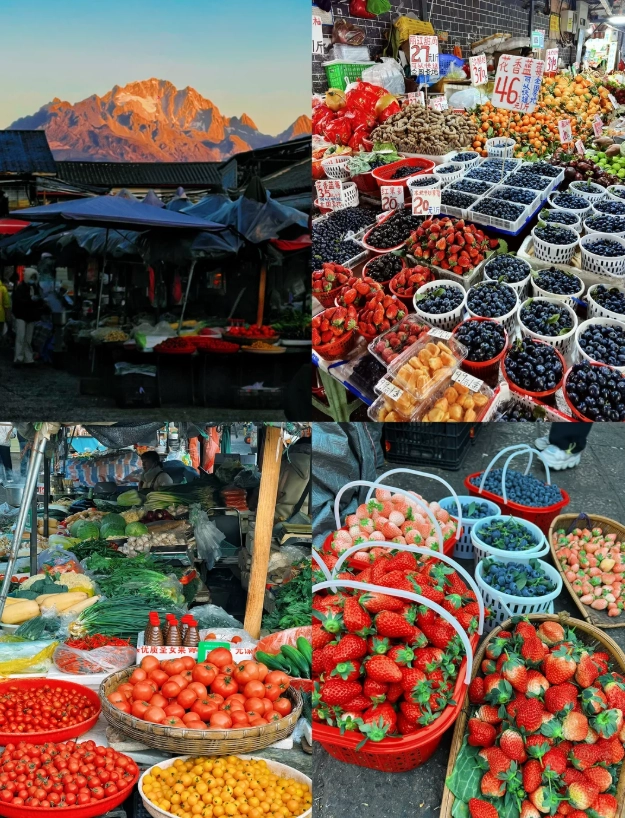
Escape the Crowds: Shuhe & Baisha
If Lijiang Old Town feels like a stage set, these two ancient towns north of the city are where the rehearsal happens. They're quieter, cheaper, and often more genuine.
Shuhe Old Town is like Lijiang's cooler little sister. It has canals and cobblestones but 60% fewer people. The cafes here have better coffee, and you can actually sit by the water without being jostled. It's perfect for an afternoon. Take a taxi (15-20 RMB from Lijiang Old Town) and just wander. No complex ticket system here.
Baisha Village is the real deal. This was the original capital of the Naxi kingdom. The main street is just that—a street where people live. The reason to come is the **Baisha Murals** inside the Liuli Temple (30 RMB, 8:30 AM-5:30 PM). These 500-year-old fusion paintings blend Tibetan Buddhism, Daoism, and Naxi themes. They're faded but fascinating. Afterwards, look for the local ladies embroidering traditional designs on the street. It's not a show; it's their daily work.
A Real Taste of Naxi Life (Not Just Food)
Food in Lijiang can be a hit-or-miss adventure. The tourist restaurants serve bland, overpriced versions. Let's find the good stuff.
Must-Try Dishes & Where to Find Them:
- Naxi Grilled Fish: Not a whole fish, but a tender, boneless fillet marinated in local herbs and spices, then grilled over charcoal. The best spot isn't fancy. Look for "Laodao Fang" (唠叨坊) in a small alley off Mishi Alley in the Old Town. No menu, just tell them how many people. They bring you fish, a hotpot of veggies, and unlimited rice. It's chaotic, delicious, and costs about 60-80 RMB per person. Cash only. Go early (6 PM) or be prepared to wait on a tiny stool.
- Lijiang Baba: This savory bread pancake is a staple. Skip the greasy ones on the main street. The best are from small, unmarked stalls in the local market (not the tourist one). Look for the ones that are flaky and cooked fresh on a griddle.
- Yak Hotpot: For a group, this is a fantastic experience. Thinly sliced yak meat cooks in a simmering broth. Shuhe Naxi Xiaoge in Shuhe Old Town does a great version. Expect to pay 100-120 RMB per person.
But food is just one flavor. For a deeper taste of Naxi culture, spend an hour at a local music gathering. In the early evening, often near the Old Town's Mishi Square, you'll find elderly Naxi men in traditional dress playing ancient instruments. It's not a performance for money; it's a community gathering. Sit quietly on the periphery and listen. It's pure, unfiltered culture.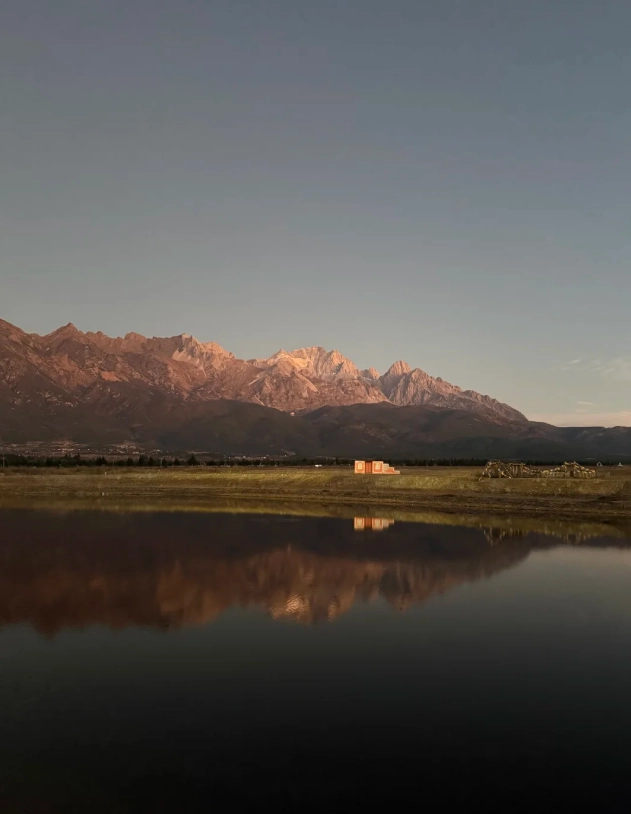
Making It Happen: Your Lijiang Game Plan
How you structure your days makes all the difference. Here’s how I'd advise different travelers.
If You Only Have 24 Hours (The Power Blitz)
This is tough, but possible. You're choosing between depth in one place or a glimpse of two.
Option A (Mountain Focus): Pre-book your Jade Dragon Snow Mountain cable car (Spruce Meadow). Take the 7:30 AM public bus #101. Do Blue Moon Valley and your cable car. Be back by 3 PM. Spend your late afternoon/evening getting lost in the quieter upper lanes of Lijiang Old Town. Have dinner at Laodao Fang. You'll miss Shuhe/Baisha, but you'll see the natural wonder.
Option B (Culture Focus): Morning in Baisha Village (see murals, wander). Afternoon in Shuhe (lunch, relax by water). Late afternoon/evening in Lijiang Old Town. You get a more nuanced cultural feel but skip the big mountain scenery.
The Sweet Spot: 3-Day Lijiang Itinerary
This is ideal to absorb the pace of life here.
- Day 1: Arrive, settle. Afternoon/evening orientation walk in Lijiang Old Town. Focus on the side alleys and find a rooftop for sunset.
- Day 2: Jade Dragon Snow Mountain day. Spruce Meadow + Blue Moon Valley combo. Return exhausted. Simple dinner.
- Day 3: Shuhe & Baisha day. Taxi to Baisha first (see murals), then short taxi to Shuhe for lunch and wandering. Maybe buy some silver jewelry here (better prices than Lijiang). Return to Lijiang for a final Naxi grilled fish feast.
Getting Around: A Quick Guide
Taxis are cheap and plentiful for trips between the old towns (15-25 RMB). Use DiDi app (English interface available). Public bus #101 to Jade Dragon Snow Mountain is reliable and cheap. For everything inside Lijiang Old Town, your only transport is your feet. Wear supportive, broken-in shoes. The cobblestones are merciless on new sneakers and ankles.
Your Lijiang Questions, Answered
Is Lijiang Old Town too touristy and not worth it?
The core streets are intensely commercial, there's no sugar-coating it. But declaring it "not worth it" is like skipping the Louvre because the Mona Lisa room is crowded. The value is in how you approach it. Go early, go high, and seek out the residential lanes. Use it as your base, not your sole destination. Its architecture and layout are genuinely unique, and at night, when the day-trippers leave, it regains some charm.
What's the biggest mistake first-time visitors make in Lijiang?
Two tied for first. One, not booking Jade Dragon Snow Mountain cable car tickets in advance and missing out entirely. Two, trying to do both Glacier Park and Spruce Meadow in one day. The altitude, crowds, and logistics will wipe you out, and you won't enjoy either. Pick one cable car route and pair it with Blue Moon Valley. Depth over checklist.
I'm worried about altitude sickness. How bad is it?
Lijiang city is at 2400m—most people feel fine, maybe a little more tired. Jade Dragon Snow Mountain's cable cars go to 3500m+ and that's where it hits. Headache, nausea, dizziness. The best prevention is to go slow, drink tons of water (avoid alcohol the night before), and consider spending your first night in Lijiang acclimatizing before heading up the mountain. You can buy portable oxygen cans at any pharmacy in town for about 20 RMB. They provide psychological comfort if nothing else.
What's the best time of year to visit Lijiang?
Late spring (April-May) and autumn (September-early November) are golden. Clear skies, comfortable temps, stable weather. Summer (June-August) is rainy season and peak domestic tourist season—crowded and wet. Winter (Dec-Feb) is cold but dry, with stunningly clear views of the snow-capped mountains. Crowds are thin, but some smaller guesthouses close.
Can I use credit cards, or is it cash only?
WeChat Pay and Alipay (Chinese mobile payment apps) are universal, even for street vendors. For international travelers, cash (RMB) is still king for small purchases, market stalls, taxis, and family-run restaurants like Laodao Fang. International credit cards are only accepted at large hotels, some upscale restaurants, and the official ticket offices for the mountain. Always carry several hundred RMB in cash.
 Lijiang isn't a museum. It's a living, breathing, sometimes frustrating, always captivating place. Your experience hinges on looking past the first layer. Skip the rose pastry shop, find the old man playing the ancient flute. Ditch the crowded main square, find the quiet lane with the view. That's where the real Lijiang lives. I hope this guide helps you meet it.
This article is based on my personal experience guiding in Lijiang over the past ten years. Details like ticket prices and bus numbers are checked for accuracy, but always confirm locally as policies can change.





Honestly, I was pretty disappointed. I followed the 'hidden courtyard' recommendation in the Old Town and ended up in a construction zone with no signage. The author brags about 'locals only' spots, but half of them were either closed or completely packed with tourists when I went. The storytelling is nice, but I needed more accurate, real-time info. Felt like a romanticized version of Lijiang rather than a practical guide.
I bought this hoping for deep food recommendations, and it delivered—mostly. The section on Naxi barbecue was spot on: charcoal grills on the street, skewers of yak meat with spicy chili dust, and cold beer. But I found the coffee shop suggestions a bit generic (everyone knows about the canal-side cafés). Also, the map had one wrong turn that led me to a dead end near Lion Hill. A good foundation, but needs an updated edition.
As a photographer, I'm always chasing golden hour light, and this guide nailed the lesser-known viewpoints. The spot at Wenzhi Village at sunrise? Absolutely magical. Mist rolling over the rice terraces, old Naxi women in traditional blue aprons walking their goats. The writing is a bit wordy in places, but the practical directions and timing tips made up for it. Got some of my best shots ever!
Decent guide overall, but I wish it included more budget-friendly options. The recommended tea house near Sifang Street was lovely—old wooden beams, local musicians playing softly—but the menu was way overpriced for a backpacker like me. I ended up spending 80 yuan on a single pot of pu'er. The hiking trail suggestions were solid, though. Worth a read if you don't mind splurging a bit.
This guide totally saved my trip! I've been to Lijiang before but always stuck to the touristy spots. The local tips led me to a tiny noodle shop tucked away near Black Dragon Pool where the owner hand-pulls noodles right in front of you. The broth was rich and smoky, and the view of Jade Dragon Snow Mountain from the back patio was unreal. Highly recommend for anyone wanting to skip the souvenir crowds and taste the real Yunnan.