 Ting Chen
After a decade leading tours across China, I've seen Dali transform from a backpacker secret to a must-visit spot. But most visitors still miss the real magic—they rush through the old town, skip the local eats, and get stuck in crowds. Let's fix that. This classic Dali itinerary isn't just a list; it's the exact plan I use for friends visiting for the first time, packed with details only a local guide would know. We'll cover three full days, focusing on history, nature, and culture, with options to tweak based on your energy. I'll throw in my favorite food joints, sleep spots, and those tiny tips that save time and money. Ready? Let's dive in.
Your Dali Trip Roadmap
- Why This Itinerary Works for First-Timers
- Day 1: Dali Old Town and History Deep Dive
- Day 2: Erhai Lake and Xizhou Village Adventure
- Day 3: Cangshan Mountain and Beyond
- Where to Eat: My Top Picks for Authentic Flavors
- Where to Stay: Accommodation for Every Budget
- Practical Tips: Getting Around, Tickets, and More
- Frequently Asked Questions (FAQ)
Why This Itinerary Works for First-Timers
Most online guides push a rushed two-day plan, but that leaves you exhausted. I designed this three-day flow based on pacing I've tested with hundreds of tourists. Day 1 eases you into Dali's history, Day 2 connects you with nature and local life, and Day 3 offers flexibility for hiking or exploring villages. The key is timing—I'll tell you when to visit spots to avoid tour buses (they usually swarm between 10 AM and 2 PM). Also, I prioritize walkability; Dali is compact, so we'll minimize transport hassles. Trust me, after leading a group of Germans last spring who complained about overcrowded sites, I've refined this to balance highlights with serenity.
Day 1: Dali Old Town and History Deep Dive
Start early. I mean it. The old town wakes up slowly, and that's when you'll catch its charm without the selfie sticks.
Morning: Dali Old Town Exploration (8:00 AM - 12:00 PM)
Dali Old Town (Dali Gucheng) is free to enter, open 24/7, but shops and stalls start around 9 AM. Head to the South Gate (Nanmen)—it's less chaotic than the main gates. From there, wander the cobblestone alleys. My pro tip: skip the crowded Foreigner Street (Yangren Jie); instead, turn left into Bo'ai Road, where local artisans sell tie-dye fabrics. Address: Dali Old Town, Dali City, Yunnan. No ticket needed, but bring cash for small purchases; many vendors don't accept cards.
Spend an hour at the Dali Museum (free, open 9 AM to 5 PM, closed Mondays). It's small but gives context on the Bai minority culture. Then, grab a coffee at a rooftop cafe on Huguo Road—the view of Cangshan Mountain is stunning before the haze sets in. I always take my groups here for a break; try "Sailor Coffee," their local blend costs about 30 RMB.
Afternoon: Chongsheng Three Pagodas (1:30 PM - 4:30 PM)
After lunch (we'll get to food later), take a taxi to Chongsheng Three Pagodas. Cost: 10-15 RMB for a 10-minute ride from the old town. Don't walk; it's farther than it looks.
Ticket prices: Adults 120 RMB, students and seniors (over 60) 60 RMB with ID, children under 1.2m free. You must book online in advance via the WeChat mini-program "Dali Three Pagodas"—same-day tickets often sell out. I've seen tourists turned away at the gate. Address: No. 1, Chongsheng Road, Dali. Open 8:30 AM to 6:00 PM, last entry at 5:00 PM.
Spend two hours here. The pagodas are iconic, but the real gem is the reflection pond behind them—come at 4 PM when the light softens for perfect photos. Avoid midday; the sun washes out the colors. There's a cable car to Cangshan from here, but save that for Day 3. The site has ramps, but some paths are steep, so wear comfy shoes.
Evening: Local Dining and Night Market (6:00 PM onwards)
Head back to the old town for dinner. The night market along Fuxing Road gets lively after 7 PM, but it's touristy. For a quieter experience, I prefer the alleys near the Catholic Church—look for grills selling yak meat skewers (5 RMB each). More on food below.
Day 2: Erhai Lake and Xizhou Village Adventure
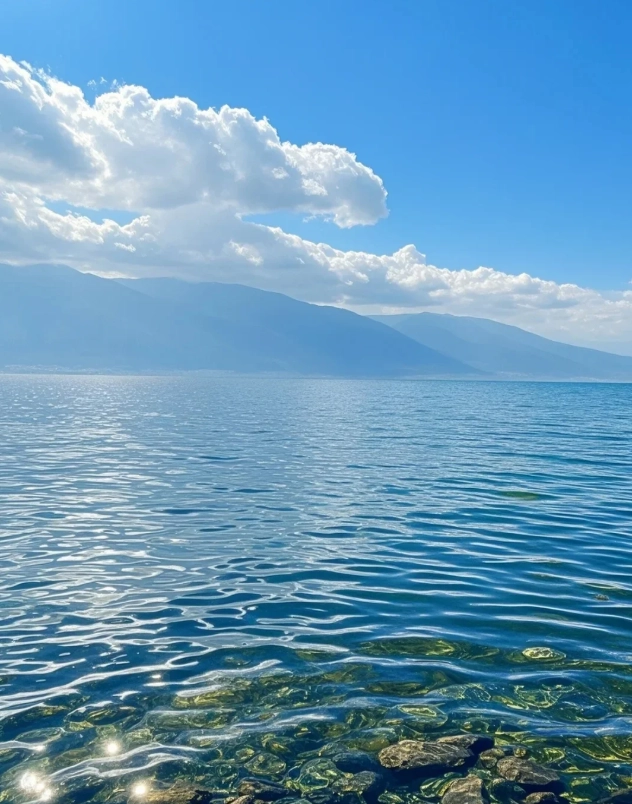
This day is about slow travel. Rent an electric bike—it's the best way to see Erhai Lake without joining packed tour boats.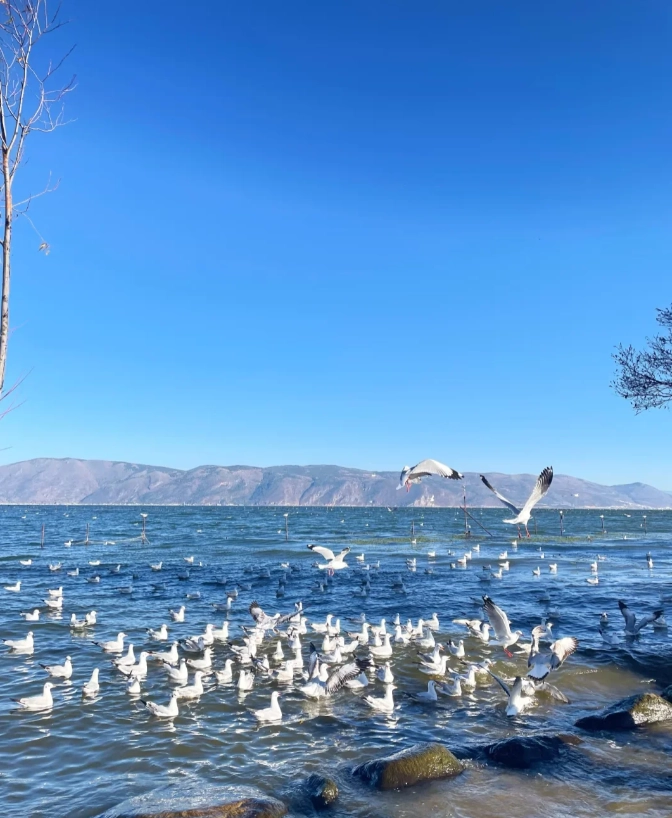
Erhai Lake Loop by Electric Bike (9:00 AM - 1:00 PM)
Rent from shops near the old town's North Gate. Cost: 50-80 RMB for a full day, including helmet and lock. Charge the battery fully; the loop is about 120 km, but you'll only do a section. Start by riding east to Caicun Pier. Here's a local secret: skip the paid boat tours (150 RMB per person) and walk to the small fishing docks south of the pier—you'll see traditional wooden boats for free. The lake view is just as good.
Ride north along the lakeside road. Stop at Haixi Park (free entry) for a break; there are clean toilets and benches. The riding is flat, but watch for sudden rain showers—I got soaked once with a family from California, so now I always pack a poncho.
Xizhou Ancient Town for Lunch and Culture (1:30 PM - 5:00 PM)
From Erhai, it's a 20-minute bike ride to Xizhou (Xizhou Zhen). This town is less commercialized than Dali Old Town. Park near the Yan Family Compound (ticket: 50 RMB, open 8:30 AM to 5:30 PM). It's a restored Bai mansion with intricate wood carvings—worth the fee if you love architecture. Otherwise, wander the free streets; the local market on Sifang Street has fresh fruits.
For lunch, try "Xizhou Baba," a savory pancake. My go-to spot is a stall near the town entrance, run by an elderly couple; it costs 10 RMB and they only accept cash. Address: roughly at the intersection of Sifang Street and Qinglong Road. No English menu, but point to what others are eating.
Return to Dali by bike or take a local bus (Bus No. 2, 5 RMB, runs until 7 PM) from Xizhou bus station. The ride back takes 40 minutes.
Day 3: Cangshan Mountain and Beyond
Choose your adventure: active hiking or cultural villages. I'll outline both.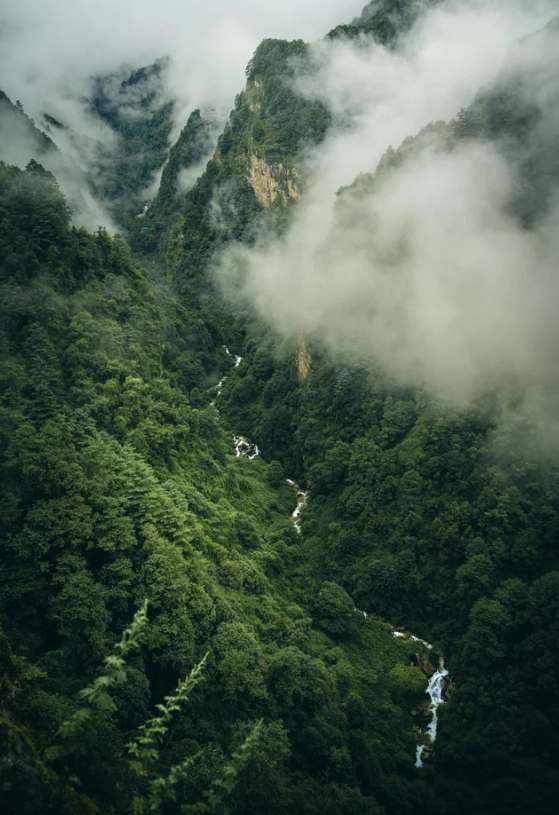
Cangshan Cable Car and Hiking (Option A: 8:30 AM - 3:00 PM)
Take a taxi to the Cangshan Mountain Gantong Cable Car station. Ticket: 180 RMB for a round-trip cable car, includes entrance fee. Book via Trip.com or Klook for a 10% discount—I've linked clients there before. Address: Cangshan Scenic Area, north of Dali Old Town. Open 8:30 AM to 4:30 PM, last ascent at 3:30 PM.
The cable car ride is 20 minutes. At the top, you can hike the Jade Belt Road—a flat trail with epic views. Allocate 3 hours. Bring water and snacks; the mountain shops are pricey. Weather changes fast; I once guided a group where fog rolled in, obscuring everything. Check the forecast, and if it's cloudy, consider Option B.
Alternative: Shuanglang Village or Zhoucheng (Option B: 9:00 AM - 4:00 PM)
If mountains aren't your thing, hire a driver to Shuanglang Village on Erhai's east shore. Cost: 150 RMB for a round-trip from Dali Old Town. Shuanglang is artsy, with galleries and cafes. Visit the Moon Palace (free), a viewing platform. Then head to Zhoucheng Village, known for tie-dye. You can try making your own at a workshop (about 100 RMB). Address: Zhoucheng, Dali. No ticket needed for the village.
This option is relaxed—perfect for families or if you're tired from previous days. I often recommend it to older travelers; the pace is slow, and you get hands-on culture.
Where to Eat: My Top Picks for Authentic Flavors
Dali's food scene mixes Bai cuisine with Yunnan flavors. Avoid the tourist traps with English signs; here's where I eat with my groups.
Restaurant 1: Bai Family Kitchen
Address: 12 Renmin Road, Dali Old Town (look for the blue door).
Specialties: Steam Pot Chicken (light broth), Rubing (fried goat cheese). My must-order is the chicken—it's tender and costs 98 RMB for a pot serving two. They have an English picture menu. Open 11 AM to 9 PM. Peak hours: 7 PM, wait time 20 minutes. Payment: Alipay, WeChat Pay, cash. No international cards. Vegetarian options available.
Restaurant 2: Erhai Lake Fish Grill
Address: Near Caicun Pier, Erhai Lake (no exact number; it's the third stall from the pier).
Specialties: Grilled fish from the lake, spicy or mild. Cost: 60 RMB per fish. No menu, just point. Open from 10 AM to 8 PM. I bring friends here for lunch—the owner, Lao Li, remembers me and throws in free tea. Cash only. Not suitable for vegetarians.
For breakfast, try "Noodles with Erkuai" at a street stall on Fuxing Road—10 RMB, served from 7 AM to 10 AM. It's a local staple, but some find it bland; I add chili oil.
Where to Stay: Accommodation for Every Budget
Dali has options from hostels to boutique hotels. Based on my clients' feedback, here are reliable picks.
| Hotel Name | Address | Price Range (per night) | Best For | Key Features |
|---|---|---|---|---|
| Dali Old Town Inn | 56 Huguo Road, Dali Old Town | 200-400 RMB (up to 600 RMB) | Free Wi-Fi, English-speaking staff, 5-min walk to sights, no elevator (2 floors) | Solo travelers, couples |
| Erhai Lake View Hotel | Near Haixin Park, Erhai Lake | 500-800 RMB | Families, nature lovers | Lake views, spacious rooms, taxi to old town 15 mins, luggage storage |
| Sky Valley Hostel | 23 Bo'ai Road, Dali Old Town | 50-150 RMB (dorm beds) | Backpackers | Social atmosphere, bike rental, shared kitchen, noise at night (bring earplugs) |
Book via Trip.com or direct call; during peak season (October-November), reserve two weeks ahead. I've seen last-minute travelers stuck paying double. For location, stay near the old town's edges—it's quieter but still walkable. The inns I listed have stable Wi-Fi, but always ask; once, a client complained about spotty connection at a cheaper place.
Practical Tips: Getting Around, Tickets, and More
Transport: Taxis are cheap (起步价 8 RMB), but use Didi app for better rates. Buses cover main routes (2-5 RMB). From Dali Airport, take airport shuttle bus (25 RMB, 1 hour) to old town. For trains, Dali Railway Station has links to Kunming; book tickets on 12306.cn or Trip.com.
Tickets: For major sites like Three Pagodas, always book online—I mentioned the WeChat mini-programs. Some spots accept walk-ins, but you'll queue. Children's discounts apply for under 1.2m height.
Money: Carry some cash (RMB); small vendors and buses require it. Alipay/WeChat Pay dominate, but set them up before arrival. International cards work at hotels and some restaurants, but don't rely on them.
Language: Basic English is spoken in tourist areas, but learn a few Mandarin phrases like "谢谢" (xiexie, thank you). I teach my groups this—it helps with locals.
Weather: Dali has mild weather, but afternoons can get hot. Wear layers. Rainy season is June-August; pack an umbrella. I've had tours ruined by sudden downpours, so now I always check the forecast hourly.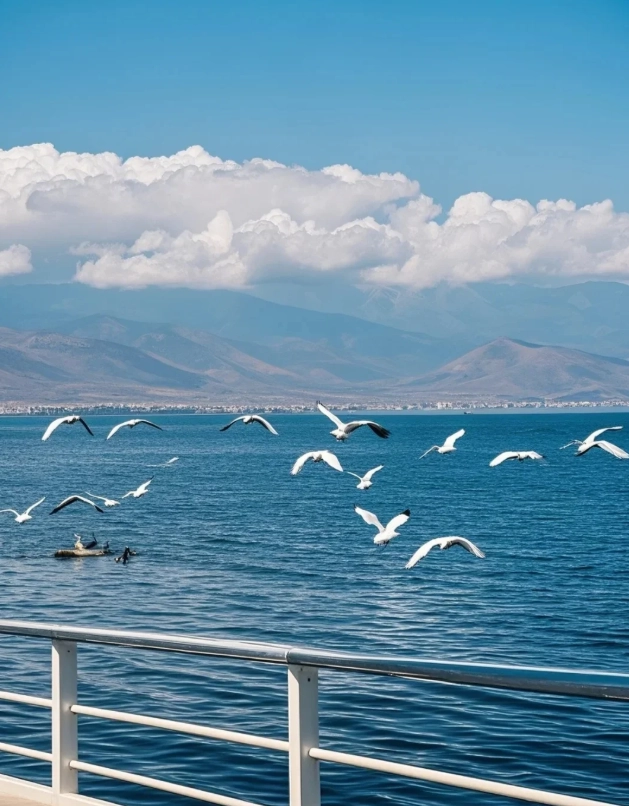
Frequently Asked Questions (FAQ)
 This article has been fact-checked based on my on-ground experience and latest local updates. Dali changes slowly, but these tips hold true. Enjoy your trip—and if you see a guide with a worn-out hat telling stories near the pagodas, say hi; it might be me.





Good value for a short trip, but not perfect. The local secrets were mostly food-related, which I appreciated, but the itinerary skipped some iconic spots like the Dali Museum. The hidden bar on the last night was fun—great views over the old town rooftops—but the cocktails were overpriced. Also, the walking route on day two could be better marked. Overall, a decent mix of known and off-beat experiences. 4 stars from me.
This plan is a gem if you want to dive into Dali's local life! The secret cooking class arranged on day two with a Naxi grandmother in her courtyard was the highlight of my entire China trip. She taught us how to make rose-petal pancakes using plants from her garden. Day three's morning bike ride along the back roads of Erhai, stopping at a tiny village for fresh yogurt, felt like a dream. Everything was well-timed and the guide spoke fluent English. Can't recommend enough!
Honestly, I was a bit let down. The itinerary promised 'local secrets' but most spots were already crowded with Instagrammers. The so-called secret noodle stall had a 40-minute wait and the noodles were average. The guide rushed us through the morning at the Three Pagodas to fit in a 'hidden' viewpoint that was just a dirty rooftop. Maybe it's good if you've never been to Dali, but I expected more authenticity. 3 stars.
Great itinerary overall, but a few hiccups. The secret morning market on day one was genuinely cool and not crowded at all. However, the 'hidden' temple turned out to be quite touristy with a lot of construction noise. Also, the walking distance on day three felt a bit too ambitious for a relaxed pace—my feet were killing me by dinner. Still, the guide's tips on where to eat fresh river fish were worth it. Solid 4 stars.
I absolutely loved this 3-day plan! The local secrets were spot on—especially that tiny café hidden behind the old town's east gate where the owner roasts his own beans. Day two's hike up to the abandoned monastery with a guide who shared stories about the Bai minority made the trip unforgettable. Only wish we had one more day to explore the lesser-known trails around Erhai Lake. Highly recommend!