 Hui Lin
You’ve landed at Beijing Capital International Airport (PEK) with a long layover staring you in the face. The idea of spending it all in an airport lounge feels like a waste, but venturing into a massive, unfamiliar city seems daunting. I get it. I’ve been guiding tours here for over a decade, and I’ve perfected the art of the high-impact, low-stress Beijing layover. Forget the generic lists. This is the exact plan I give my clients when they have just one day. It’s tight, it’s efficient, and it delivers the iconic Beijing experience without the panic.
The secret isn’t trying to see everything. It’s about picking one monumental site, one authentic meal, and one slice of local life. With smart planning, you can stand in the Forbidden City, walk through a historic park, eat legendary Peking duck, and get a feel for old Beijing’s hutong alleys—all with comfortable buffers to get you back to the airport on time. Let’s turn those dead hours into your trip’s unexpected highlight.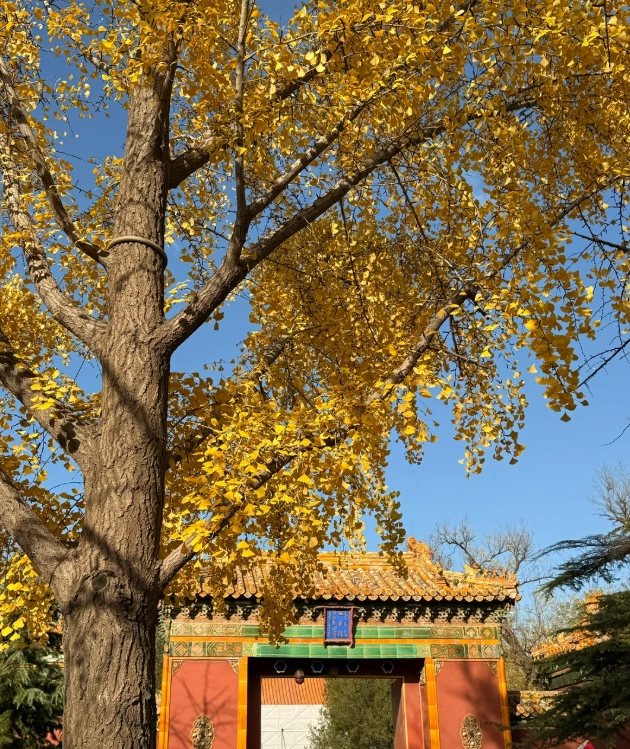
Your Layover Blueprint
Before You Leave the Airport: The Non-Negotiables
Rushing out the door is the first mistake. Spend 30 minutes here to save hours of hassle later.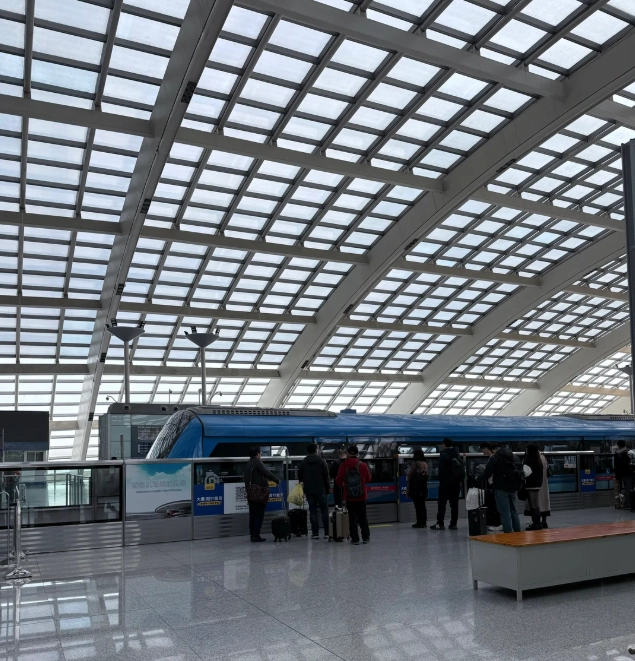
Visa and Entry: The 144-Hour Rule
This is your golden ticket. Citizens of the US, UK, Canada, Australia, and most EU countries can enjoy a 144-hour visa-free transit when traveling through Beijing to a third country. Your layover must be under 144 hours (6 days), and you must have confirmed onward tickets. The airline staff at check-in for your flight to Beijing should have briefed you, but always double-check the latest requirements on the National Immigration Administration website. When you land, follow signs for “144-Hour Visa-Free Transit” and have your passport and onward boarding pass ready. I’ve seen people miss this because they followed the general “Arrivals” line.
Dealing with Your Luggage
Do not, under any circumstances, drag a checked suitcase into the city. It will ruin your day. Leave it at the airport. Both Terminal 2 and Terminal 3 have left luggage offices (“Left Baggage”). They charge by the piece for 6 or 12-hour blocks (around 30-50 RMB per bag). Keep only a small daypack with essentials: passport, money, phone, charger, and a light jacket. The subway gets warm.
Getting Connected: SIM Cards and Money
Wi-Fi: Airport Wi-Fi requires a Chinese phone number for SMS verification, which you won’t have. The solution? Buy a local SIM card or an eSIM before you travel. Companies like Airalo offer data-only eSIMs you can install instantly. If you didn’t, look for the China Unicom or China Mobile counters in the arrivals hall. A one-day tourist SIM with data is affordable (around 50 RMB).
Money: Withdraw some Chinese Yuan (CNY/RMB) from an ATM. While Alipay and WeChat Pay are king, as a tourist with a short stay, cash is your most reliable friend for small vendors, taxi fares (some older drivers), and temple donations. Don’t change a huge amount; 500-800 RMB is plenty for the day. Card payments are widely accepted in restaurants we’ll visit.
The Fastest Way Into the City: Airport Express
The taxi queue can be an hour long. The Airport Express train is your savior. It runs from both T2 and T3 to Dongzhimen station in about 20-25 minutes. A single ticket costs 25 RMB. From Dongzhimen, you’re connected to Subway Lines 2 and 13, which will take you anywhere. Buy the ticket from the automated machines (English option available) or use a contactless bank card at the gate if it has the union pay logo. Remember: Keep your subway ticket. You’ll need it to exit at your destination.
The 12-Hour Layover Itinerary: Step-by-Step
This assumes a 7:00 AM arrival and a 7:00 PM departure, giving you a solid 12-hour window. Adjust times if you land later, but the sequence remains effective.
7:00 AM - 8:30 AM: Airport Formalities & Transit to Town
Clear immigration (144-hour desk), collect your hand luggage, find the Left Baggage, get cash, and hop on the Airport Express. By 8:30 AM, you should be stepping off the train at Dongzhimen. Breathe. You’re in the city.
8:30 AM - 12:30 PM: The Heart of Imperial China: The Forbidden City (Gu Gong)
From Dongzhimen, take Subway Line 2 one stop to Jiangguomen, then transfer to Line 1 heading towards Pingguoyuan. Get off at Tian'anmen East (Exit B). Follow the crowd. You’ll see the massive Tian'anmen Gate with Mao’s portrait. Walk under it (security check here) to enter Tian'anmen Square. Don’t linger too long; cross the square towards the even more imposing Meridian Gate (Wu Men). This is the sole entrance to the Forbidden City.
The Critical Detail: You MUST book your ticket online in advance, ideally the day before. They sell out daily. Use the official WeChat mini-program “故宫博物院” (search “Gugong” in the app) or the Palace Museum’s English website. An adult ticket is 60 RMB (Apr-Oct) or 40 RMB (Nov-Mar). Select the morning session. You’ll book for a specific date, and you must show your passport at the gate.
Once inside, don’t try to see all 980 buildings. Follow the central axis: through the Meridian Gate, across the Golden Water Bridges, into the Hall of Supreme Harmony (Taihe Dian). This is the postcard view. I always tell my groups to feel the scale here—this was where emperors held court. Then, walk north through the Hall of Central Harmony and Hall of Preserving Harmony. The rear palaces feel more intimate. Aim to exit via the North Gate (Shenwu Men) around noon. There’s a Starbucks inside near the Hall of Preserving Harmony if you need a caffeine hit, but it’s pricey.
12:30 PM - 2:00 PM: A Taste of Heaven: Peking Duck Lunch
Exit the Forbidden City’s North Gate. You’ll be right at the moat, with Jingshan Park across the street. Ignore the touristy restaurants right there. Instead, walk 10 minutes east along the moat to a local favorite: Jing Wei Ju (京味居). The address is 67 Di'anmen East Street. It’s not the fanciest, but the duck is excellent, the service is used to foreigners, and they have an English picture menu. A whole duck serves 2-3 people and costs around 260 RMB. They’ll carve it tableside. Order some pancakes, scallions, sweet bean sauce, and maybe a plate of fried green beans. It’s a feast. Expect to spend 120-150 RMB per person. They accept credit cards. If it’s packed, another solid, slightly more upscale option nearby is Liqun Roast Duck Restaurant in a hutong (be prepared to navigate a maze).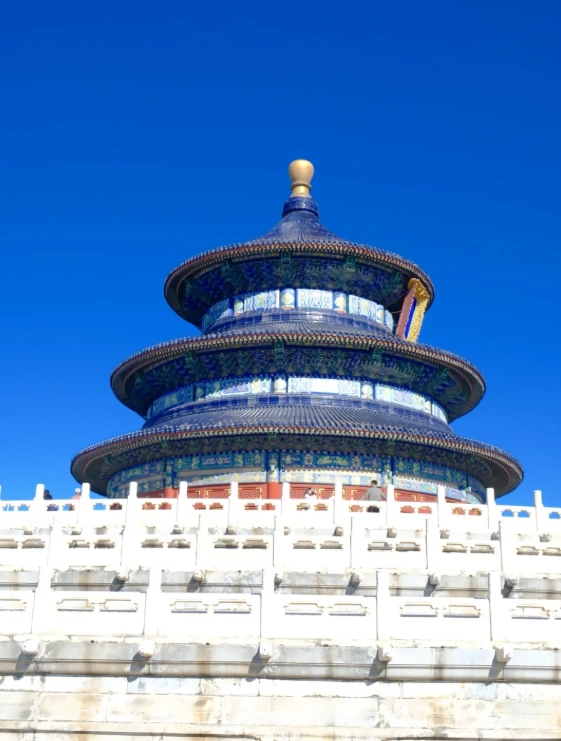
2:00 PM - 4:00 PM: Imperial Echoes and Local Alleys
From the restaurant, it’s a short taxi ride (about 15 RMB) or a 20-minute walk south to the East Gate of the Temple of Heaven (Tiantan). This is my preferred entrance for a layover. The ticket is 15 RMB for the park, and an additional 20 RMB for the Hall of Prayer for Good Harvests (worth it). You can buy it at the gate.
The Temple of Heaven is a park where locals come to dance, sing opera, and play cards. It’s alive. Walk straight down the broad path to the iconic, circular Hall of Prayer for Good Harvests. The architecture is stunning. The real magic, though, is the Echo Wall and the Circular Mound Altar south of it. Kids love testing the acoustics. Spend an hour soaking in the serene, green atmosphere—a perfect contrast to the Forbidden City’s rigid grandeur.
Exit from the South Gate. This is key. The South Gate puts you right at Tiantan East Gate Subway Station (Line 5). Before you hop on the subway, take a 10-minute detour into the residential streets just outside the south wall. This is the unpolished, real Beijing. You’ll see hole-in-the-wall noodle shops, people playing xiangqi (Chinese chess), and laundry hanging out to dry. It’s a glimpse of everyday life most tourists speeding between monuments miss.
4:00 PM - 5:30 PM: The Return Journey to PEK
From Tiantan East Gate Station, take Line 5 north to Chongwenmen, then transfer to Line 2 towards Dongzhimen. Get off at Dongzhimen and follow signs for the Airport Express. This is the reverse of your morning trip. Give yourself a solid 90 minutes from this point until you’re back at your terminal. The train takes 25 minutes, then you need to collect your luggage, check in for your next flight (if not already done), and clear security and emigration. Rushing at an airport is the worst way to end a great day.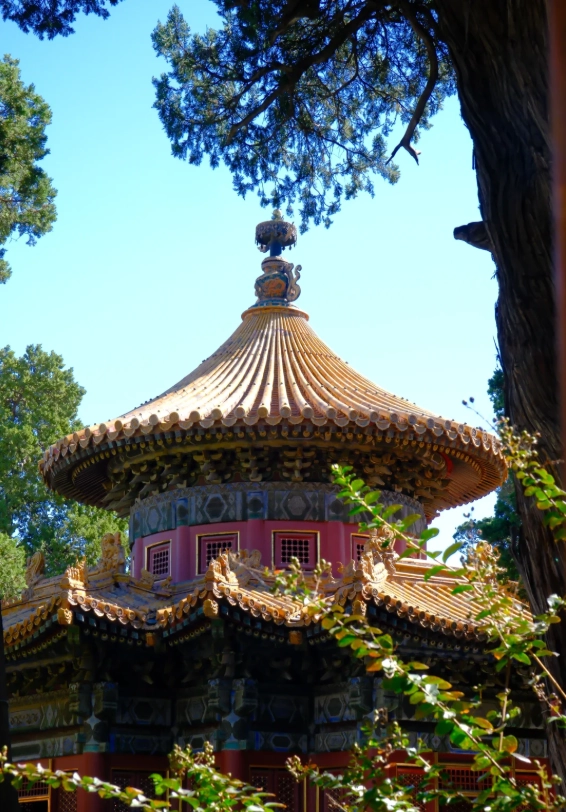
If Your Plan Needs a Plan B
Weather awful? Feet screaming? Here are two solid alternatives that keep you close to the airport express line.
Option 1: The Cultural Deep Dive (Less Walking). From Dongzhimen, take Line 2 to Jishuitan, walk to the Bell and Drum Towers. Climb one for a panoramic view of the hutong rooftops. Then, spend a couple of hours getting lost in the connected Nanluoguxiang alley (it’s touristy but fun) and the quieter hutong that branch off it. Have lunch at a hutong restaurant like Dadu Lishi for northern Chinese cuisine. Then, take Line 8 from Shichahai to Guloudajie, transfer back to Line 2 and head to Dongzhimen.
Option 2: The Indoor & Shopping Blend. From Dongzhimen, take Line 2 to Wangfujing (Exit A). Stroll down Beijing’s famous shopping street. Visit the Wangfujing Cathedral, an unexpected sight. For a world-class indoor experience, walk 15 minutes to the National Museum of China on Tian'anmen Square’s east side (book free ticket online via their website). Its ancient Chinese history exhibits are breathtaking. Then, grab a quick bite at the food court in the APM mall before heading back.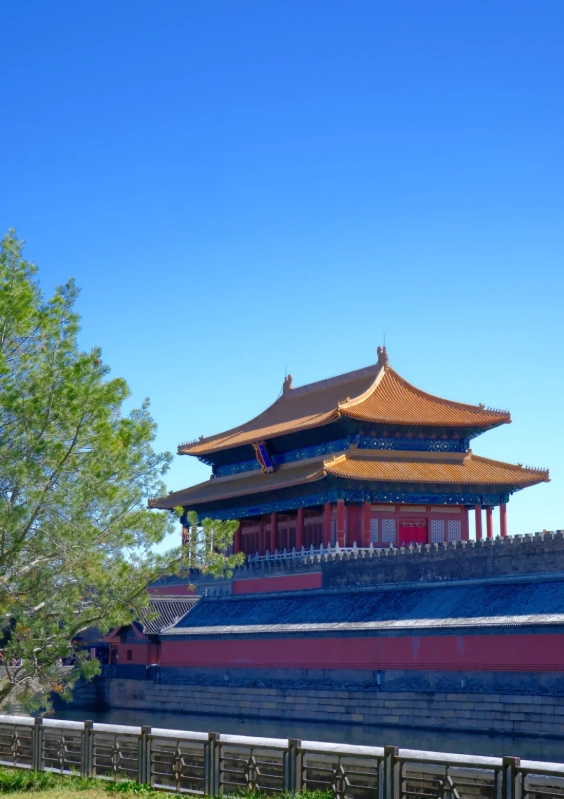
Your Beijing Layover Questions, Answered
Is 12 hours really enough to leave Beijing airport, or is it too risky?
What if my layover is at Beijing Daxing Airport (PKX)?
I don’t like crowded tours. Can I do this independently?
What’s the one mistake most layover tourists make in Beijing?
How do I handle the language barrier with taxi drivers?
So there you have it. A 12-hour layover in Beijing isn’t a constraint; it’s an opportunity. It’s a chance to touch history, taste a world-famous dish, and feel the rhythm of a city that’s both ancient and utterly modern. Follow this plan, move with purpose, and you’ll walk back into the airport terminal with photos, flavors, and stories that most travelers who never left the lounge will never have. Safe travels, and enjoy your unexpected adventure in Beijing.
This article is based on firsthand experience guiding international visitors in Beijing. Information regarding ticketing and transport is regularly verified for accuracy.





This itinerary was a game-changer for my layover. Not only did I hit the iconic spots, but the deep dive into a traditional tea ceremony and a local calligraphy shop gave me a real taste of Chinese culture. The old man in the hutongs even invited me to try his homemade jasmine tea – that memory alone is worth the trip. Perfect blend of efficiency and authenticity.
Great value itinerary! Most of the places are either free or very cheap – loved the park and the street food stalls. The guide highlighted a hidden alley with amazing handmade noodles for under 20 yuan. My only suggestion: add more details on how to avoid tourist-trap pricing at the silk market. Overall a smart way to see Beijing without breaking the bank.
Honestly, I was pretty disappointed. The itinerary recommended a popular hutong restaurant but it had a 45-minute wait, which blew the whole schedule. Also, the subway directions were confusing – ended up on the wrong line and lost an hour. The idea is good but the execution needs work. Only did two out of six stops. For a layover, you need something more flexible.
Solid plan overall and I'm glad I used it. The temple visit was serene and the local market was fun for souvenirs. My only complaint: the timeline felt a bit rushed in the afternoon, especially with Beijing’s summer heat. We skipped the last suggested stop because we were exhausted. Still, the guide gave us a good structure – just maybe allow an extra hour if you want to breathe.
Followed this itinerary step by step during my 12-hour layover last week and it was absolutely perfect. Started with a quick visit to the Forbidden City – the sheer scale and the red walls under the morning sun were breathtaking. Then grabbed Peking duck at a nearby spot the guide recommended; the crispy skin literally melted in my mouth. Made it back to the airport with plenty of time. This saved me from aimlessly wandering. 10/10 would recommend to anyone with a tight window.