 Jian Zhao
So, you've finally decided to visit China. Great choice. But staring at a map, it hits you: this place is huge. Where do you even start? Most first-timers make the same mistake—they try to cram in too much or bounce between random cities. After a decade of guiding families and solo travelers through these streets, I've perfected a 14-day loop that hits the iconic highlights without the burnout. We'll cover imperial power in Beijing, futuristic buzz in Shanghai, culinary delights in Guangdong, and ancient wonders in Shaanxi. This isn't just a list of places; it's the how-to, the when-to, and the what-to-avoid that you won't find in a generic guidebook.
Your 14-Day China Trip at a Glance
Days 1-4: Beijing - The Imperial Heart
Start in Beijing. The logic is simple: you tackle the most culturally intense part first, when your energy is highest. Jet lag is your friend here—wake up at 5 am? Perfect, you'll beat the crowds to the Forbidden City.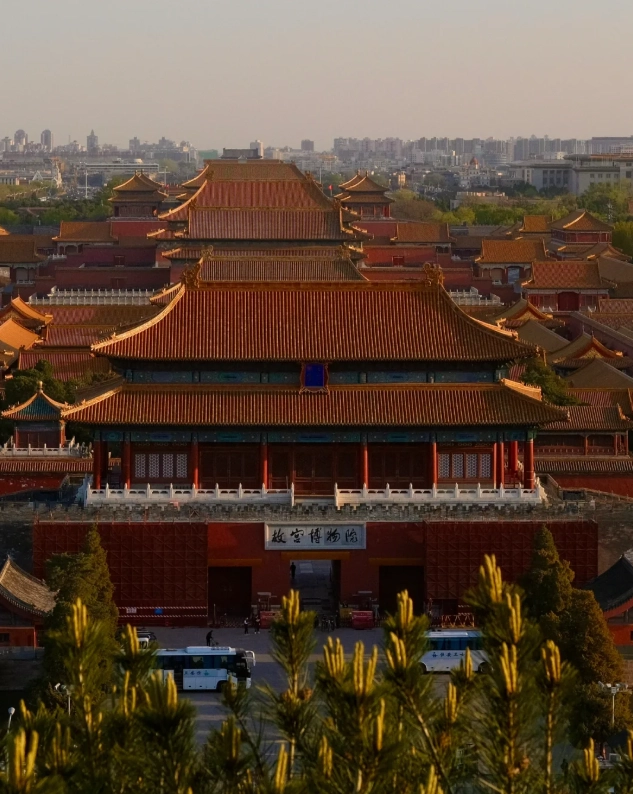
Day 1: Arrival & Temple of Heaven
Land at Beijing Capital International Airport (PEK). Take the Airport Express train (25 RMB, 30 mins) to Dongzhimen, then a taxi to your hotel. I recommend staying near Dongsi or Qianmen subway stations—central and well-connected. Don't plan anything major. After checking in, head to the Temple of Heaven Park. It's open late (park closes at 10 pm, main halls at 5:30 pm). Locals gather here for evening dances and games. It's a relaxed intro. Entrance is 15 RMB for the park, 35 RMB for the full ticket. No need to book ahead here.
Day 2: The Forbidden City & Jingshan Park
This is the big one. You MUST book online in advance via their official WeChat mini-program or website. Tickets (60 RMB in peak season) sell out days ahead. Enter from the south (Meridian Gate). Hire the audio guide (40 RMB) at the gate—it's decent. I've seen too many people wander cluelessly. Spend 4-5 hours inside. Exit at the north gate, walk across the street, and climb Jingshan Park (2 RMB). The view from the top, looking south over the entire Forbidden City, is unbeatable. Do this. For dinner, try Jiumen Snacks near Houhai Lake. It's a bit touristy, but it's a clean, organized intro to Beijing street food like zhajiangmian (noodles) and douzhi (fermented bean drink—be warned, it's an acquired taste!). Address: 1 Xiaoyou Hutong, Xicheng. Budget 50-80 RMB per person.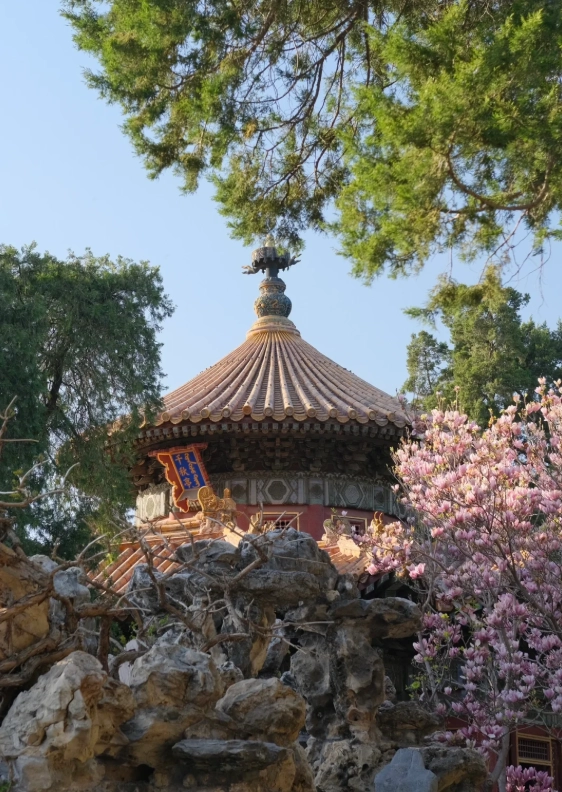
Day 3: The Great Wall at Mutianyu
Forget Badaling. Mutianyu is just as impressive, has a cable car, and is less packed. Book a private car for the day (around 500-600 RMB round trip, 1.5-hour drive). Or, take the public bus 916 Express from Dongzhimen to Huairou, then a local taxi (total about 30 RMB per person, but more hassle). Get there by 8:30 am. The combo ticket (cable car up, toboggan down) is about 140 RMB. The toboggan slide down is pure fun. Spend 3-4 hours walking the wall. Bring water and snacks.
Day 4: Summer Palace & Hutongs
Take subway line 4 to Beigongmen Station (Exit D). The Summer Palace is massive. Don't try to see it all. Focus on Longevity Hill and Kunming Lake. The Marble Boat and Long Corridor are highlights. Ticket: 60 RMB (peak season). Spend the afternoon losing yourself in the Nanluoguxiang hutong area. It's commercialized now, but sidestreets like Mao'er Hutong are still charming. For a unique experience, book a rickshaw tour through a local hutong family's courtyard home (siheyuan). You can find these tours through hotels or platforms like Viator. It's pricier (200-300 RMB) but offers a real glimpse behind the walls.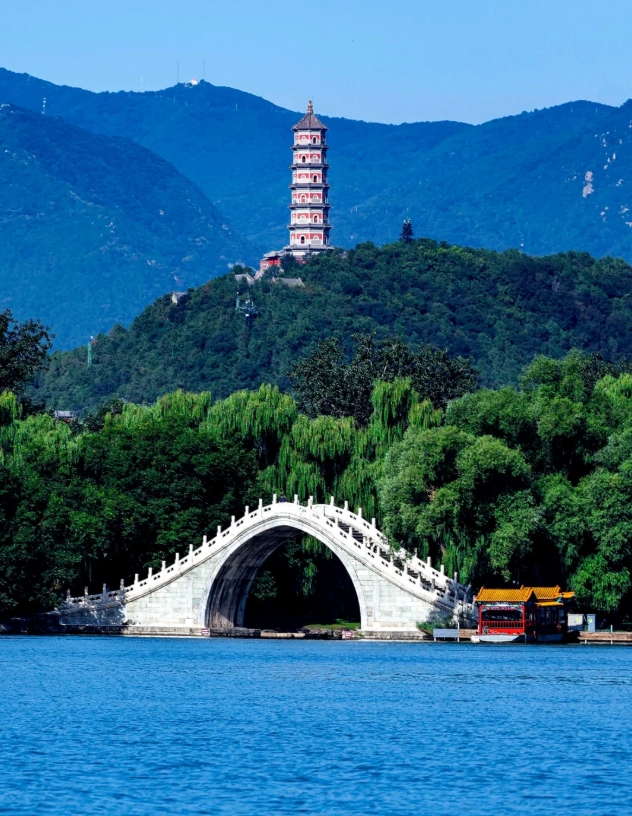
Days 5-7: Shanghai - The Future Meets the Past
Take the morning high-speed train from Beijing South to Shanghai Hongqiao. Book tickets on Trip.com or Ctrip at least 3 days prior. The 4.5-hour journey (550-600 RMB second class) is an experience in itself. In Shanghai, base yourself near People's Square or Nanjing East Road for subway access.
Day 5: The Bund & Pudong Skyline
Check in, then head straight to The Bund. Walk the promenade during the day. For the iconic postcard shot, cross the river to Lujiazui in Pudong (take the Bund Tourist Tunnel or, better, line 2 subway). Go up the Shanghai Tower (180 RMB). It's the tallest and has the best observation deck (the 118th floor). Skip the Oriental Pearl Tower—it's overpriced and crowded. At night, return to The Bund to see the skyscrapers light up. The light show starts at 7 pm.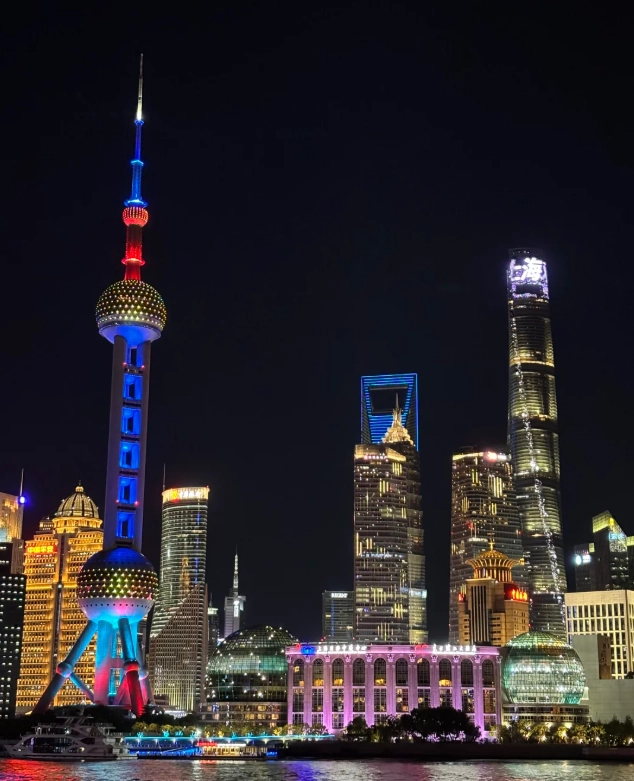
Day 6: French Concession & Xintiandi
Today is for walking and atmosphere. Start at Fuxing Park (metro South Shaanxi Road) to see locals practicing tai chi. Then wander the tree-lined streets of the Former French Concession. Find Tianzifang, a maze of artsy alleyways with cafes and shops (near Dapuqiao Station). It's touristy but photogenic. For lunch, find a shengjianbao (pan-fried soup dumpling) spot. I always go to Yang's Fry-Dumpling (multiple branches). They're crispy, juicy, and cheap (about 12 RMB for 4). Be careful—the soup inside is hot! Evening at Xintiandi, a restored shikumen area now full of restaurants and bars. It's upscale but beautifully done.
Day 7: Yuyuan Garden & Shanghai Museum
Visit Yuyuan Garden (40 RMB, metro Yuyuan Garden) early, right at 8:30 am opening, to avoid the crushing crowds that arrive by 10 am. It's a classical Chinese garden oasis. The bazaar outside is packed with souvenir shops—good for a quick look, but prices are high. Then, walk to the Shanghai Museum in People's Square (free, but reserve a time slot online). Their bronze and ceramic collections are world-class. Allow 2-3 hours. Your last meal in Shanghai should be xiaolongbao (steamed soup dumplings). Jia Jia Tang Bao near People's Square is a legend. No frills, just incredible dumplings. Address: 90 Huanghe Road. Expect to queue for 20 minutes. Budget 50 RMB per person.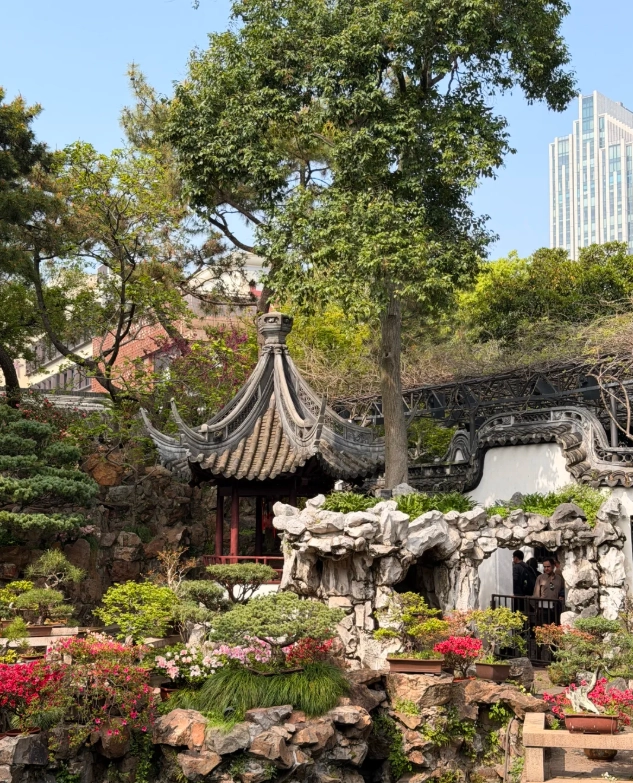
Days 8-10: Guangdong - The Flavor Capital
Fly from Shanghai Hongqiao to Guangzhou Baiyun (CAN). This 2-hour flight is your gateway to Guangdong's food paradise. Stay in the Tianhe district for modern comfort or near Shangxiajiu Pedestrian Street for old Guangzhou vibe.
Day 8: Guangzhou's Old & New
Start at Chen Clan Ancestral Hall (10 RMB, metro Chen Clan Academy). The intricate ceramic sculptures on the roof are stunning. Then, experience the chaos of Shangxiajiu Pedestrian Street. It's packed with shops and food stalls. Try the egg tarts from Lianxiang Lou—they're flakier than the Portuguese version. For dinner, you must have Cantonese roast meat. Yue Kee Roast Goose Restaurant in Di Shi Fu Road is an institution. The goose is crispy-skinned and succulent. A quarter goose costs about 80 RMB.
Day 9: Dim Sum & Shenzhen Tech
Morning dim sum is non-negotiable. Go to a local teahouse like Panxi Restaurant in Liwan Lake Park. It's huge, noisy, and authentic. Pushcarts might be gone, but you order from a sheet. Must-orders: har gow (shrimp dumplings), siu mai (pork dumplings), char siu bao (barbecue pork buns). Expect 80-120 RMB per person. In the afternoon, take the high-speed train from Guangzhou South to Shenzhen North (30 mins, 75 RMB). Dive into the tech world at Huawei's flagship store or the Shenzhen Museum of Contemporary Art & Planning. Shenzhen is about feeling the pulse of new China. Return to Guangzhou by train in the evening.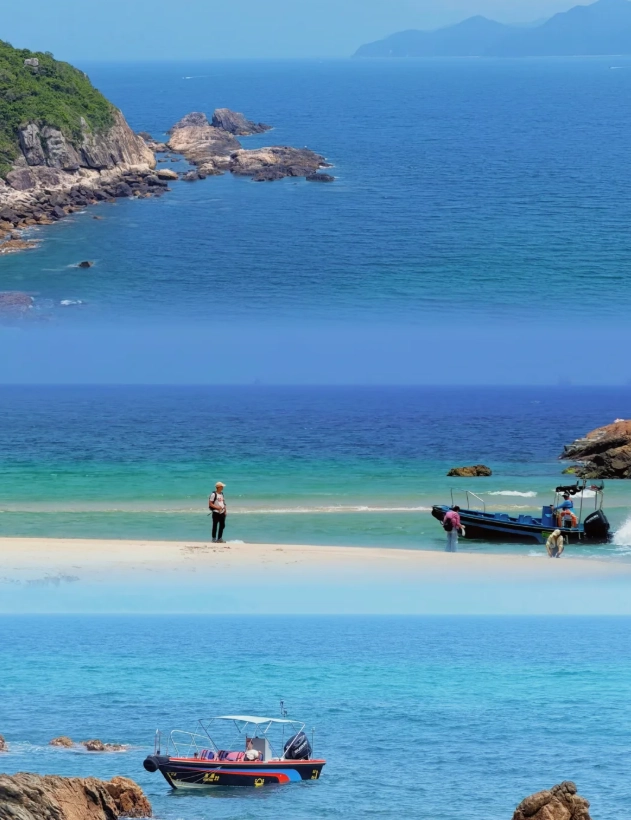
Day 10: Foshan & Kung Fu Heritage
A day trip to Foshan (30 mins by train from Guangzhou South). This is for culture buffs. Visit the Foshan Ancestral Temple (20 RMB), a masterpiece of Lingnan architecture dedicated to the Northern God. Next door is the Foshan Martial Arts Museum (free), celebrating the city as the birthplace of many kung fu styles, including Wong Fei-hung's. For lunch, try Foshan ginger milk (jiangzhuangnai), a warm, sweet, and spicy dessert. Take the late afternoon train back.
Days 11-13: Shaanxi - The Ancient Empire
Fly from Guangzhou to Xi'an (XIY). You're now stepping into China's ancient heartland. Stay inside or just south of the Xi'an City Wall for convenience.
Day 11: The Terracotta Army
Go early. Again. Book a private car (300-400 RMB round trip) or take the official tourist bus 5 (306) from the east square of Xi'an Railway Station (8 RMB, 1.5 hours). Arrive by 8:30 am. Tickets (120 RMB in peak season) can be bought on-site, but booking online via the official "Museum of Qin Terracotta Warriors and Horses" site is smoother. Hire a licensed guide at the entrance (around 150 RMB for a small group)—the statues are silent; the stories make them come alive. Pit 1 is the jaw-dropper. Pits 2 and 3 are smaller. Spend 3-4 hours. Return to Xi'an and walk on the City Wall in the late afternoon (54 RMB). Rent a bike (45 RMB for 3 hours) and cycle the 14-kilometer perimeter as the sun sets.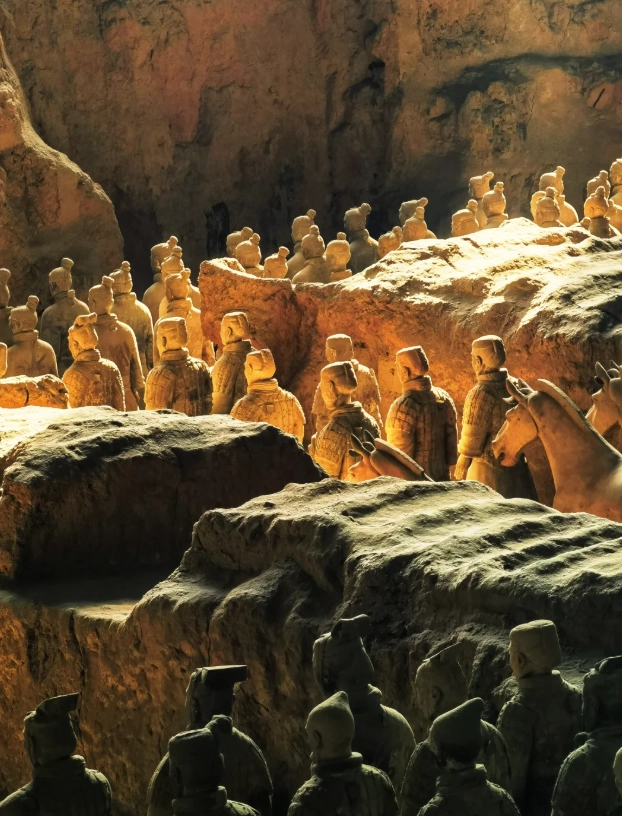
Day 12: Muslim Quarter & History Museums
Start at the Shaanxi History Museum. It's one of China's best. You MUST reserve a free ticket online 3-5 days in advance through their official WeChat account. If you miss out, you can buy a ticket (30 RMB) for the special Tang Dynasty murals exhibition, which grants general entry. Allow 3 hours. Then, dive into the Muslim Quarter for lunch. It's a food street frenzy. Try yangrou paomo (crumbled flatbread in mutton stew). You break the bread yourself—it's an activity. For a sit-down place, Lao Sun Jia is famous. Address: 78 Beiyuanmen. Evening, watch the Tang Dynasty Music and Dance Show at the Shaanxi Grand Opera House. It's touristy but a colorful spectacle. Book through your hotel.
Day 13: Big Wild Goose Pagoda & Departure Prep
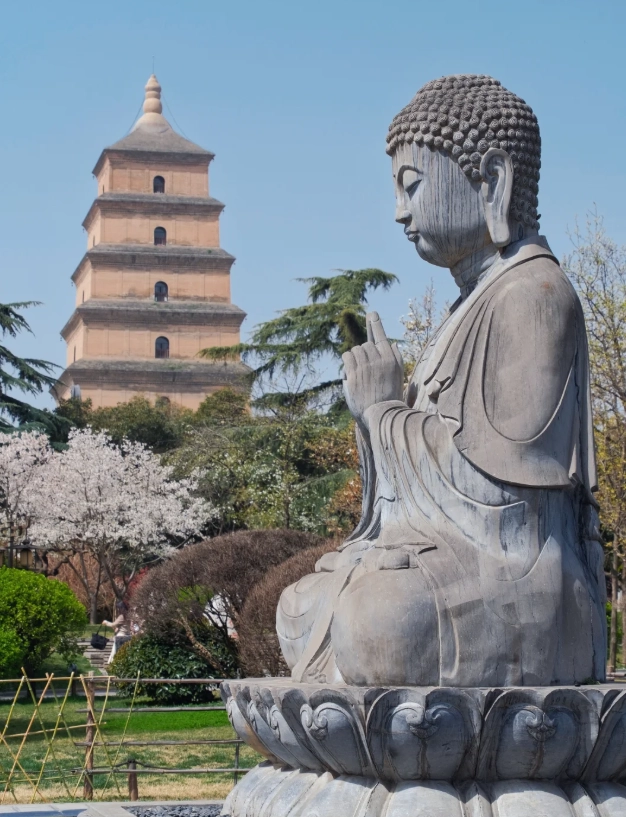
Visit the Big Wild Goose Pagoda area in the south of the city. The park around it is lovely. You can pay to climb the pagoda (25 RMB), but the view isn't spectacular. I prefer to admire it from the North Square, which has a massive musical fountain show at set times (check times, usually noon and 8 pm). Use this last afternoon for souvenir shopping or revisiting a favorite spot. Pack your bags—tomorrow you fly home.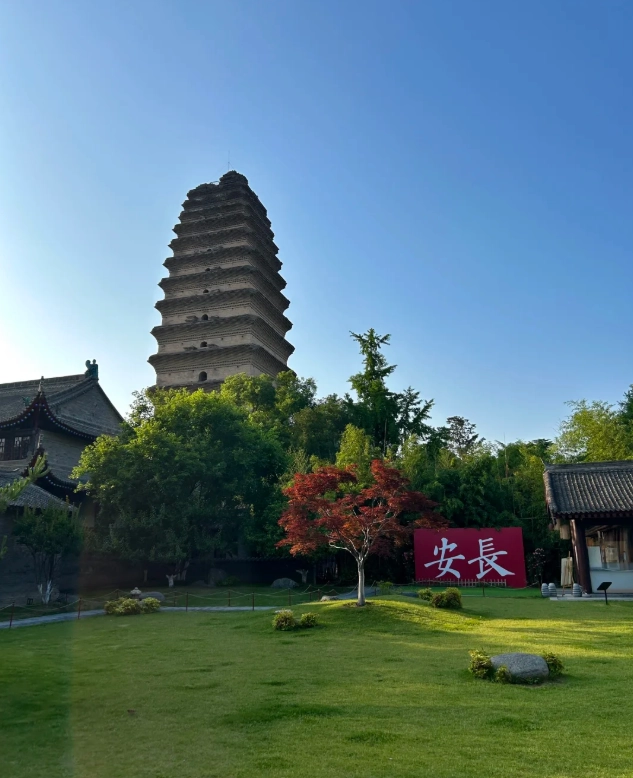
Day 14: Departure and Final Tips
Head to Xi'an Xianyang International Airport (XIY) for your international flight home. Allow 2 hours for domestic flights, 3 hours for international. Most flights from here connect through major hubs like Beijing, Shanghai, or Hong Kong.
Here’s a quick reference table for key logistics across the trip:
| City | Key Attraction | Ticket Booking Must? | Best Time to Visit | Budget Lunch Tip |
|---|---|---|---|---|
| Beijing | Forbidden City | YES, online in advance | Opening time (8:30 am) | Noodle shops near hutongs (25-40 RMB) |
| Shanghai | Shanghai Tower | Recommended, but can buy on-site | Late afternoon for day/night views | Shengjianbao stall (15-20 RMB) |
| Guangdong | Dim Sum Teahouse | No, just show up | Late morning (10-11 am) | Local congee & noodle shop (30 RMB) |
| Shaanxi | Terracotta Army | Recommended online | Opening time (8:30 am) | Biangbiang noodles in Muslim Quarter (20-30 RMB) |
FAQ: Your China Trip Questions Answered
Is 14 days enough for a first trip to China covering these places?
How do I book train tickets and attraction tickets as a foreigner?
 What's the biggest mistake first-timers make with this itinerary?
Can I use credit cards everywhere, or do I need cash?
What if I have bad weather on a key day, like for the Great Wall?
This article is based on my personal experience guiding hundreds of visitors over the past ten years. Details like ticket prices and opening hours are checked against official sources as of my last visit, but always confirm on official sites before your trip as policies can change.





As a solo traveler I was a bit nervous about navigating China, but this itinerary gave me confidence. It includes practical advice on train ticket booking apps and how to handle the Great Wall crowds. The 14-day flow is logical — you end in Shanghai feeling like you’ve seen the highlights without burnout. A solid 4 out of 5 for me because some restaurant picks were touristy, but overall excellent.
We followed this route last spring and it worked fine, but I wish it had noted more about weather — spring can be rainy in Guilin and the Li River cruise was foggy and disappointing. Also the optional side trips (like Longji Rice Terraces) were mentioned as an afterthought; we almost missed them. Good for a basic framework, but needs more nuance.
Honestly, this was the best travel decision we made. The itinerary’s suggestion to take an overnight train from Xi’an to Chengdu saved us a hotel night and felt like a real local experience. The included tips on food (like which dumpling restaurants to avoid tourist traps) were spot-on. Would absolutely recommend this to any first-timer.
Solid route overall, but a few things felt off. The 2 days in Xi’an were way too short — we barely scratched the surface of the Terracotta Warriors and the Muslim Quarter. Also the hotel recommendations in Chengdu were outdated. Still, it gave us a good skeleton to build on. Worth a read, just plan to tweak the details.
This itinerary was a lifesaver for our first trip to China! We followed it almost exactly and every day felt well-paced — not too rushed, not too slow. The balance between big cities like Beijing and Shanghai and the natural beauty of Guilin and Yangshuo was perfect. Highly recommend for anyone who wants a stress-free planning experience.