 Hui Lin
So, you've finally booked that ticket to China. Congrats! Now comes the real question: with a country this vast, where on earth do you start? I've been guiding curious first-timers around this place for over a decade, and I can tell you, the biggest mistake is trying to see everything. You'll end up exhausted and missing the magic. This list isn't just the postcard spots; it's a curated selection of places that give you the perfect introduction to China's history, landscapes, and modern pulse, all mixed with the nitty-gritty details most blogs skip. Think of me as your friend with a van, telling you exactly where to go, when, and how to dodge the crowds.
Your Quick Navigation Guide
1. The Great Wall at Mutianyu
Everyone's number one. But here's the secret most first-timers miss: not all sections are created equal. Badaling is the closest to Beijing and famously packed. For a first experience that balances accessibility with awe, I always push for Mutianyu.
Why? It's restored enough for an easy walk (the steps are still steep, wear good shoes!), but retains its grandeur snaking over forested ridges. The crowds are manageable. You can take a cable car up and, my favorite part, a toboggan slide down. Yes, a slide down the Great Wall. It's a blast and saves your knees.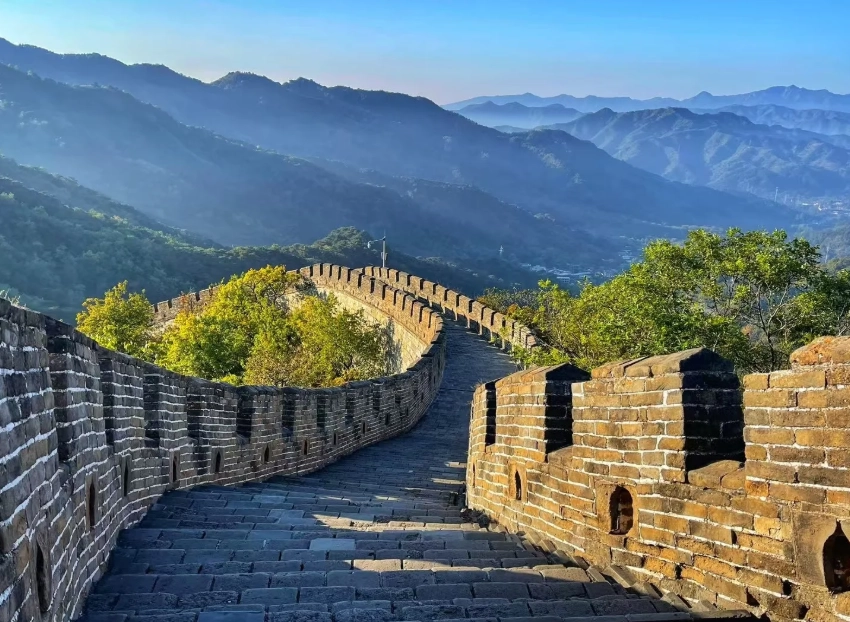
Plan Your Visit: Full Address: Mutianyu Great Wall, Huairou District, Beijing. Getting There: No direct subway. Easiest is a private car (约 1.5 hrs from downtown, cost ~400-500 RMB round trip) or book a seat on a tourist shuttle bus from places like Qianmen. Tickets & Timing: Adult ticket is 45 RMB. Cable car up/toboggan down combo is 140 RMB one-way. You MUST book online in advance via the official WeChat mini-program "慕田峪长城" or a platform like Trip.com. Gates open 7:30 AM - 5:30 PM. Be there by 7:45 AM to beat the tour buses. The light for photos is best mid-morning before the sun gets directly overhead.
2. The Forbidden City, Beijing
The heart of imperial China for 500 years. It's massive, and that's the challenge. First-timers often walk in the main south gate, wander the central axis, and leave an hour later overwhelmed but underwhelmed. Don't do that.
My strategy: Enter from the south (Meridian Gate), exit to the north, but focus on the side halls. The real treasures are in the exhibitions. The Clock and Watch Gallery (in the Fengxian Hall) and the Treasure Gallery (in the Palace of Tranquil Longevity area) are stunning and often quieter.
Pro Tip: Booking is the biggest hurdle. Tickets sell out days in advance. Go to the official website (en.dpm.org.cn) exactly 7 days before your visit at midnight Beijing time to snag yours. No ticket, no entry, no exceptions. Aim for a weekday. After your visit, skip the crowded tourist restaurants nearby and walk 15 minutes north to Huguosi Hutong for authentic local snacks.
3. The Terracotta Army, Xi'an
It lives up to the hype. Standing in Pit 1, facing thousands of unique soldiers, is a genuine time-travel moment. The site is about an hour outside Xi'an city.
Here's my on-the-ground advice everyone needs: Hire a licensed guide at the site entrance. The displays have minimal English explanations. A good guide (expect 150-200 RMB for a small group) brings the history to life. Don't bother with the overpriced souvenir shops inside; better trinkets are outside the main gates for a fraction of the price.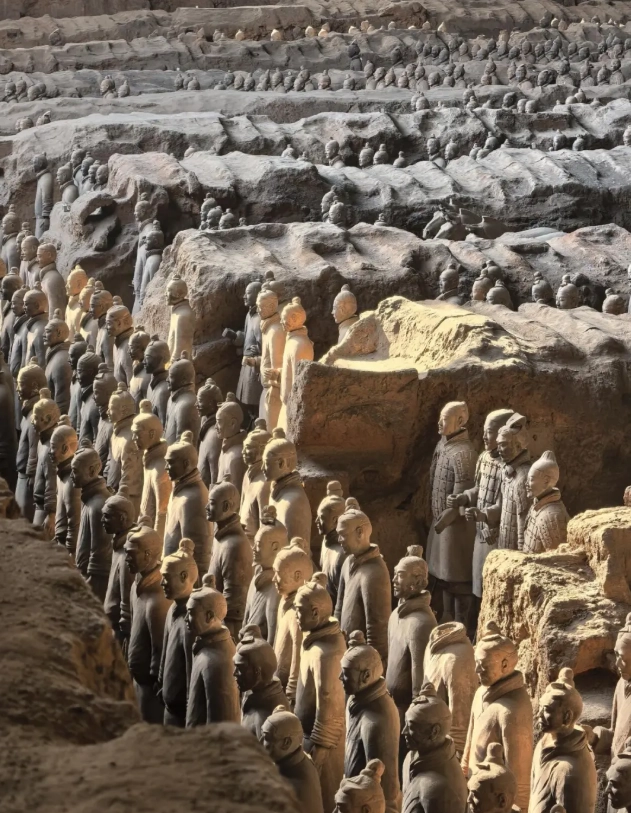
| Info | Details |
|---|---|
| Ticket Price | 120 RMB (Mar-Nov), 100 RMB (Dec-Feb). Includes access to all pits and the exhibition hall. |
| How to Get There | Take tourist bus No. 5 (306) from the east square of Xi'an Railway Station. Fare is 7 RMB, journey ~70 mins. Ignore touts offering "direct taxis". |
| Best Viewing Order | Pit 1 (the iconic one) → Pit 3 (the command post) → Pit 2 (where you see excavation in progress) → Exhibition Hall. |
| Time Needed | 3 hours minimum. Add 2+ hours for round-trip transport. |
4. The Li River, Guilin
This is the China of scroll paintings. Karst mountains piercing the mist, water buffalo, bamboo rafts. For a first-timer, the classic Guilin to Yangshuo cruise is the way to go. It's a 4-5 hour journey down the most picturesque stretch.
Book your cruise ticket in advance through your hotel or a reputable agent. They'll handle the bus transfer to the Zhujiang Pier. Get a seat on the upper deck if you can. The boat lunch is basic; pack some snacks. Once you arrive in Yangshuo, stay a night or two. Rent a bicycle and explore the Yulong River valley – it's even more peaceful than the main Li River.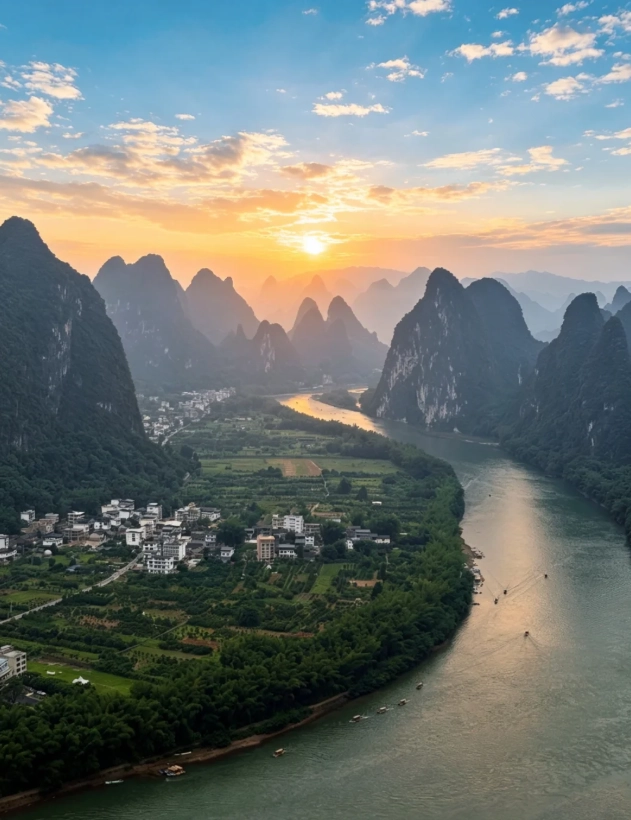
5. The Bund, Shanghai
Shanghai is your dose of hyper-modern China, and The Bund is its iconic postcard. On one side, 1920s colonial architecture; on the other, the sci-fi skyline of Pudong. Come here twice: once in daylight to appreciate the architecture, and once after dark when the skyscrapers put on a light show.
The promenade gets jam-packed in the evening. For the best photo spot with both views, walk to the northern end near the Waibaidu Bridge. It's slightly less crowded. Afterwards, dive into the backstreets behind The Bund (like Yuanmingyuan Road) for fantastic cocktail bars in renovated lane houses.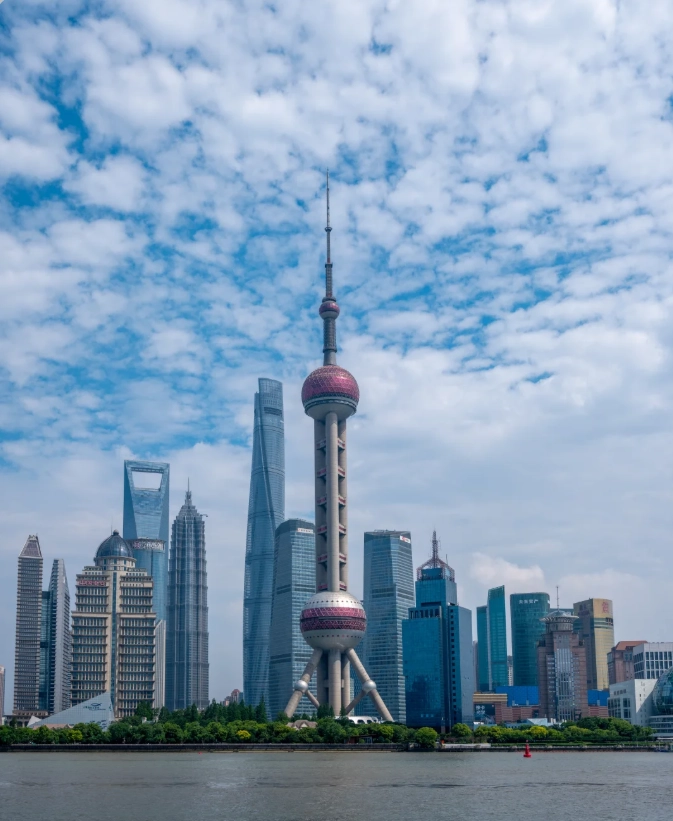
6. Giant Panda Base, Chengdu
Chengdu's pandas are a guaranteed smile. The key to a good visit is all about timing. Pandas are most active in the cool morning hours, especially around feeding time. After 10:30 AM, they often become lazy lumps sleeping in trees.
Chengdu Research Base of Giant Panda Breeding is the main spot. Get there the minute it opens at 7:30 AM. Head straight to the adult panda enclosures at the top of the hill first, then work your way down to see the red pandas and the (often crowded) nursery area. Take the electric cart (10 RMB) to save time and energy.
7. Zhangjiajie National Forest
This is the landscape that inspired the floating mountains in *Avatar*. It's otherworldly. It's also a massive national park complex that can be confusing. For a first-timer with 2 days, focus on Yuanjiajie (the "Avatar Hallelujah Mountain" area) and Tianzi Mountain.
A major local tip: Enter the park from the Wulingyuan entrance, not the Zhangjiajie Forest Park entrance. The queues are shorter and the route is more logical. The park uses a fingerprint-linked ticket system, so keep your ticket safe for multiple entries over your visit days. The Bailong Elevator is impressive but expect long lines; the Tianzi Mountain cable car offers similarly epic views with less wait.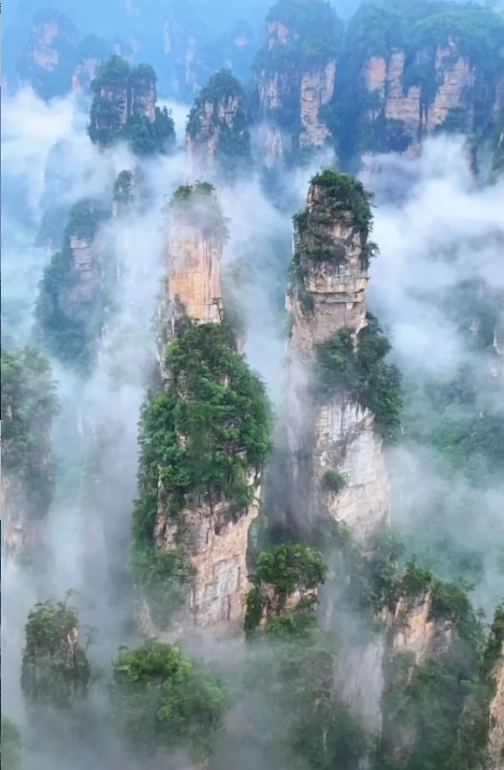
8. Victoria Peak, Hong Kong
Even if you're just transiting through Hong Kong, this view is non-negotiable. The classic Peak Tram is fun, but the queue can be over an hour. Here's the local workaround: Take public bus 15 from Central (Exchange Square bus terminus). It's a winding, exciting ride up for a fraction of the price and often faster. For an even better (and free) view, skip the expensive Sky Terrace 428. Instead, walk 10 minutes along Lugard Road, a flat path that circles the peak and offers uninterrupted, stunning harbor vistas.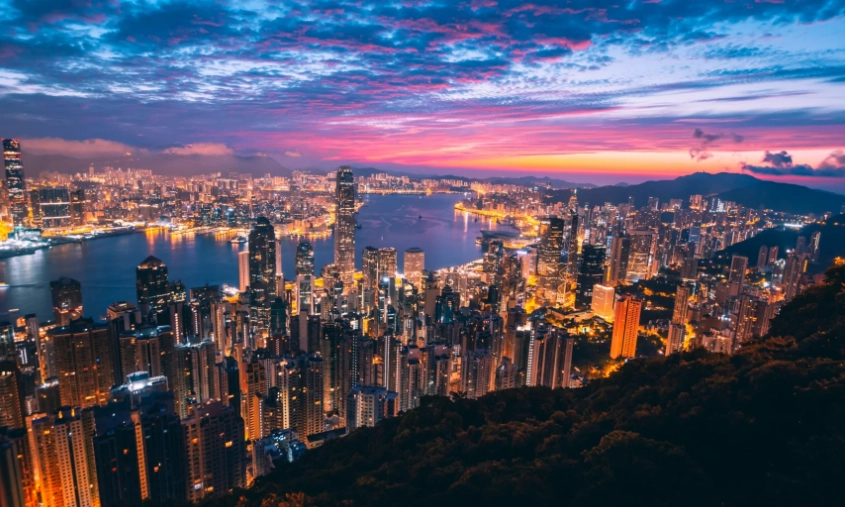
9. West Lake, Hangzhou
After the bustle of Beijing and Shanghai, West Lake is a serene palate cleanser. It's a UNESCO landscape garden, not just a lake. Don't try to walk the entire circumference (it's 15km).
Do this instead: Start at the Broken Bridge (断桥, Duanqiao). Walk along the Bai Causeway to Solitary Hill Island. Then, hire a rowboat (about 150 RMB per hour for the whole boat) from the small docks near the Xiling Seal Engravers' Society to get out on the water and see the Three Pools Mirroring the Moon islets up close. Finish with tea at a lakeside cafe. The best time is on a weekday, early morning, when locals are doing tai chi.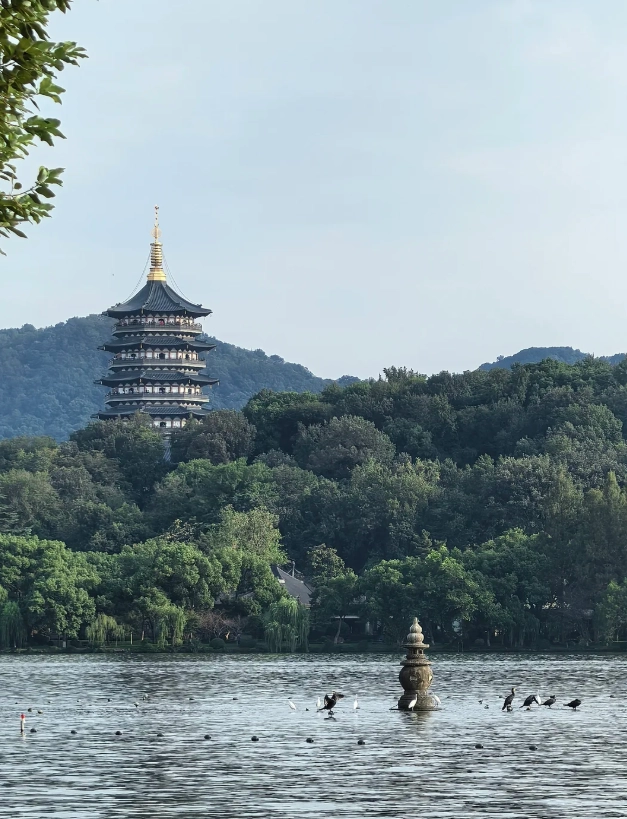
10. Classical Gardens of Suzhou
Suzhou is the "Venice of the East," famous for its canals and scholar gardens. With nine gardens on the UNESCO list, pick two to avoid fatigue. My top picks for first-timers are the Humble Administrator's Garden (Zhuozheng Yuan) – the largest and most impressive – and the Master of the Nets Garden (Wangshi Yuan) – small but perfectly composed, and stunning when lit up for the night tour.
Book tickets online via Suzhou Gardens' official channels. Visit the Humble Administrator's Garden right at opening (7:30 AM) to experience its tranquility before the groups arrive. For the Master of the Nets, the optional evening visit (separate ticket) with Kunqu opera performances in the pavilions is a magical, less-crowded experience.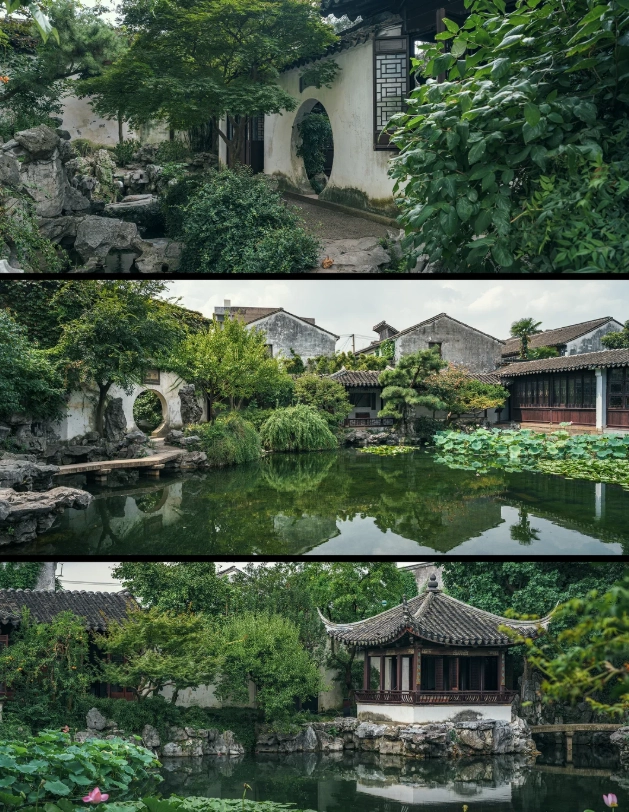
First-Timer FAQ: Your Questions Answered
How many days do I realistically need for a first trip to China?
Don't try to do it all in a week. You'll spend half your time in airports. A solid 10-14 day itinerary lets you hit the golden triangle (Beijing-Xi'an-Shanghai) comfortably, with maybe one extra stop like Guilin or Chengdu. For example: Beijing (4 days), Xi'an (2 days), Shanghai (3 days), plus travel days.
What's the biggest mistake first-time visitors make with transportation?
Underestimating travel time between cities and overestimating taxi availability. The high-speed train network is fantastic – book tickets in advance on Trip.com or via the China Railway app. In cities like Beijing and Shanghai, use the subway. It's cheap, efficient, and signs are in English. Didi (China's Uber) works with international credit cards now, but have your hotel write your destination in Chinese to show the driver.
I don't speak Chinese. Will I struggle with basics like ordering food?
In major tourist cities, you'll manage. Most metro signs are bilingual. In restaurants, look for places with picture menus or use the pointing method. A lifesaver is having your hotel concierge write down "I do not eat pork" or "I am vegetarian" in Chinese characters on a card. Download the Google Translate app and use its camera function to instantly translate menus – it's clunky but works.
Cash or card? What's the payment situation really like?
This has changed dramatically. Mobile payments (WeChat Pay/Alipay) dominate, but as a tourist, you're not locked out. International credit cards (Visa/Mastercard) are now accepted at most hotels, large stores, and chain restaurants in big cities. However, for small vendors, street food, and scenic spot tickets, you still need cash (RMB). Withdraw a reasonable amount from an ATM when you arrive. Always carry some small bills.
Is it true I need a VPN to access Google, WhatsApp, and Instagram?
Yes, absolutely. Services like Google, Facebook, Instagram, WhatsApp, and YouTube are blocked. Set up a reliable VPN on your phone and laptop before you arrive in China. Popular ones among travelers include ExpressVPN and Astrill. Once you're in, it can be difficult or impossible to download or update them.
What should I absolutely pack that most packing lists forget?
Comfortable walking shoes with good grip (you'll climb thousands of steps on the Great Wall and in temples). A small pack of tissues or travel toilet paper – public restrooms, especially outside top-tier malls, often don't supply it. A portable power bank for your phone, as you'll be using it for maps and translation constantly. And a scarf or light jacket for overly air-conditioned trains and restaurants.
This article is based on my personal, on-the-ground experience guiding tours across China. Details like ticket prices and transport options are checked for accuracy, but always verify on official sites before your trip as policies can change. Now go explore – you're in for an incredible journey.






This article convinced me to add Zhangjiajie to my itinerary, and wow, no regrets! The photography tips were incredibly useful for capturing the best views without the crowds. A 5-star guide that struck the perfect balance between famous sights and practical advice.
Good overview but missing some hidden gems. The 'local tips' were mostly common sense to anyone who's done basic research. I followed the itinerary for Xi'an and it was fine, but nothing mind-blowing. Decent for absolute first-timers though.
Exactly what I needed! The list covers all the iconic spots without being overwhelming. The insider tip about taking the bullet train instead of flying between cities was a game-changer. Already recommended it to three friends planning their China trips.
Helpful but not perfect. The recommendations for Chengdu were great, but I wish they'd included more budget-friendly options for solo travelers. The expert picks felt a bit too touristy for my taste. Still, it's a solid starting point for beginners.
I used this list as my first trip to China and honestly, it saved me so much time. The local tips were spot-on, especially the one about avoiding peak hours at the Great Wall. I'd give it a 5 because it felt like a friend giving advice, not a generic travel guide.