 Qiang Huang
What's Inside This Guide
Hey there! I've been guiding tours across China for over ten years, and let me tell you, solo travel here is something special. I've seen countless travelers—from backpackers to professionals—fall in love with the country on their own terms. But planning a China solo travel itinerary can feel overwhelming. Where do you start? How do you avoid the crowds? Is it safe? In this guide, I'll walk you through everything, based on my firsthand experience. No fluff, just actionable advice that'll save you time, money, and headaches.
Why Solo Travel in China is a Game-Changer
Solo travel in China isn't just about checking off landmarks; it's about immersion. You'll have the freedom to wander through ancient hutongs, strike up conversations with locals at tea houses, and discover hidden gems most group tours skip. I remember a solo traveler from Australia who spent an entire day in a Beijing park practicing Tai Chi with retirees—something you'd never do on a packed itinerary. The key is embracing the chaos and using it to your advantage.
Overcoming Language Barriers
Let's address the elephant in the room: yes, English isn't widely spoken outside major cities. But here's a pro tip from my guiding days: download Baidu Maps or Amap (China's Google Maps alternatives) and use the translate feature. I've helped clients navigate by showing taxi drivers pinyin addresses like "Gu Lou" for Drum Tower. Most young people in cities know basic English, and signs in tourist spots are bilingual. Carry a phrasebook or use apps like Pleco—it's saved many a meal order for me.
How to Plan Your China Solo Travel Itinerary
Planning is everything. Start by asking yourself: what do you want? History, nature, food, or a mix? China's huge, so focus on 2-3 regions for a 1-2 week trip. I always tell my clients to prioritize connectivity—pick places with good transport links to avoid wasting days on trains.
Step 1: Choosing Your Destinations
For first-timers, I recommend a classic triangle: Beijing, Xi'an, and Shanghai. It covers history, culture, and modernity. If you're more adventurous, head to Yunnan or Sichuan for stunning landscapes. Use resources like the official China Travel Guide website for inspiration, but don't just copy-paste—add your twist. For example, instead of just visiting the Great Wall, hike a less-crowded section like Jinshanling.
Step 2: Booking Accommodation and Transport
Book flights and trains early, especially during peak seasons (April-May, September-October). For trains, use Trip.com or the China Railway website—they have English interfaces. Accommodation-wise, hostels are gold for solo travelers. In Beijing, I love the Peking Station Hostel: it's cheap (around $15/night), has English-speaking staff, and is a 5-minute walk from the subway. For hotels, check Agoda or Booking.com, but verify Wi-Fi and elevator access—some older buildings lack them.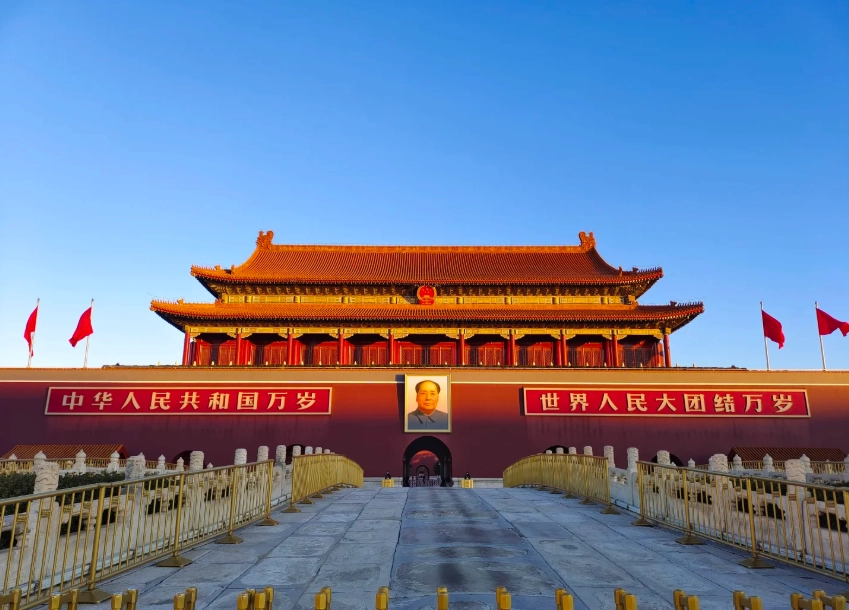
Top Destinations for Solo Travelers in China
Here are my top picks, based on safety, ease of travel, and solo-friendly vibes.
Beijing: The Historical Heart
Beijing is a must. Start with the Forbidden City. Tickets cost 60 RMB for adults, 30 RMB for students, and you must book via the WeChat mini-program "Gugong" at least a day ahead. Address: 4 Jingshan Front St, Dongcheng District. Open 8:30 AM to 5:00 PM, last entry at 4:00 PM. Take subway Line 1 to Tiananmen East Station, Exit A, and walk 10 minutes—you'll see the giant portrait of Mao. Go at 8:30 AM sharp to beat the crowds; by 10 AM, it's packed. I always sneak in a lunch at nearby Wangfujing Snack Street for jianbing (savory crepes).
The Great Wall is another highlight. Avoid Badaling—it's a zoo. Instead, go to Mutianyu. Tickets are 45 RMB, plus 100 RMB for the cable car if you're lazy like me. Open 7:30 AM to 5:30 PM. From Beijing, take bus 916 from Dongzhimen Station (2 hours, 20 RMB). Arrive by 7 AM for epic photos without tourists. One time, I guided a solo traveler who hiked from Mutianyu to Jiankou—a rugged, un restored section. It's risky but unforgettable; bring water and a local guide.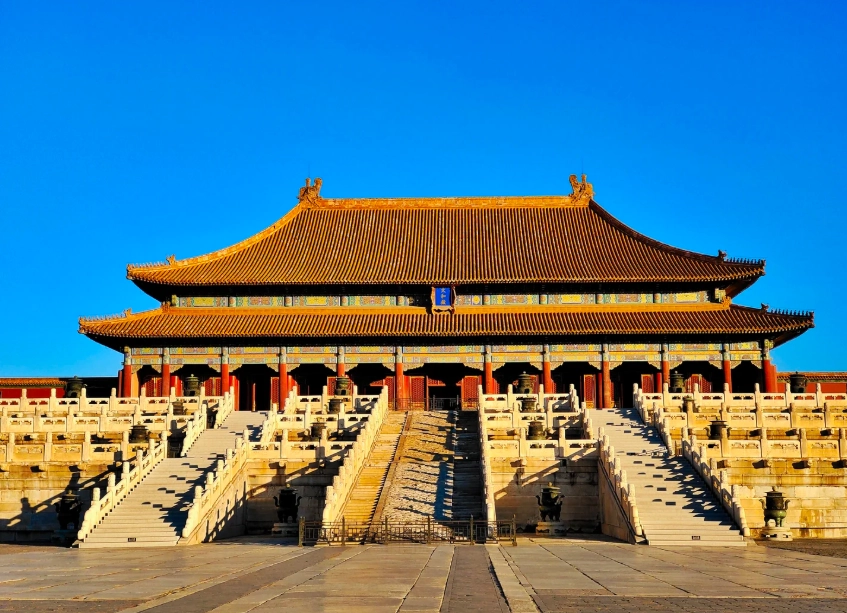
Shanghai: The Modern Metropolis
Shanghai feels like the future. The Bund is free and open 24/7, but go at dusk for the skyline lights. For a local experience, explore the French Concession—rent a bike via Mobike app (download it before arriving). I often recommend a food tour here: try xiaolongbao at Jia Jia Tang Bao (address: 90 Huanghe Rd), open 6:30 AM to 8:00 PM, cash only, no English menu but point at pictures. Cost: about 30 RMB per person.
Accommodation: The Phoenix Hostel in the Old Town is a steal. Dorms from $10, private rooms $30, with free Wi-Fi and a rooftop bar. It's a 3-minute walk to Yuyuan Garden subway station. Book on Hostelworld.
Yunnan: Nature and Culture
Yunnan is my personal favorite for solo travelers. Lijiang Old Town is a maze of cobblestone streets. Entrance is free, but some areas charge 80 RMB for maintenance. Stay at the Lijiang Old Town International Youth Hostel—dorms $8, privates $25, and they arrange hiking trips. Address: 44 Mishi Alley, Old Town. From Lijiang Airport, take airport shuttle bus (20 RMB, 40 minutes).
Don't miss Tiger Leaping Gorge. It's a 2-day hike, but solo-friendly with guesthouses along the way. Buses from Lijiang cost 50 RMB. I've guided groups here, and the views are worth every step. Pack layers—weather changes fast.
Practical Tips for Solo Travel in China
These are the nitty-gritty details most guides gloss over.
Money and Payments
Cash is king in small towns, but in cities, mobile payments rule. Set up Alipay or WeChat Pay with an international card—it's a lifesaver for taxis and street food. ATMs are everywhere; use Bank of China or ICBC for low fees. Always carry some RMB; I've seen travelers stranded when their card didn't work at a remote train station.
Safety and Connectivity
China is generally safe for solo travelers, including women. Petty theft happens in crowded places like Shanghai's Nanjing Road—keep your bag close. For internet, buy a SIM card at the airport: China Unicom offers 30-day plans with 10GB data for about 150 RMB. VPNs are essential for accessing Google, Facebook, etc.; download ExpressVPN or Astrill before you arrive. I use Astrill myself—it's reliable.
A Sample 7-Day China Solo Travel Itinerary
Here's a tight schedule I've crafted for clients with limited time. It balances must-sees with downtime.
Day 1-3: Beijing
Day 1: Arrive at Beijing Capital Airport. Take airport express train to Dongzhimen (25 RMB, 30 minutes). Check into hostel. Evening: Wangfujing Street for dinner.
Day 2: Forbidden City (morning), Temple of Heaven (afternoon, 15 RMB ticket). Use subway Line 5 to Tiantandongmen Station. Evening: Houhai Lake bar area.
Day 3: Great Wall at Mutianyu (full day). Return by 5 PM, train to Xi'an overnight (soft sleeper 500 RMB, book via Trip.com).
Day 4-5: Xi'an
Day 4: Arrive early, check hostel near Bell Tower. Visit Terracotta Army (tickets 120 RMB, book on official site, open 8:30 AM-5:00 PM). Take tourist bus 5 from Xi'an Railway Station (10 RMB, 1 hour). Afternoon: Muslim Quarter for food.
Day 5: City Wall bike ride (54 RMB, 2 hours). Evening flight to Shanghai (600 RMB, 2 hours).
Day 6-7: Shanghai
Day 6: The Bund morning walk, Yu Garden (40 RMB). Afternoon: French Concession cycling. Evening: acrobatics show at Shanghai Centre Theatre.
Day 7: Departure. Pudong Airport is 45 minutes by Maglev train (50 RMB).
If you're tired, swap a day for relaxation—I once had a client who spent a whole day in a Shanghai tea house reading, and it was his highlight.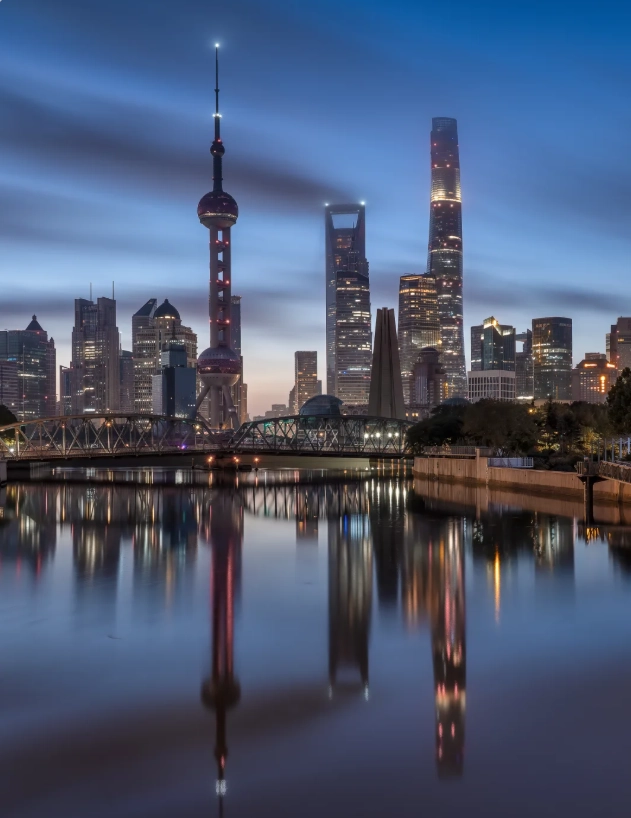
Frequently Asked Questions
 This article has been fact-checked based on my personal experiences and up-to-date information. Remember, solo travel in China is about adventure and flexibility. Use this itinerary as a starting point, but don't be afraid to wander off the path. Happy travels!








Good overall, but a few gaps bugged me. The train booking instructions were outdated (12306 app changed its interface recently). Also, zero advice on dealing with language barriers beyond 'learn basic phrases.' I ended up fumbling through several conversations. If they update the logistics and add a phrase translation guide, it'd be a 5-star resource.
Perfect for a first-timer! The packing list and local etiquette tips were spot on—I would've never known to bring a power bank and portable kettle otherwise. The solo dining recommendations helped me enjoy street food without feeling awkward. Everything felt well-researched. Already planning my next solo trip using this as a base.
I had high hopes but came away a bit disappointed. The itinerary felt rushed—trying to cram too many destinations into two weeks. I skipped a few stops because I wanted to actually savor the places. Also, no mention of how crowded some spots get during peak hours. Not bad for a rough draft, but needs more realistic pacing.
Honestly, a solid starting point but I wish it included more budget accommodation options. The hostel recommendations were okay, but a few were already booked out when I checked. Also, the section on getting SIM cards was a bit vague. Still, the route itself was well planned and I felt safe the whole time—worth a read.
This itinerary was a lifesaver for my first solo trip to China. The day-by-day breakdown gave me confidence to explore places like Chengdu and Zhangjiajie on my own. Loved the tip about using WeChat for payments—saved me from awkward moments. Highly recommend for any solo traveler who wants a balance of cities and nature.