 Ting Chen
My Chongqing 3-Day Blueprint
- Why 3 Days is Perfect for Chongqing
- Day 1: Dive into the Heart of the City
- Day 2: History, Culture, and Skyline
- Day 3: Escape the Urban Jungle
- Where to Eat: Chongqing Hot Pot and Beyond
- Where to Stay: Accommodation for Every Budget
- How to Get Around: Navigating Chongqing's Terrain
- Essential Tips from a Seasoned Guide
- Frequently Asked Questions (FAQ)
Hey there, fellow traveler! I've been guiding tours in China for over a decade, and Chongqing is one of those places that never gets old. If you've got three days to spare, you're in for a treat. This city isn't just about hot pot and hills—it's a layered experience of history, culture, and sheer urban energy. Let me walk you through how to make the most of your time, with insider tips you won't find on generic travel sites.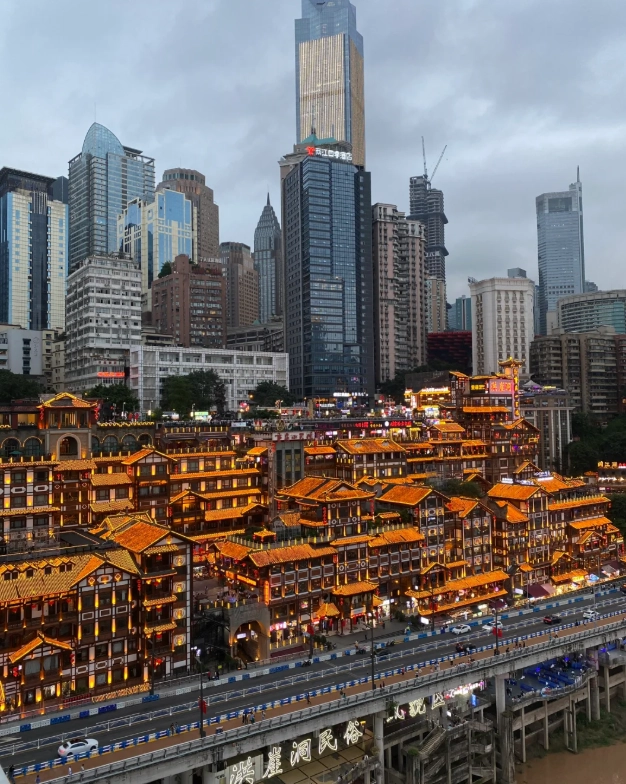
Why 3 Days is Perfect for Chongqing
Three days lets you hit the highlights without rushing. Most tourists cram everything into two days and miss the local vibe, or stretch it to four and get overwhelmed by the crowds. I've found that 72 hours is the sweet spot: you can explore the core urban areas, dip into history, and still have time for a day trip or some relaxation. Trust me, after leading hundreds of groups here, I've fine-tuned this itinerary to balance sightseeing with authentic experiences.
Day 1: Dive into the Heart of the City – Jiefangbei and Hongya Cave
Start your first day right in the bustling center. This area is Chongqing's commercial heartbeat, but it's packed with surprises if you know where to look.
Morning: Jiefangbei Pedestrian Street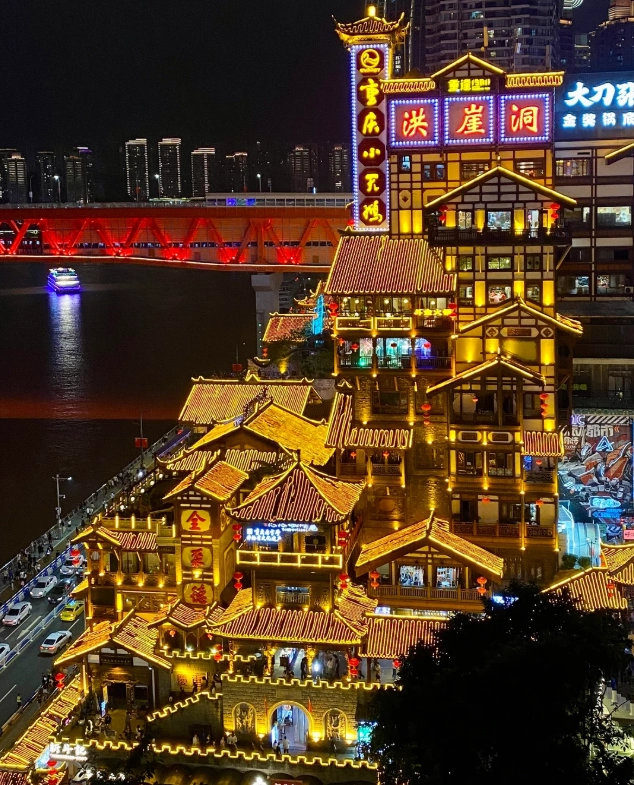
Head to Jiefangbei first thing. It's the city's iconic monument, and the surrounding pedestrian zone is a shopper's paradise. But here's a pro tip: most guides will tell you to go at noon, but I've seen too many tourists wilt in the heat. Aim for 9 AM when the shops open, and the crowds are thinner. The monument itself is free to visit, located at No. 8 Minquan Road, Yuzhong District. It's open 24/7, but the best light for photos is in the morning before the sun gets harsh. To get there, take Metro Line 2 to Jiefangbei Station, Exit C. Once you exit, you'll smell the street food—follow that aroma to the main square.
Afternoon: Hongya Cave and the Qiansimen Bridge
After lunch, walk about 15 minutes to Hongya Cave. This is a must-see: a traditional stilted building complex perched on the cliffs overlooking the Jialing River. Admission is free, and it's open from 9 AM to 11 PM. The address is 88 Cangbai Road, Yuzhong District. Inside, it's a maze of shops and eateries, but the real gem is the view from the top floors. I always take my groups to the fourth level for a panoramic shot of the river and the Qiansimen Bridge. A little-known fact: the bathroom lines on the ground floor can be long, so use the facilities before you enter.
Evening: Chaotianmen Square and Night Views
As dusk falls, head to Chaotianmen Square, about a 10-minute walk from Hongya Cave. It's the confluence of the Yangtze and Jialing Rivers, and the night lights are stunning. The square is free and open 24/7, but be cautious of pickpockets in crowded areas. For dinner, I recommend trying street snacks here—the grilled squid is a local favorite. If you're up for it, take a river cruise from Chaotianmen Pier; tickets start at around 150 RMB per person for a basic tour. Book on-site or through official channels like the Chongqing Port Authority website.
Day 2: History, Culture, and a Stunning Skyline
Day two mixes ancient charm with modern marvels. We'll step back in time and then soar above the city.
Morning: Ciqikou Ancient Town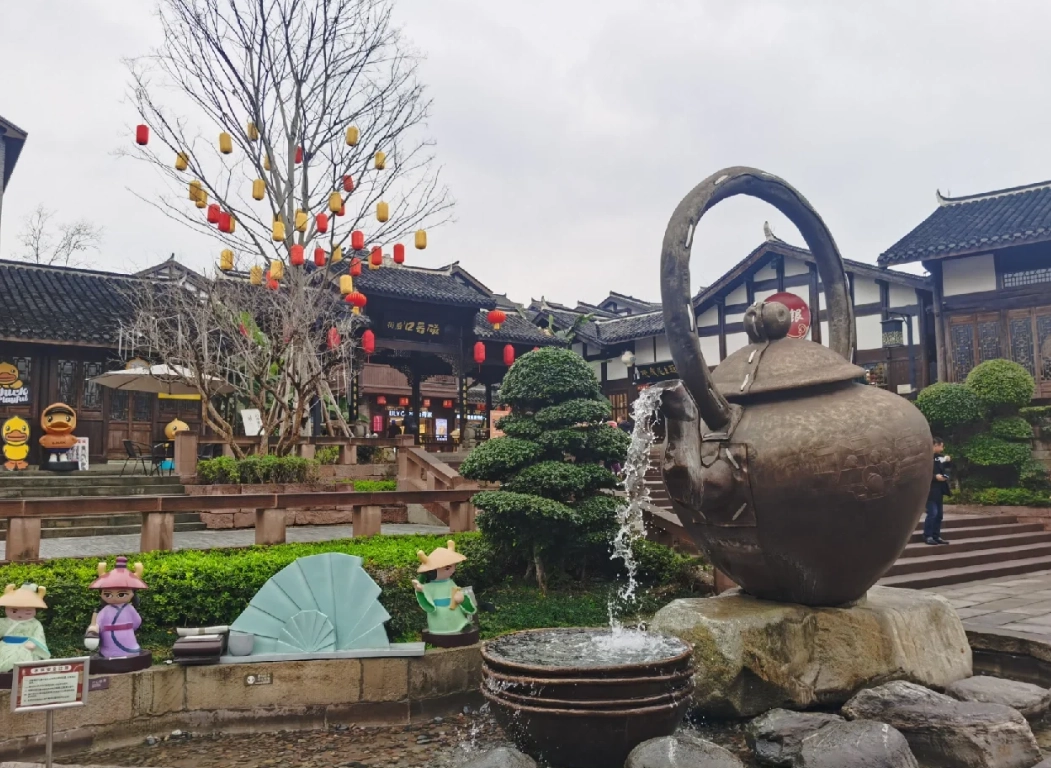
Take Metro Line 1 to Ciqikou Station, Exit 1. Ciqikou Ancient Town is a well-preserved Ming and Qing dynasty village, and it's free to enter. The main street opens around 8 AM, but I suggest arriving by 9 to avoid the tour bus crowds. The address is Ciqikou Town, Shapingba District. Wander through the narrow alleys—don't miss the Baolun Temple, which charges a small fee of 10 RMB. I once brought a family from Australia here, and they loved the handmade pottery shops. A local secret: the best tea houses are tucked away in the back streets, like the one near the river with a Google Maps rating of 4.5.
Afternoon: Liziba Station and the Monorail
From Ciqikou, hop back on Metro Line 1 to Liziba Station. This is where the monorail (Line 2) passes through a residential building—a unique Chongqing quirk. Exit the station and walk to the viewing platform on the nearby road. It's free to watch, and trains come every few minutes. For a closer look, you can ride the monorail from Liziba to Niantan Station; a single ticket costs about 3 RMB. I always tell my groups: the best photo spot is from the platform around 3 PM when the light hits the tracks just right.
Evening: Nanshan Mountain for Panoramic Views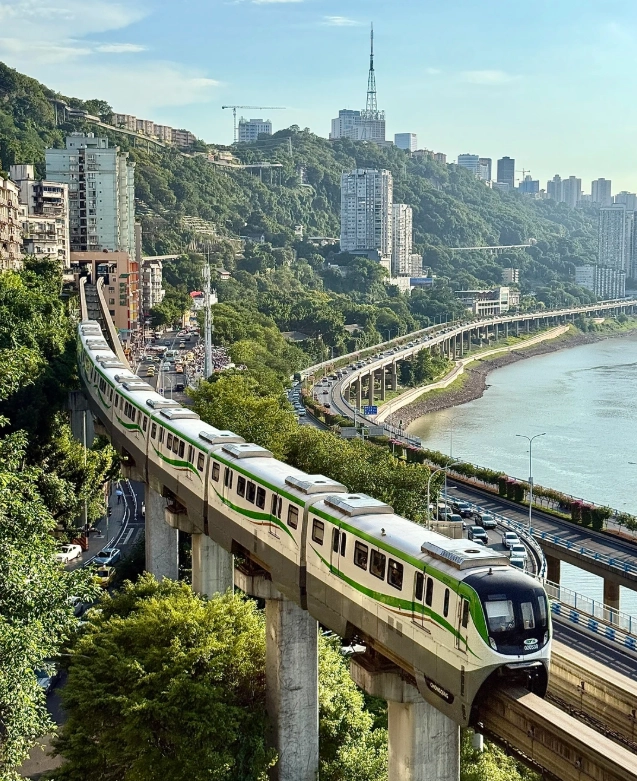
Cap off the day with a trip to Nanshan Mountain. Take a taxi or bus from the city center; it's about a 30-minute ride. The Nanshan Scenic Area has an entrance fee of 30 RMB for adults, 15 RMB for children, and it's open from 8 AM to 6 PM. The address is Nanshan Road, Nan'an District. At the top, you'll get a breathtaking view of Chongqing's skyline, especially at sunset. There's a temple and some walking trails, but the highlight is the One Tree Pavilion. Bring a jacket—it can get windy up there.
Day 3: Escape the Urban Jungle: Natural Wonders and Local Life
On your last day, venture beyond the city center for some nature and authentic local experiences.
Morning: Dazu Rock Carvings (Day Trip Option)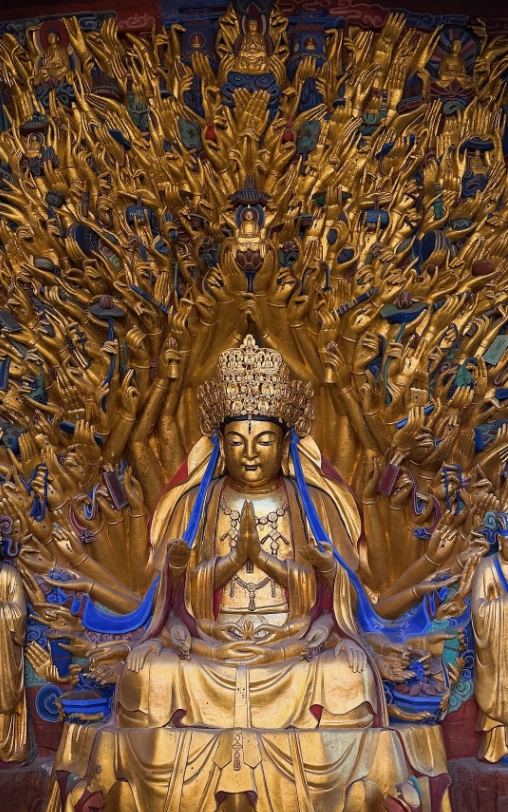
If you're up for a day trip, the Dazu Rock Carvings are a UNESCO World Heritage site and worth the journey. Take a high-speed train from Chongqing North Station to Dazu South Station; the ride takes about 30 minutes and costs around 50 RMB one-way. From the station, a local bus to the carvings takes 20 minutes. Admission is 120 RMB for adults, 60 RMB for children, and it's open from 8:30 AM to 5:30 PM. The carvings are stunning, but here's my advice: most tourists rush through the main area. Spend extra time at the Baodingshan section—it's less crowded and has intricate details. I've seen visitors miss the subtle storytelling in the sculptures.
Alternative Morning: Local Markets in Shapingba
If you prefer to stay in the city, explore the local markets in Shapingba District. Take Metro Line 1 to Shapingba Station, Exit 3. The Shapingba Market is a hub for fresh produce and street food. It's free to wander, open from 6 AM to 2 PM. Try the dan dan noodles from a stall with a long queue—that's where the locals eat. I always point out the spice vendors; you can buy authentic Chongqing peppercorns here for half the price of tourist shops.
Afternoon: Eling Park and a Relaxing Stroll
Head back to the city for a chill afternoon at Eling Park. Take Metro Line 2 to Eling Station, Exit 2. The park is free, open from 6 AM to 10 PM, and located at 1 Eling Zheng Street, Yuzhong District. It's a green oasis with traditional pavilions and views of the Yangtze River. I often bring tired travelers here to unwind. There's a tea house inside where you can sip local tea for about 20 RMB per cup.
Evening: Hot Pot Experience and Riverside Walk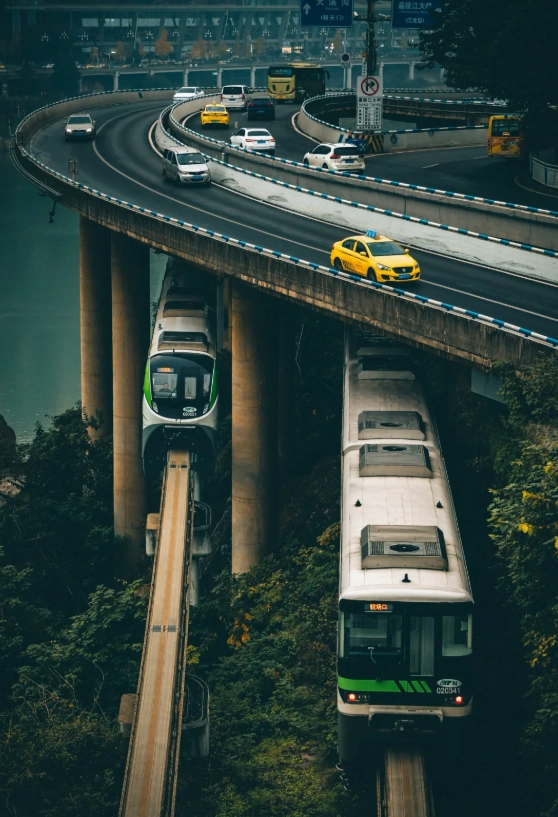
No trip to Chongqing is complete without hot pot. For your final dinner, I recommend De Zhuang Hot Pot at 108 Zhongxing Road, Yuzhong District. It's a local chain with a Google Maps rating of 4.3, and a meal costs around 80-120 RMB per person. I always order the spicy beef slice and the mushroom broth for balance. After dinner, take a leisurely walk along the Nanbin Road Riverside. The lights reflecting on the water are magical, and it's a perfect way to end your trip.
Where to Eat: Chongqing Hot Pot and Beyond
Chongqing's food scene is legendary, but it's easy to get lost in tourist traps. Here are my top picks, based on years of tasting.
Personal Favorite: Zhou Jun Hot Pot at 56 Jiefangbei Road. It's packed with locals, has a 4.5-star rating on Google Maps, and costs about 70-100 RMB per person. I go for the marrow soup base and the handmade meatballs.
For something lighter, try Xiao Mian (noodle shops). A hidden gem is the stall near Hongya Cave, serving bowls for 15 RMB. Open from 7 AM to 10 PM. Don't forget street snacks like stinky tofu or grilled skewers—they're cheap and delicious.
Where to Stay: Accommodation for Every Budget
Choosing where to stay can make or break your trip. Here's a quick table based on my experience with different traveler types.
| Hotel Name | Address | Price Range (per night) | Best For | Why I Recommend It |
|---|---|---|---|---|
| Hilton Chongqing | 139 Zhongxing Road, Yuzhong | 800-1200 RMB | Luxury seekers, families | Central location, great river views, and reliable service. |
| Atour Hotel | 22 Minzu Road, Yuzhong | 300-500 RMB | Budget travelers, solo adventurers | Clean rooms, near metro, and has a cozy lounge. |
| Chongqing Marriott | 77 Jiangbeizui Road, Jiangbei | 600-900 RMB | Business travelers, couples | Modern amenities and close to shopping areas. |
| Minshuku (Guesthouse) | Various in Ciqikou area | 100-200 RMB | Backpackers, culture lovers | Authentic local experience, often with home-cooked meals. |
Prices can vary by season—book ahead during holidays like Chinese New Year. I've stayed at all these places with groups, and the Atour Hotel is my go-to for value.
How to Get Around: Navigating Chongqing's Unique Terrain
Chongqing's hills and rivers make transportation an adventure. The metro system is your best friend—it's cheap, efficient, and covers most attractions. A single ride costs 2-7 RMB depending on distance. Buy a rechargeable card at any station for convenience. For taxis, they're affordable but can get stuck in traffic; use apps like Didi for booking. Walking is great in areas like Jiefangbei, but wear comfortable shoes—those stairs are no joke. I once had a client who wore heels and regretted it by midday.
For river crossings, the cable car from Xinhua Road to Jiangbei is a fun option at 20 RMB per ride. Check the official Chongqing Transportation website for updates on schedules.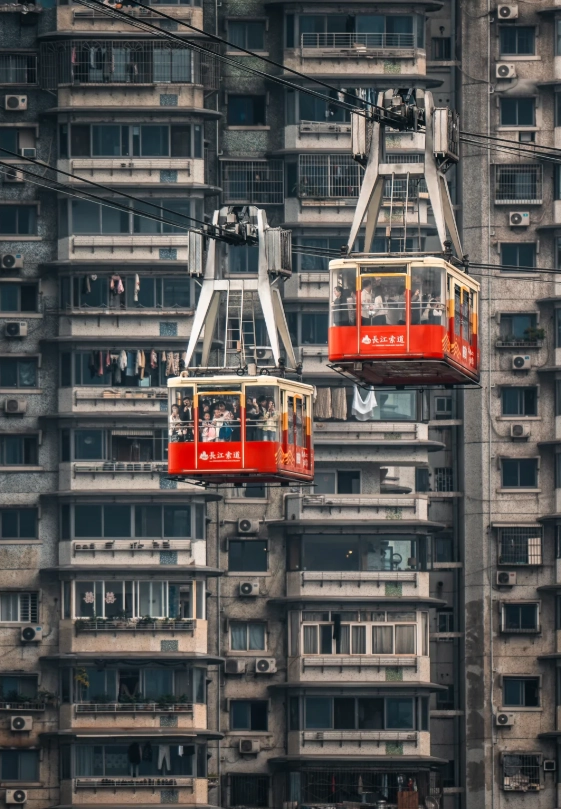
Essential Tips from a Seasoned Guide
After years on the ground, here are my non-negotiable tips for a smooth trip.
- Weather Watch: Chongqing is foggy and humid. Bring layers and an umbrella—sudden rain is common. Summer can be scorching, so hydrate often.
- Crowd Avoidance: Major sites like Hongya Cave get packed after 11 AM. Visit early or late in the day. I always schedule my tours for off-peak hours.
- Food Safety: Stick to busy eateries; they turnover food faster. If you have a sensitive stomach, go easy on the spice initially.
- Cash vs. Card: While digital payments are widespread, carry some cash for small vendors and markets.
- Language Barrier: Learn a few basic Mandarin phrases or use translation apps. Most signs have English, but locals appreciate the effort.
One more thing: I've seen tourists overlook the local tea culture. Try a tea ceremony in Ciqikou—it's a relaxing break from the hustle.
Frequently Asked Questions (FAQ)
This article has been fact-checked based on my personal experiences and recent visits. Chongqing is always evolving, but these tips should hold up for your adventure. Enjoy your three days—you're in for a memorable ride!





Really well-written and structured. I loved the pacing — day 1 the central sights, day 2 the outskirt adventures, day 3 the culture and food. The language is vivid and makes you feel like you're already there. My only tiny gripes: the guide is a bit long (could've been tighter) and some of the subway stop names are outdated. Still, I'd recommend it to first-timers.
Decent intro to the city, but honestly I expected more 'insider' tips given the title. A lot of the advice felt like generic travel blog stuff — go to Ciqikou, eat at a hotpot chain. I wanted hidden alleys or street food stalls that only locals know. Also the writing style was a bit dry. Not bad, but not mind-blowing either. Solid 3 from me.
Good guide overall, and I did use it to plan my 3 days. The walking routes were clear and the directions to Nanshan were super helpful. But I found a couple of the restaurant suggestions were closed (maybe COVID-related?), and the guide didn't mention that the Yangtze River cable car can have 2-hour queues in the afternoon. A bit of an oversight. Still worth 4 stars — just check hours before you go.
Great read, really thorough. I appreciated the historical context mixed in with practical advice — the bit about the Stilwell Museum and how it ties into the city's wartime history gave me a whole new appreciation for Chongqing. Only minor complaint: I wish there were more recommendations for vegetarian-friendly spots. Still, a solid 5-star resource.
This guide saved my trip! I followed the 3-day itinerary almost exactly and it was perfect. The tips on which hotpot spots to hit (avoid the tourist traps!) and the secret rooftop view of Hongya Cave were absolute gold. Even the warnings about the hills and stairs were spot-on — my legs were sore but it was worth it. Highly recommend for anyone wanting a real local experience without the fluff.