 Ming Yang
Let's talk about Chongqing. You've seen the pictures: skyscrapers bursting out of fog, neon-lit layers of buildings stacked on a hillside, and boats cruising under bridges. It looks incredible, and it is. But showing up without a plan? That's how you end up exhausted, lost in a maze of staircases, and missing the magic. I've been guiding tours here for years, and I've seen it all. This isn't just another list of places. It's your battle plan for navigating the heat, the hills, and the sheer sensory overload of China's most vertical city. I'll give you routes that actually work, tell you exactly where to stand for *that* photo, and point you to the hot pot that won't destroy your stomach on day one.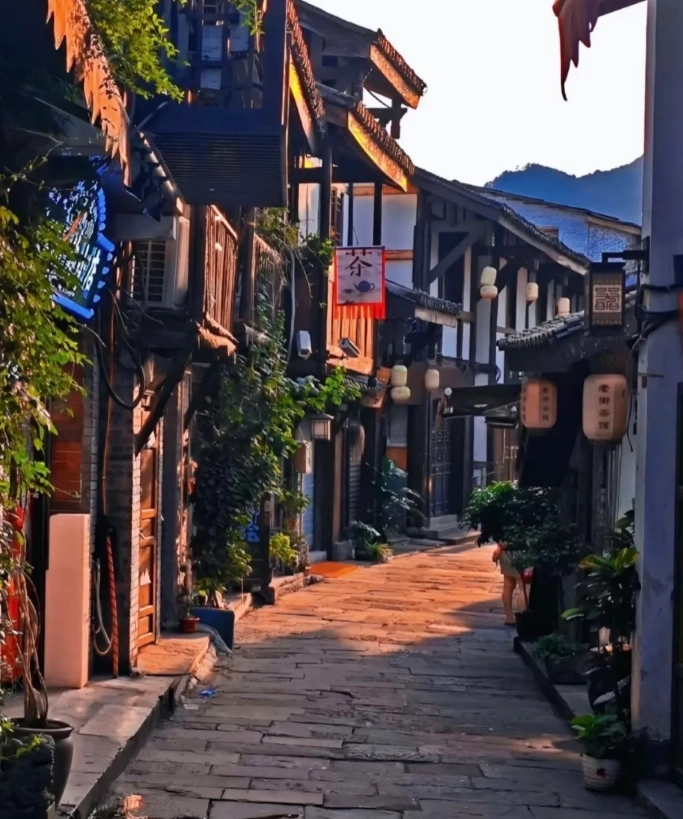
Your Chongqing Route at a Glance
The 24-Hour Sprint (For the Time-Crunched)
You've got one day. Maybe a layover, maybe a quick business trip add-on. This route is tight, efficient, and designed to hit the iconic postcard shots without killing your legs. We're focusing on the Yuzhong Peninsula, the historic heart.
Morning (9:00 AM - 12:00 PM): Ciqikou Ancient Town. Start here. Take Metro Line 1 to Ciqikou Station, Exit 1. Walk straight ahead for 3 minutes. No entrance fee. It gets packed by 11 AM, so early arrival is key. It's touristy, yes, but it's a preserved slice of old Chongqing clinging to the hill. Skip the main street trinket shops after a quick look. Instead, duck into the narrow side alleys. Look for the tiny tea shops where old men play Mahjong. I always grab a bowl of Mala Tang (spicy skewer soup) from a stall for a quick, cheap breakfast.
Afternoon (1:00 PM - 5:00 PM): Liziba Station & Hongyadong. Take the metro back to Liziba Station (Line 2). This is non-negotiable. Go to Exit 6. You'll see a viewing platform where the metro train pierces right through a residential building—the perfect "8D city" photo. From there, it's a 15-minute walk downhill (follow the signs) to Hongyadong. Hongyadong is a massive stilted building complex. The inside is a maze of shops and food courts. The real magic is outside. Walk down to the riverside promenade at its base (Binjiang Road). Look back up. That's the famous layered view. For an even better shot, cross the Jialing River Bridge on foot. The view of Hongyadong framed by the bridge is, in my opinion, superior.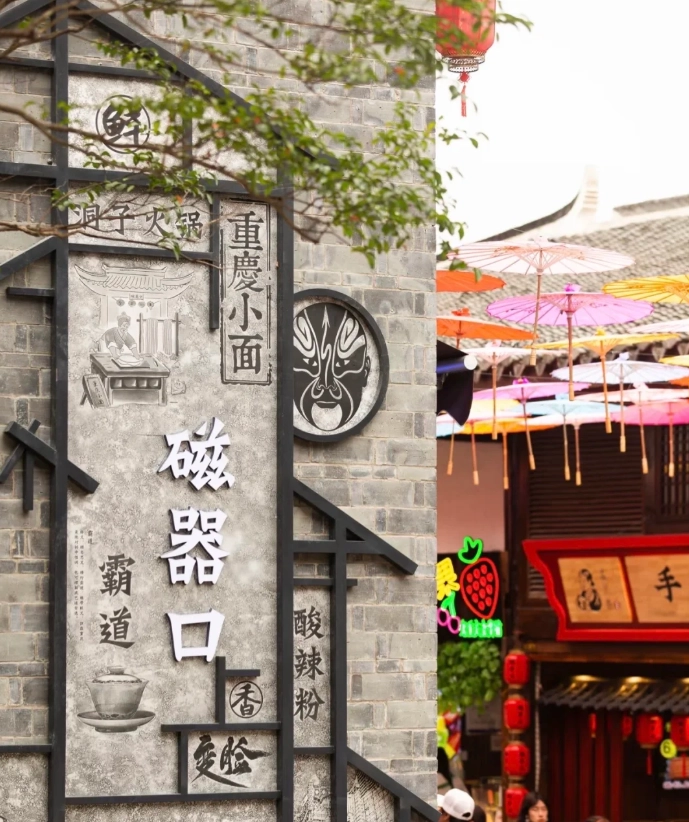
Local's Timing Tip: Most tours arrive at Hongyadong in the late afternoon. For the best light and slightly thinner crowds, aim to be on the riverside promenade between 3:30 PM and 5:00 PM. The building lights start flickering on as the sun sets, giving you two looks in one visit.
Evening (6:30 PM onwards): Hot Pot & Night Views. For dinner, you need hot pot. Don't go to the flashy chains inside Hongyadong. Walk 10 minutes north to the Zeng Lao Yao Hot Pot (Fish Mouth Store) at No. 6, Binjiang Road. It's a local institution. Google Maps rating: 4.3. Expect to pay 80-120 RMB per person. I always get the Jiugongge (nine-square grid) spicy broth and load up on fresh goose intestine and beef slices. After dinner, take a taxi to Nanshan Yikeshu Viewing Platform. The taxi ride is about 30 minutes and costs 40-50 RMB. This platform gives you a panoramic, postcard-perfect view of the entire city skyline glittering across the river. Entrance fee: 30 RMB. It's windy up there, bring a light jacket.
The Classic 48-Hour Deep Dive
Two days lets you breathe and add some quintessential Chongqing experiences beyond the core.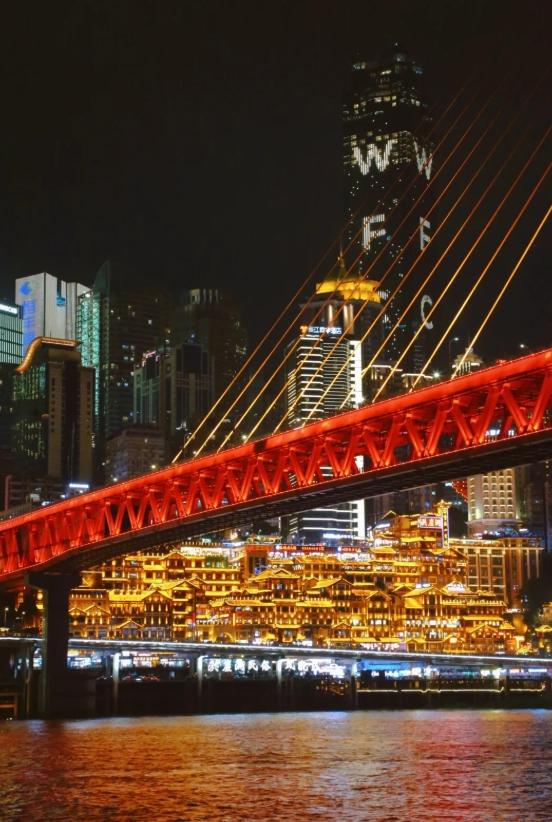
Day 1: History, Cable Cars, and Theater
Follow the "24-Hour Sprint" route for Day 1, but add this evening alternative: Instead of going to Nanshan, consider the Chongqing Chaotianmen Cruise. Book the 7:30 PM or 8:30 PM departure online or at the terminal. The basic cruise costs around 138 RMB. You'll sail from Chaotianmen Port, passing under the glowing Hongyadong, through the heart of the city, and under several magnificent bridges. It's touristy, but seeing the city's canyon of light from the water is unforgettable. Pro tip: The upper deck is crowded. Once the boat moves, many people go inside. Stay outside for the best views.
Day 2: Across the River & Into the Past
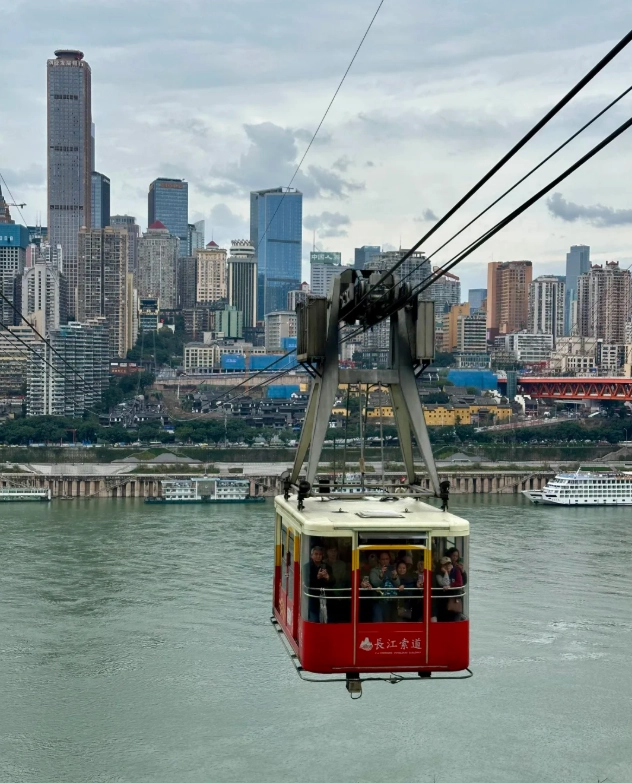
Morning: Yangtze River Cable Car. Take Metro Line 1 or 6 to Xiaoshizi Station, Exit 4B. Follow signs to the "Changjiang Suodao" (Yangtze Cableway). Buy a one-way ticket (20 RMB) from Xinhua Road Station to South Bank Station. Go early, right at opening (7:30 AM), to avoid a 60+ minute queue. The ride itself is short, but floating over the mighty Yangtze with the cityscape as a backdrop is iconic.
Late Morning: Huayan Temple. From the South Bank cable car station, take a taxi (10 RMB) to Huayan Temple. This is a serene, active Buddhist temple complex hidden in the urban jungle. Entrance: 10 RMB. It's a peaceful contrast to the city's frenzy. The main hall is stunning.
Afternoon: Eling Park & The Second Culture Zone. Take a taxi back to the Yuzhong side, to Eling Park. This hilltop park offers fantastic 360-degree views. Find the Liangjiang Pavilion. Afterwards, wander into the adjacent Eling Second Culture Zone. This is a redeveloped printing factory area, now filled with indie cafes, art galleries, and boutique shops in brutalist-style buildings. It's a hip, local hangout rarely mentioned in English guides. Perfect for a coffee break.
Evening: A Local Food Street. Skip the tourist traps. Head to Nanshan BBQ Street or Guanyinqiao Pedestrian Street (Metro Line 3, Guanyinqiao Station). Wander, point at what looks good, and eat. Try Chuan Chuan Xiang (skewers in a spicy pot) or grilled fish.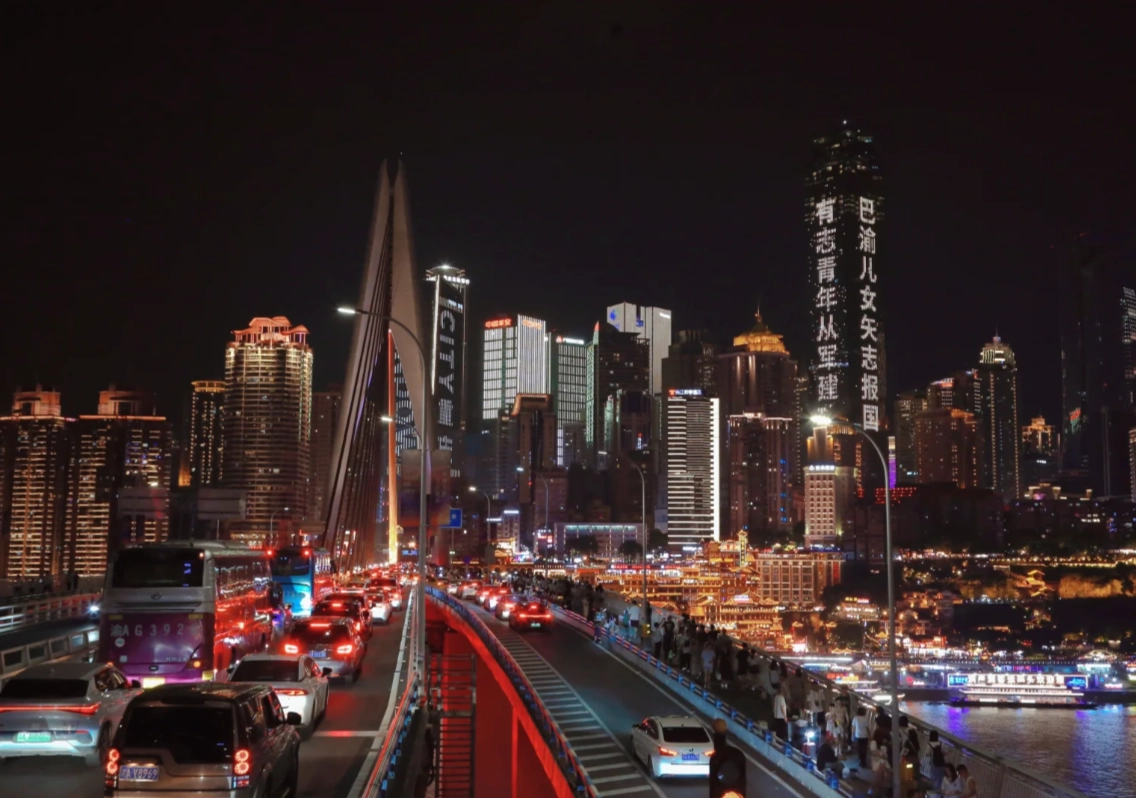
The 3-Day Immersion (For the Curious)
With a third day, we leave the peninsula and explore Chongqing's scale and recent history.
Day 3 Option A: The Dazu Rock Carvings. This is a full-day trip but is a UNESCO World Heritage site and absolutely worth it. You can book a guided tour (easiest) or take a high-speed train from Chongqing West Station to Dazu South (about 40 mins), then a taxi to the Baoding Mountain site (the most impressive group). The intricate Buddhist rock carvings from the 9th-13th centuries are breathtaking. Allow 6-8 hours round trip.
Day 3 Option B: Contemporary Chongqing & Food Hunt. If you prefer to stay in the city, explore the Jiefangbei Pedestrian Square area—Chongqing's Times Square. Visit the Chongqing China Three Gorges Museum (free, closed Mondays) opposite the Great Hall of the People. It provides essential context on the region's history and the Three Gorges Dam project. In the afternoon, become a food detective. Take a metro to Shapingba or Yangjiaping stations and just explore the bustling streets around the universities. You'll find incredible street food at student-friendly prices. Look for Suan La Fen (sour and spicy potato noodles) and Shengjianbao (pan-fried pork buns).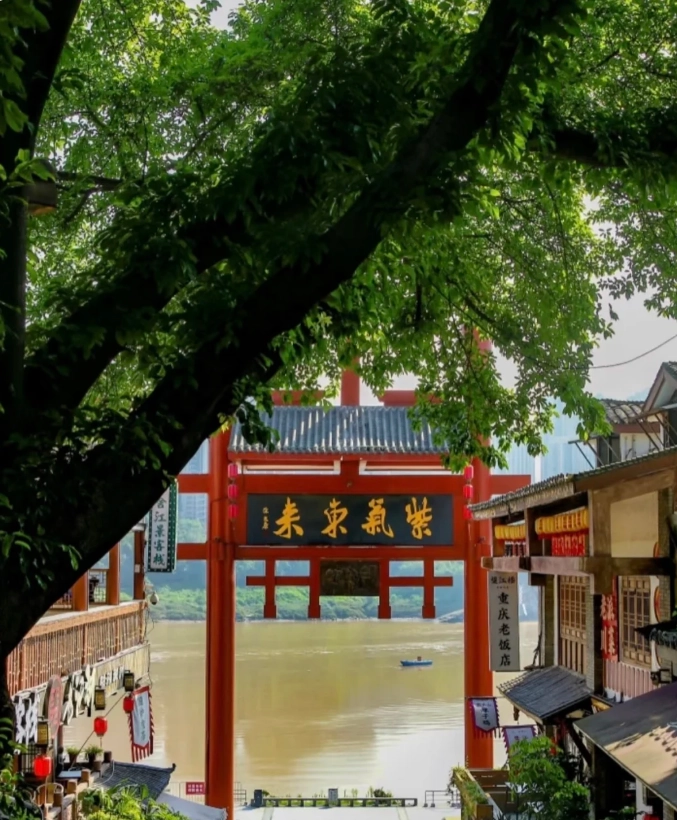
| Key Attraction Summary | Essential Info | Local's Note |
|---|---|---|
| Hongyadong | Free. Open 24/7 (shops close ~11 PM). Nearest Metro: Linjiangmen (Line 2) or Xiaoshizi (Line 1/6). | The best photos are from across the river on the Jialing River Bridge walkway. |
| Yangtze River Cable Car | One-way: 20 RMB, Round-trip: 30 RMB. 7:30 AM - 10:00 PM. Xiaoshizi Station Exit 4B. | Buy a ONE-WAY ticket. Take it south in the morning, explore, return by metro or taxi to avoid the return queue. |
| Ciqikou | Free. Shops open ~9 AM-8 PM. Metro Line 1, Ciqikou Station, Exit 1. | Go early. The main street is for crowds; the charm is in the back alleys uphill. |
| Nanshan Yikeshu Viewing Platform | 30 RMB. 9 AM - 10:30 PM. Best accessed by taxi (40-50 RMB from city center). | It gets very crowded at sunset. Going just after dark (8 PM) is often better. |
Eating Your Way Through Chongqing
Food is the soul here. It's not just hot pot.
Hot Pot: Beyond Zeng Lao Yao, try Zhou Junfu Hot Pot for a slightly more upscale experience (multiple locations). Their butterfly-shaped beef is a signature. Expect 100-150 RMB/person.
Xiao Mian (Chongqing Noodles): This is breakfast. Any unassuming shop with plastic stools will do. Say "Er Liang Xiao Mian, Yao Hong You" (二两小面, 要红油) for two taels of noodles with red chili oil. 8-12 RMB.
A Must-Try Restaurant: Wan Zhou Kaoyu (Grilled Fish) near Qixinggang. Address: No. 49, Xinhua Road. Google Maps 4.4. They grill a whole fish and then simmer it in a broth with vegetables on your table. Order the Fragrant Spicy flavor. About 70-100 RMB per person. I take my foodie friends here and they always leave stunned.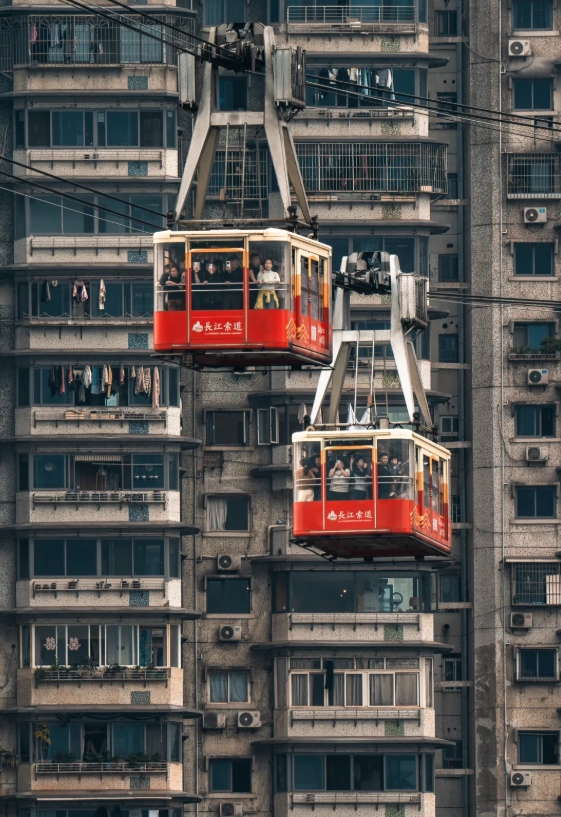
Spice Level Negotiation: When ordering hot pot or any spicy dish, you can often choose the spice level. Wei La is mild, Zhong La is medium, Te La is extra spicy. If you're not used to it, start with Wei La or ask for a Yuanyang pot—split with one mild (bone broth) and one spicy side.
Getting Around & Navigation Tips
Chongqing's terrain makes navigation unique.
- Metro is King: The subway system is extensive, cheap, and air-conditioned. Use apps like Baidu Maps or Amap (have them installed before you arrive). Google Maps is unreliable for walking routes here due to the 3D terrain.
- Taxis are Cheap: Short hops across the peninsula cost 10-20 RMB. Use DiDi (China's Uber) for ease.
- Walking is 3D Chess: What looks like a 5-minute walk on a map might involve 10 flights of stairs. Always check the elevation change on your map app.
- Footwear is Non-Negotiable: Wear the most comfortable walking shoes you own. Leave the fashion sneakers at the hotel.
Your Chongqing Questions Answered
Chongqing isn't a city you simply visit; you experience it, you feel it in your calves the next day, and you taste it for hours after a meal. Ditch the perfect itinerary mentality. Embrace getting a little lost, follow the smell of chili and peppercorns, and let the city's chaotic energy guide you. Use these routes as your skeleton, but don't be afraid to wander down a staircase that looks interesting—that's usually where the real Chongqing is hiding.
This article has been fact-checked.





Took my family (including a 7-year-old) and we all had a blast. The kids were thrilled by the cable cars and the light show at Hongya Cave. Only reason I’m not giving 5 stars is the number of steep stairs – my parents struggled a bit, and there weren’t enough rest benches. But the views made up for it. A great day out if you’re prepared for a workout!
I really wanted to love this, but honestly it felt a bit rushed and overhyped. The route map was confusing in a couple of spots – we ended up missing the art district because the sign wasn’t clear. Also, some of the ‘must-see’ spots were just crowded selfie zones. For the price, I expected better organization. Would give it a pass if you’re short on time.
As someone who loves slow travel and cultural immersion, this route was a dream. The stop at a traditional tea house in Ciqikou was my favorite part – sipping jasmine tea while watching locals play mahjong. The walk through Shibati old stairs gave me a real sense of the mountain city’s soul. Every detail felt thoughtfully curated. Five stars, no question!
A solid 4-star experience. The highlights are definitely the cable car ride over the river and the old town alleys – the atmosphere is electric, especially at dusk. My only complaint is that some viewing platforms felt a bit overcrowded, and we had to squeeze in for photos. Still, the overall vibe was amazing, and the guide kept things moving. Worth it if you’re ok with crowds.
Hands down the best way to see Chongqing! The route covers all the iconic spots – Hongya Cave, the Yangtze cable car, and the stunning night views from Nanshan. I loved how well-connected everything was; I could hop from one place to another without feeling rushed. The guide’s tips on local snack stalls were spot-on, too. If you only do one thing in Chongqing, make it this tour. 10/10 would recommend to every thrill-seeker!