 Hui Lin
Let's cut to the chase. You're planning your Beijing trip, staring at a map packed with the Forbidden City, the Great Wall, and the Summer Palace. And there's this other place—Beihai Park. Is it just another park, or something more? After leading countless groups through its gates over the years, my short answer is: Yes, but with major caveats. It's absolutely worth it if you understand what it is and how to visit it right. Get it wrong, and you'll be hot, tired, and wondering why you bothered. This isn't a generic list of facts. It's the real, on-the-ground advice I give my clients.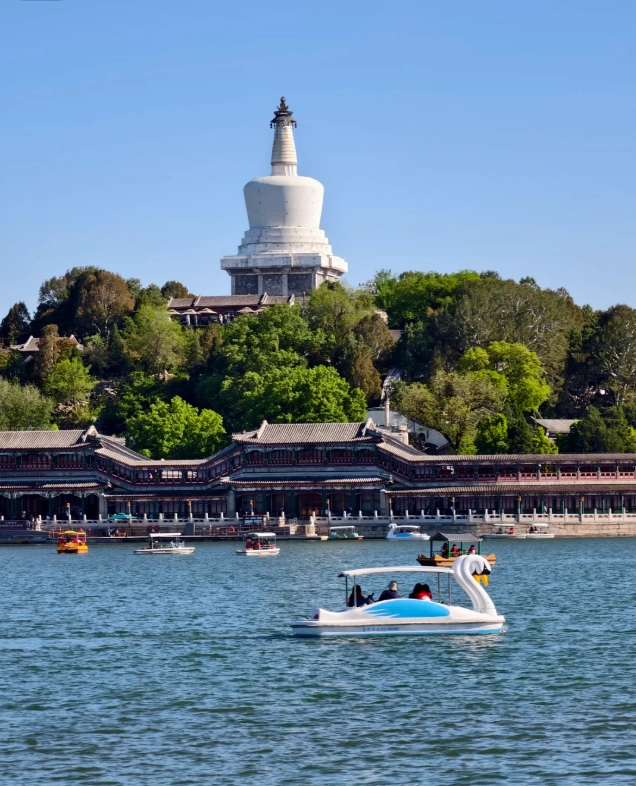
Your Quick Beihai Park Cheat Sheet
What Is Beihai Park, Really?
Forget "park" in the Western sense of lawns and playgrounds. Beihai Park is a 1,000-year-old imperial garden. Emperors used it as their private retreat. Think of it as the backyard of the Forbidden City (it's literally northwest of it). The centerpiece is a massive lake with a iconic white Tibetan stupa (the White Dagoba) sitting on an island. It's a place of history, symbolism, and surprisingly, local life. You'll see elderly Beijingers singing opera, people practicing tai chi under ancient cypress trees, and couples paddling cartoonish swan boats. That contrast is its magic.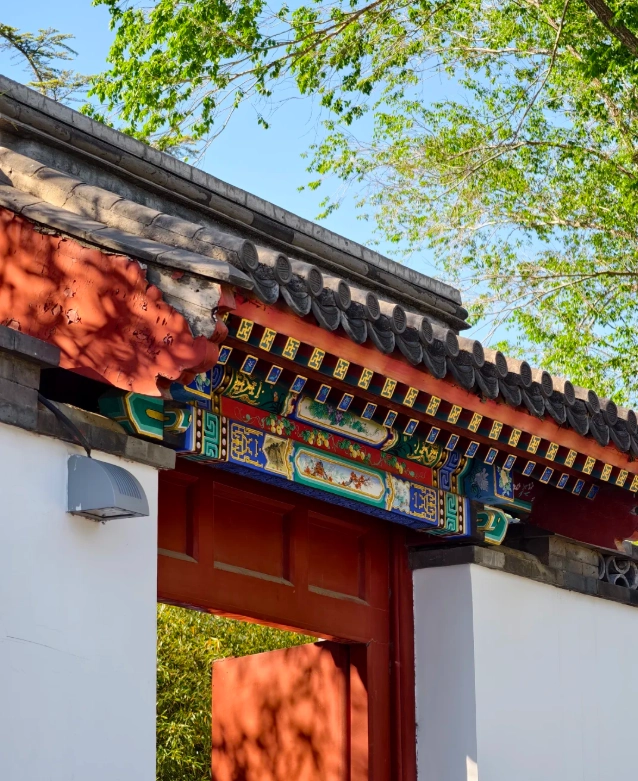
The Brutal Pros and Cons of Visiting
Let's be honest, so you can decide.
The Good Stuff (Why You Might Love It)
- Living History: It feels alive, not just a museum. You're walking the same paths as Kublai Khan.
- Stunning Views: The view of the White Dagoba across the lake from the south shore is a classic Beijing postcard shot. Climbing to the dagoba gives you a 360-degree view of the old city.
- Breathing Space: After the dense crowds of the Forbidden City, the open water and greenery are a mental relief.
- Affordable: It's incredibly cheap for a world-class historical site (details below).
- Local Vibe: This is where you see Beijingers at leisure, which is a cultural experience in itself.
The Not-So-Good Stuff (What Tour Guides Whisper)
- It's HUGE: The park is about 70 hectares. Walking the full perimeter will wreck your feet for the day. You must prioritize.
- Can Feel Repetitive: If you've just visited the Summer Palace, another imperial lake-and-pavilion complex might feel similar. Beihai is older and more intimate, but the theme is comparable.
- Limited English: Signage is basic. Without context, it can look like "just a nice lake." Reading a bit beforehand or using a good audio guide app is key.
- Weather Dependent: On a smoggy or blisteringly hot day, the charm evaporates fast. Spring and autumn are ideal.
My verdict: It's worth it if you have at least 2 full days in Beijing, enjoy historical gardens, and want a more relaxed activity. Skip it if you're on a frantic 24-hour layover or have already visited the Summer Palace and are pressed for time.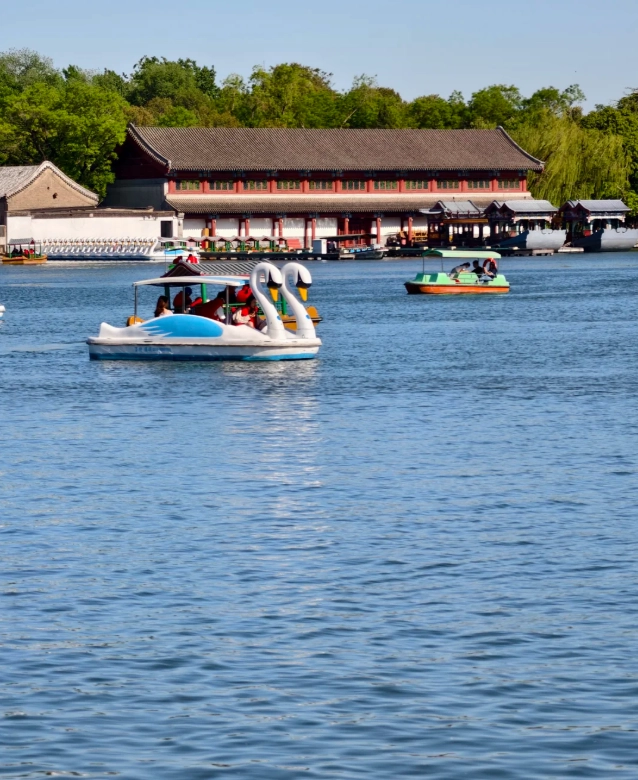
How to Get There: The Guide's Secret Entrance
Most blogs tell you to go to the main south gate. That's where the big tour buses dump everyone, leading to immediate queues. Here's my field-tested method.
The Best Route for Independent Travelers: Take the Beijing Subway Line 6 to Beihai North Station. Use Exit B. Turn left out of the exit and walk south for about 5 minutes. You'll see the park's north wall and the North Gate (Beimen). This gate is quieter, gets you straight into interesting areas, and lets you avoid the initial crowds. I've used this entrance for a decade.
The Classic (But Busier) Route: If you're coming directly from the Forbidden City's north exit (神武门), it's a 15-minute walk west along the moat. You'll arrive at the South Gate. It's convenient but expect company.
By Taxi/Ride-Hail: Tell the driver "Beihai Gongyuan Beimen" (North Gate) for the quiet entry, or "Beihai Gongyuan Nanmen" (South Gate). Have the characters written down: 北海公园北门 or 北海公园南门.
Tickets, Hours, and Beating the Crowds
| Item | Details | Guide's Tip |
|---|---|---|
| Full Address | 1 Wenjin Street, Xicheng District, Beijing. (北京市西城区文津街1号) | Use this for your map app. The "Wenjin Street" is key. |
| Standard Ticket | Apr-Oct (Peak): ¥10 (Adult), ¥5 (Child). Nov-Mar (Off-Peak): ¥5 (Adult), ¥2.5 (Child). |
This gets you into the park grounds only. It's all most people need. |
| Through Ticket (Liantiao) | Adds entry to key sites inside: Qiongdao Island (White Dagoba), Yong'an Temple, etc. Peak: ¥20. Off-Peak: ¥15. | Only buy this if you are sure you'll climb the island. Otherwise, buy the standard ticket and decide inside. |
| Opening Hours | Peak (Apr-Oct): 6:00 AM – 9:00 PM (last entry 8:30 PM). Off-Peak (Nov-Mar): 6:30 AM – 8:00 PM (last entry 7:30 PM). |
Pavilions and ticketed sites close earlier, around 5:00 PM. |
| Best Time to Visit | Weekday mornings right at opening, or after 4:00 PM. | Mornings have the best light for photos of the White Dagoba. Late afternoons have softer crowds and beautiful golden light. Avoid weekends if possible. |
Crowd-Beating Secret: The tour group tsunami hits between 9:30 AM and 11:30 AM, primarily at the South Gate and the ferry docks to Qiongdao Island. If you want to visit the island, go early, or go late. Or, admire it from afar—the view from across the water is often better than being on the crowded island itself.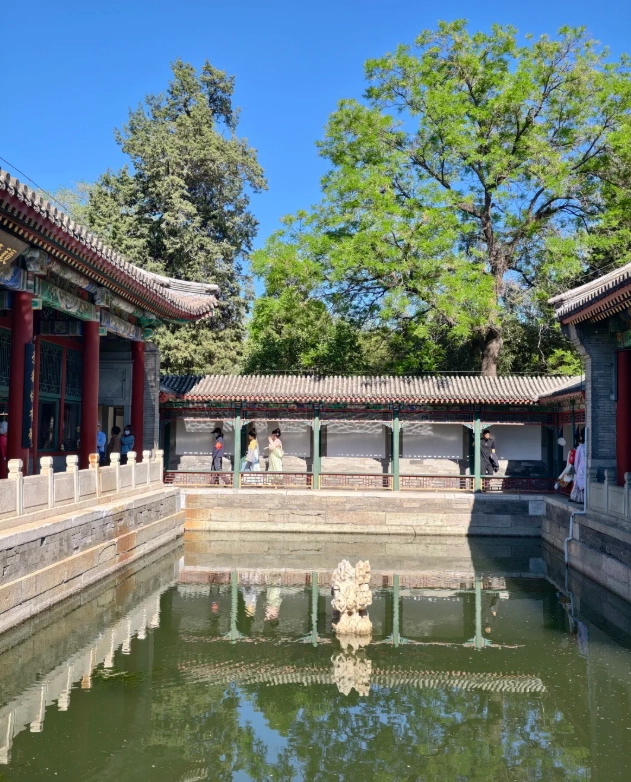
What to See and Do (Beyond the Obvious)
Don't just walk in a circle around the lake. Here’s my prioritized hit list.
1. The White Dagoba (Baita) on Qiongdao Island
The poster child. Built in 1651 to honor a visiting Dalai Lama. You take a ferry (¥10-20) or walk across the bridge (if you have the through ticket) to the island. Climbing the steps to its base gives a great view. Inside? It's a solid structure—you can't go in. The value is in the climb and the perspective.
2. The Nine-Dragon Wall (Jiulong Bi)
This is my favorite hidden gem. Tucked away in the northwest corner, it's a glazed-tile screen wall with nine magnificent, coiling dragons. It's older and, in my opinion, more vibrant than the more famous one in the Forbidden City. And it's free to see—just walk up to it. No ticket needed. Look for the yellow-tiled structure nearby; it's the former Dacizhenruo Hall.
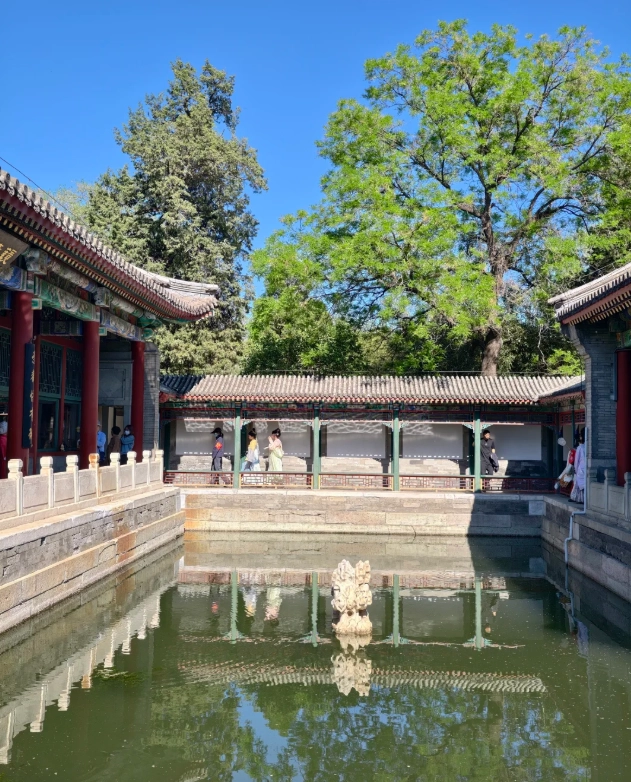 3. The Round City (Tuancheng)
A small, self-contained fortress-like structure just outside the South Gate (you need a separate ¥1 ticket, included in the through ticket). It houses a 3.5-ton jade urn from the Yuan Dynasty and a 800-year-old pine tree. It's quick (15 mins), unique, and often missed.
4. Paddle a Boat (Seriously)
It's not cheesy, it's strategic. Renting a paddle boat (¥60-100/hour for 4-6 people) lets you rest your feet, get unique photo angles of the dagoba, and see the park from the center. On a hot day, being on the water is 10 degrees cooler. The electric boats are easier but less charming.
5. The Quiet West Shore
Most visitors stick to the east shore path. Venture to the west side. It's shadier, quieter, and home to lovely smaller gardens like the Jingxin Studio, a maze of pavilions and rockeries where the emperor would study.
Sample Itinerary: If You Only Have Half a Day
Let's say you have 3-4 hours after visiting the Forbidden City in the morning. Here's exactly what I'd do with you.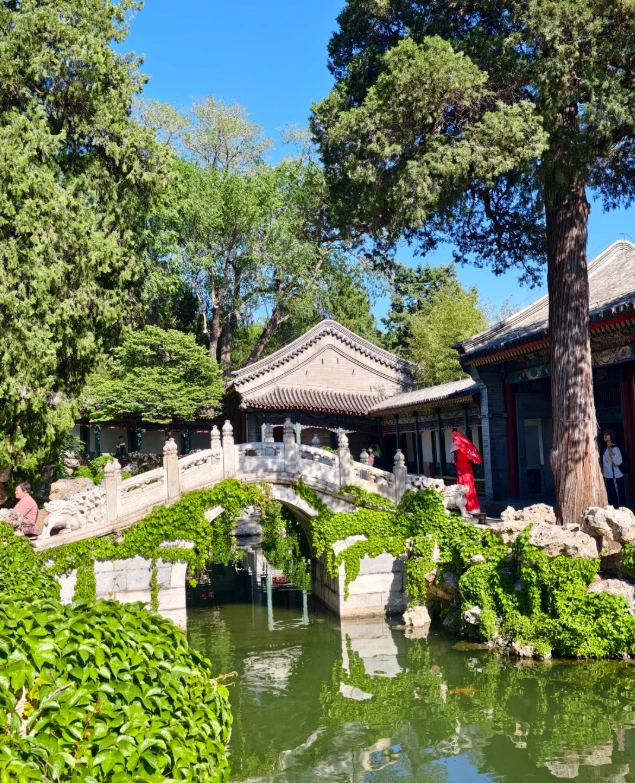
1:00 PM: Exit Forbidden City North Gate. Grab a quick noodle or sandwich from a vendor (there are a few). Walk 15 mins west to Beihai South Gate.
1:30 PM: Enter South Gate. Buy standard ticket only. Immediately turn right and walk along the east shore. Enjoy the open view of the lake.
2:00 PM: Arrive at the ferry dock near the north end. Decide: if the queue for ferries to Qiongdao Island is short (<15 mins), take it. If it's long, skip it. The view from here is fine.
2:30 PM: Continue north to the Nine-Dragon Wall. Spend 20 minutes here. It's brilliant.
3:00 PM: Walk south along the quieter west shore. Pop into Jingxin Studio if you have energy.
3:45 PM: Exit via the North Gate. You're now right at Beihai North Subway Station, perfectly positioned to go to your next destination (like the hutongs).
This route avoids backtracking, hits the top sights, and uses the strategic north exit.
Your Beihai Park FAQs Answered
 So, is Beihai Park worth visiting? If you approach it as a living piece of imperial history, not just a green space, and you use these tips to navigate it smartly, it can be a highlight—a peaceful, beautiful counterpoint to Beijing's grander, more crowded attractions. It offers a glimpse into how emperors relaxed and how locals live today. That dual identity is what makes it special. Just wear good shoes, bring water, and don't try to see it all.
This article is based on personal, on-the-ground experience guiding international visitors. Details like ticket prices and hours are verified against official park notices. Attractions and travel tips reflect current conditions.





Came here after reading rave reviews, but left feeling meh. The lake is nice, yes, but the “imperial garden” part felt like just a regular city park with a pagoda. The toilet facilities were pretty grim and there was trash floating near the water’s edge. Also, the ticket price jumped to 30 yuan during peak season – not a lot, but feels overpriced for what it is. Wouldn’t go out of my way again.
Honestly, I was a bit underwhelmed coming from the Forbidden City. The park is pleasant but felt overly commercialized – souvenir shops and food stalls everywhere, and the queue for the ferry was insane even on a Tuesday. Some paths were under renovation too. The pagoda itself is beautiful but you can’t go inside. For 20 yuan it’s fine, but I’d rather spend more time at Jingshan or the Summer Palace.
Really enjoyed the peaceful vibe and the lotus ponds in summer. The architecture is beautifully preserved and the walk around the lake is lovely. Only reason I’m not giving 5 stars is that the signs in English are a bit scarce – I got lost twice trying to find the exit. Also the boat rental process was a little confusing. Still, a great place to escape the city noise.
Took my two kids (ages 6 and 9) on a weekday morning – best decision ever. They loved the toy boats on the lake and chasing pigeons near the bridges. Ticket price is very reasonable, and the park is spacious enough that it never felt crowded. We even found a little snack stand selling tanghulu. A perfect half-day outing with zero complaints from the little ones.
Absolutely stunning! I’m a landscape photographer and I spent almost three hours here just chasing the light. The reflection of the White Pagoda in the lake at golden hour is pure magic. Temples, rock gardens, and those ancient trees – every corner feels like a painting. Easily my favorite spot in Beijing so far. Bring a zoom lens, you won’t regret it.