.jpeg) Prof. Jian Chen
Prof. Jian Chen
What You'll Find in This Guide
Hey there! I've been guiding tours in Beijing for over a decade, and if you're reading this, you're probably curious about the 798 Art District. Let me cut to the chase: most online guides give you the basics, but they miss the nuances that make or break a visit. This isn't just another list—it's the stuff I tell my clients over coffee, from dodging crowds to finding that perfect slice of Beijing's art scene without the hassle.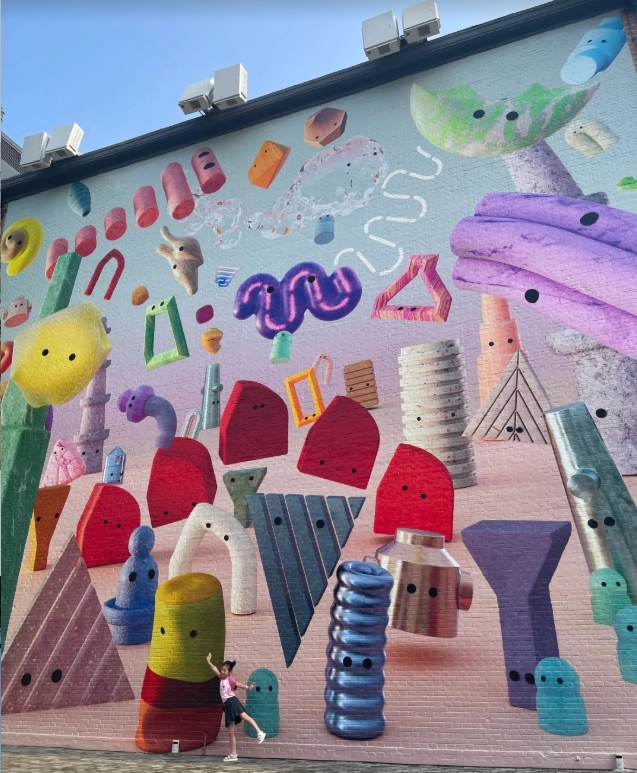
What is the 798 Art District?
The 798 Art District is a sprawling complex of repurposed Bauhaus-style factory buildings in northeast Beijing, now home to galleries, studios, cafes, and boutiques. It started in the early 2000s when artists moved into the abandoned 798 Factory (an electronics plant from the 1950s), and it's since exploded into China's epicenter for contemporary art. But here's what many first-timers overlook: the architecture is half the appeal. Those zigzag roofs, red-brick walls, and industrial pipes aren't just backdrops—they're historical artifacts that tell a story of Beijing's shift from manufacturing to creativity.
I remember taking a group from San Francisco who were blown away by the contrast: gritty factory vibes mixed with cutting-edge installations. It's not a sterile museum; it's a living, breathing community where you might stumble upon an artist welding in a courtyard or a pop-up exhibition in an old warehouse.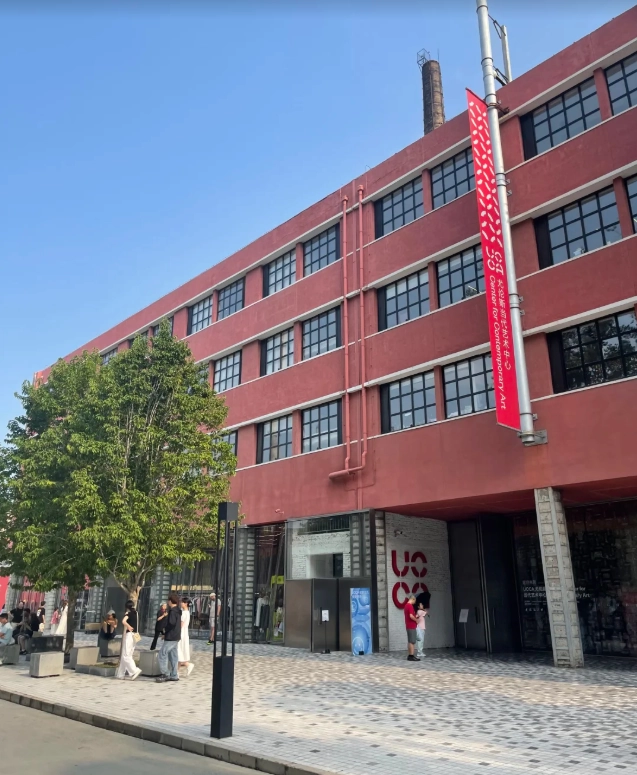
How to Get to 798 Art District
Getting here is straightforward, but a few insider details can save you a headache. The full address is 4 Jiuxianqiao Road, Chaoyang District, Beijing. Most visitors use public transport—here's the breakdown.
By Subway: Take Line 14 to Jiangtai Station. Exit A is your best bet. Once you surface, walk north for about 10 minutes. You'll smell the faint scent of paint and coffee before you see the iconic "798" arch. Pro tip: from Exit A, turn left immediately—there's a shortcut through a parking lot that bypasses the chaotic main road. I've timed it: this shaves off 3 minutes and avoids the tourist huddle at the intersection.
By Bus: Bus routes 401, 402, 405, 445, 909, 946, and 955 stop at "Dashanzi" or "798 Art District" station. Use the Beijing Public Transport app for real-time updates—it's in English and saves you from guessing. Drop-off points can be messy; if you take the bus, get off at the North Gate stop for a quieter entry.
By Taxi or Ride-Hail: Tell the driver "798艺术区" (they'll understand "798"), but for apps like DiDi, input "798 Art District" in English. Drop-offs are often chaotic near the South Gate. I recommend asking to be dropped at the West Gate instead—it's less crowded, and you can start your exploration with a hidden mural alley. Cost from central Beijing: around 40-60 RMB depending on traffic.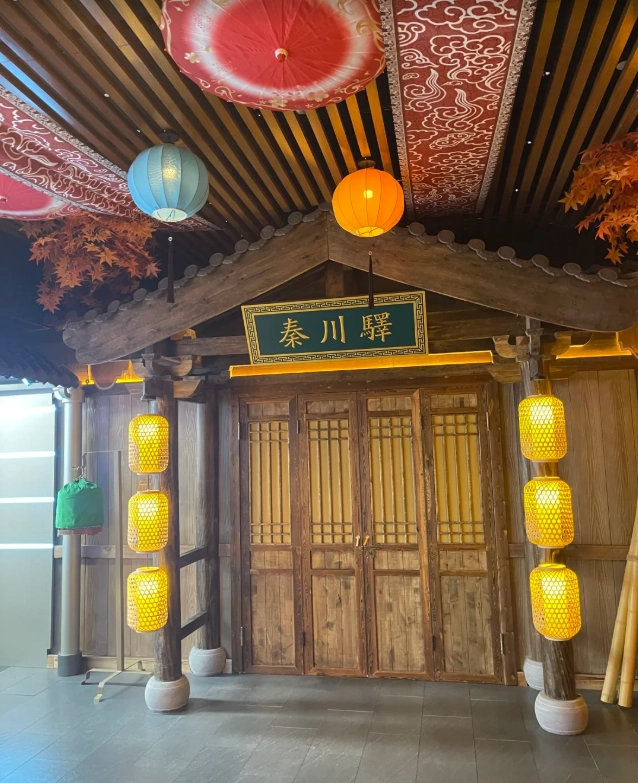
Best Time to Visit and Photography Tips
Timing is everything at 798. Galleries typically open from 10 AM to 6 PM, but many close on Mondays—always check individual websites. The district itself is accessible 24/7, but for the full experience, plan around these insights.
Best Seasons: Spring (April to May) and autumn (September to October) offer mild weather and fewer crowds. Summer (June to August) can be scorching and packed with tour groups. Winter (December to February) is chilly but serene; I've had entire galleries to myself on a January weekday.
Time of Day: Most tourists roll in around noon. Big mistake. The light is harsh for photos, and galleries get crowded. I bring my groups at 9:30 AM sharp—when doors open, you'll have the place to yourself for a good hour. For photography, late afternoon (4 PM to 6 PM) is golden hour. The sun slants through the factory windows, casting dramatic shadows on the brick walls. Avoid midday unless you want squinty selfies.
Photography Spots Only Locals Know:
- The rooftop of Building 7: Access is tricky—look for the unmarked staircase near the cafe. It offers a panoramic view of the district. I've taken engagement photos here.
- The pipe corridor behind Galleria Continua: Rusty industrial pipes frame unique shots, especially in soft light.
- South Gate at sunrise: Few people are around, and the morning mist adds a moody vibe. I once dragged a photography club here at 6 AM—they loved it.
Top Galleries and Must-See Exhibitions
With over 100 galleries, it's easy to get overwhelmed. Based on my years of curating tours, here are the must-visits, complete with practical details.
Ullens Center for Contemporary Art (UCCA)
Address: 4 Jiuxianqiao Road, inside 798 (near the South Gate). This is the heavyweight—it hosts blockbuster exhibitions like Ai Weiwei retrospectives or digital art showcases. Ticket: 100 RMB for adults, 60 RMB for students (bring ID). Hours: 10 AM to 7 PM, closed Mondays. Check their website for current shows; I've seen queues wrap around the building for popular exhibits. Go early or book online to skip the line.
Galleria Continua
Address: 798 Art District, Building 4. An Italian gallery with international artists like Daniel Buren. Free entry. Hours: 11 AM to 6 PM, closed Mondays. Their installations often spill into the courtyard—don't miss the rotating outdoor sculptures. I always point clients to the mirrored pieces; they're perfect for reflective photos.
Pace Beijing
Address: 798 Art District, Building 2. Another major player, showcasing Chinese and global contemporary art. Ticket varies by exhibition, usually 50-80 RMB. Hours: 10 AM to 6:30 PM, closed Mondays. Their curation is top-notch; I recall a Zhang Huan exhibit that left my group speechless.
For budget-friendly options, explore smaller galleries like Tang Contemporary Art (Building 2, free admission) or Beijing Commune (Building 4, often free). They feature emerging artists and are less crowded.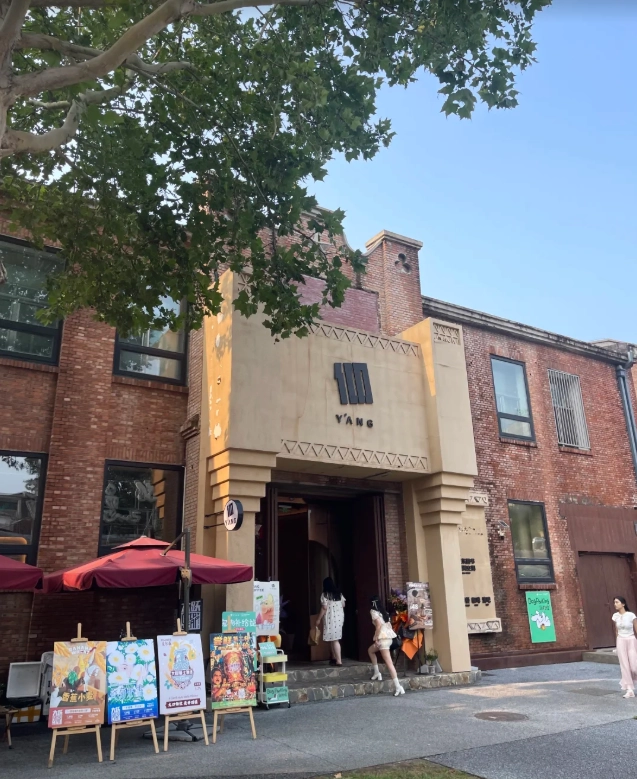
Hidden Gems and Local Secrets
Beyond the big names, 798 has corners most tourists skip. Here's where I take my friends for a more authentic experience.
The Pipe Art Space: Tucked behind Building 7, this quirky spot uses old industrial pipes as exhibition halls. It's free, often empty, and feels like a secret club. Address: Near 798 South Gate—look for the rusted pipes and a small "艺术空间" sign. I've stumbled upon experimental sound art here that you won't find elsewhere.
798 Photo Gallery: Not a gallery for taking photos, but a dedicated photography gallery. It's small but curated beautifully, with rotating shows from Chinese photographers. Address: Building 3, 2nd floor. Hours: 10 AM to 5 PM, closed Tuesdays. Entry is usually free, but check for special events.
Local Artist Studios: Many artists still work in 798. If you see an open door with a "工作室" (studio) sign, don't be shy—knock and ask if you can peek. I've met sculptors who'll give impromptu tours for a small tip. One time, a painter let me watch him work for an hour; it was a highlight for my clients.
Secret Street Art Alleys: The best graffiti isn't on the main roads. Wander the alleys between Buildings 5 and 6—the art changes weekly, and you might catch artists in action. I once found a stunning mural that disappeared a month later, replaced by a political piece.
Food and Drink in 798
After hours of walking, you'll need fuel. 798 has evolved into a foodie spot, but quality varies wildly. Here's my curated list.
At Cafe: My go-to for coffee. Address: 798 Art District, Building 4. They roast beans on-site, and the avocado toast is solid. Price: 40-60 RMB per person. Hours: 8 AM to 8 PM. I always get their flat white—it's the closest to Melbourne-style I've found in Beijing. Personal favorite: their seasonal fruit smoothies in summer.
Trb Hutong: For a splurge, this French restaurant is worth it. Address: 798 Art District, near UCCA. Set menus start from 300 RMB. Hours: 11:30 AM to 10 PM. Reservations are recommended; I've taken clients here for celebratory dinners after a gallery marathon. The duck confit is divine.
Local Eateries: For budget eats, head to the food court near the North Gate. You'll find noodles, dumplings, and stir-fries, all under 30 RMB. But hygiene can be iffy—I stick to stalls with long queues, like the Sichuan noodle vendor. Avoid the overpriced tourist traps near the South Gate; one place charges 50 RMB for a soda—ridiculous.
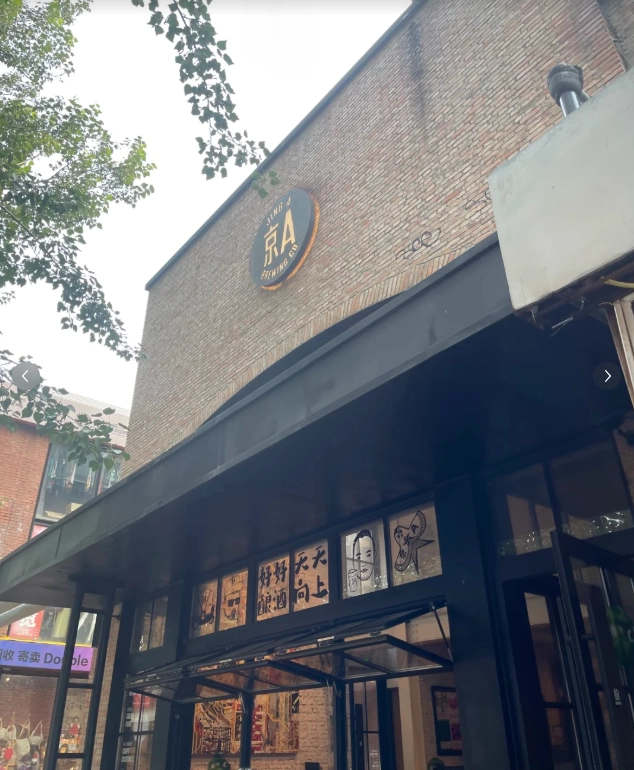
Microbreweries: Check out Jing-A Brewery (Building 2) for craft beer. A pint costs around 45 RMB. It's a favorite among expats and artists. I often end my tours here with a cold one.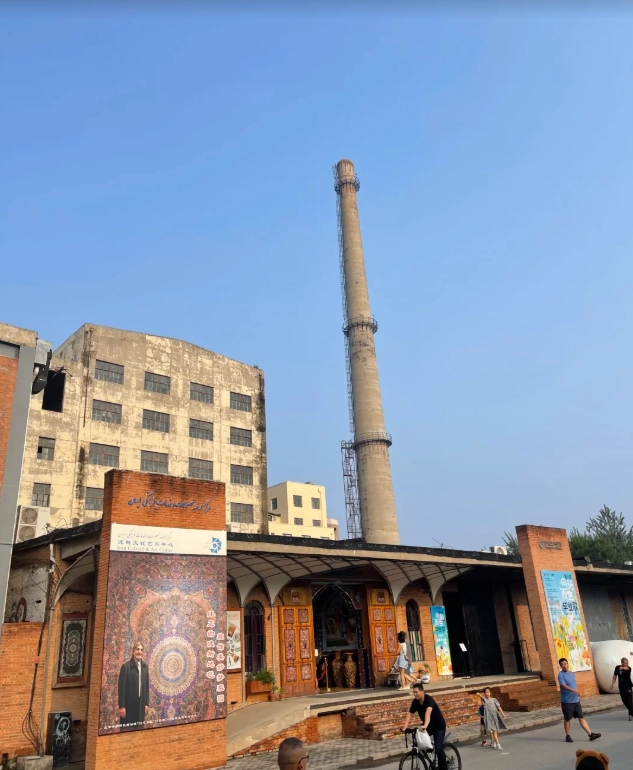
One-Day Itinerary for 798
假设你只有24小时在北京,想挤时间看798。 Here's my optimized plan, tested on countless clients.
Morning (9:30 AM - 12:30 PM): Start at the West Gate to avoid crowds. Head straight to UCCA—spend 1.5 hours there. Then walk to Galleria Continua (10-minute stroll). If you're fast, add Tang Contemporary Art.
Lunch (12:30 PM - 1:30 PM): Grab a quick bite at At Cafe or a local noodle shop near the North Gate. Keep it under 45 minutes to beat the afternoon rush.
Afternoon (1:30 PM - 4 PM): Explore hidden gems: hit The Pipe Art Space, then wander the street art alleys between Buildings 5 and 6. Visit 2-3 smaller galleries like Beijing Commune. Don't rush—the charm is in the serendipity.
Late Afternoon (4 PM - 6 PM): Perfect time for photography. Capture the industrial vibe along the main roads, then head to Pace Beijing for a final exhibition. End with a coffee break at a courtyard cafe.
Evening (6 PM onwards): If you have energy, some galleries host evening events—check schedules online. Or, head to Trb Hutong for a relaxed dinner. For a budget option, the food court is open until 8 PM.
Adjust based on interest: Art lovers can swap hidden gems for more galleries; photographers might skip some interiors for extra shooting time. I once guided a family with kids—we focused on outdoor art and cafes, skipping the heavy exhibitions.
Practical Information
Address: 4 Jiuxianqiao Road, Chaoyang District, Beijing, China.
Opening Hours: Galleries: Generally 10 AM to 6 PM, closed on Mondays. Public areas: Accessible 24/7. Always verify with individual venues—I've seen hours shift without notice.
Admission: Most galleries are free, but major ones like UCCA charge tickets (adult 100 RMB, child/student discounts available). No entry fee for the district itself.
Best For: Art enthusiasts, photographers, culture seekers. Not ideal for young kids—it's a lot of walking, and they might get bored. I've had parents complain about the lack of playgrounds.
Accessibility: Mostly flat terrain, but some galleries have stairs. Wheelchair access varies; UCCA is good, but smaller spaces can be tricky. Check in advance if needed.
What to Bring: Comfortable shoes (I've seen too many blisters from fashionable footwear), water bottle (refill at cafes), camera, and a power bank—you'll be using your phone for maps and photos.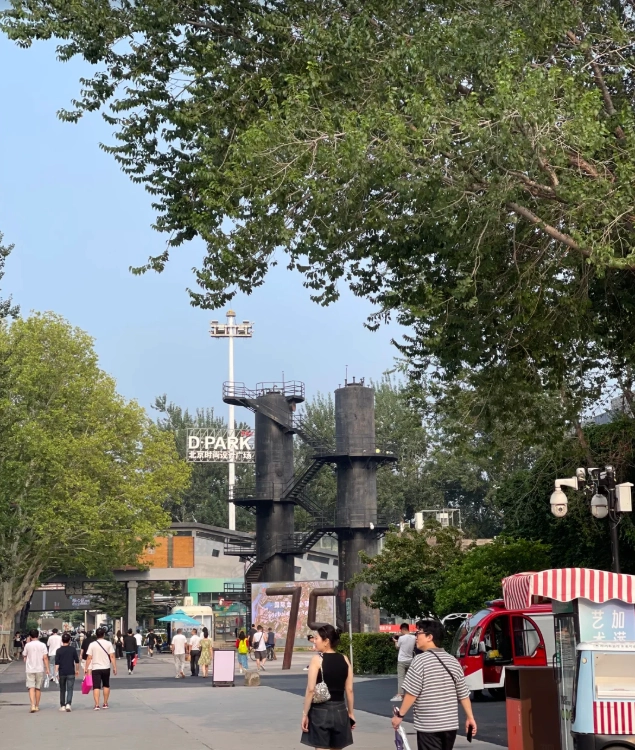
Frequently Asked Questions
This guide is based on my personal experiences guiding in Beijing for over 10 years. I've walked every alley of 798, from the bustling main roads to the quiet studios most miss. Information is current as of my last visit, but galleries and cafes can change—always double-check hours and prices online before you go. For official updates, refer to the 798 Art District website or trusted sources like CNN Travel's coverage of Beijing's art scene. Now, go explore and make your own stories!





Content-wise, this guide is fantastic—covers everything from photography spots to food trucks. But the layout needs work. On a small screen, the text is crammed and headers aren’t obvious, so I kept scrolling past key tips. Once I printed it at the hostel, it was much easier to follow. A better digital format (maybe bullet points or collapsible sections) would make it a solid 5. Still worth reading for the content.
What a gem of a guide! I loved how it went beyond the big-name exhibitions and pointed me to tiny, artist-run spaces. Found an underground collective that isn’t even on Google Maps—felt like an insider. The tip about which coffee shops have actual gallery space inside was genius; I sat for an hour sketching while sipping a flat white. Perfect blend of art and everyday vibes. Highly recommend!
Honestly a bit let down. I visited last week and three of the “must-see” galleries listed in the guide were either closed for renovation or permanently shut. The walking route felt outdated, and I wasted a lot of time backtracking. The writing style is engaging, but when the info isn’t accurate, that doesn’t matter. If you’re going soon, double-check everything online before relying on this.
Really solid guide overall—lots of practical advice about timing and avoiding crowds. The section on the history of the factory buildings made me appreciate the art more. My only gripe is the map: some labels were too small to read on my phone, and two of the mentioned galleries had moved since the guide was published. Still, it helped me cover more ground than I would have alone, so I’m happy with a 4.
This guide is an absolute lifesaver for anyone hitting 798 for the first time. The insider tips on which galleries to skip and which to linger in saved me from tourist traps. I found a tiny courtyard studio with an artist working live—exactly the kind of hidden gem the article promised. The café recommendations were spot-on too; I ended up at a place with the best matcha latte and a view of a massive mural. Honestly, I’d give it six stars if I could.