 Hui Lin
I get this question almost every week. "Hey, you're the China expert. We have one day for the Great Wall. Badaling or Mutianyu?" My answer is never simple, because "better" depends entirely on you. After a decade of leading tours, I've seen families melt down at Badaling's main gate and photographers weep with joy at Mutianyu's sunset. Let me break down the real, on-the-ground differences so you can pick your perfect Wall.
My Quick Navigation Guide
The Head-to-Head Comparison
Before we dive deep, here's the snapshot. I made this table based on my last dozen trips to each place. Prices are in CNY and for adults; kids are usually half-price.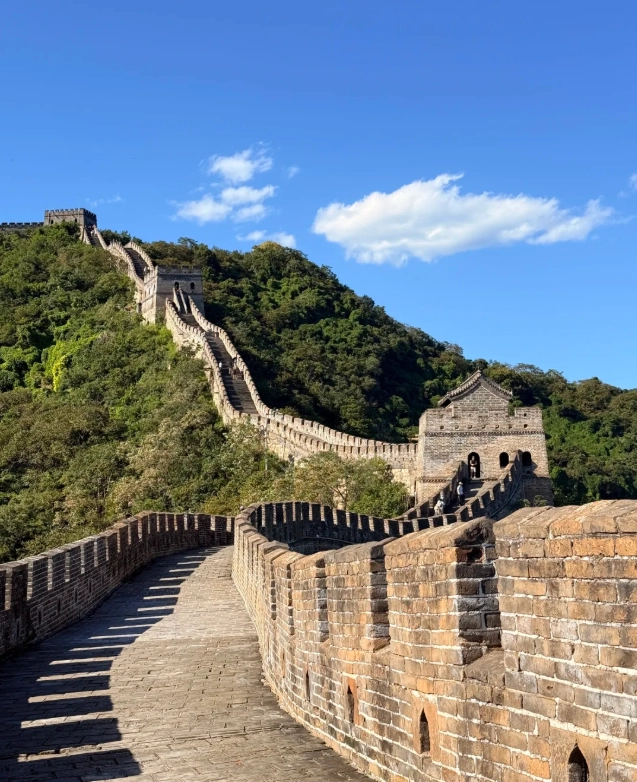
| Feature | Badaling | Mutianyu |
|---|---|---|
| Crowd Level | Extremely High. The main symbol. Expect queues for tickets, cable cars, and even walking on the wall itself, especially near the entrance. | Moderate to High. More spread out. You can find quiet stretches if you walk 20-30 minutes from the cable car stations. |
| Scenery & Photo Ops | Iconic, sweeping views of restored wall snaking over stark mountains. Less tree cover, feels more "epic" and open. | Lush, forested mountains. The wall is beautifully integrated with pine trees. More picturesque and "green" in feeling. |
| Accessibility & Facilities | Excellent. Multiple cable cars, a pulley train (toboggan), and even an elevator for wheelchair users. Tons of shops, a museum, food courts. | Very Good. A cable car up to Tower 14, a chairlift to Tower 6, and the famous toboggan slide down from Tower 6. Facilities are adequate but less overwhelming. |
| Ticket Price (Peak Season) | ¥40 (just entrance). Cable car/train extra (¥100-140 round trip). | ¥45 (just entrance). Cable car/chairlift + toboggan combo is about ¥120-140 round trip. |
| Best For | First-timers who want the iconic postcard shot, visitors with mobility issues, those who prioritize maximum convenience. | Travelers who dislike crowds, families with kids (because of the toboggan!), photographers, those wanting a more scenic hike. |
| My Personal Vibe Check | Feels like a major world monument. Can be overwhelming and commercial, but undeniably impressive. | Feels like a discovery. More relaxed atmosphere, better for soaking in the history and landscape. |
Badaling: The Famous (& Crowded) One
Complete Address: Badaling Special Zone, Yanqing District, Beijing. The official signage is everywhere.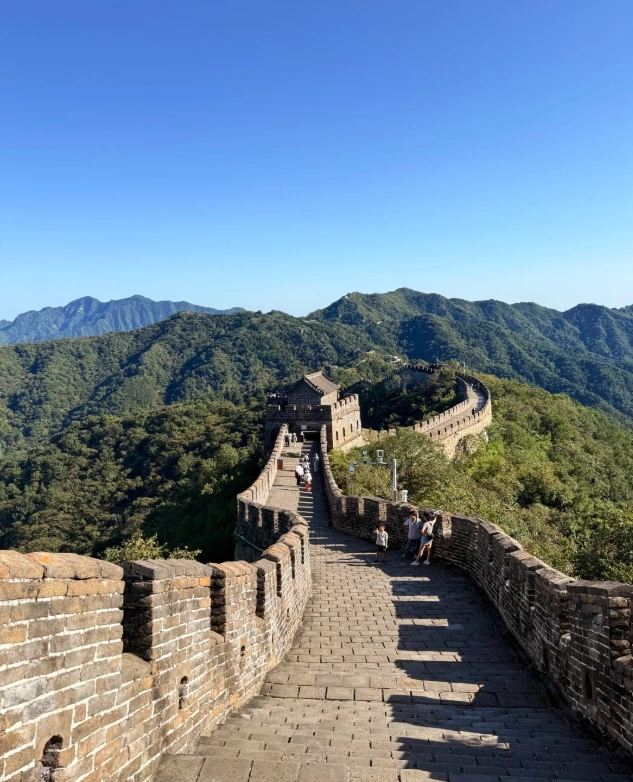
Operating Hours: 6:30 AM - 7:00 PM (Summer, Apr-Oct), 7:30 AM - 6:00 PM (Winter, Nov-Mar). Pro tip: The light is soft and the tour groups haven't fully arrived if you enter right at opening. By 10:30 AM, it's a different world.
The Good, The Bad, and The Packed
The restoration here is immaculate. The stonework is perfect, the battlements are even, and the views are the ones you've seen in every textbook. It's the Great Wall as a grand, imperial statement. There's a reason world leaders are brought here.
But let's talk about the elephant in the room: the crowds. I once timed it—it took a family of four 47 minutes from the parking lot shuttle bus drop-off to actually step onto the wall, on a Tuesday in May. The main path from the North Gate up to the high points is often a slow-moving river of people. Your "hike" might be a shuffle.
Getting There & Getting Around
By Public Transport: Take the Beijing Subway Line 13 to Zhichunlu Station, exit C2. Walk 5 minutes to the Deshengmen Bus Stop. Catch bus 877 (express to Badaling, costs about ¥12, takes 70-90 mins). The bus drops you at the front parking lot. Ignore the touts offering "special tickets." Walk straight to the official shuttle buses (free) that take you to the ticket office area.
By Car/Tour: Highway G6 gets you there in about 1.5 hours from central Beijing, traffic permitting. Parking is vast but fills up by 11 AM.
The facilities are top-notch. There's a decent KFC near the entrance if you need a familiar bite, and plenty of noodle shops. The cable car on the north side is efficient but queues can be 45+ minutes at peak times. The south side has a less-crowded pulley train.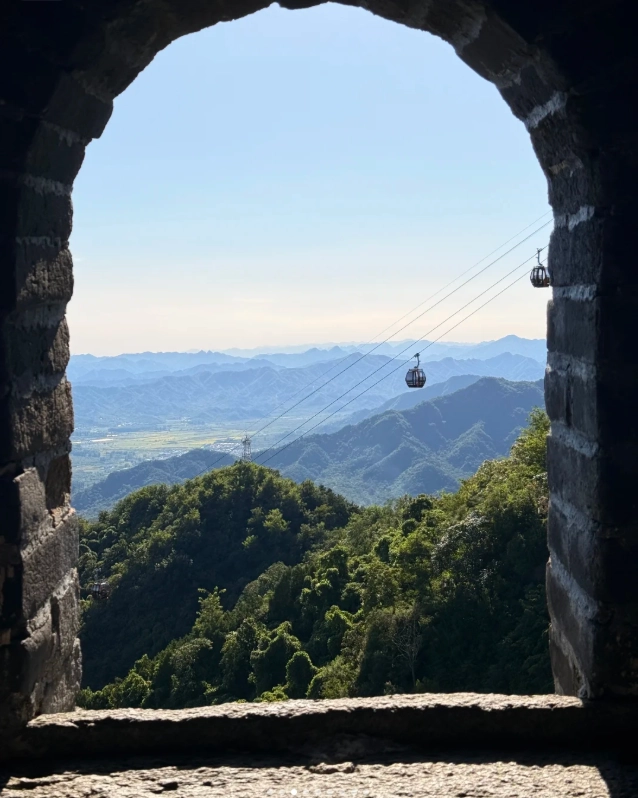
Mutianyu: The Scenic (& Manageable) One
Complete Address: Mutianyu Village, Bohai Town, Huairou District, Beijing. It's nestled in the hills.
Operating Hours: 7:30 AM - 6:30 PM (Summer), 8:00 AM - 5:30 PM (Winter). The last cable car down is usually 30 minutes before closing.
Why I Prefer It for Most Groups
Mutianyu has soul. The wall here winds over densely forested peaks. Over 90% of the surrounding area is covered in pines, chestnuts, and persimmon trees. In autumn, the colors are insane. The restoration is also excellent, but it feels more integrated with the landscape than Badaling's stark grandeur.
The crowd dynamic is different. Yes, there are people, especially around Tower 14 (where the main cable car arrives) and Tower 6 (where the chairlift arrives and the toboggan starts). But here's the secret: walk east from Tower 14 towards Tower 23. After Tower 19, the climb gets steep (the "Heavenly Ladder"), and 80% of visitors turn back. You'll have watchtowers practically to yourself. The view from Tower 20 is my favorite on the entire Mutianyu section.
The Infamous Toboggan
This isn't a gimmick; it's a legitimately fun way to descend. You take a chairlift up to Tower 6, walk along the wall, then hop on a metal sled to coast down a winding track through the trees. Kids (and adults who are kids at heart) love it. It's safe, with a hand-brake you control. Lines can form, so do it early or later in the afternoon. A chairlift-up/toboggan-down combo ticket is the way to go.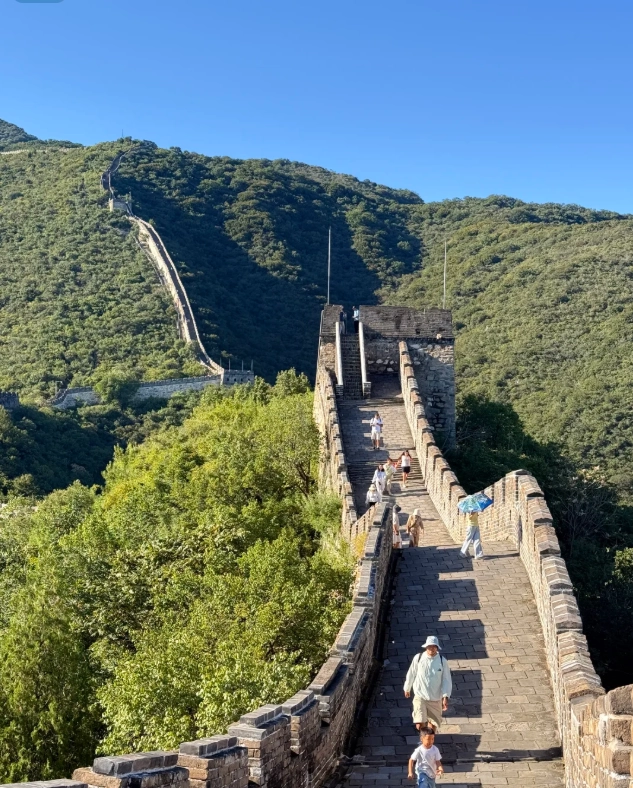
Getting There & The Final Stretch
By Public Transport: This is trickier than Badaling. Take the Beijing Subway Line 15 to Wangjing West Station, exit C. Find the public bus hub and look for the Tourist Bus Line 867 (only runs during peak tourist seasons, check schedules!) or the regular bus 916 Express to Huairou. From Huairou Bus Station, you need a local taxi or a minibus (hóng miàn de) for the final 30-minute ride to Mutianyu. Honestly, for Mutianyu, a private car or organized tour is worth the extra cost for most visitors to avoid the transfer hassle.
By Car/Tour: About a 1.5 to 2-hour drive via the Jingcheng Expressway. You'll park at a large lot, then must take a mandatory shuttle bus (¥15 round trip) from the lot to the foot of the wall. This shuttle ride is non-negotiable and takes about 10 minutes.
How to Get There: A Reality Check
Let's be blunt. Getting to the Great Wall independently tests your patience. The public bus routes exist but are designed for locals and can be slow. A taxi for the day from Beijing will cost ¥600-800 but gives you flexibility.
For a truly stress-free experience, especially for Mutianyu, I recommend a vetted tour operator. Not the giant bus tours that herd 50 people, but smaller companies. They handle tickets, transport, and know the best times to arrive. I've had clients book through Travel China Guide and been happy—they're a reliable source for official info too.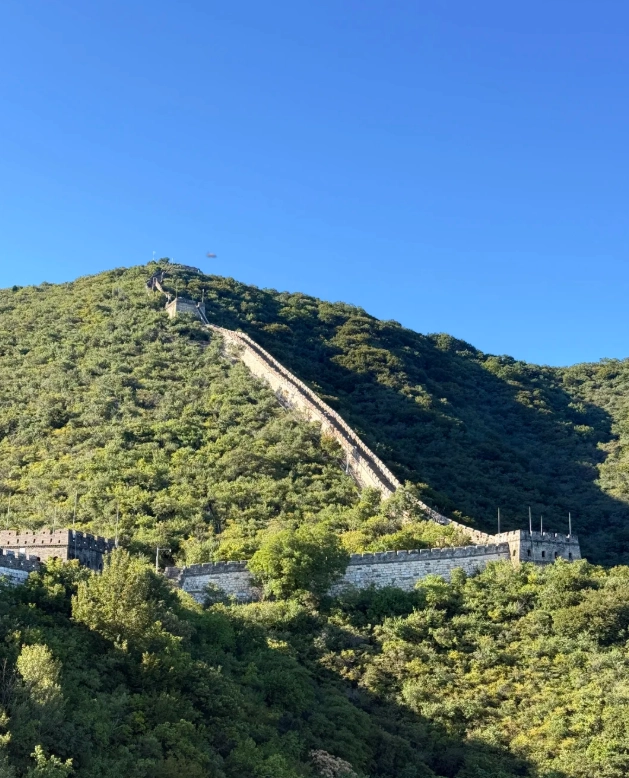
Making Your Choice: Who Should Go Where?
Choose Badaling If...
- This is your first and possibly only Great Wall visit, and you want the iconic, no-doubt-about-it experience.
- You or someone in your group has significant mobility concerns. The facilities for accessibility are the best here.
- You're relying solely on public transport and want the most straightforward route.
- You don't mind crowds and enjoy a bustling, energetic atmosphere.
Choose Mutianyu If...
- Crowds genuinely ruin historical sites for you.
- You're traveling with children (the toboggan is a game-changer).
- You're a photography enthusiast looking for more varied, lush landscapes.
- You want to actually hike and feel a sense of solitude on the Wall.
- You can afford a bit more for a private transfer or a good tour.
What about a third option like Jinshanling or Simatai? For a first-time visitor with one day, I stick to Badaling vs. Mutianyu. Those others are farther, less restored, and better for serious hikers on a second trip.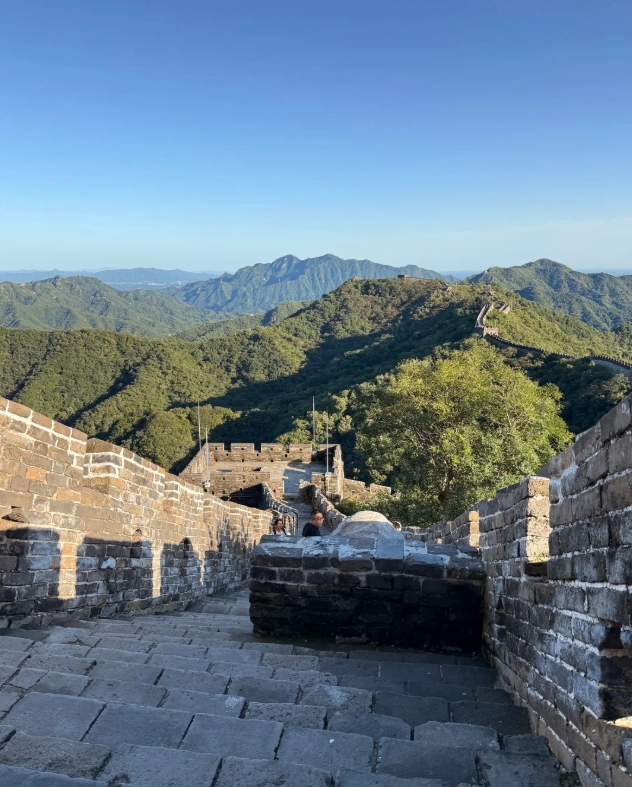
Your Questions Answered
Look, both sections are magnificent. You're standing on the Great Wall of China. That's the win. Badaling is the grand opera; Mutianyu is the chamber music. One isn't objectively better. But for the majority of my clients—especially those who value scenery over symbolism and personal space over poster-icon status—Mutianyu is the more enjoyable, less stressful choice.
Pack good shoes, more water than you think you need, and patience. And remember, the best Wall is the one you get to walk on.
This article is based on my personal, repeated experiences guiding tours to both sites. Details like ticket prices and transport options are checked regularly against official sources.





As someone who's visited the Wall three times over the decades, I was disappointed by Mutianyu this time. The restoration is too polished—it feels like a Disneyland set. I missed the raw, crumbly sections of Badaling that gave you a sense of age. Also, the wheelchair access at Mutianyu is poor; my wife uses a cane and struggled with the steep ramps near the cable car exit. Badaling has better paved paths and more frequent rest stops. For pure photogenic beauty Mutianyu wins, but for an authentic, accessible experience I'd recommend Badaling—just go at dawn.
Went to both during Golden Week (bad idea, I know). Badaling was a nightmare—shoulder-to-shoulder shuffling, no space to breathe. Mutianyu was better but still packed. The real issue is value: ticket prices are similar, but Mutianyu charges extra for the shuttle bus (which is a forced walk if you don't pay), and the food options are limited and expensive. The wall itself is stunning at both, but the commercialism is off-putting. If you must go, go on a weekday and bring your own snacks. Three stars because it's still the Great Wall, but the experience was soured by crowds and nickel-and-diming.
I wanted to love Mutianyu but the transport killed the vibe. The bus from Dongzhimen took nearly 3 hours each way due to roadworks, and by the time we arrived we only had 2 hours before the last shuttle left. The wall itself is gorgeous—well preserved, fewer people, nice forest backdrop—but the whole experience felt rushed. Badaling is more convenient by train and has more facilities. If you're short on time or traveling with elderly parents, Badaling might actually be the smarter choice despite the crowds. Just manage your expectations.
Hit Badaling early (7am) and it was magical—empty, misty, and you could really feel the history. By 9am the tour buses rolled in and it turned into a disaster. Too many vendors, too much noise. Ventured to Mutianyu two days later and it was a completely different vibe: cleaner, better maintained, and the restored sections feel more authentic somehow. The watchtowers are actually climbable without a crowd. If you have to pick one, Mutianyu gets my vote. Just skip the overpriced burger at the food court.
We did both sections in one week. Mutianyu is hands down the winner if you want a peaceful, scenic hike without the tourist circus. The cable car was smooth, the toboggan ride down was a blast, and the crowds were thin even at midday. My kids (10 and 12) managed the entire restored stretch easily. Badaling felt like a theme park line—elbowing through selfie sticks just to see a tower. Mutianyu gave us actual breathing room and those lush green hills. Absolutely worth the extra travel time from Beijing.