 Peng Gao
I still remember the moment. I’d just spent two hours cycling the full 14 kilometers of the Xi'an City Wall, the ancient Ming Dynasty fortifications that encircle the old city. My legs were jelly, my shirt stuck to my back, and a deep, primal hunger had taken over. Descending the stairs near the South Gate, I wasn't looking for a fancy restaurant. I was pulled by a scent—a complex, smoky, spicy, savory aroma that cut through the diesel fumes of the city. It led me down a narrow alley, away from the tour buses, to a stall where an elderly man was slapping dough onto a griddle. That first bite of a freshly made Roujiamo, the juice dripping down my wrist, was a better history lesson than any museum plaque. This is what you're here for. Not just to see the wall, but to taste the life that has pulsed around it for centuries.
Forget the overpriced, sanitized versions of Shaanxi cuisine served in glass-fronted restaurants on the main drag. The real food culture of Xi'an thrives in the shadow of its great wall, in family-run holes-in-the-wall, bustling market lanes, and under the flickering neon of street carts. This guide isn't about listing every possible dish. It's a curated map to the authentic, soul-satisfying eats you can find within a 15-minute walk of the City Wall's major gates, the way a resident who's made all the mistakes would tell you.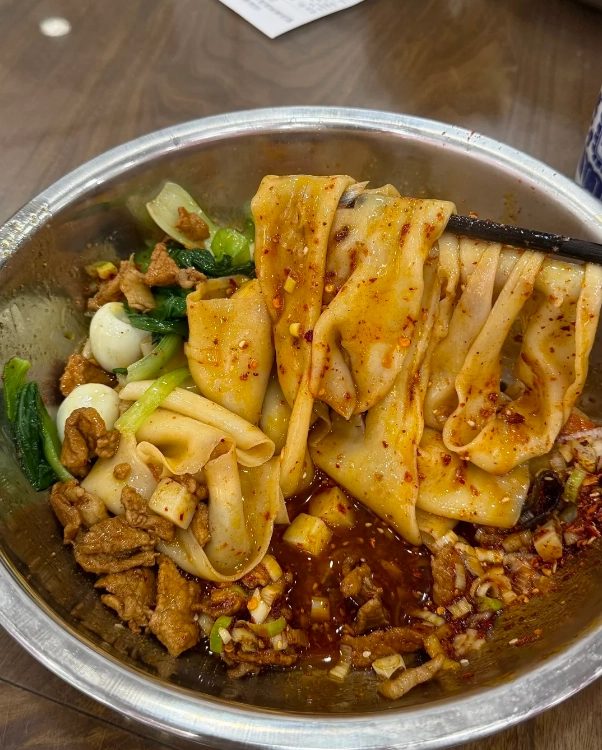
Your Food Adventure Map
Start with a Gate Strategy: Match Your Hunger to a Gate
Each major gate of the City Wall opens into a neighborhood with a distinct culinary character. Picking your gate is half the battle.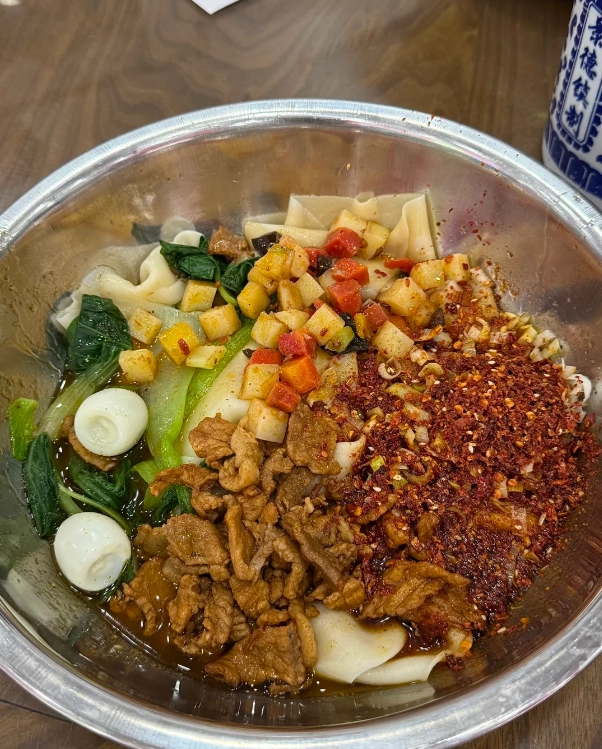
South Gate (Yongningmen): The Balanced Launchpad
The most majestic and busiest gate. The area directly outside is touristy, but venture just two blocks west along Shuncheng Alley or east into the alleys behind the Xi'an Concert Hall, and you'll find legitimate local lunch spots. This is a great, less overwhelming starting point than diving straight into the Muslim Quarter. Look for small shops with plastic stools and steam billowing from the door.
West Gate (Andingmen) & the Beiyuanmen Muslim Quarter
This is the epicenter. Exit the West Gate, walk north for about 5 minutes, and you'll hit the top of Beiyuanmen Street—the official start of the Muslim Quarter. My advice? The first half is a sensory-overload spectacle for tourists. The real gems are further in, on the side alleys like Sajinqiao and Dapiyuan. The density of food here is insane, from sunset until late.
East Gate (Changlemen): The Local's Morning Market
Want to see where Xi'an residents shop and eat breakfast? Come here in the morning (before 10 AM). The streets east of the gate are lined with vendors selling fresh produce, but also breakfast staples. It's chaotic, entirely Chinese-language, and wonderfully authentic. You'll find the best Hulatang (Pepper Soup) here for a warming start to your day.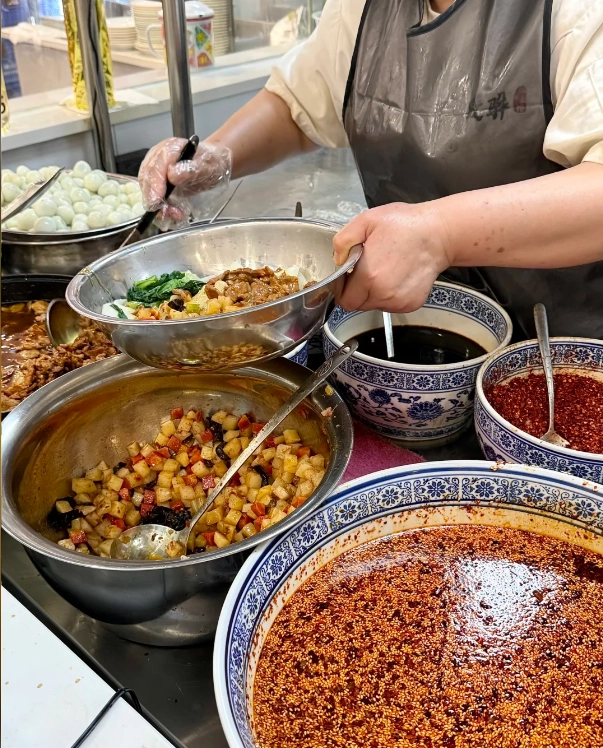
Pro Tip: The City Wall itself has a few cafes, but they're for coffee and a rest, not a meal. Save your appetite and your money for the streets below.
Must-Try Dishes & Where to Find Them (Not on the Main Street)
Here’s the core curriculum. I'm giving you the English name, the essential Chinese name for pointing, and the specific type of place to seek out.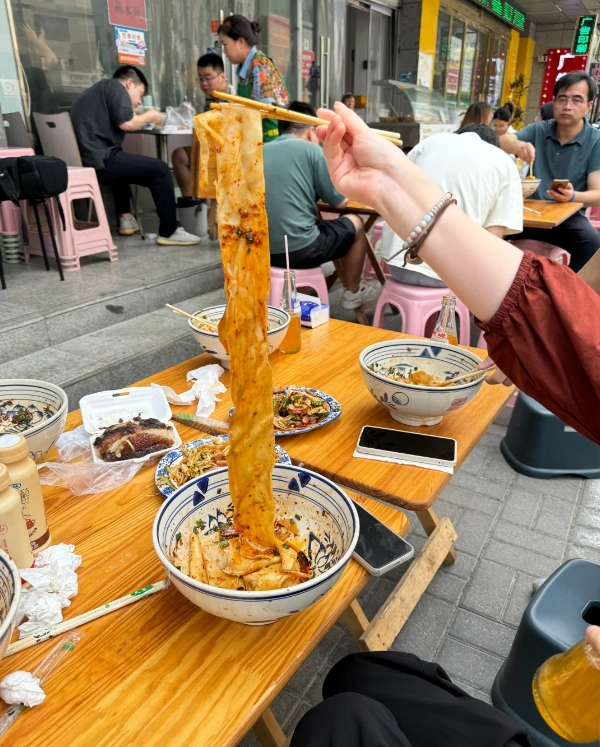
1. Roujiamo (Chinese Meat Burger)
Don't call it a burger to a local; it's its own glorious thing. Flaky, pan-baked “bao” bread stuffed with stewed, shredded meat (usually pork, but lamb in Halal spots). The magic is in the bread's texture and the fragrant, cumin-spiced meat.
- What to look for: A glass case with a huge pot of stewing meat. The bread should be freshly toasted on a griddle.
- My find: A tiny, nameless stall in the alley opposite the west side of the South Gate subway exit. No English sign, just a queue of delivery drivers. The pork is fall-apart tender, with a clear, peppery broth. About $1.50 USD (¥10-12) each.
- Avoid: Pre-made, soggy buns sitting under a heat lamp.
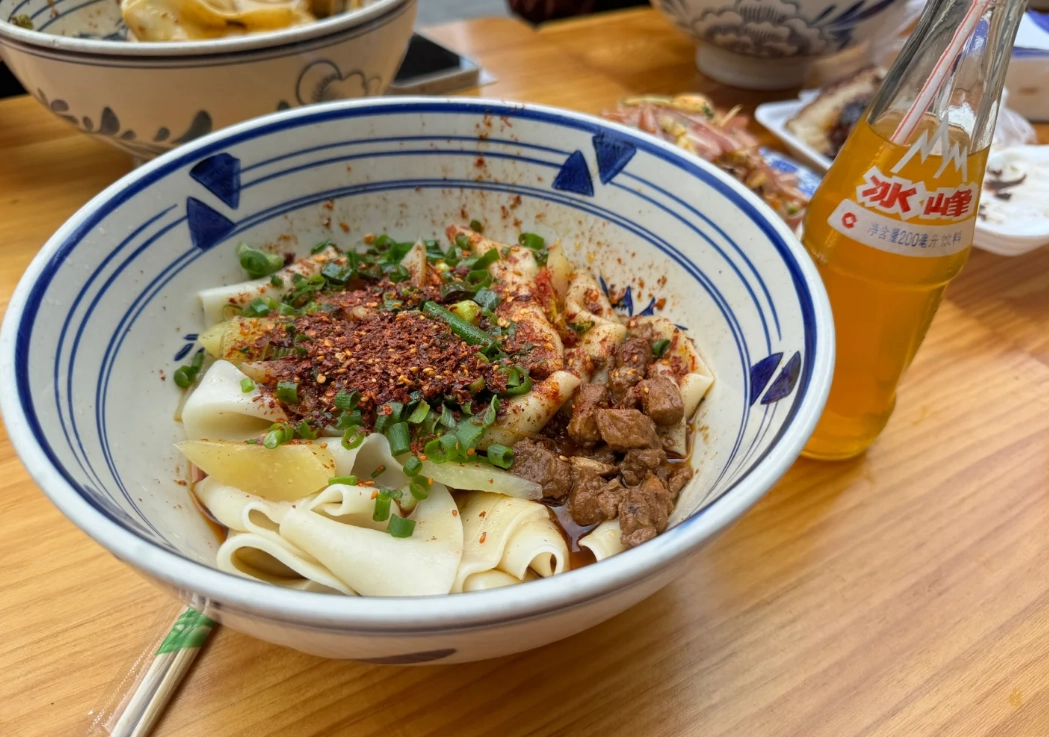
2. Biang Biang Noodles / Youpo Mian (Oil-Splashed Noodles)
Wide, belt-like hand-pulled noodles, the star of Shaanxi. Biang Biang often comes with a rich tomato-egg-pork sauce. Youpo Mian is simpler: noodles topped with chili powder, chopped garlic, and scallions, then have sizzling hot oil poured over it, creating an incredible nutty, spicy aroma.
- What to look for: The sound of dough being slapped on a counter. A cook stretching noodles by hand.
- My find: “Lao Li Jia” (just a guess from the sign) on Dapiyuan Alley, deep in the Muslim Quarter. Small, maybe six tables. The Youpo Mian arrives in a big bowl, the oil still crackling. It's spicy, garlicky, and chewy perfection. A huge bowl costs about $3-$4 USD (¥20-25). Their cucumber salad is a perfect, vinegary counterpoint.
- Personal Note: The first time I ate this, I inhaled the chili fumes and had a coughing fit. The grandma at the next table laughed and handed me a tissue. Worth it.
3. Yangrou Paomo (Pita Bread Soaked in Lamb Soup)
This is a ritual, not just a meal. You get a bowl of torn flatbread and a bowl of rich, milky-white lamb broth. You spend 10-15 minutes tearing the bread into tiny, bean-sized pieces—the smaller, the better. The server then takes it back, adds the broth, lamb meat, and fans of rice noodles, and returns it to you. It's comforting, hearty, and deeply flavorful.
- Where to go: This is a sit-down restaurant dish. Tong Sheng Xiang on the main Muslim Quarter street is famous (and busy). For a more local vibe, try Lao Sun Jia on Guangji Street. A full meal runs $5-$8 USD (¥35-55).
- Key move: Add their special fermented chili paste and a spoonful of sweet garlic from the table. It transforms the soup.
| Dish (English / Pinyin) | Key Flavor Profile | Best Found Near | Price Range (USD) |
|---|---|---|---|
| Roujiamo | Savory, cumin, flaky bread | Alleys off South Gate | $1.5 - $2.5 |
| Biang Biang Noodles | Chewy, rich, tangy tomato sauce | Local noodle shops | $3 - $5 |
| Youpo Mian | Spicy, garlicky, nutty (from hot oil) | Muslim Quarter side alleys | $3 - $4 |
| Yangrou Paomo | Hearty, peppery, comforting lamb broth | Sit-down Halal restaurants | $5 - $8 |
| Liangpi (Cold Skin Noodles) | Refreshing, sour, spicy, chewy | Street stalls & market stands | $2 - $3 |
A Deep Dive into the Muslim Quarter: Beyond the Skewers
The main strip of Beiyuanmen is a circus. It's fun for a walk, but the food is often mass-produced for the crowds. The side alleys are where the quality lives.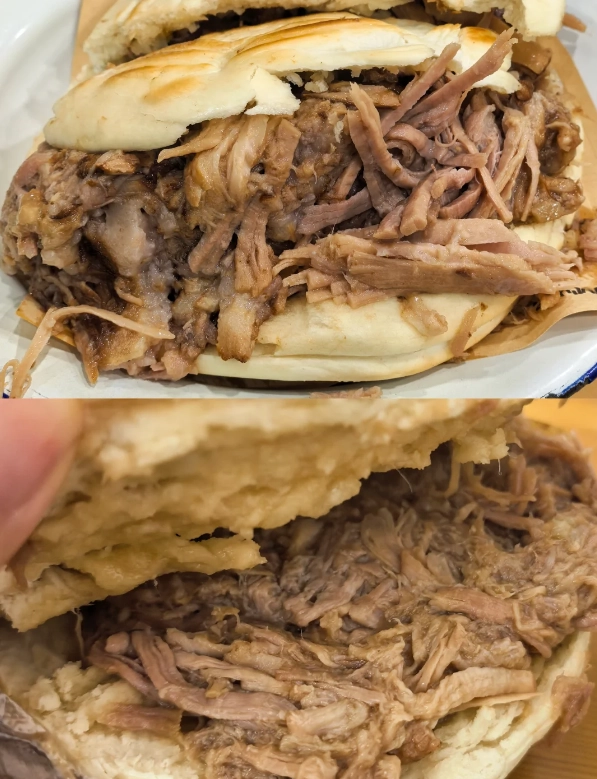
Turn onto Sajinqiao Alley. The noise dims. Here, you'll find specialists. One shop only makes Bing Feng (a sweet, sticky rice cake with dates and nuts). Another specializes in Zenggao (steamed glutinous rice cake). The pace is slower. You can point, smile, and get something made fresh for you.
On Dapiyuan, it's more about savory eats. I followed a local who was carrying a steaming bag away from a storefront with a perpetual line. It was Jiasan Guan Tang Bao—a soup dumpling specific to Xi'an, bigger than Shanghai's, with a rich, clear broth inside a thicker, leavened wrapper. Dipped in a vinegar and chili oil blend, it was a messy, glorious discovery. About $4 USD (¥28) for a steamer of ten.
Heads up on hygiene: The Muslim Quarter is generally safe. Watch for stalls where the cooking is happening at high heat right in front of you. Avoid pre-cut fruit sitting in the open air. Stick to bottled water. The bathrooms in the quarter are... basic. Use the facilities at a cafe or restaurant before you start your food crawl.
Practical Survival Tips for Eating in Xi'an
How to Order Without a Menu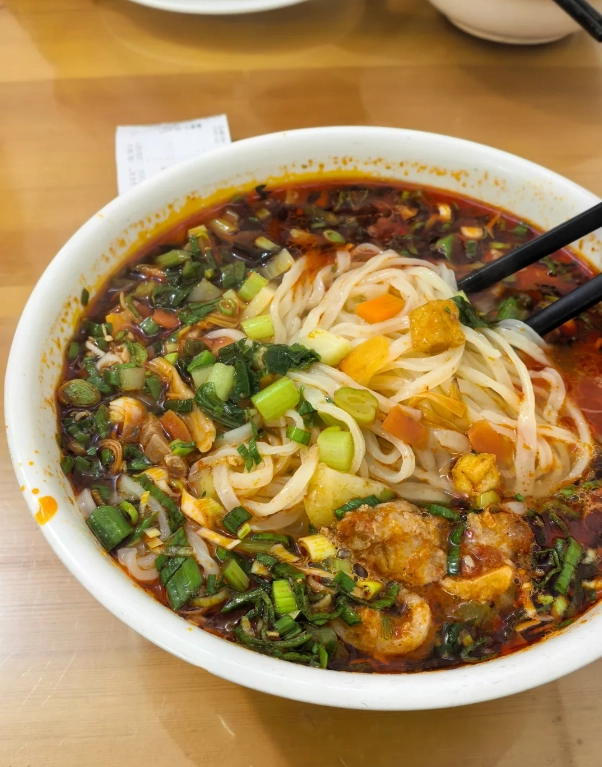
Many of the best places have a menu only in Chinese, or just a list on the wall.
- Pointing is a universal language. See something that looks good on someone else's table? Walk over, smile, and point at it. Most people are proud and happy to share.
- Learn the pinyin names from the table above. Saying “Roujiamo, yi ge” (one meat burger) works.
- Use translation apps like Pleco (camera function) or Google Translate to scan wall menus.
Paying: Cash is Still King (Especially for Small Stalls)
While WeChat Pay and Alipay dominate, small street vendors and older shop owners often prefer cash, or their QR code system might not work smoothly with foreign cards. Always carry a mix of small bills (¥5, ¥10, ¥20). For sit-down restaurants, digital payment is almost always fine.
Navigating Spice Levels
Shaanxi food isn't about the mouth-numbing Sichuan peppercorn. It's about dry chili heat and cumin. If you're sensitive:
- Say “bu yao la jiao” (don't want chili) or “wei la” (a little spicy).
- Chili oil and paste are usually on the table, so you can control the heat yourself.
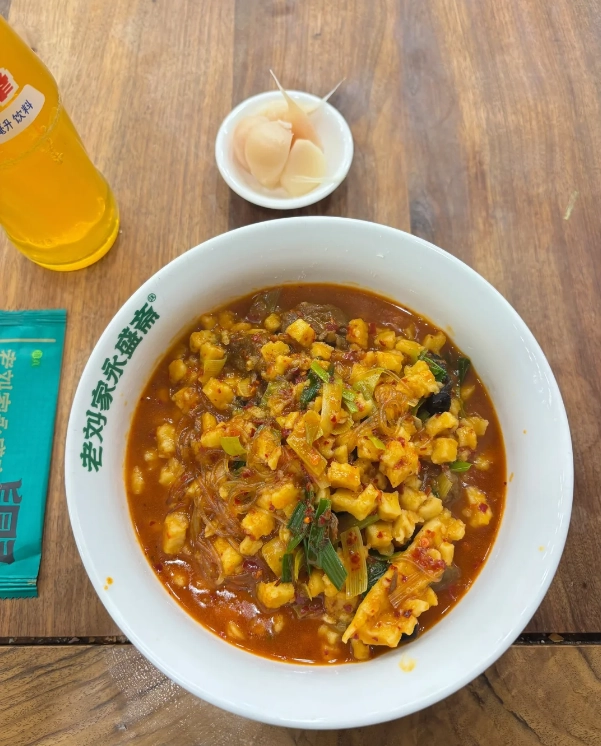
My Non-Consensus Opinion: Don't waste your stomach space on the pomegranate juice sold everywhere in the Muslim Quarter. It's often watered down or from concentrate. If you see a vendor actually pressing fresh pomegranates, that's the one. Otherwise, stick to bottled water or the local Junge yogurt drink, which is great for settling your stomach.
Your Questions, Answered (FAQ)
Is the street food safe for foreigners? I'm worried about getting sick.
What if I'm vegetarian or have dietary restrictions?
How do I handle not knowing how to use chopsticks well?
 Can I drink the tap water in Xi'an?
What's the best time to explore the food streets to avoid the biggest crowds?
The Xi'an City Wall is a monument you observe. The food around it is a culture you participate in. It's loud, messy, spicy, and incredibly rewarding. Come hungry, be curious, point at what looks good, and don't be afraid to get a little sauce on your chin. That's how you'll find your own unforgettable moment in the shadow of the ancient stones.
This guide is based on repeated personal visits and local recommendations. Details like specific stall locations and prices are subject to change, but the core principles of where and how to find authentic food remain constant.





I stumbled into a tiny dumpling shop near the Hanguang Gate at 9pm out of desperation. Best mistake ever. The pork and chive dumplings were hand-folded, pan-fried to crispy perfection, and served with a vinegar dip that tasted like home. The owner even gave me a free bowl of broth. A total gem.
We took our kids to a restaurant right across from the North Gate entrance. The cold noodles were decent and the service was fast, but the portions were smaller than expected for the price. A bit of a tourist trap vibe. Fine for a quick lunch, but nothing memorable.
Discovered a hidden skewer alley off the West Gate that nobody talks about. The grilled lamb fat with cumin and salt? Mind-blowing. The guy running it barely speaks English but kept refilling my tea. Felt like a local secret. I'm still dreaming about those skewers.
Grabbed a lamb paomo at a joint just inside the East Gate. The broth was rich but the bread soaking took forever, and the place was way too cramped. Honestly, for the hype, I expected more. Not bad, but I wouldn't queue again—there are better choices a block away.
Hands down the best spot I found near the South Gate. The little stall run by a grandma selling biangbiang noodles was incredible—freshly pulled, chewy, and drenched in a fiery chili oil that woke up every taste bud. I sat on a tiny plastic stool watching the城墙 lit up at dusk. A perfect 10/10 street food moment.
Stumbled into a hole-in-the-wall dumpling place two blocks north of the North Gate. The owner only speaks Chinese but was so patient with my hand gestures. Handmade dumplings with chive and egg — juicy, thin-skinned, and the vinegar dip had a hint of chili oil. Cozy atmosphere with locals chatting. A real find.
I tried the 'special' fried rice at a restaurant near the South Gate that had 4.5 stars online. Honestly, it was just okay — the rice was a bit dry and the portion smaller than expected. The service was friendly though, and the view of the wall from the window was nice. For 38 yuan, I'd skip it next time.
Had an incredible breakfast of jianbing and hot soy milk at a street cart right across from the East Gate. The lady poured a thin layer of batter, cracked an egg, and sprinkled sesame — all in under two minutes. Total cost? 8 yuan. No fancy decor, just pure street food magic. 5 stars for authenticity and value.
Went to the famous Muslim Quarter spot everyone raves about near the West Gate. The biangbiang noodles were good — wide and springy — but the queue was brutal (45 min under the sun) and the seating is literally plastic stools on the street. For the hype, I expected more. Still a solid 4 if you have patience.
Grabbed a lamb paomo at a tiny shop just south of the South Gate — the broth was rich, the bread perfectly chewy, and they even showed me how to crumble it properly. The owner smiled when I asked for extra cilantro. Hands down the best meal I’ve had in Xi’an. If you only try one thing near the wall, make it this.
Discovered a place just outside the West Gate that serves hulatang paomo – the soup was rich and flavorful, with bits of tripe and bread soaking up all the goodness. The owner even came out to explain how the dish is made and its history. Such a memorable meal, and the view of the wall from the window was the cherry on top. 10/10 would go again.
Went with the kids to a dumpling place near the West Gate recommended by a local. The dumplings were tasty, especially the lamb ones, but we waited almost 40 minutes for our order. The prices were a bit steep for the portion size too. Kids were cranky by the time food arrived. Not the best family experience.
Rented a bike and cycled along the wall, stumbled upon a street vendor selling jing gao (steamed rice cake). The owner was super friendly, let me try a piece before buying. It was sweet but not cloying, soft and warm. Only 5 yuan! A great little snack break mid-ride.
Wanted to try biangbiang noodles near the East Gate, and while the noodles themselves were chewy and decent, the service was pretty indifferent and the place felt a bit grimy. Not the authentic vibe I was hoping for. Okay for a quick bite if you're already there, but I wouldn't go out of my way.
Hands down the best roujiamo I've ever had! Found this tiny hole-in-the-wall near the South Gate of the city wall called Lao Li's. The bread was flaky and hot, the pork literally melted in my mouth, and pairing it with a cold Bingfeng soda was just perfect. If you're near the wall, don't miss this spot.