 Bo Wu
Bo Wu
Your Quick Guide to Navigating This Article
Let me cut to the chase. After guiding hundreds of visitors through Beijing's Summer Palace over the years, I've seen the same wonder in their eyes when they first lay eyes on Kunming Lake. But what truly sets this place apart? It's not just another imperial garden; it's a masterpiece of landscape design that tells a story of power, escape, and artistic genius. In this guide, I'll share the secrets that most tourists never discover, from the hidden corners where you can find peace to the practical tricks that save you time and money. Trust me, by the end, you'll know exactly why this UNESCO World Heritage site is a must-visit.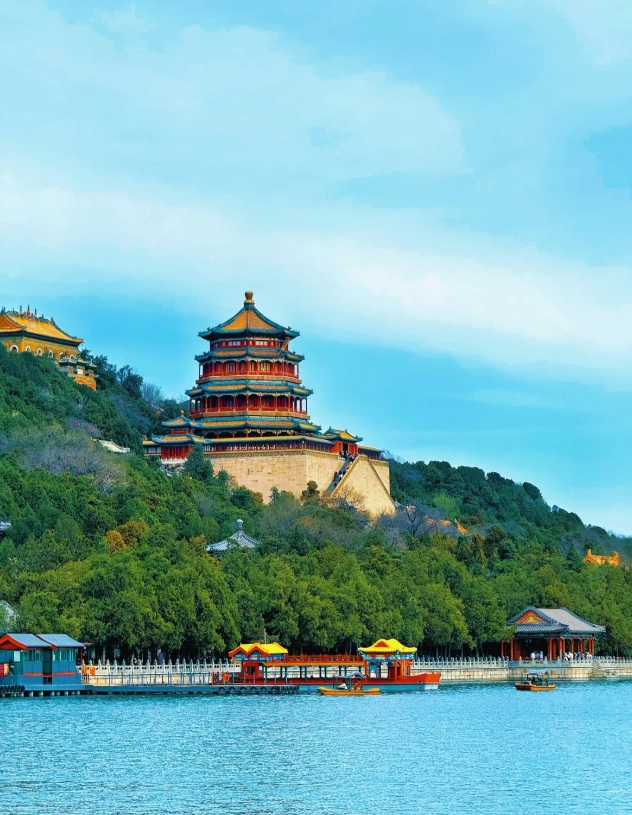
The Historical Heart: Why It Was Built
Most guides will tell you the Summer Palace was a retreat for emperors. True, but there's more. It was originally built during the Jin Dynasty, but the version you see today is largely from the Qing Dynasty, under Empress Dowager Cixi. She used funds meant for the navy to reconstruct it after it was destroyed. I always point this out to my groups—it shows how personal this place was to her. She wanted a paradise away from the formal Forbidden City, a place to relax and entertain.
When you walk in, think of it as her private playground. The layout mimics the West Lake in Hangzhou, but on a grander scale. It's a symbol of imperial luxury, but also of political maneuvering. That's what makes it special: it's history you can feel under your feet. The palace wasn't just for show; it was a functional escape where decisions were made away from court pressures. I've stood on the Marble Boat and imagined Cixi hosting parties here, all while the empire faced challenges. That blend of leisure and power is unique.
Architectural Marvels You Can't Miss
Don't just wander aimlessly. Focus on these spots, or you'll miss the essence. The Summer Palace covers 2.9 square kilometers, so prioritization is key.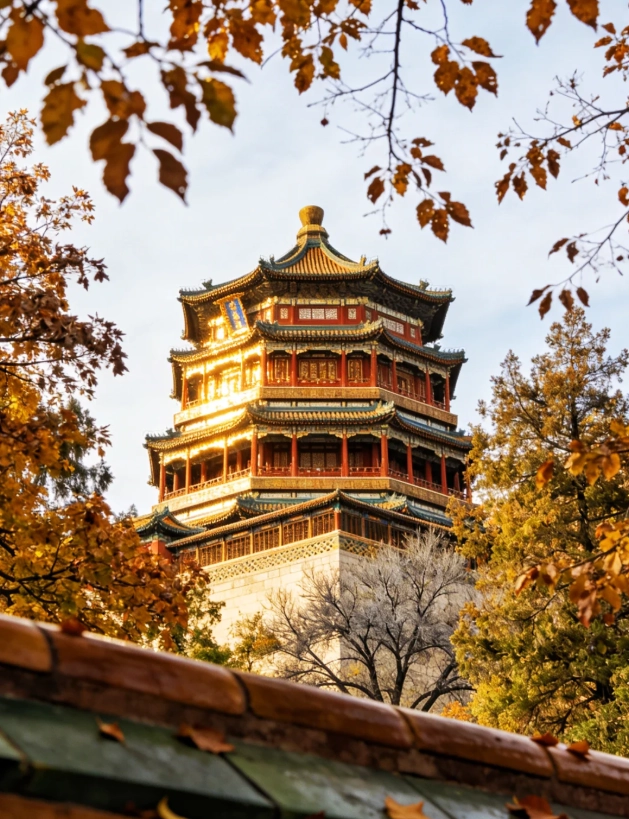
The Long Corridor (Changlang)
This painted corridor stretches over 700 meters along the lake. Every beam has a unique painting—over 14,000 of them! Most tourists rush through, but I advise slowing down. Look for the stories: myths, historical scenes, and flowers. It's like an open-air art gallery. Pro tip: the best light for photos is in the morning, before 10 AM, when the sun hits the paintings just right. Afternoon brings harsh shadows. I once spent an hour here with a family from the UK, pointing out the subtle details they'd have missed otherwise.
Foxiang Pavilion (Buddhist Incense Pavilion)
Perched on Longevity Hill, this is the centerpiece. Climb the steps—yes, it's a workout, but worth it. The view from the top is breathtaking. You can see the entire lake and the distant city skyline. I've seen visitors skip it due to the climb, but trust me, it's the heart of the palace. Entrance to the pavilion itself might require a separate ticket (around 10 CNY), but it's included in some combo passes. Go late afternoon for softer light; the golden hour makes the glazed tiles glow.
Marble Boat
This stone boat by the lake is iconic. It symbolizes the stability of the Qing Dynasty, but ironically, it was funded by navy money. It's a great photo spot, but go early or late to avoid the crowds. After 3 PM, it gets packed with tour groups. I remember a client who insisted on a midday visit—we ended up waiting 20 minutes just for a clear shot. Lesson learned.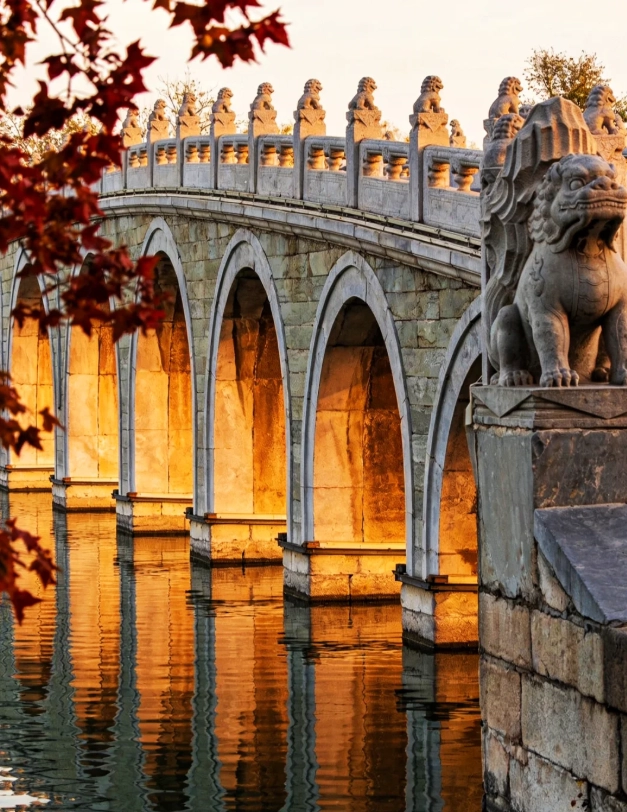
Here's a quick table to summarize key spots with practical details:
| Attraction | What to Look For | Best Time to Visit | Estimated Time Needed |
|---|---|---|---|
| Long Corridor | Painted beams, stories, lake views | Morning (8-10 AM) | 30-45 minutes |
| Foxiang Pavilion | Panoramic views, architecture, climb | Late afternoon (4-6 PM) | 1 hour including climb |
| Marble Boat | Historical symbolism, photos, lake edge | Early morning or weekday | 15-20 minutes |
| Kunming Lake | Boat rides, reflections, walking paths | Midday for calm water | 1-2 hours for boat ride |
| Suzhou Street | Water town replica, shops, architecture | Early morning to avoid crowds | 30 minutes |
How to Get There Without the Hassle
Location: Summer Palace, No.19 Xinjian Gongmen Road, Haidian District, Beijing. Sounds straightforward, but the transport details matter. I've seen too many visitors get lost or waste time.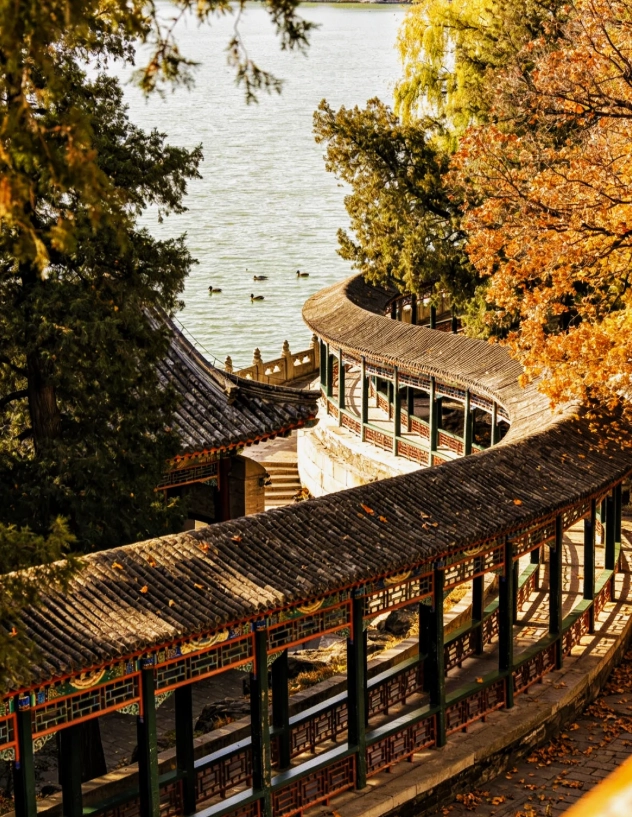
By Metro: Take Line 4 to Beigongmen Station. Exit A. Once you're out, turn left and walk about 500 meters—you'll smell the lake before you see it (seriously, there's a distinct freshness). The entrance is on your right. This is the North Palace Gate, which I prefer because it's less crowded than the East Gate. The walk is flat and easy, with vendors selling snacks along the way. If you're coming from downtown, like from Tiananmen Square, it's about a 40-minute metro ride.
By Bus: Several buses stop nearby, like 303, 331, 332. But for first-timers, metro is easier. If you take a bus, get off at "Summer Palace" stop and follow the signs. Buses can be slow due to traffic, especially during rush hour (7-9 AM, 5-7 PM).
By Taxi or Ride-hailing: Tell the driver "Yiheyuan" (Summer Palace's Chinese name). Specify "Beigongmen" if you want the north gate. From central Beijing, it takes about 30-60 minutes depending on traffic. Cost: around 50-100 CNY. A little hack: use Didi (China's Uber) and set the destination as "Summer Palace North Gate" to avoid confusion.
Parking: If you drive, there's parking near the gates, but it fills up fast by 9 AM. Not recommended unless you're with a group. Parking fee is about 10 CNY per hour.
Insider Tips for Beating the Crowds
Here's where my experience pays off. Most blogs say go early, but let me refine that. The Summer Palace gets over 10 million visitors a year, so timing is everything.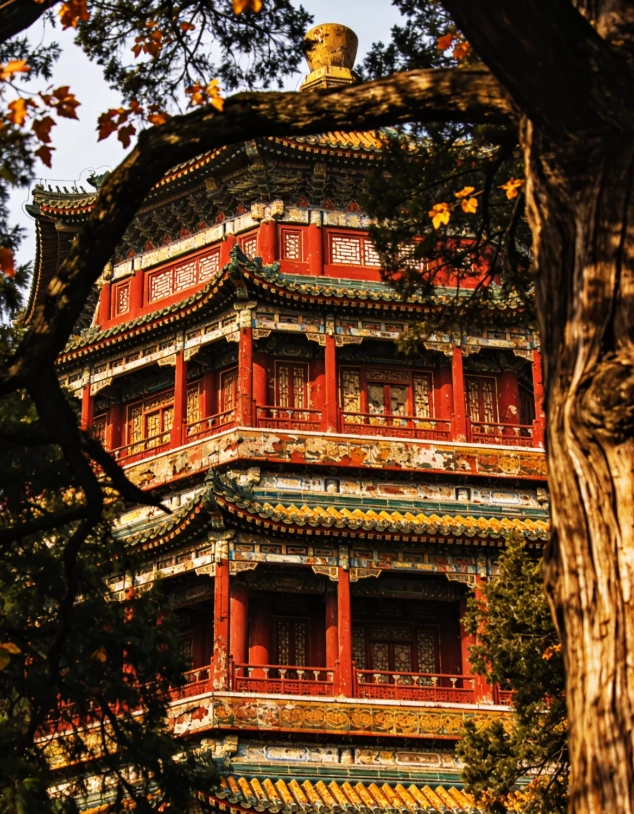
Arrive at 7:30 AM if you visit in peak season (April-October). The gates open at 6:30 AM, but by 8 AM, the tour buses roll in. I once took a family from Australia who arrived at 7 AM, and we had the Long Corridor almost to ourselves for an hour. In contrast, another group came at 10 AM and spent half their time navigating through crowds.
Avoid weekends and Chinese public holidays. If you must go on a weekend, aim for Sunday afternoon—many locals leave by then. Weekdays are always better. I've noticed Tuesday and Wednesday tend to be the quietest.
Buy tickets online in advance. The official WeChat account (search "Summer Palace") or sites like Ctrip offer e-tickets. You scan the QR code at the gate, skipping the long lines at the ticket office. Speaking of which, the ticket office near the north gate has shorter queues than the east gate. Ticket prices: Adult: 30 CNY (off-peak Nov-Mar), 60 CNY (peak Apr-Oct). Children under 1.2m: free. Seniors over 60 with ID: 50% discount. Combo tickets including entrance to all areas are around 80-100 CNY. Is it worth it? If you plan to see everything, yes. But if you're short on time, the basic entrance is enough for the main sights.
Wear comfortable shoes. The palace covers 2.9 square kilometers, and the paths are uneven stone. I've seen people in heels struggling on the slopes near Longevity Hill. Also, bring water—sellers inside charge double the outside price. There are drinking fountains near restrooms, but they're not always obvious.
Use the restrooms strategically. The ones near the main entrances are busiest. Head to the facilities near the back lake or Suzhou Street for shorter lines. A small thing, but it saves time.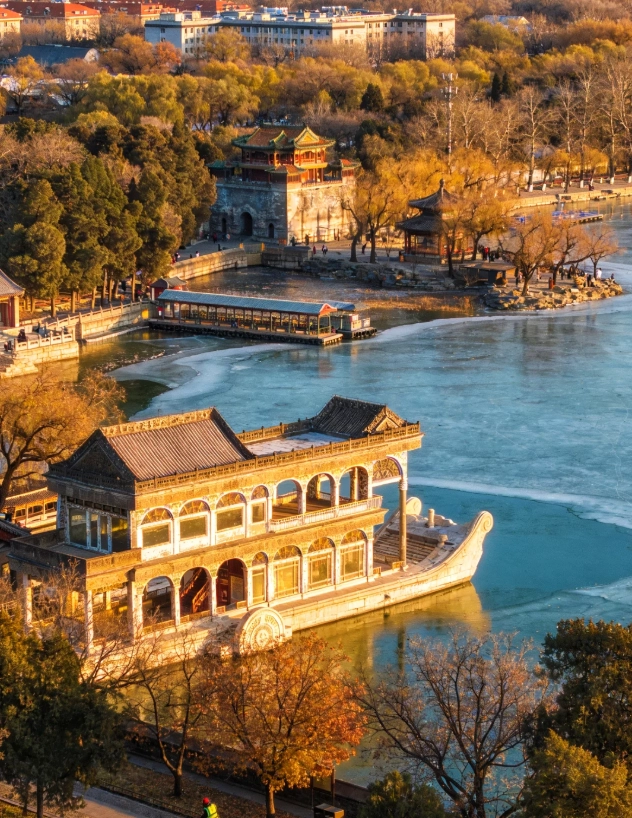
What Most Tourists Miss: Hidden Gems
Beyond the main path, there are quiet spots most rush past. These are where the palace's true charm shines.
Suzhou Street: A replica of a Jiangnan water town, built for the emperor's entertainment. It's behind the north gate area. Many skip it because it looks commercial, but early in the morning, it's serene. The shops sell souvenirs, but the architecture is charming. I often take my groups here to explain how the imperial family simulated southern China's culture. Entry might require a separate ticket (included in combo), but it's worth a peek if you have time.
The Garden of Harmonious Interests: Tucked away near the east gate, this small garden is a mini version of the classic Chinese garden. It's less crowded, perfect for a break. I often take my groups here for a quiet moment—the pond with koi fish is therapeutic. It's easy to miss; look for the signposted path just past the Marble Boat area.
The Back Lake Area: Most visitors stick to the front lake (Kunming Lake). The back lake is quieter, with walking paths and fewer people. It's ideal for a stroll if you want to escape the noise. I've walked here with clients who needed a breather from the crowds; we spotted locals fishing and even some wildlife. It feels more like a local park than a tourist site.
The Seventeen-Arch Bridge: Not exactly hidden, but many don't walk its full length. The bridge leads to Nanhu Island, and the views are stunning. Go at sunset for a magical photo op. It's less crowded than the main corridors.
These spots show the palace's diversity—it's not just a lake and a hill. They offer a glimpse into the design philosophy: creating micro-worlds within a grand landscape.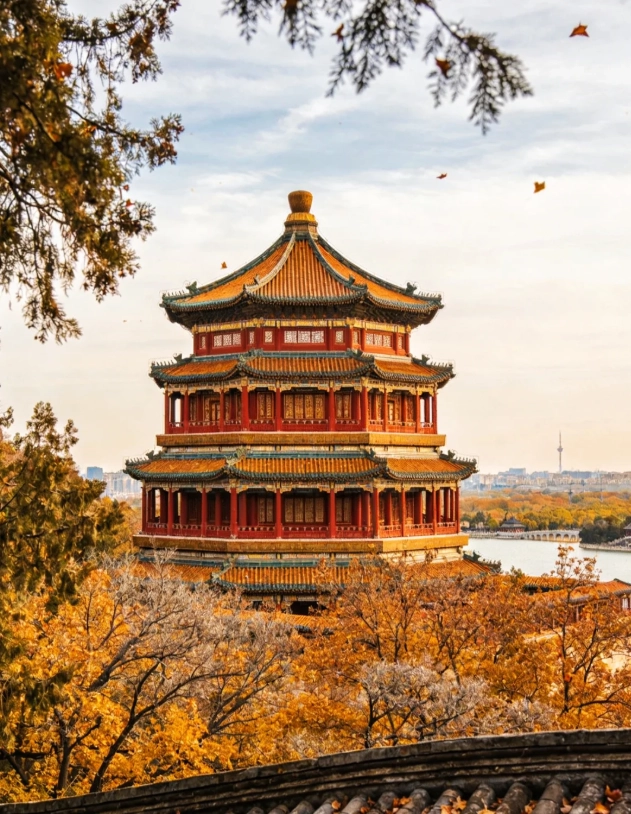
Planning Your Perfect Day: A Sample Itinerary
Let's say you have one day. Here's how I'd structure it for maximum impact, based on my tours. Adjust based on your energy and interests.
Morning (8 AM - 12 PM): Enter from Beigongmen (North Gate). Head straight to Suzhou Street if it's open (check hours, usually 8:30 AM-5 PM), then walk to the Long Corridor. Take your time here—admire the paintings. Climb up to Foxiang Pavilion before 10 AM to avoid the heat. Enjoy the view. On the way down, visit the Temple of Buddhist Virtue for a quick look. This sequence avoids backtracking.
Lunch (12 PM - 1 PM): There are cafes inside, like the one near the Marble Boat, but I recommend bringing a picnic. Find a spot by the lake near the Marble Boat. Or, exit briefly to the nearby restaurants—there's a decent noodle place just outside the east gate called "Lao Beijing Noodle House" (approx. 30 CNY per person). If you stay inside, expect to pay 50-80 CNY for a simple meal.
Afternoon (1 PM - 5 PM): Take a boat ride on Kunming Lake. The boats run from several piers; cost is about 30-50 CNY per person for a 15-20 minute ride. It gives a different perspective. Then, explore the Garden of Harmonious Interests and the back lake area. If you're tired, rent a bike near the east gate—yes, bikes are allowed in some parts for around 20 CNY per hour. End with a walk across the Seventeen-Arch Bridge to Nanhu Island.
Evening: The palace closes around 6 PM in peak season (5 PM in off-peak). On your way out, catch the sunset from the west causeway. It's magical. I've seen couples propose here because of the ambiance.
If you only have half a day, focus on the Long Corridor, Foxiang Pavilion, and a quick boat ride. Skip the peripheral areas. Enter from the north gate, do the corridor and pavilion, then take a boat from the nearby pier back to the north gate area. That covers the highlights in 3-4 hours.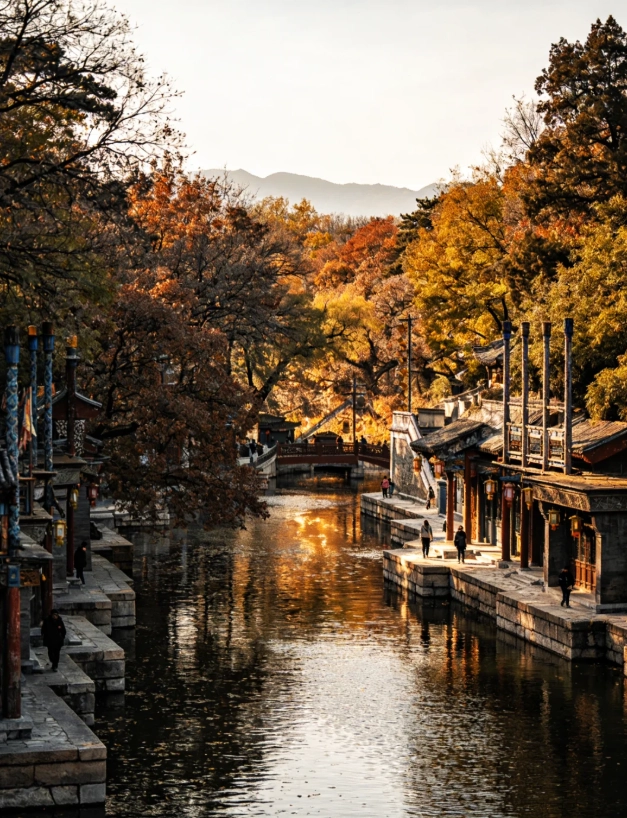
FAQ: Your Burning Questions Answered
This article has been fact-checked based on my personal visits and up-to-date information from sources like the official China Cultural Heritage Administration guide to this site. Remember, the Summer Palace isn't just a site; it's an experience. Plan well, and you'll see why it's so special. If you have more questions, feel free to reach out—I'm always happy to help fellow travelers. Now go enjoy that lake view!





Took my two kids (ages 8 and 11) and they loved the rowboats on the lake — biggest highlight for them. The grounds are enormous, so be prepared for a lot of walking; we didn’t even make it to the back hill. The restrooms were clean enough, but finding a bench to rest was tricky during midday. Overall a solid family outing, just pace yourselves.
Pro tip: come around 4pm and stay until the gates close. The golden hour light bouncing off the lake and the Seventeen-Arch Bridge is unreal. I had the whole east causeway almost to myself while everyone else was shuffling toward the exit. It felt like I stepped into a Chinese ink painting. This alone made the trip to Beijing unforgettable.
Maybe I hyped it up too much in my head, but I left feeling a bit let down. It was absolutely packed even on a Tuesday, and half the hallways were blocked off for renovation. You couldn’t really get a clean photo or enjoy the quiet atmosphere. The lake is nice, but for the price and crowd level, I’d rather go to the nearby parks for free.
Gorgeous grounds and interesting history, no doubt. The marble boat and the hilltop temple are must-sees. But honestly, the entrance fee felt a bit steep for what’s essentially a big park, and the food stalls inside were overpriced and mediocre. Still, you can easily spend half a day here soaking in the views — just bring your own snacks.
I visited at 7am before the crowds showed up, and it was pure magic. The mist was rising off Kunming Lake, and the Long Corridor was completely empty — I could hear my own footsteps. The painted ceilings are even more stunning in person. If you want that postcard view without a hundred selfie sticks, go early. Absolutely worth the jet lag.