 Bo Wu
Bo Wu
You’re planning your Beijing trip, staring at a map, and that question pops up. How long do you really need at Beihai Park? The honest answer is: it depends entirely on you. I’ve been guiding tours here for over a decade, and I’ve seen every type of visitor—from the marathon runner ticking off landmarks to the painter who spends three hours sketching a single pavilion.
Most generic guides will tell you “2-3 hours,” which is useless. That’s like saying a meal takes “2-3 bites.” Are you a history buff? A photographer chasing the perfect light? A parent with tired kids? Your ideal time shifts dramatically.
So, let’s cut the vague advice. I’ll give you concrete, step-by-step itineraries based on real-world experience. You’ll know exactly what you can see, how to route yourself, and where most visitors waste precious minutes. By the end, you’ll be able to confidently slot Beihai Park into your day.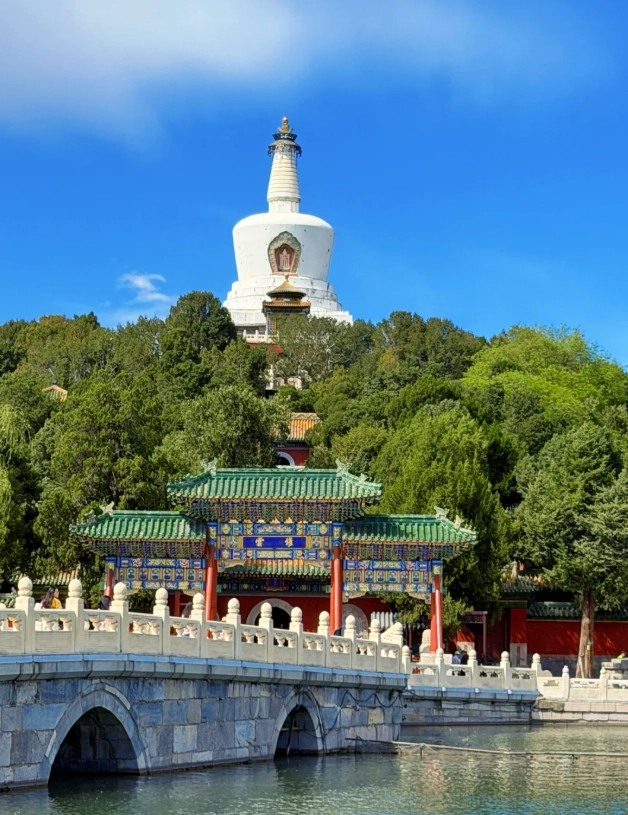
Your Quick Navigation Guide
Why Your Visit Time Varies: The Key Factors
Before we jump into timelines, understand what actually eats up your clock in Beihai. It’s not just size.
Crowds & The Hidden Queue
The biggest time-suck isn’t walking; it’s waiting to board the boat to Qionghua Island (home of the famous White Dagoba). Most blogs forget to mention this. On a sunny Saturday, that line can be 45 minutes of standing around. My pro tip? Go straight to the island first thing in the morning, or skip the boat entirely and walk around the lake’s north shore for different, crowd-free views. The island is lovely, but it’s not the whole park.
Your Fitness Level & The Hill
Beihai is deceptively hilly. Climbing up to the White Dagoba involves a decent number of stone steps. If you or someone in your group has mobility issues, factor in more time for a slower pace. The good news is, the lakeside paths are largely flat and paved.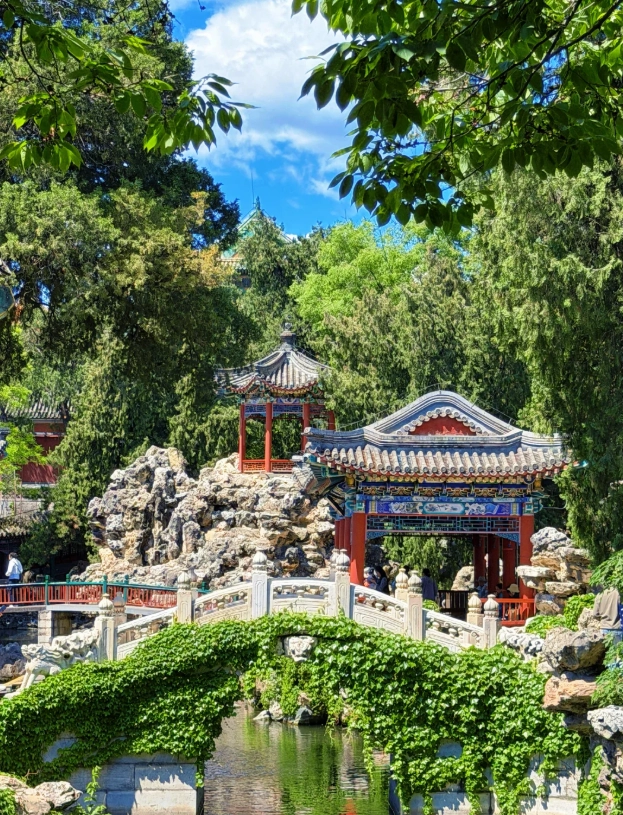
Photography vs. Pure Sightseeing
Are you content with a snapshot, or do you want the shot? The light over the lake changes beautifully. Mid-morning lights up the south side, while late afternoon casts a golden glow on the Nine-Dragon Screen. A photographer easily adds an extra hour just waiting for the right moment.
The 90-Minute Express Visit (The Power Walk)
You’re on a tight layover or have just a sliver of time between the Forbidden City and a hutong lunch. This is for you. The goal: one iconic photo and a feel for the imperial garden atmosphere.
The Route: Enter through the south gate (main gate, closest to the Forbidden City).
1. Head straight for the Round City (Tuancheng). Spend 15 minutes here. It’s a compact, walled-off area with a giant jade urn and an ancient pine tree. It has its own separate ticket (included in the联票/combo ticket) but is often quieter.
2. Exit Round City, cross the bridge, and you’re at the park’s main entrance. Buy your park ticket here.
3. Walk north along the eastern shore of the lake. You’ll get classic postcard views of the White Dagoba across the water.
4. Your destination is the Nine-Dragon Screen (Jiulong Bi). It’s a 5-minute walk from the main gate. This is one of only three nine-dragon screens from the Ming Dynasty in all of China. Spend 10 minutes here. It’s stunning, and you don’t need to go inside any building to see it.
5. From here, loop back towards the south gate. If you have a spare 5 minutes, peek into the Hao Pu Creek Garden area just west of the main path—it’s a mini-Jiangnan style garden most rush past.
What you’re skipping: Qionghua Island (the White Dagoba up close), all the northern garden complexes, boat rides.
Is it worth it? Honestly, yes. You see two unique, world-class sights without the fatigue. Last spring, I guided a family from Australia who only had this window. They left thrilled, got their killer photo at the screen, and weren’t rushed.
The 3-Hour Standard Visit (The Highlights Tour)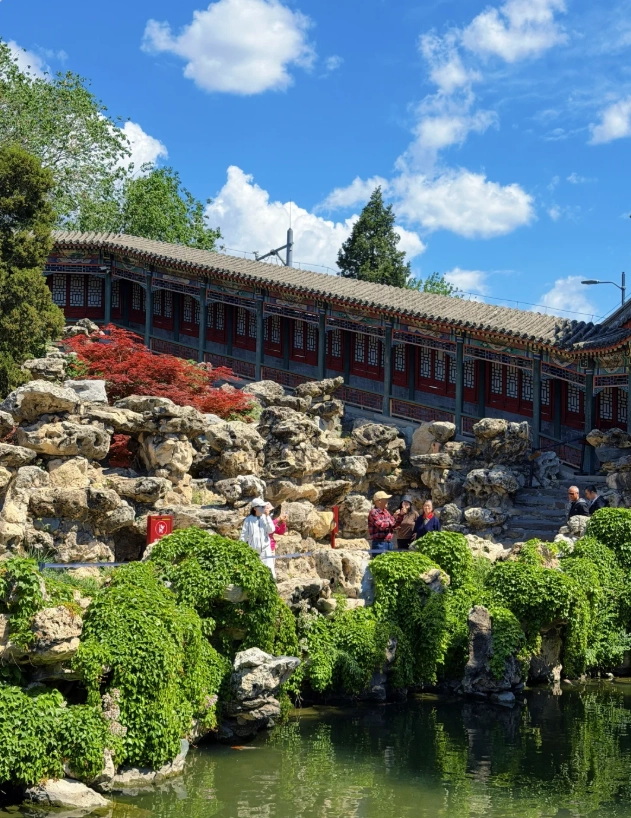
This is the sweet spot for most first-time visitors. You see the major icons without feeling like you’re in a military march.
The Strategy: Counter-clockwise loop. Avoid the midday boat queue.
The Step-by-Step:
First Hour: Enter from the south gate. Visit the Round City (20 min). Enter the main park. Instead of going left to the boat dock, turn right (northwest). Walk along the quieter western shore towards the Five-Dragon Pavilions. This area is serene, with locals dancing and singing. The pavilions jutting into the lake are perfect for a rest.
Second Hour: Continue north to the Nine-Dragon Screen (admire, 15 min). Then, enter the complex of Jingxin Studio (Tranquil Heart Studio). This is a garden-within-a-garden, a labyrinth of halls, rockeries, and ponds. It’s my favorite spot for its intricate design. Budget a solid 30-40 minutes here to get lost a little.
Third Hour: Now, head south down the eastern shore. Decide on the island. If the boat line looks short (under 15 min), take it over, climb up to the White Dagoba, and enjoy the panoramic view. If the line is long, skip it. The view of the island from the shore is the classic one anyway. Continue south, exit the park, and you’re done.
The 5-Hour Deep Dive (The Full Experience)
You love gardens, history, and leisurely exploration. You might even pack a picnic. This itinerary unlocks Beihai’s role as a former imperial retreat.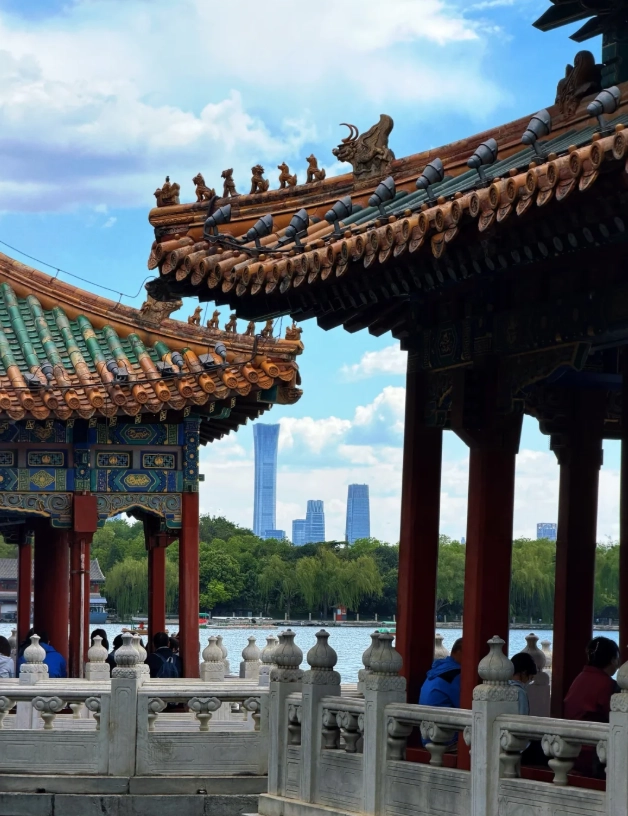
The Mindset: Wander, don’t just walk.
The Expanded Route: Follow the 3-hour plan, but add these layers:
1. Boat Ride with Purpose: Take the boat from the south dock to the north shore (not just the island). This saves your legs and gives a unique water-level perspective. Get off at the Beianmen landing.
2. Explore the Northern Quiet Zone: This area, called the “Quick Snow Hall” and “Iron Shadow Screen” complex, is often deserted. It feels like you have a private imperial garden. The rockery sculptures here are bizarre and fascinating. Spend a good hour here.
3. Climb the White Dagoba: From the north shore, walk up to Qionghua Island from the back. The climb is more gradual. Explore the temple halls around the dagoba. Most people just snap the pagoda and leave, but the surrounding corridors have beautiful architectural details.
4. Lunch Like a Local: Pack a simple picnic (fruit, sandwiches) and eat it on one of the lakeside benches. Alternatively, exit the north gate and walk 5 minutes into the hutongs for a local lunch. There’s a fantastic, no-frills noodle shop on Mianhua Hutong that my groups always love (look for the red sign and plastic stools).
5. Complete the Loop: Walk off your lunch by strolling down the eastern shore, visiting any smaller gardens you missed, like the Hao Pu Creek thoroughly.
This pace lets you appreciate why emperors spent days here. You notice the symbolism in the garden design—the rocks representing mountains, the lake representing seas.
Practical Info: Tickets, Hours & Getting There
None of your planning works if you get the basics wrong. Here’s the no-nonsense data.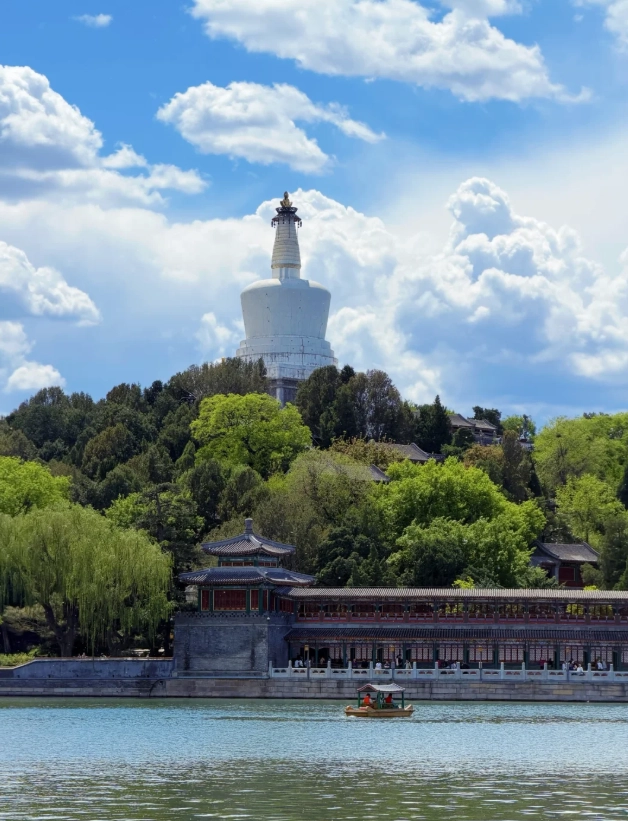
| Item | Details | Guide’s Note |
|---|---|---|
| Full Address | 1 Wenjin Street, Xicheng District, Beijing, China. | Tell your taxi driver “Beihai Gongyuan Nanmen” (South Gate). |
| Opening Hours | Park: 6:30 AM – 8:30 PM (Apr-Oct), 6:30 AM – 7:30 PM (Nov-Mar). Ticket Offices & Attractions: Close 1 hour before park closure. |
The early morning (7-9 AM) is magical. It’s full of locals exercising, and the light is soft. The park is technically open, but inner attractions may not be. |
| Ticket Prices | Park Entry Only: ¥10 (Apr-Oct), ¥5 (Nov-Mar). Combo Ticket (Park + Round City + Qionghua Island): ¥20 (Apr-Oct), ¥15 (Nov-Mar). Children under 1.2m: Free. Seniors (60+ with ID): Discounted. |
Buy the combo ticket. It’s worth the extra ¥10. You can pay by WeChat/Alipay or cash at the booth. Keep your ticket stub—you need it to enter the Round City and the island. |
| Boat Fee | ¥20 per person for a round-trip to Qionghua Island. ¥40 for a longer north-shore route. | Pay separately on the dock. Lines are shortest before 10:30 AM and after 4:00 PM. |
| Nearest Subway | Line 6: Shichahai Station. Take Exit A2. It’s a 10-minute walk west to the South Gate. You’ll pass under an old city wall gate—you’re on the right path. | This is the easiest way. Exit A2 puts you on the right side of the street. Avoid the chaos around Tiananmen Square stations. |
| Bus Routes | To South Gate: Bus 5, 101, 103, 109. Stop: “Beihai” or “Beihai Gongyuan”. To North Gate: Bus 13, 42, 107, 111. Stop: “Beihai Beimen”. |
Bus 5 is a classic double-decker that runs along Chang’an Avenue. A scenic approach if you’re not in a hurry. |
Your Beihai Park Questions, Answered
Is Beihai Park worth it if I only have 2 hours in Beijing?
If those two hours are between other nearby sights (Forbidden City, Jingshan Park), then absolutely. Do the 90-minute express plan. It gives you a concentrated dose of imperial garden beauty without the logistical headache of going across town. If your two hours require a long subway ride from elsewhere, skip it.
What’s the single biggest mistake visitors make with their timing?
Arriving at noon and heading straight for the boat dock. You waste your peak energy hours standing in a slow-moving queue under the sun. Either go to the island first thing, or save it for later and enjoy the shorelines first.
Can I combine Beihai Park with the Forbidden City in one day?
You can, but it’s a marathon. The Forbidden City itself demands 3-4 hours. My recommended combo: Forbidden City in the morning (enter at 8:30 AM), walk through Jingshan Park for the view (30 min), have lunch in a hutong, then do the 3-hour Beihai itinerary in the afternoon. It’s a heavy day—wear excellent walking shoes.
Is there a best time of day to visit for photos?
Hands down, late afternoon. The sun sets behind the western hills, bathing the White Dagoba and the lake in warm, side light. The Nine-Dragon Screen is also beautifully lit in the afternoon. Midday light is harsh and flat.
Are there food options inside, or should I bring my own?
There are small kiosks selling water, ice cream, and simple snacks (like sausages and instant noodles). The quality is what you’d expect from a park concession stand. I always advise bringing a refillable water bottle (there are water stations) and some nuts or fruit. For a real meal, exit the north gate into the local neighborhoods.
Is the park accessible for wheelchair users or strollers?
The main lakeside paths are paved and flat, suitable for wheelchairs and strollers. However, access to the White Dagoba on Qionghua Island involves many steep steps and is not accessible. The Round City has ramps. The Jingxin Studio complex has some steps and uneven pathways. The north garden area has more rocky, uneven paths. Plan your route accordingly—the southern and eastern lake perimeters are your best bet.
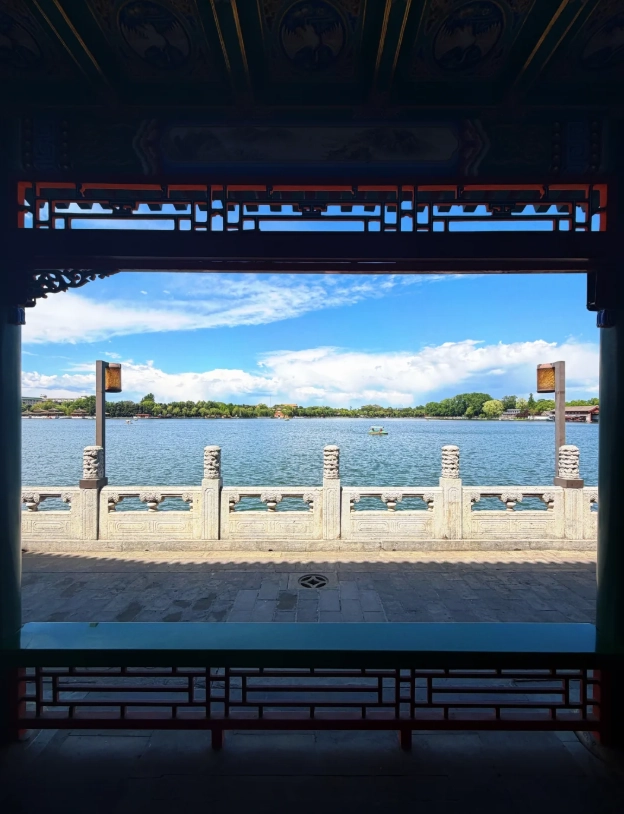 So, how long should you spend in Beihai Park? It’s not a mystery anymore. Match your time to your travel style using the plans above. Whether you sprint through for the dragon screen or linger until the evening lights come on, you’re walking in the footsteps of emperors. That’s the magic of the place.
This article is based on my extensive, on-the-ground experience guiding international visitors through Beijing's historic sites. All practical information has been fact-checked against official sources and recent visitor reports.





As someone who loves ancient architecture, the White Pagoda and the surrounding halls are genuinely impressive – the painted ceilings and bronze incense burners are top-notch. However, I wish there were more English descriptions on the plaques. I ended up googling a lot on my phone. The itinerary says 2-3 hours, but I needed nearly 4 to really soak it all in. Still a rewarding visit for history nerds.
Took my two kids (ages 6 and 9) and we absolutely loved it! They had a blast feeding the koi fish near the south gate and pedaling a swan boat on the lake. The itinerary's suggestion to spend extra time at the children's playground was right on – we easily filled 4 hours. Only small complaint: the ice cream stand ran out of matcha flavor by 2pm. Otherwise perfect day out!
Honestly, I was a bit let down. The park is huge and beautiful, but the signage is terrible – I kept getting lost trying to find the Nine-Dragon Screen. Also, several sections were under renovation and blocked off without any warning. The itinerary says 2-3 hours but I spent nearly 5 just wandering in circles. If they fixed the wayfinding, it'd be a much better experience.
Beautiful park overall, but I’d recommend going right when it opens. By 10am the paths around the lake were packed with tour groups, and the queue for the ferry was almost 40 minutes. The scenery is stunning – especially the reflection of the pagoda on the water – but the ticket price felt a bit steep for what you get if you don't go inside all the paid temples. Still a solid 4 stars from me.
I followed this itinerary last weekend and it was spot on! The 3-4 hour suggestion gave us plenty of time to stroll along the lake, climb to the White Pagoda for that iconic view, and even take a rowboat out. The willow trees rustling in the breeze and the elderly locals practicing tai chi made it feel authentic. Absolutely worth it – don't miss the fried tofu snacks near the east gate!