 Bo Wu
Bo Wu
Look, I get asked this question at least twice a week. I’m standing there with a new group, maybe a family from Australia or a couple from Germany, and we’re mapping out their Beijing days. Someone always points to their guidebook or phone and asks, “So, what about this Nanluoguxiang place? Is it just a tourist trap?”
My answer is never a simple yes or no. After a decade of guiding folks through Beijing’s backstreets, I’ve seen the good, the bad, and the overpriced souvenirs of Nanluoguxiang. The truth is, yes, it is absolutely worth visiting, but only if you know how to do it right. Go in blind, and you’ll leave thinking it’s just another crowded shopping street. Go with a bit of local insight, and you’ll discover one of the most accessible and fascinating slices of old Beijing life.
Let me be your guide. I’ll walk you through what makes it special, what to absolutely avoid, and how to peel back the touristy layer to find the real charm hiding in its side alleys.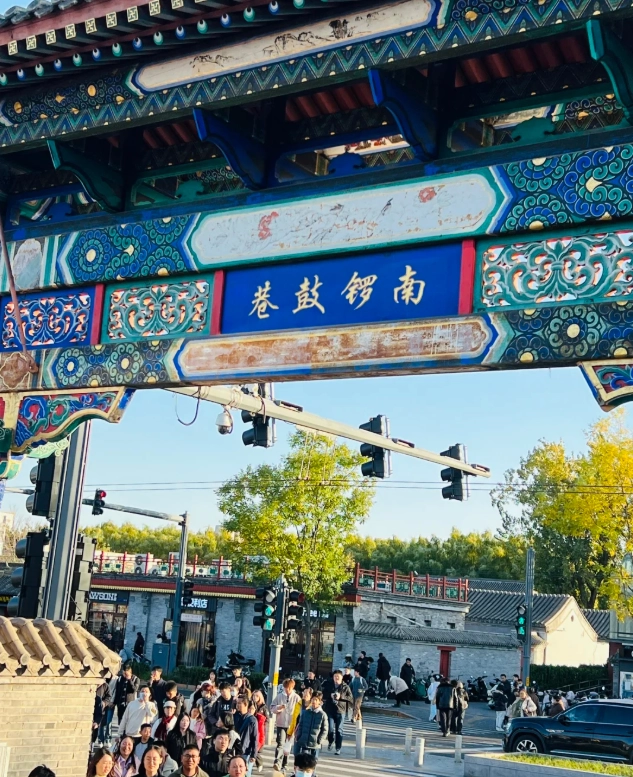
Your Quick Guide to This Article
The Short Answer: Pros and Cons
Let’s cut to the chase. Here’s my honest, on-the-ground breakdown.
The Good Stuff (Why You Should Go):
- Architecture & History: It’s a perfectly preserved hutong (ancient alleyway) from the Yuan Dynasty (1271-1368). The main street is flanked by eight symmetric alleys on each side, shaped like a centipede—that’s what “Nanluoguxiang” means. You’re walking on 700-year-old urban planning.
- Accessibility: It’s free to enter, open 24/7, and incredibly easy to get to via subway. For a first-time visitor with limited time, it’s the most straightforward “hutong experience” you can get.
- Vibes & People-Watching: The energy is contagious. It’s a mash-up of old Beijing locals going about their day and young, creative entrepreneurs opening design shops and cafes. The people-watching is top-tier.
- Food Sampling: You can graze on a wild variety of snacks, from classic Beijing yogurt in ceramic jars to modern fusion treats. It’s a food safari.
The Not-So-Good Stuff (What You Need to Know):
- Crowds: It gets packed, especially on weekends and holidays. Shoulder-to-shoulder packed. If you hate crowds, this will test your patience.
- Commercialization: The main strip is 100% geared towards tourism. You’ll see the same “I ♥ BJ” t-shirts, jade trinkets, and panda hats you can find anywhere else.
- Prices: Snacks and drinks on the main street are marked up. That yogurt will cost you double what it does in a local supermarket.
- “Fake” Atmosphere: Some purists argue it’s lost its soul. While there’s truth there, the soul has just evolved—it’s not gone.
My verdict? It’s worth a visit, but treat the main street as a gateway, not the destination. Your real exploration starts when you turn off into those side alleys.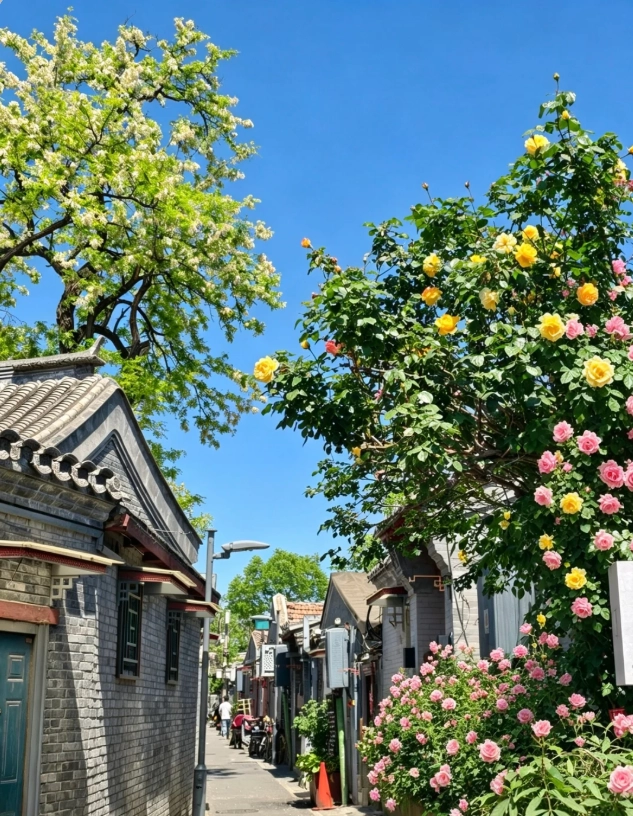
When to Go: Timing is Everything
This is the biggest mistake I see. Everyone shows up at 2 PM on a Saturday. Don’t be everyone.
- Best Time of Day: Weekday Morning (9 AM - 11 AM). The shops are just opening, the delivery bikes are still making rounds, and you can actually hear the birds in the trees. You’ll see elderly residents sitting outside their siheyuan (courtyard homes) chatting. This is the authentic calm before the storm.
- Good Alternative: Weekday Evening (After 8 PM). The large tourist groups have left for dinner shows. The main street is still lively with younger crowds heading to bars and music houses, but it’s more manageable. The lights are beautiful.
- Time to Absolutely Avoid: Saturday & Sunday Afternoon (12 PM - 6 PM). Just don’t. It’s a human traffic jam. You won’t see the alley, you’ll see the back of someone’s head.
- Seasonal Tip: Autumn (September-October) is magical. The light is golden, the air is crisp, and the crowds thin out a bit after the summer rush. Summer is hot and sweaty; winter is cold but has a stark, quiet beauty if you go early.
How to Get There: The Easy Way
Address: Nanluoguxiang, Dongcheng District, Beijing. It runs north-south between Gulou East Street and Di'anmen East Street.
Admission: Free. It’s a public street.
Opening Hours: Shops generally open from 10 AM to 10 PM, but you can walk the alley anytime.
By Subway (Recommended): This is the only way I ever tell my groups to go. Take Line 6 or Line 8 to Nanluoguxiang Station.
- From Line 6, take Exit E. Walk north for about 150 meters, and you’ll see the iconic archway at the southern entrance.
- From Line 8, take Exit F. You’ll pop out even closer to the southern arch.
Pro Tip: The station itself can get crowded. Follow the signs for “Nanluoguxiang” and just go with the flow.
By Taxi/Rideshare: You can say “Nanluoguxiang Nan Kou” (South Entrance) to the driver. Warning: Traffic on Gulou East Street is often terrible, especially on weekends. The subway is almost always faster.
What to See and Do: Beyond the Main Street
Okay, you’ve arrived. Now, forget the idea of walking straight up the main drag from south to north. Here’s my prescribed method for a rewarding visit.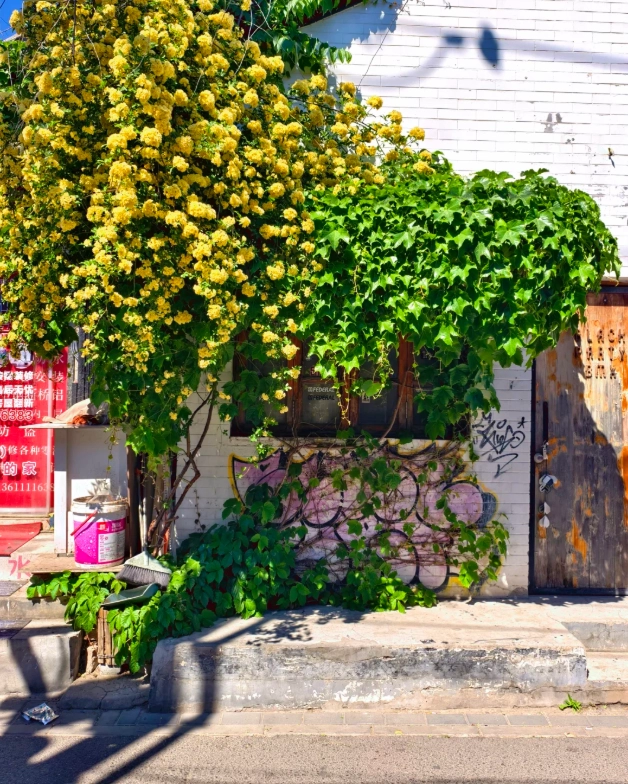
1. Start with a Bird's Eye View
Before you dive in, walk to the Bell and Drum Towers (Gulou), just west of the hutong’s northern end (about a 10-minute walk). Climb the Drum Tower (admission ~20 RMB). The view from the top is the perfect orientation—you can see the perfect, orderly layout of the centipede-shaped hutong below. It gives you perspective.
2. Enter and Immediately Explore the Side Alleys (Hutong)
This is the golden rule. The main street (Nanluoguxiang) is the spine. The real gems are in the ribs—the side alleys like Mao’er Hutong, Ju’er Hutong, and Dongmianhua Hutong.
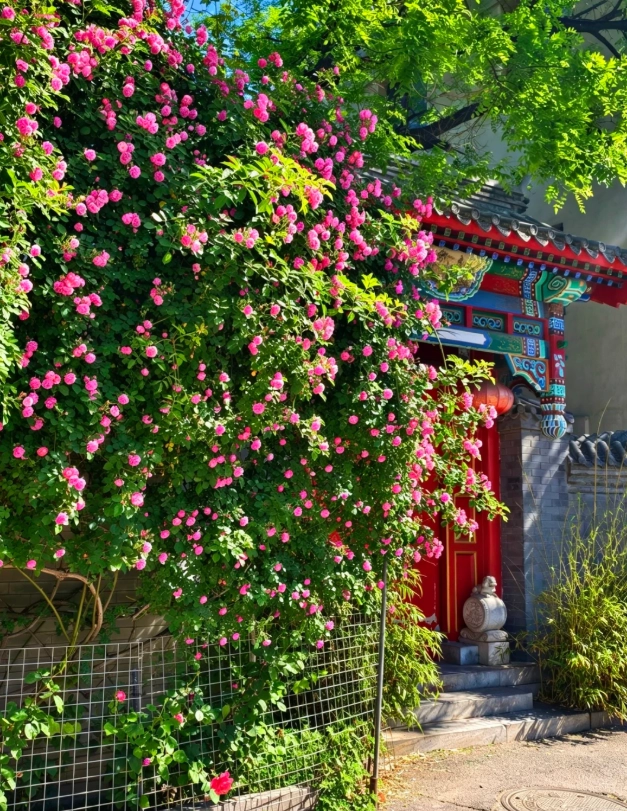
- What you’ll find: Quiet residential life. Kids playing, bikes leaning against grey brick walls, traditional courtyard gates with intricate stone carvings. Some courtyards have been transformed into boutique hotels or cafes, but the vibe is peaceful.
- My favorite: Mao’er Hutong. It’s one of the widest and was historically home to aristocrats and officials. Look for the old, ornate gateways.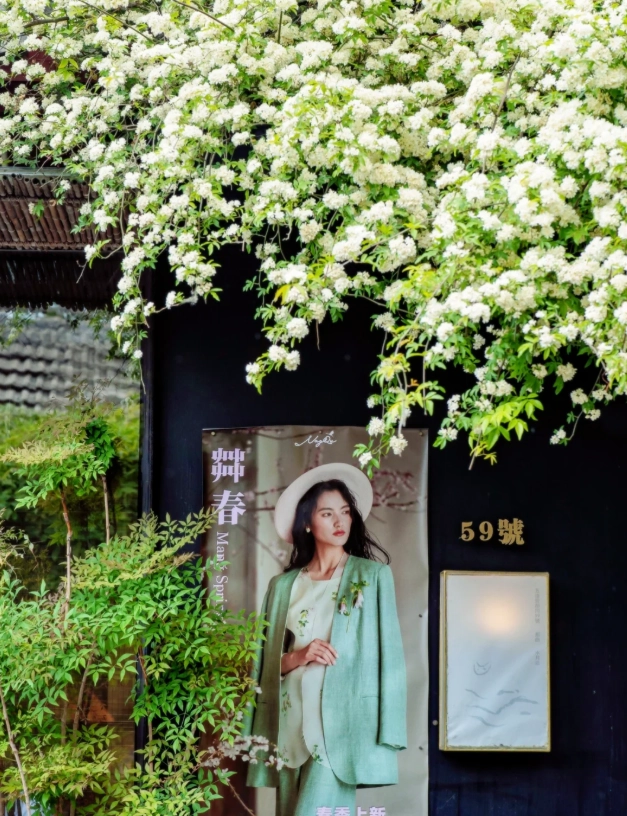
3. Strategic Snacking on the Main Street
Don’t eat a full meal here. Graze. Here are my personal, tried-and-true picks:
| What to Try | Where to Find It / Notes | My Tip |
|---|---|---|
| Wen Yu Cheese (Wenyu Nailao) | A legendary shop. Look for the long queue. They sell a sweet, creamy, pudding-like cheese drink. | Get the original flavor in the ceramic jar. It’s worth the wait. (~15 RMB). |
| Old Beijing Yogurt (Suannai) | Sold from glass-fronted fridges in many shops. It’s the yogurt in the white ceramic jars with a blue paper seal. | Drink it, then return the jar to the vendor for a 2-3 RMB deposit back. Don’t just walk off with it! |
| Jiang Jun Fried Chicken | A popular Taiwanese-style fried chicken cutlet stall. | It’s good, but huge. Share one with a friend. (~25 RMB). |
| Chuan Chuan Xiang (Skewers) | Various stalls selling spicy Sichuan-style boiled or fried skewers. | Point to what you want. They’ll charge by the stick. Good for a savory bite. |
4. Find a Quiet Courtyard Cafe
After the sensory overload, you need a break. Duck into one of the courtyard cafes. “At Cafe” on 炒豆胡同 (Chaodou Hutong) is a classic—a Japanese-run cafe in a beautiful renovated courtyard. Their hand-drip coffee is excellent. Sit in the courtyard, listen to the wind chimes, and watch the cats. This is the “hidden” Nanluoguxiang experience most day-trippers miss.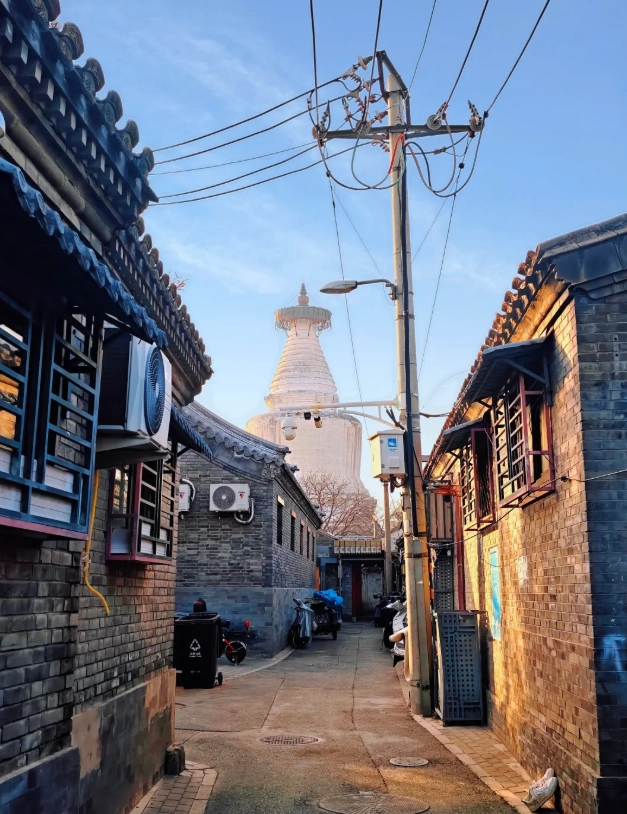
5. Shop for Design, Not Souvenirs
Skip the generic souvenir shops. Look for independent designer stores.
- Plastered T-shirts: Famous for their witty, Beijing-centric graphic tees (like a subway map design).
- Various ceramic or leather workshops: Small studios where you can see artists at work.
You’re paying for originality here, not mass production.
What to Avoid: The Tourist Traps
- The “Tea Ceremony” Invitation: Friendly people might approach you speaking good English, inviting you for a “free cultural tea tasting.” It’s a known scam that ends with an exorbitant bill. Politely say “No, thank you” and keep walking.
- Overpriced Sit-Down Restaurants on the Main Street: The food is often mediocre and overpriced compared to just outside the hutong. If you want a real meal, walk 10 minutes east to the Zhangzizhonglu area, which is packed with fantastic local options.
- Rickshaw (Pedicab) Tours Starting Here: They charge a fortune for a short ride. If you want a rickshaw hutong tour, book a reputable one through your hotel or a verified platform—they usually start from the Shichahai lakes area, not here.
- Buying “Antiques”: Unless you’re a serious expert, assume any “ancient” item for sale is a replica.
Sample Itineraries for Different Travelers
Let’s get practical. How you should spend your time depends on who you are.
If You Have Only 2-3 Hours (The Highlights Dash)
1. Subway to Nanluoguxiang Station (Exit E).
2. Walk north on the main street for just 5 minutes to absorb the buzz.
3. Turn left into Mao’er Hutong. Explore quietly for 30-40 minutes.
4. Loop back to the main street, grab a Wen Yu Cheese and an Old Beijing Yogurt.
5. Walk north to the end, then west 10 mins to the Drum Tower for that view. Done.
If You Have a Half-Day (The Immersive Experience)
1. Start at the Drum Tower (opens at 9:30 AM). Catch the drum performance on the hour.
2. Walk to the north end of Nanluoguxiang. Work your way south, but spend 70% of your time weaving in and out of 3-4 different side hutongs (Mao’er, Ju’er, Dongmianhua).
3. Have a late lunch at a cafe like At Cafe.
4. Do some design shopping.
5. Exit south and walk 15 minutes to the Forbidden City or Jingshan Park for sunset. It’s a perfect geographical link.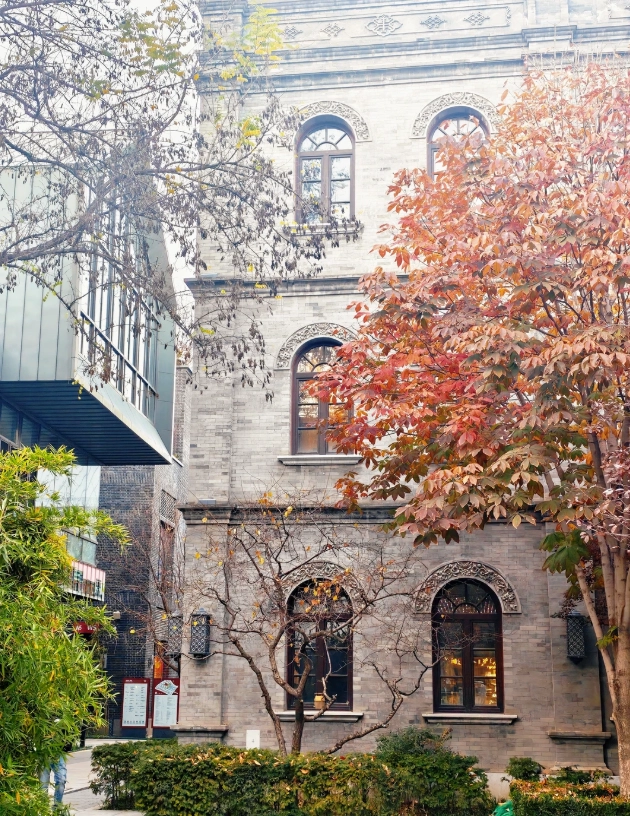
For Families with Kids
The side alleys are safe for kids to run a bit. The snacks are a hit. Avoid peak crowds. The Drum Tower climb is fun but steep. Maybe skip the long cafe sit and opt for a quick ice cream instead.
Your Questions Answered (FAQ)
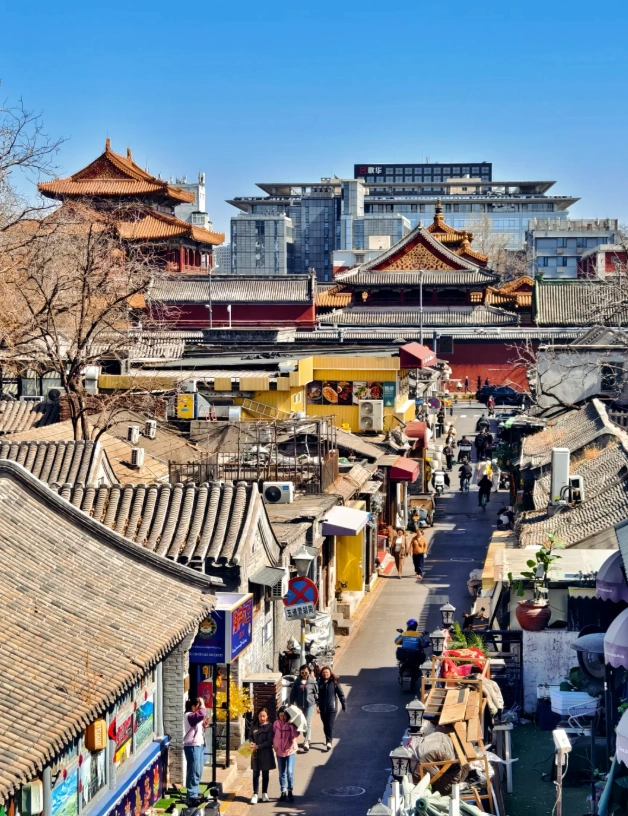 So, back to the original question: Is Nanluoguxiang worth visiting? From where I stand, with my worn-out guide shoes and a memory full of tourist reactions, I say yes. It’s a living, breathing, chaotic introduction to Beijing’s past and present. Don’t expect a pristine museum piece. Expect a vibrant, slightly messy, and utterly unique urban neighborhood. Go early, wander sideways, snack smartly, and you’ll leave with a story better than any postcard.
See you in the hutong.
This article is based on my personal, on-the-ground experience guiding tours in Beijing.





Not my cup of tea. The street is basically a long corridor of identical snack shops and cheap souvenirs – if you’ve been to one Chinese tourist street you’ve been to them all. The crowd noise and loud music from some stores gave me a headache. I did enjoy stepping into a side hutong for five minutes of quiet, but the main drag felt more like a shopping mall than a historical alley. Maybe it’s fine for a quick photo, but I wouldn’t go back.
Nanluoguxiang surprised me – I expected a total tourist trap but found a lot of charm in the details. The little DIY bead shops and calligraphy studios tucked between the mainstream stores are gems. I spent an hour in a tiny tea house watching locals play chess, which felt so authentic. Yes it gets busy, but if you go early (around 9am) it’s peaceful and the light is gorgeous for photos. Not for everyone, but I loved the contrast of old and new.
Overhyped and overcrowded. I get that it’s a popular tourist strip, but the constant push from vendors trying to sell you the same plastic toys gets old fast. The food stalls are pricey and nothing special – I paid 35 yuan for a tiny box of fried squid that tasted like old oil. The architecture is nice in places, but it’s impossible to enjoy when you’re being jostled every two seconds. Would not recommend unless you absolutely need to check a box on your Beijing list.
Nanluoguxiang is charming but honestly way too packed. I visited on a Saturday and it was shoulder-to-shoulder the whole time. The little cafes tucked into the side hutongs are lovely though – I found a quiet rooftop spot and had a decent latte. The main alley feels very commercial (same souvenir shops over and over), but if you wander off into the smaller lanes you can still find that old Beijing atmosphere. Worth a short visit, but don’t expect a peaceful stroll.
Absolutely loved Nanluoguxiang! The narrow hutong lanes are buzzing with energy, and the street food is incredible – the grilled skewers and bubble tea were highlights. I went on a weekday afternoon so it wasn’t too crowded, and I could really soak in the old Beijing vibe. Every shop has its own character, from quirky souvenir stores to tiny art galleries. Definitely a must-visit if you want a taste of authentic local culture without going too far from the city center.