 Hui Lin
Your Quick Navigation Guide
- My First Impression: Love It or Hate It?
- How to Get There Without the Hassle
- What to See and Do Beyond the Crowds
- Food and Dining: Where the Locals Eat
- Accommodation Options: Stay or Day Trip?
- A Perfect One-Day Itinerary (With Backup Plans)
- Common Pitfalls and How to Dodge Them
- FAQs: Your Burning Questions Answered
Hey there, fellow travelers! I’ve been guiding tours across China for over a decade, and let me cut to the chase: Gubei Water Town splits opinions faster than a hot knife through butter. Some visitors rave about its picturesque canals and Simatai Great Wall views; others grumble about the crowds and ticket prices. So, is it worth going? After leading countless groups here, from families to solo adventurers, I’ll give you the raw, unfiltered scoop—no sugar-coating, just facts from the ground.
Picture this: you’re standing on a stone bridge, willow trees dipping into calm water, ancient-style buildings lining the shores. It feels like a scene from a classical Chinese painting. But turn around, and you might bump into a tour group waving selfie sticks. That’s Gubei Water Town in a nutshell—a beautifully crafted replica of a Jiangnan water town, plopped in the hills of Miyun District, about a two-hour drive from Beijing. It’s not a historical site; it was built in the 2010s to attract tourists. And boy, does it attract them.
I remember taking a retired couple from Australia last fall. They were skeptical at first, calling it “Disneyland for history buffs.” But by sunset, sipping tea by the canal, they admitted it had a charm that grew on them. On the flip side, I’ve seen families with young kids struggle with the steep stairs and long walks. Your experience hinges on timing, expectations, and a few insider tricks I’ll spill below.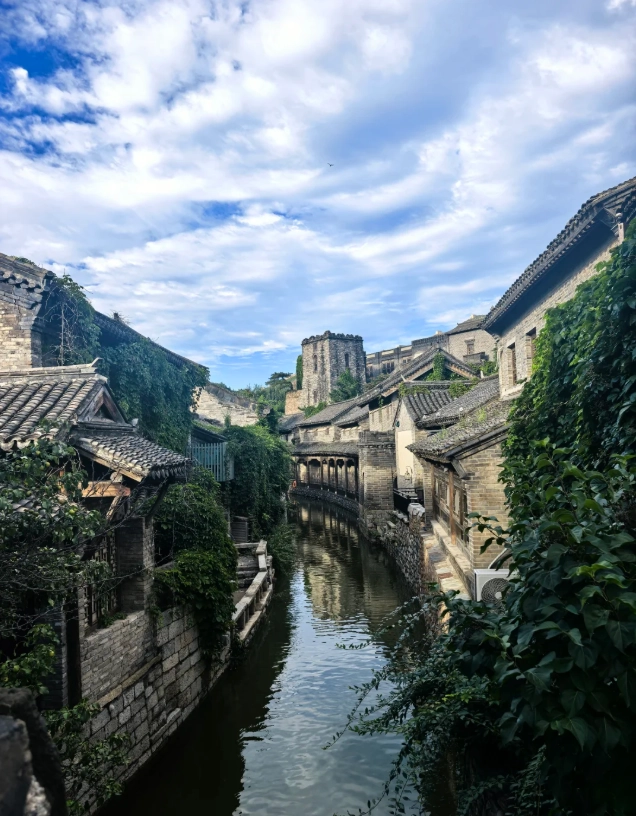
My First Impression: Love It or Hate It?
Let’s get real. Gubei Water Town isn’t for everyone. If you’re seeking an authentic, centuries-old village, you’ll be disappointed—this is a modern tourist development. But if you want a convenient, photogenic escape from Beijing’s hustle, with easy access to a less-crowded section of the Great Wall, it can be a gem. The key is knowing what you’re signing up for.
The town covers a sizable area, with cobblestone streets, bridges, and traditional architecture that’s meticulously maintained. It’s clean, safe, and well-organized, which families appreciate. However, during peak seasons (think Chinese holidays or weekends), the main pathways can feel like a conveyor belt of people. I always advise clients to visit on a weekday, preferably Tuesday or Wednesday, when the crowds thin out.
Pro tip from my guide bag: Most tourists flock here between 10 AM and 2 PM. Arrive at opening time (9 AM) or after 3 PM, and you’ll snag quieter moments for photos and strolls. The lighting is softer then, too—perfect for those Instagram shots without the glare.
How to Get There Without the Hassle
Getting to Gubei Water Town is straightforward, but the devil’s in the details. Here’s how to navigate it like a pro.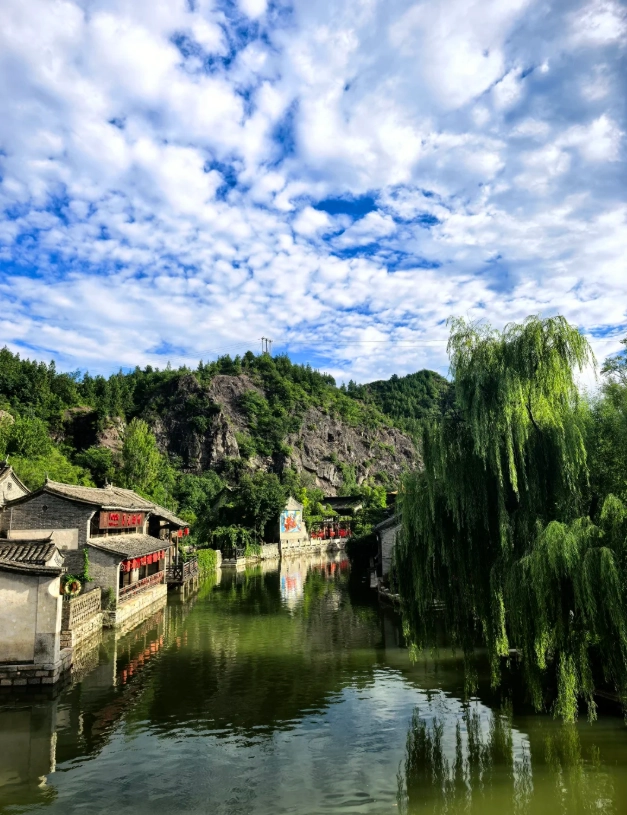
By Public Transport: The Budget-Friendly Route
From Beijing, head to Dongzhimen Transport Hub (nearest subway: Dongzhimen Station, Exit B). Look for the tourist bus line to Gubei Water Town—it runs daily, but schedules vary. The bus costs around 50 RMB one-way and takes roughly 2.5 hours, depending on traffic. Drop-off is at the main parking lot; from there, it’s a 5-minute walk to the ticket gate. I’ve seen tourists miss the last return bus (usually around 5 PM), so double-check times at the official counter or on sites like Travel China Guide for updates.
By Car: Flexibility with a Catch
Driving gives you control, but parking can be a nightmare on busy days. The address is: Gubei Water Town, Miyun District, Beijing, China 101500. Use apps like Baidu Maps or Google Maps for navigation. Parking fee is about 10 RMB per day. Leave early to avoid the rush—I once got stuck in a two-hour jam on a Saturday morning. If you’re not confident with Chinese roads, consider hiring a private driver for the day (costs 600-800 RMB), which I often arrange for small groups.
By Tour Bus: The Easy but Crowded Option
Many Beijing hotels offer day tours to Gubei Water Town and Simatai Great Wall. They handle transport and tickets, but you’re locked into a rigid schedule. I’ve guided these tours, and while convenient, they often rush through highlights. If you’re short on time, it’s viable, but for a relaxed visit, go independent.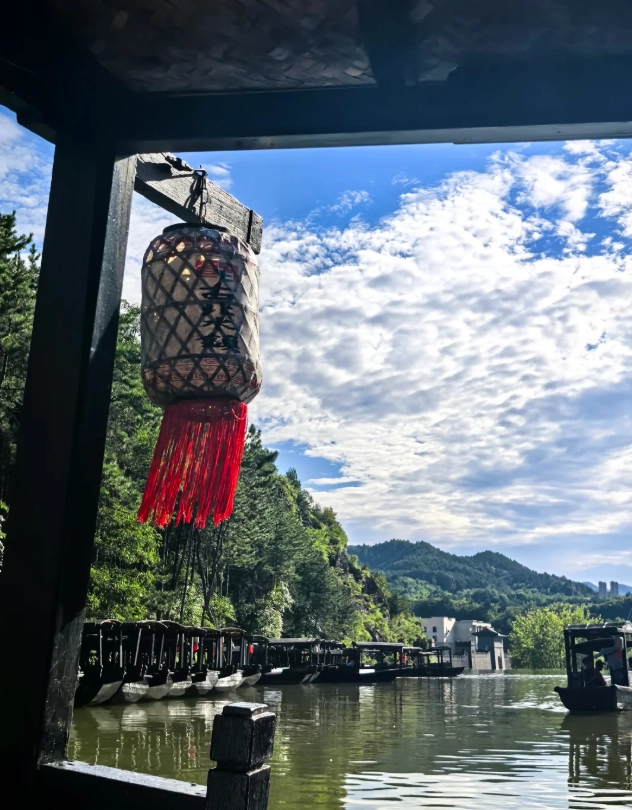
What to See and Do Beyond the Crowds
Don’t just wander aimlessly—target these spots to maximize your time.
| Attraction | Highlights | Best Time to Visit | Ticket Note |
|---|---|---|---|
| Gubei Water Town Core Area | Canals, bridges, traditional performances (like shadow puppetry) | Early morning or late afternoon | Included in main entrance ticket |
| Simatai Great Wall Access | Less crowded section, stunning views, cable car option | Sunrise or sunset (book in advance) | Separate ticket required; combo available |
| Night Illumination | Lit-up buildings, boat rides after dark | After 7 PM (in summer) | Free with day ticket if staying inside |
| Local Workshops | DIY dyeing, pottery—great for kids | Midday when indoor | Extra fees apply (20-50 RMB) |
Simatai Great Wall is the crown jewel. From Gubei Water Town, you can take a shuttle (10 RMB) or walk 30 minutes to the base. The entrance fee is around 40 RMB for adults, 20 RMB for children (under 1.2m tall). Cable car costs extra (120 RMB round-trip), but I recommend hiking if you’re fit—the views are worth the sweat. A little-known fact: the section near Tower 5 has fewer tourists and epic photo ops. I always bring clients there to avoid the bottlenecks at Tower 2.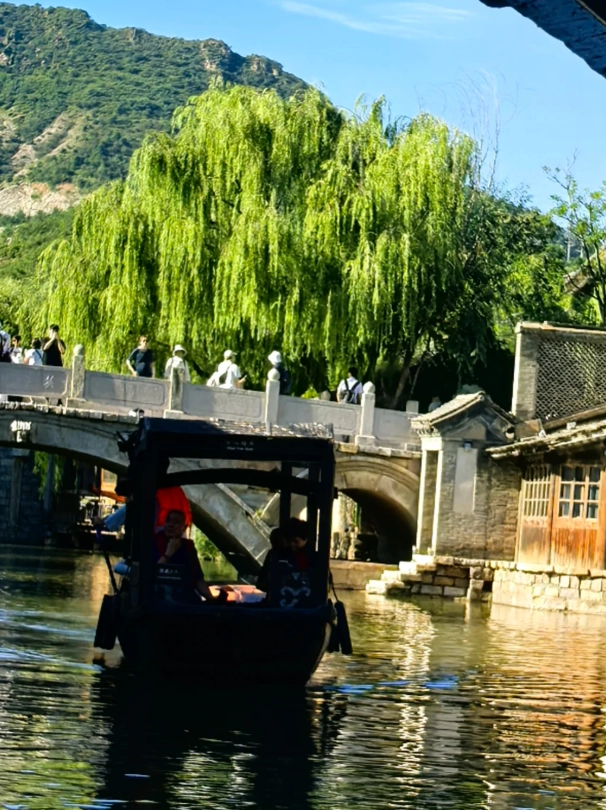
My personal ritual: Grab a boat ride along the canal at dusk. The boatmen often share stories about the town’s construction—it’s not history, but it adds context. Cost is 80 RMB per person for a 20-minute ride.
Food and Dining: Where the Locals Eat
Forget the overpriced tourist traps by the main gate. Venture deeper for better bites.
- Water Town Inn Restaurant: Address: Inside the town, near Bell Tower. This spot serves decent northern Chinese cuisine. I always order their braised fish with tofu—it’s hearty and costs around 60 RMB. Google Maps rating: 4.2. Open 11 AM to 9 PM.
- Street Food Stalls: Look for the vendor selling jianbing (savory crepes) near the dyeing workshop. It’s a quick, cheap lunch at 15 RMB. Trust me, it beats the generic noodle shops.
- Teahouse by the Canal: Unnamed but located next to Bridge 8. Perfect for a break with tea (30 RMB per pot) and views. The owner sometimes plays erhu music in the evenings—a hidden gem most miss.
If you’re staying overnight, try the hotel restaurants. They’re pricier (100-150 RMB per person) but offer more variety. I’ve had clients rave about the hot pot at Gubei Water Town Hotel.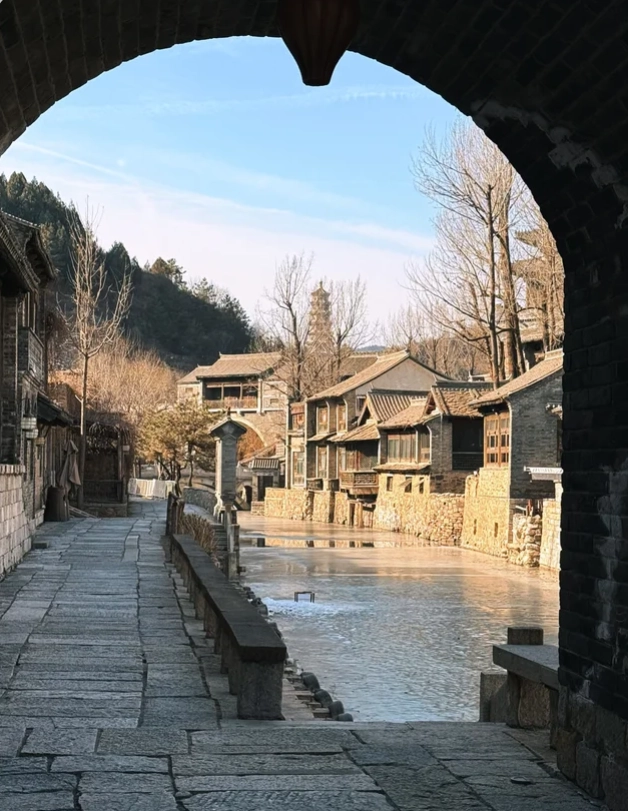
Accommodation Options: Stay or Day Trip?
Staying overnight lets you experience the town after day-trippers leave. Here’s a quick breakdown.
| Hotel | Address | Price Range (per night) | Best For |
|---|---|---|---|
| Gubei Water Town Hotel | Inside the town, near main entrance | $120 - $200 (peak season) | Families, luxury seekers |
| Simatai Great Wall Inn | Outside town, 10-min walk | $80 - $150 | Budget travelers, hikers |
| Local Guesthouses | Miyun District villages | $40 - $80 | Backpackers, cultural immersion |
Booking directly through the official Gubei Water Town website often nets discounts. In winter, prices drop, but some attractions close early. I’ve stayed at the Water Town Hotel multiple times—the breakfast buffet is solid, and you get free access to the hot springs (a nice perk after a long walk).
A Perfect One-Day Itinerary (With Backup Plans)
假设 you have only 24 hours. Here’s how I’d structure it for maximum enjoyment.
Morning (8 AM - 12 PM): Arrive early via car or first bus. Head straight to Simatai Great Wall—beat the crowds and hike for 2 hours. Take the cable car down if you’re tired. Back in town by 11 AM, explore the core area while others are still arriving.
Afternoon (12 PM - 4 PM): Lunch at Water Town Inn. Then, hit the workshops or take a boat ride. If you’re with kids, the dyeing activity is a hit. Feeling sluggish? Skip the workshops and find a quiet teahouse instead.
Evening (4 PM onward): Wander as the light fades. Dinner at a street stall or hotel. Stay for the night illumination—it’s magical when the lanterns glow. Last bus leaves around 7 PM, so if you’re day-tripping, plan accordingly.
Backup for bad weather: Rainy day? Focus on indoor spots like the museums (yes, there are small ones showcasing local crafts) or extend your tea time. I once spent three hours in a teahouse during a downpour, chatting with locals—it turned into a highlight.
Common Pitfalls and How to Dodge Them
I’ve seen these mistakes too often. Learn from them.
- Overpaying for tickets: Buy combo tickets online in advance (e.g., on Ctrip or the official site) to save 10-20%. Adult ticket is 150 RMB, child (1.2-1.5m) is 75 RMB. At the gate, it’s cash-only sometimes, so bring yuan.
- Ignoring footwear: The streets are uneven cobblestone. Wear comfortable shoes—no heels! I’ve bandaged too many blisters.
- Missing the last transport: Confirm return times when you arrive. Taxis are scarce; pre-book a driver if needed.
- Expecting authenticity: Remind yourself it’s a replica. Enjoy it for what it is—a well-designed escape.
FAQs: Your Burning Questions Answered
So, is Gubei Water Town worth going? If you manage expectations, time your visit right, and use these tips, it can be a delightful addition to your China trip. It’s not a deep cultural immersion, but it’s a scenic, convenient package that works for many. For more authoritative info, check resources like the Beijing Municipal Government tourism page or trusted travel forums.
This article has been fact-checked based on my on-ground experiences and latest visits. Now, go plan that trip—and don’t forget comfortable shoes!





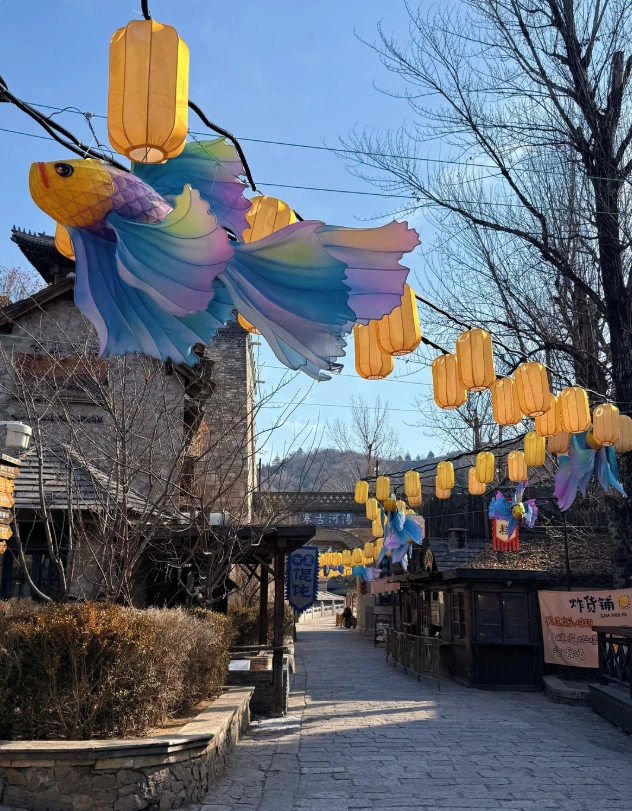
As a landscape photographer, Gubei Water Town is a goldmine. The contrast between the dark wooden eaves, red lanterns, and the grey stone walls creates incredible textures. I arrived before sunrise and had the alleys almost to myself—that's when the magic happens. The reflection shots in the still canals are top-notch. However, I have to deduct a point because the town is heavily curated; everything looks too perfect, like a movie set. There's no authentic roughness or history you'd find in places like Fenghuang. Also, the constant loudspeaker announcements (in Chinese and English) every 15 minutes kill the atmosphere. Bring a wide-angle lens and a tripod for the night lights, but be prepared for the crowds after 10am.
Took our two kids (ages 7 and 10) and they absolutely loved it! The water town is very clean and easy to navigate with a stroller. Highlights for us: the puppet show in the small theater (free!), the candy-drawing street artist, and feeding the koi fish in the canal. The staff at the hotel we stayed in (the one with the hot spring foot bath by the river) were incredibly friendly and helped us arrange a family-friendly boat ride. The kids also enjoyed the zip line over the water—safe but thrilling. Only downside: the restaurant options are limited if you have picky eaters. We ended up at a noodle place that was fine but not great. Overall a fantastic day trip from Beijing for families.
I really wanted to love this place, but it fell short for me. The concept is great—a reconstructed ancient water town with a Great Wall backdrop—but the crowds were insane even on a Tuesday afternoon. You couldn't get a good photo without 20 people in the frame, and the main walking paths were shoulder-to-shoulder. The staff at the ticket counter were rude and rushed. Also, a lot of the 'historical' buildings are just fancy shops selling the same mass-produced souvenirs. The night light show was nice but nothing spectacular. For the 140 RMB entry fee plus another 120 for the boat, I expected more peace and authenticity. Probably better to visit a less commercialized ancient town instead.
A solid 4 stars from me. Gubei Water Town is beautifully reconstructed and the attention to detail in the architecture is impressive. I loved climbing the Simatai Great Wall section that's right next to the town—the view over the water town from above is unbeatable. My only complaint is the price: the entrance ticket plus the cable car for the wall adds up quickly. Also, the food inside is overpriced for what you get (a bowl of noodles for 45 RMB is steep). But if you're willing to splurge a little, the experience of walking through the alleys with pipa music playing softly in the background is unforgettable. Recommended for a one-time visit.
Honestly one of the most stunning places I've visited in China. The way the ancient architecture blends with the water canals is pure magic, especially at golden hour when the lanterns start lighting up. I went in late autumn and the autumn foliage reflected in the canals was a photographer's dream. The boat ride through the narrow waterways felt like stepping into a Ming Dynasty painting. Yes, it's a bit touristy, but if you go on a weekday and stay until after dark when most day-trippers leave, it becomes incredibly serene. Definitely worth the trip from Beijing—I'd recommend splurging on a night inside the town to catch the sunrise over the rooftops.