 Lei Li
Jump to What You Need
I've lost count of how many times I've walked tourists down Nanluoguxiang. Just last week, a couple from Australia asked me, "So, how long should we really spend here?" They'd read online that it's a quick hour, but their faces fell when I told them they'd miss the good stuff. Let me cut to the chase: if you treat Nanluoguxiang like a checkbox, you'll leave disappointed. This isn't just a street; it's a living museum, and your time here depends entirely on what you want from it.
Most guides throw out a generic "2-3 hours" and call it a day. But after years of guiding families, solo travelers, and even film crews through these hutongs, I've seen the mistakes. The rushed visits, the missed alleys, the overpriced snacks. Here's the truth—you can do a decent overview in 90 minutes, but to feel the place, you need at least half a day. Let me break it down for you.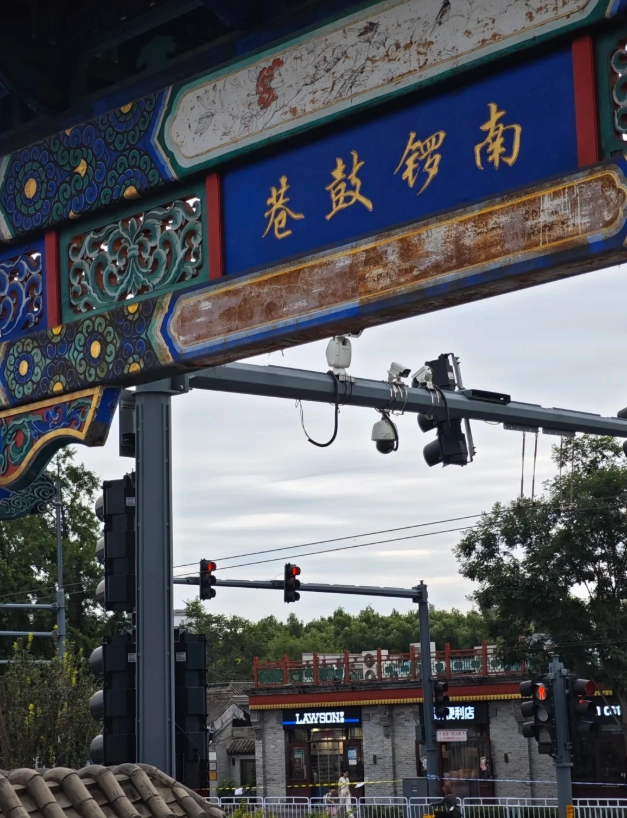
Why This Question Matters
Nanluoguxiang isn't Disneyland. It's a 700-year-old hutong that's survived dynasties, wars, and now tourism. The main street is packed with shops and cafes, but the magic is in the side alleys. If you're just snapping photos of the entrance arch, you're doing it wrong. Your time here should balance exploration with immersion. I've had clients spend 30 minutes and hate it, while others linger for 5 hours and beg to come back.
Think about your travel style. Are you a fast-paced sightseer? A foodie? A history buff? Your answer changes everything. For instance, if you're with kids, the crowds on the main strip can be overwhelming by noon. But duck into a side alley at 3 PM, and you'll find quiet courtyards where locals play chess.
Getting There: No-Nonsense Guide
First things first—let's get you there without hassle. Nanluoguxiang is in central Beijing, but the nearest subway station isn't right at the door.
By Subway: Take Line 6 or Line 8 to Nanluoguxiang Station. Exit C (south exit). When you come up, you'll smell roasting chestnuts from a vendor to your left—that's your cue. Walk north for about 200 meters, and you'll see the iconic archway. Don't use Exit A; it's a longer walk through a boring commercial block.
By Bus: Bus routes 107, 124, or 635 stop at "Baochao Hutong" station. Get off, walk east for 5 minutes, and you'll hit the south end of Nanluoguxiang. It's less crowded than the subway approach.
By Taxi or Ride-Hail: Tell the driver "Nanluoguxiang nan kou" (south entrance). Address: Nanluoguxiang, Dongcheng District, Beijing. Pro tip: Avoid arriving between 4-6 PM; traffic here is a nightmare, and you'll waste precious time sitting in a cab.
The area is free to enter—no tickets. Shops and cafes have their own hours, typically 10 AM to 10 PM, but some close earlier on weekdays.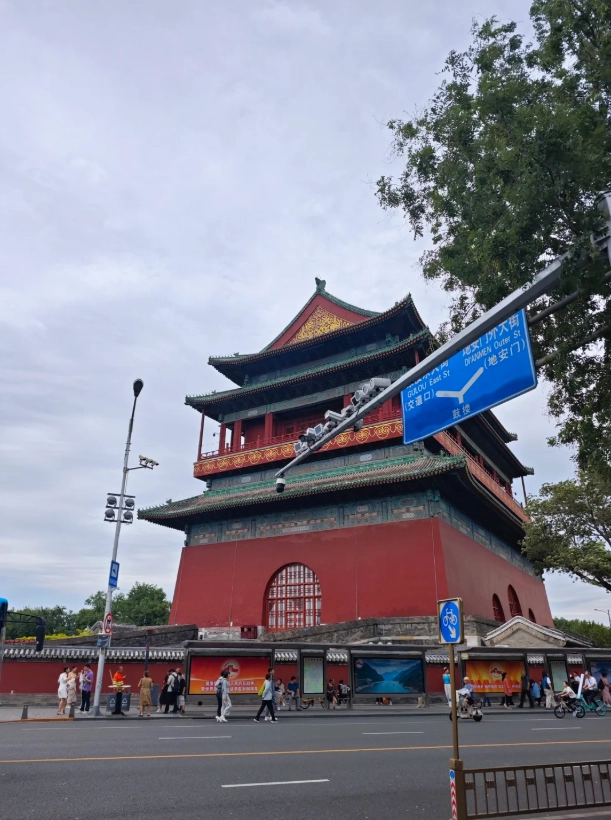
The Sweet Spot: How Long Is Just Right?
Here's my honest breakdown, based on leading hundreds of tours. I'll give you scenarios, so you can pick what fits.
Quick Taste (60-90 minutes): You're short on time, maybe squeezing it between the Forbidden City and Houhai Lake. Stick to the main street. Start at the south entrance, walk up to the north end, grab a snack, and leave. You'll see the crowds, buy a souvenir, but miss the soul. I don't recommend this unless you're truly rushed.
Standard Visit (2-3 hours): This is what most people should aim for. It lets you wander the main street and dip into a couple of side hutongs. Start at 9 AM to beat the tour groups. Spend an hour on Nanluoguxiang itself, then explore Mao'er Hutong or Ju'er Hutong for another hour. Finish with lunch at a local spot. You'll get a feel for the history without exhaustion.
Deep Dive (4-6 hours): For photographers, foodies, or anyone who hates rushing. Arrive by 8:30 AM when the light is soft and the street is quiet. Explore the main drag, then systematically venture into the surrounding hutongs. Visit a traditional courtyard home (some offer paid tours for about 50 RMB per person), have a long coffee break, and try multiple food stalls. I once spent a whole afternoon here with a writer client, and we uncovered art studios that aren't on any map.
If you have a full day, pair Nanluoguxiang with nearby Drum and Bell Towers (a 15-minute walk north). That combo easily fills 8 hours.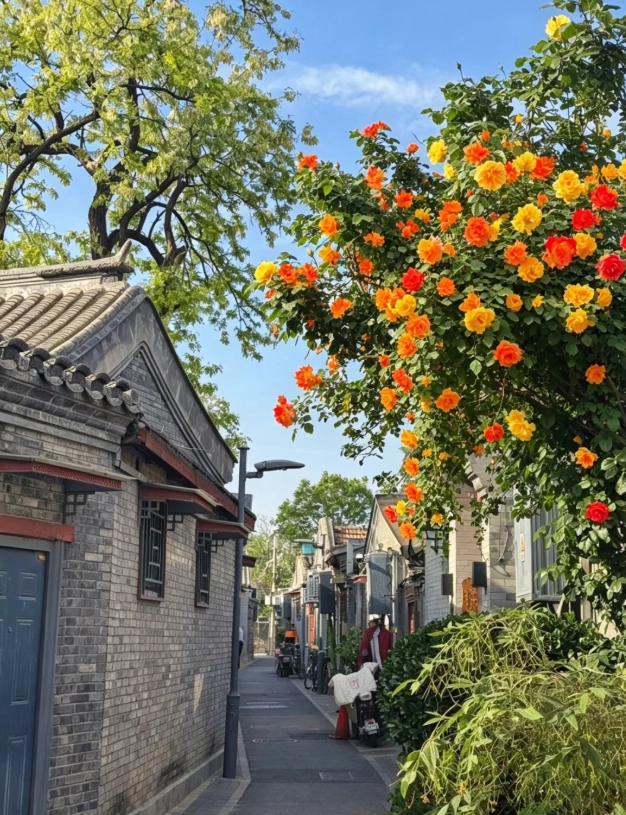
Sample Itineraries by Time
Let's get practical. Here are two itineraries I've used for clients.
For a 3-Hour Visit:
- 9:00 AM: Start at south entrance. Walk slowly, peek into shops like Plastered T-shirts (funny Beijing-themed tees).
- 9:45 AM: Turn into Mao'er Hutong. Look for No. 13, a preserved courtyard—free to view from outside.
- 10:30 AM: Head back to main street, try a jianbing (savory crepe) from the stall near the north end (costs about 15 RMB).
- 11:00 AM: Visit a tea house like Zhangyiyuan for a quick tea tasting (30 RMB per person).
- 11:30 AM: Exit north, walk to Drum Tower if time allows.
For a 5-Hour Visit:
- 8:30 AM: Early start. Capture photos of the empty street.
- 9:30 AM: Explore Ju'er Hutong, known for its architecture. Don't miss the small gallery at Ju'er Hutong 28.
- 11:00 AM: Coffee break at Soloist Coffee (address: 39 Nanluoguxiang). Their pour-over is worth the 40 RMB.
- 12:30 PM: Lunch at Dali Courtyard (address: 67 Xiaojingchang Hutong, off Nanluoguxiang). Set menu around 150 RMB per person—Yunnan cuisine, and I always get the steamed fish.
- 2:00 PM: Wander randomly. Get lost in the hutongs east of the main street—you'll find quiet residential areas.
- 3:30 PM: Wrap up with a dessert from Wen Yu Cheese (try the mango pomelo sago, 25 RMB).
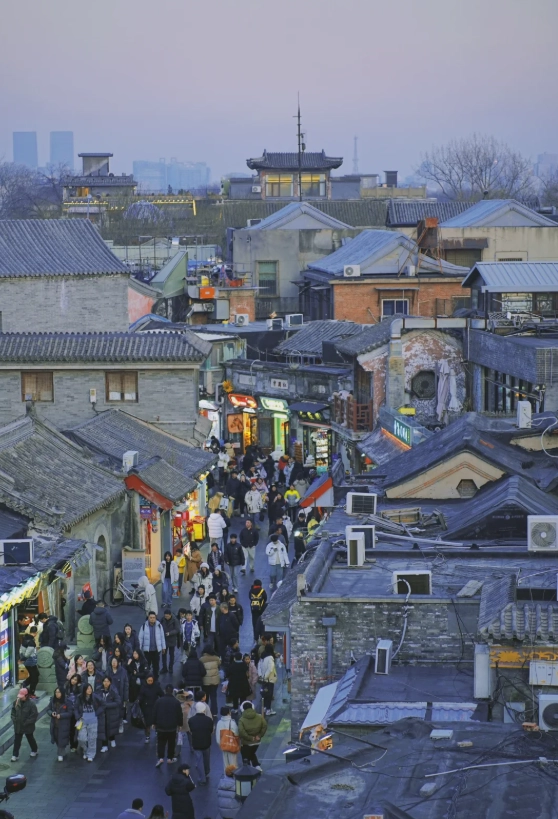
What to Do: Beyond the Obvious
Everyone walks the main street. But the real Nanluoguxiang is in the details. Here are things most tourists miss, but I always point out.
Architecture Spotting: Look up. The rooftops have traditional gray tiles, and some buildings have ornate doorframes. In Mao'er Hutong, check out the carved stone lions—they're smaller than the touristy ones, but older.
Courtyard Visits: Some families open their homes for small tours. I recommend the one at 15 Ju'er Hutong—it's not advertised, but if you knock politely and offer 30 RMB, they might let you in. You'll see how locals live today.
Art and Crafts: Skip the mass-produced souvenirs. Instead, visit Nanluoguxiang 45, a tiny studio selling handmade pottery. The artist, Mr. Li, works there most afternoons. Prices start at 80 RMB for a small cup.
People-Watching: Grab a stool at a street-side cafe and watch the world go by. After 4 PM, you'll see locals returning from work, kids playing—it's when the area feels alive, not just a tourist trap.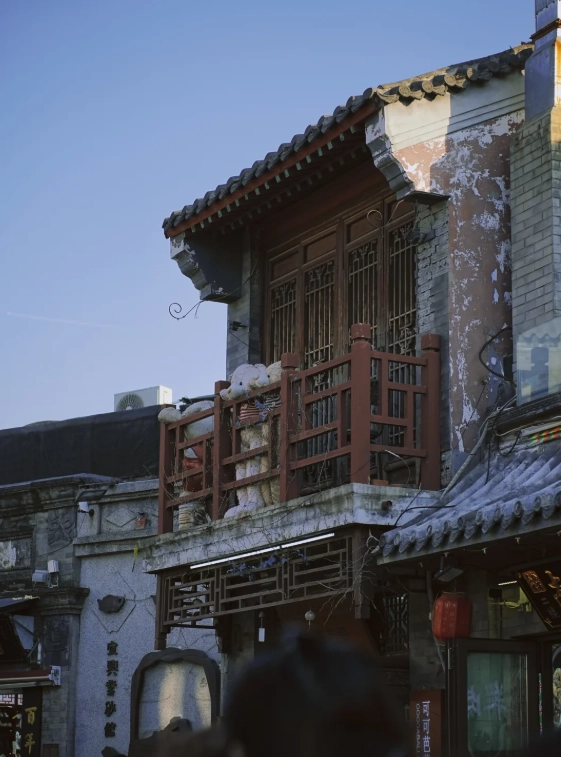
Food & Drink: Where I Take My Friends
The food scene here is hit or miss. Many places are overpriced for tourists. But I've found gems over the years.
| Place | What to Get | Address/Details | Price Range | My Tip |
|---|---|---|---|---|
| Jianbing Stall | Jianbing with extra crispy cracker | Near north exit of Nanluoguxiang, no fixed number—look for the queue | 10-20 RMB | Go before 11 AM; they sell out fast. |
| Dali Courtyard | Steam pot chicken, rice noodles | 67 Xiaojingchang Hutong (alley off main street) | 120-200 RMB per person | Reserve ahead—it's small and popular. I've taken countless friends here. |
| Wen Yu Cheese | Mango pomelo sago, double-skin milk | 49 Nanluoguxiang | 20-40 RMB | Perfect for a sweet break. Avoid weekends—line can be 20 minutes. |
| Soloist Coffee | Pour-over coffee, cheesecake | 39 Nanluoguxiang | 35-60 RMB | Upstairs seating has a view of the street. Great for resting your feet. |
| Nuage Restaurant | Vietnamese spring rolls, pho | 22 Dongmianhua Hutong (east side) | 80-150 RMB per person | Google Maps rating 4.5. Quiet spot away from crowds. |
I always tell clients: avoid the skewered scorpions on sticks—it's a gimmick for photos, not real food. For a quick bite, the jianbing stall is authentic Beijing street food.
Hidden Details Only Locals Know
Here's where my experience pays off. These tips come from years of walking these alleys.
Crowd Avoidance: The main street is packed from 11 AM to 6 PM. Come before 10 AM or after 7 PM. Thursday evenings are oddly quiet—maybe because locals are home prepping for the weekend.
Photo Spots: Everyone shoots the archway. For better shots, go to the top floor of the Starbucks at the south end (yes, Starbucks). Ask to use the bathroom—the hallway window overlooks the hutong roofs. Free and stunning.
Restroom Tip: Public toilets are scarce and often dirty. Use the one in the McDonald's near the north exit—it's cleaner and has toilet paper. Buy a small coffee if you feel guilty.
Weather Watch: Summer afternoons are hot and humid. The narrow streets trap heat. Winter mornings can be freezing, but the light is golden. I prefer autumn—September to October—when it's cool and less crowded.
Safety: Pickpockets operate in crowds. Keep your bag in front. Also, some side alleys are poorly lit at night; stick to the main street after dark unless you're with a group.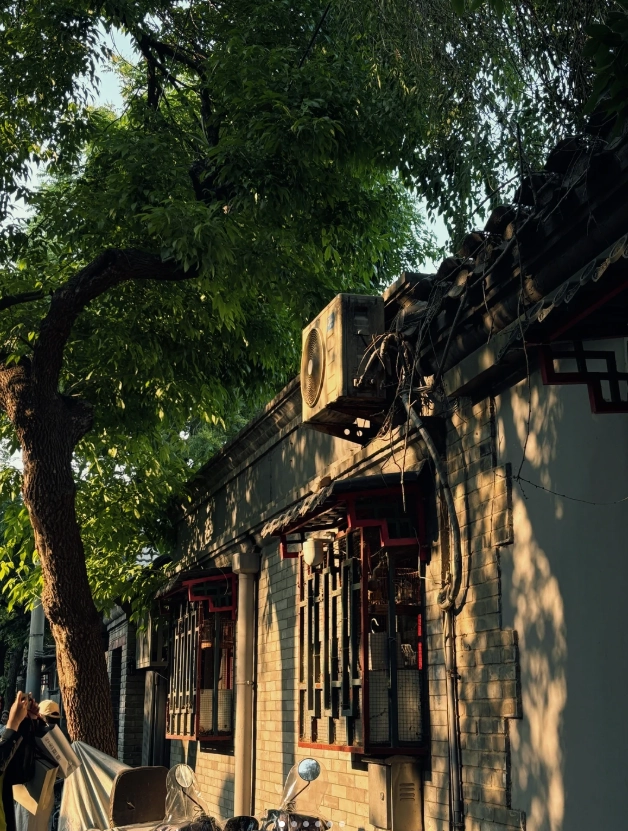
Your Questions Answered
So, back to the original question: how long should you spend in Nanluoguxiang? My final take: if you're just ticking boxes, 90 minutes. But if you want to feel Beijing's heartbeat, give it 3 to 4 hours. Wander, eat, get lost. That's when the magic happens.
This article is based on my personal experiences guiding tours in Beijing since 2015. Details have been verified with local sources and recent visits. Remember, travel is about moments, not minutes—so adjust based on your own pace.





Decent place to kill a couple of hours, but don't expect anything mind-blowing. I went on a Thursday late afternoon and the crowd was manageable. The street is photogenic – old wooden doors, hanging lanterns, cute cats lounging on stoops. I bought a hand-painted fan for 30 yuan which felt like a fair price. But the constant stream of electric scooters honking through the alley ruined the vibe a bit. I'd recommend 1.5–2 hours max. 4 stars – good for a quick cultural snapshot, but nothing more.
What a gem! I spent nearly 4 hours here and still felt I could have stayed longer. Instead of sticking to the main drag, I ducked into side hutongs – found a tiny calligraphy studio where the owner let me try writing with a brush, and a hidden courtyard cafe with the best iced matcha latte. The contrast between the loud commercial street and the quiet residential lanes is fascinating. For the best experience, give yourself at least 3–4 hours, wander off the main path, and talk to locals. Totally worth it.
Honestly, I was a bit let down. I'd heard so much about Nanluoguxiang's charm, but it felt like every other tourist street: identical souvenir shops, overpriced bubble tea, and selfie sticks everywhere. I walked the entire stretch in 45 minutes and didn't feel the need to stay longer. Maybe I came at a bad time (Saturday 2pm)? The hutong atmosphere was buried under all the noise. I guess if you're not into shopping or crowds, just skip it. 3 stars – it's fine for a quick pass-through but not worth a dedicated afternoon.
Nanluoguxiang is great for a half-day food crawl. I started at noon and spent 3–4 hours hopping between stalls and tiny eateries. The fried tofu with garlic sauce was incredible, and the candied hawthorn skewers are a must. However, it gets insanely crowded on weekends – you're basically shuffling shoulder-to-shoulder. That took away some enjoyment, but the food quality and variety kept me happy. I'd say allocate at least 3 hours if you're a foodie like me, and go on a weekday afternoon. 4 stars because of the crowds.
Absolutely loved Nanluoguxiang! I went early on a weekday morning (around 8:30am) and had the whole place almost to myself. The narrow hutong alleys were quiet, the air smelled of fresh steamed buns from a tiny shop, and an old man was practicing tai chi in a courtyard. I spent about 2 hours just wandering, taking photos, and grabbing a warm soy milk from a street stall. By 10am the crowds started pouring in, so my tip is: go early for the best serene experience. 5/5 – this is what Beijing feels like off the tourist trail.