 Lei Li
Planning a Beijing itinerary for 4 days feels like a puzzle. The city is vast, the history is deep, and the must-see list is long. I've walked these streets, gotten lost in hutongs, and stood on the Great Wall at sunrise. This guide isn't just a list of places; it's the blueprint I wish I had, packed with the specifics you need to execute a smooth, immersive trip. We'll tackle the imperial core, the iconic wall, local life, and artistic hubs, all while managing logistics like a pro.
Your 4-Day Beijing Route at a Glance
Day 1: Imperial Heart (Forbidden City & Tiananmen)
Start where emperors ruled. The scale is the first thing that hits you. It's not just one palace; it's a city within a city.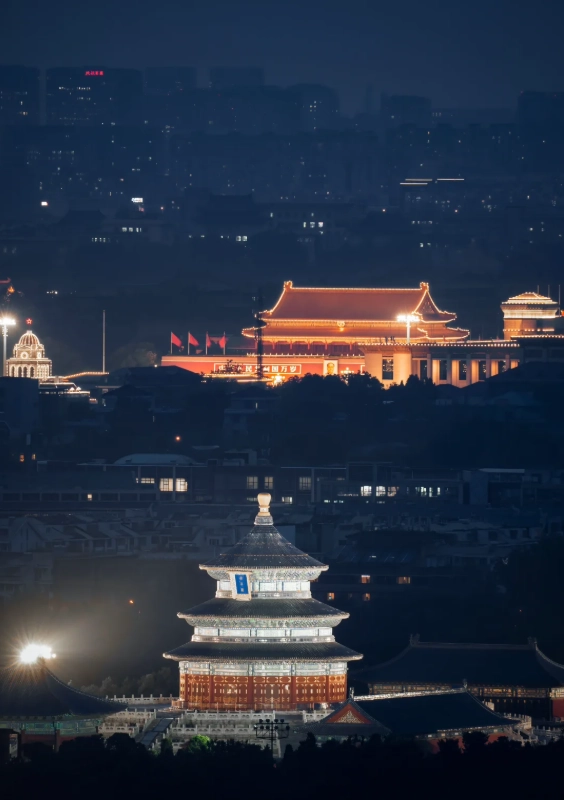
Forbidden City (Palace Museum) Essentials:
Address: 4 Jingshan Front St, Dongcheng District.
Ticket: RMB 60 (Apr-Oct), RMB 40 (Nov-Mar). You must book online in advance via their official website or WeChat. Walk-up tickets are gone.
Hours: 8:30 AM - 5:00 PM (last entry 4:10 PM). Closed Mondays.
Getting There: Subway Line 1 to Tiananmen East (Exit B) or Tiananmen West (Exit B).
Walk across Tiananmen Square first. It's massive, but security is tight. Have your passport ready for random checks. The entrance to the Forbidden City is through the Meridian Gate (Wu Men) on the north side of the square.
Inside, don't try to see every hall. You'll get "palace fatigue." Focus on the central axis: the Hall of Supreme Harmony (Taihe Dian) with its iconic dragon throne, the Hall of Central Harmony, and the Hall of Preserving Harmony. Then, peel off to the quieter Eastern Six Palaces, which often house fascinating rotating exhibitions. The Clock and Watch Gallery (extra ticket) is worth it for the intricate timepieces.
My tip: Exit through the north gate (神武门 Shenwumen). Walk directly across the street into Jingshan Park. For RMB 2, climb to the top of the hill. The view back over the entire golden-roofed expanse of the Forbidden City is the single best photo op in Beijing. Do this.
For lunch, skip the tourist traps around the palace. Take a short taxi or subway ride (Line 8 to Shichahai) to Huguosi Snack Street. It's a food hall. Point at what looks good. I still dream about their lǜdòu gāo (mung bean cake) and zhá jiàng miàn (fried sauce noodles).
Spend your late afternoon exploring the Bell and Drum Towers in the nearby hutong area. The climb is steep, but the drum performance (on the hour) and the aerial view of the gray-tiled hutong rooftops are pure Beijing.
Day 2: The Great Wall and Summer Palace
This is a big day. Most people try to do both, and it's possible with an early start and smart section choice.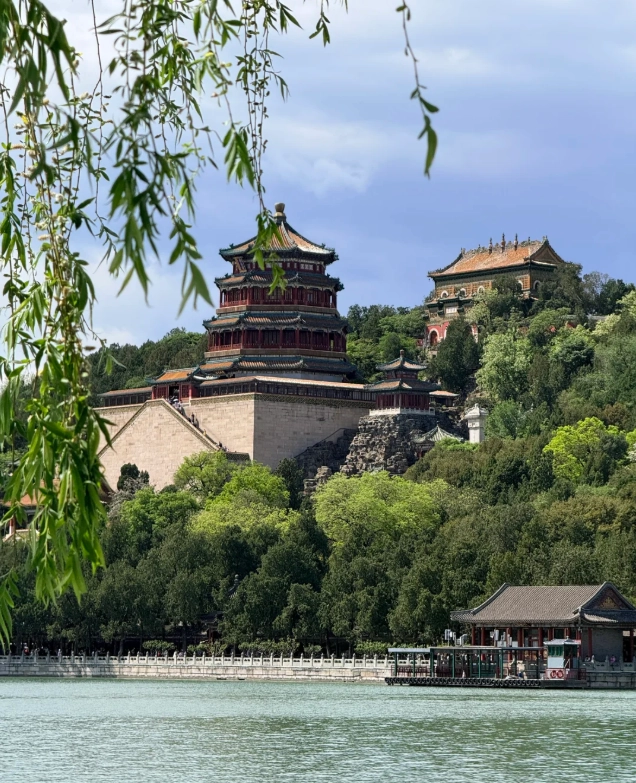
Choosing Your Great Wall Section
Badaling is closest but perpetually packed. Mutianyu is the sweet spot: restored, accessible, with a cable car/toboggan, and less crowded. Jinshanling is for serious hikers. For a 4-day trip, Mutianyu is your best bet.
| Section | Travel Time from City | Crowd Level | Best For | Key Feature |
|---|---|---|---|---|
| Mutianyu | ~1.5 hours by car | Moderate | Most visitors, families | Cable car, toboggan slide down |
| Badaling | ~1.25 hours by train | Very High | Maximum convenience | Closest, direct train |
| Jinshanling | ~2.5 hours by car | Low | Hikers, photographers | "Wilder" restored sections |
How to get to Mutianyu: Book a private car/driver for the day (approx. RMB 600-800). It gives you flexibility. Alternatively, the public bus 916 Express from Dongzhimen to Huairou, then a local minibus, works but eats time.
Mutianyu Details: Ticket RMB 45. Cable car up to Tower 14 (RMB 100 one-way, RMB 140 round-trip). Walk towards Tower 6 (the views are stunning), then take the iconic metal toboggan slide down (RMB 100). It's fun, not scary. Start early. Aim to be on the wall by 9:30 AM to beat the main tour buses.
Head back to the city by 2:30 PM. Your driver can drop you at the Summer Palace (Yiheyuan) on the way. This is the emperor's playground—a vast lake and park.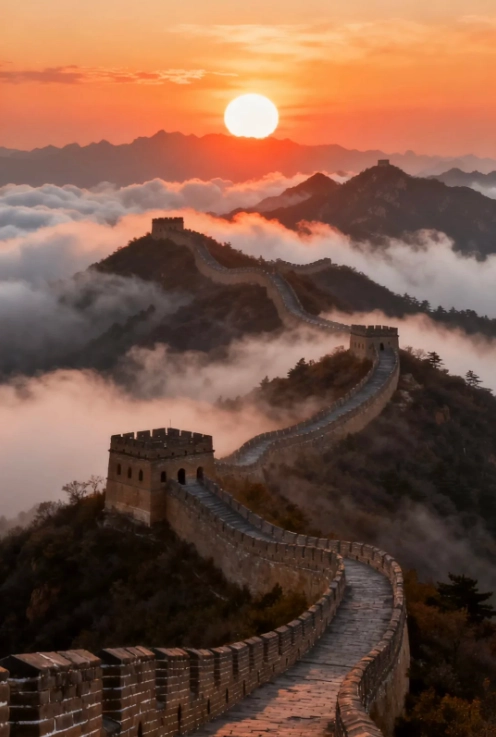
Summer Palace Essentials:
Address: 19 Xinjian Gongmen Rd, Haidian District.
Ticket: RMB 30 (Apr-Oct), RMB 20 (Nov-Mar). For just the park. The through-ticket (RMB 60/50) includes interiors like the Tower of Buddhist Incense.
Hours: 6:30 AM - 7:00 PM (park), 8:30 AM - 5:00 PM (interior halls).
Don't try to cover it all. Enter at the East Palace Gate. Walk along the Long Corridor, marvel at the Marble Boat, and then take a boat ride (RMB 30-40) across Kunming Lake to the Seventeen-Arch Bridge. The view back towards Longevity Hill is the postcard shot. It's a perfect, serene contrast to the morning's Great Wall exertion.
Day 3: Hutongs, Temples, and Local Flavors
Time to dive into the Beijing that lives between the grand monuments.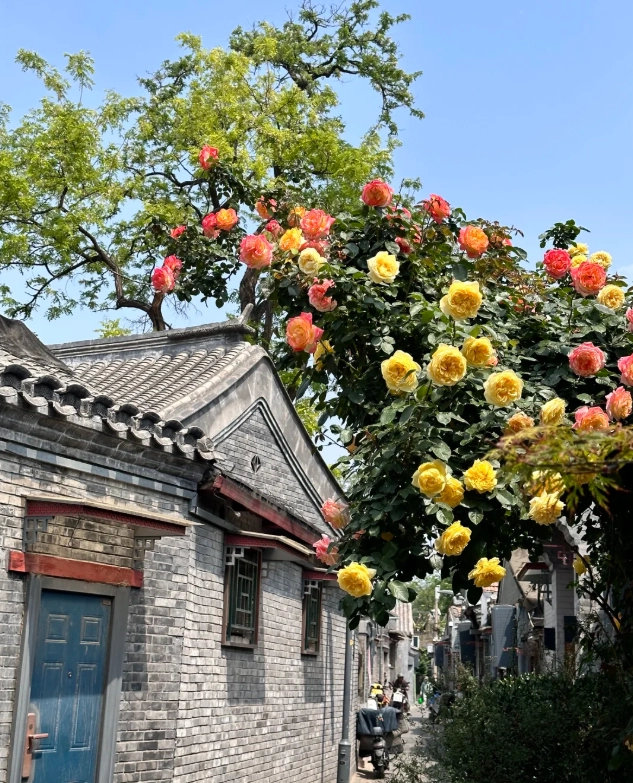
Start at the Lama Temple (Yonghegong). It's a functioning Tibetan Buddhist monastery, and the scent of sandalwood incense is everywhere. The 18-meter-high Maitreya Buddha carved from a single sandalwood tree is awe-inspiring. Ticket: RMB 25. Hours: 9:00 AM - 4:30 PM.
Right across the street is Confucius Temple and the Imperial College. It's peaceful, scholarly, and often overlooked. A quiet escape.
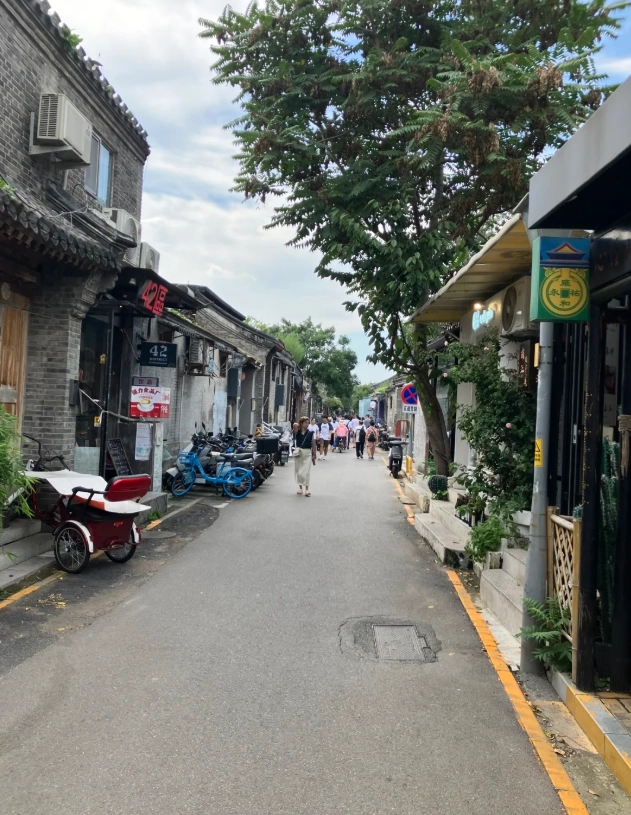
Now, get lost. The hutongs behind these temples are the real deal. Wudaoying Hutong near the Yonghegong subway station is a good start—it's got a hip, café vibe mixed with old homes. For more traditional atmosphere, wander the networks around Nanluoguxiang. Yes, the main alley is commercialized, but dart into the side lanes (like Mao'er Hutong). You'll see people playing chess, drying laundry, the real rhythm of life.
Lunch is Peking duck. Forget the fanciest places. Siji Minfu (Dengshikou Branch) is where locals and savvy tourists go. The duck is superb, the skin crispy, and the atmosphere is lively. Address: 32 Dengshikou St, Dongcheng. Expect a queue. It's part of the experience.
In the afternoon, visit the Temple of Heaven (Tiantan). It's a park where locals congregate to dance, sing opera, and play cards. The Hall of Prayer for Good Harvests is the iconic circular building. The acoustics at the Echo Wall are fun. Ticket: RMB 15 (park only), RMB 34 (through ticket). Enter from the South Gate for the classic approach along the axis.
For your final evening, consider a show. The Acrobatics at Chaoyang Theatre are genuinely breathtaking. Or, for something quieter, have a drink at a rooftop bar overlooking the hutongs.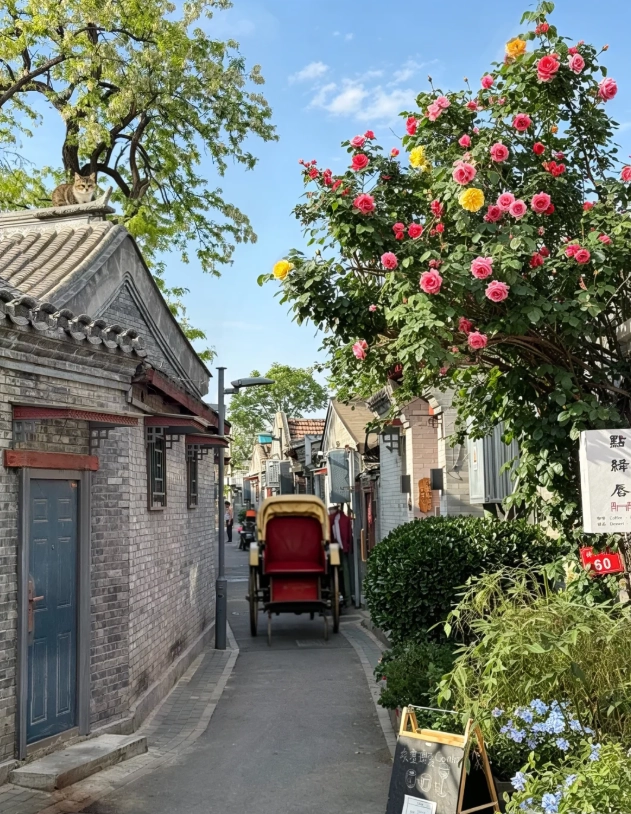
Day 4: Art, History, and Departure
Your last day depends on your flight/time. Here are two solid options.
Option A: The Museums
The National Museum of China on Tiananmen Square is colossal and free (book online). You could spend a week there. Focus on the "Ancient China" exhibition on the basement floor—it houses the best artifacts from across the country. Then, visit the Capital Museum for a deep dive into Beijing's own history. Both require advance online booking.
Option B: 798 Art District
This converted factory complex is Beijing's contemporary art hub. It's about the atmosphere as much as the galleries—industrial architecture, quirky sculptures, cool cafes. Galleries like UCCA are world-class. It's a different side of the city, perfect for a late morning wander before heading to the airport.
For a final meal, if you're near 798, try a hot pot place. Haidilao is the famous chain for its service, but any local joint with a bubbling broth will be a memorable farewell.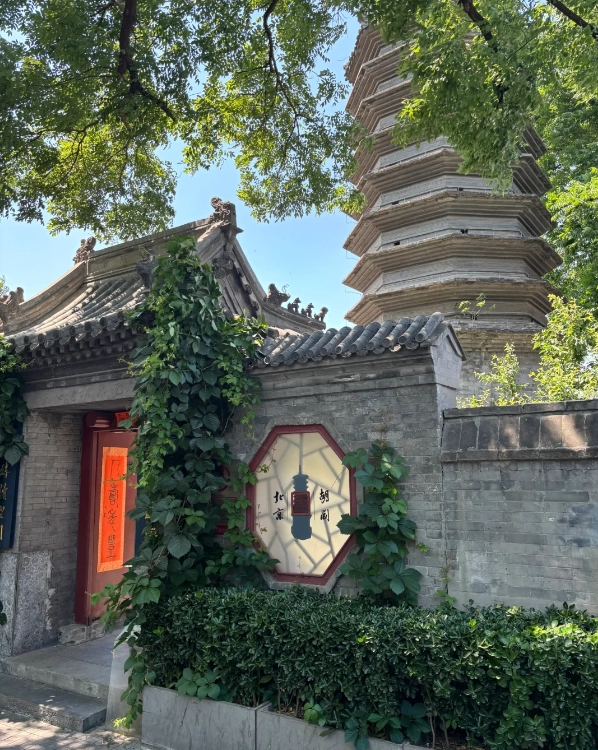
Where to Stay in Beijing
Location is everything. You want subway access.
- Dongcheng District (Near Forbidden City/Gulou): Best for first-timers. You're in the heart of the historical center. Options range from traditional courtyard hotels (like The Orchid) to international chains.
- Chaoyang District (Sanlitun/Guomao): Modern, upscale, with great dining and nightlife. Better for luxury hotels and a more cosmopolitan feel.
- Near a Subway Hub (like Dongzhimen or Jianguomen): A practical choice. You'll have multiple subway line access, making cross-city travel efficient.
I stayed in a small hotel in a hutong near the Drum Tower. Waking up to the sound of bicycle bells and walking to a local breakfast stall for youtiao (fried dough) and soy milk was worth the slightly longer subway walk.
Getting Around Beijing
- Subway: The backbone. It's cheap, efficient, and signs are in English. Get a transportation card (Yikatong) or use Alipay/WeChat Pay to scan directly at the gate.
- Taxi/Didi: Didi (China's Uber) is essential. The app has an English interface. Regular taxis are fine, but have your destination written in Chinese to show the driver.
- Walking: Crucial for exploring hutongs and areas like Wangfujing. Distances between subway exits and attractions can be long.
- Bicycle Sharing: Mobike or Hello Bike apps. Fantastic for short trips within hutongs or along lakes. A local experience.
Beijing Itinerary FAQs
This guide is based on multiple personal visits and was fact-checked for current ticket prices, opening hours, and transport details as of the time of writing. Always double-check official sites for the latest booking requirements.





I found the itinerary way too packed for my liking. Day 2 alone had three major sites plus a night market — by 3 PM I was exhausted and skipped the final stop. It would be more helpful if the article offered options for different paces (e.g., 'relaxed version' vs 'intense version'). Also, some of the walking distances between metro stations and attractions were inaccurate. Decent starting point but needs refinement.
Honestly, this guide saved my trip. As a solo first-timer, I was overwhelmed by all the options, but this 4-day plan gave me a clear structure without feeling like a checklist. The author's tip about booking the Great Wall tour through the official bus saved me from scams. Every recommendation was practical and I came back with amazing photos. Five stars, no hesitation.
Loved how the itinerary balanced historical sites with local culture. The early morning start for the Forbidden City was genius — I had almost no lines! The included map links and opening hour updates made planning so smooth. The only thing I'd add is a note about the weather in spring; I wasn't prepared for the dust storms. Still, a solid 4 stars from me.
Decent guide overall, but I felt the restaurant recommendations were way out of my budget. The author seems to assume everyone can drop 200+ RMB per meal. Also, the section on transportation was a bit vague — I ended up getting lost looking for the right subway exit at Tiananmen. For a free article it's okay, but don't expect detailed money-saving hacks.
This 4-day Beijing itinerary was an absolute lifesaver for my first trip to China! I followed it almost to the letter — the pacing was perfect, not too rushed, and the tips on avoiding crowds at the Great Wall were spot on. My family especially loved the suggestion to visit the Hutongs in the evening when they're less touristy. Highly recommend for anyone who wants a stress-free introduction to Beijing!