 Lei Li
Three days in Beijing. It sounds tight, and it is. But with the right plan, you can absolutely experience the city's imperial grandeur, walk a section of its ancient wall, and get lost in its lively local lanes. I've walked this route myself, timed the subway transfers, and found the quiet spots next to the major sights. This isn't just a list of places; it's a battle-tested schedule that balances must-dos with genuine local flavor.
Your Beijing Trip at a Glance
Day 1: Imperial Heart & Hutongs
Start strong at the geographic and political center of historical China. Get to Tiananmen Square early, around 7:30 AM. The light is soft, the flag-raising ceremony crowd has dispersed, and you avoid the worst of the tour groups. It's vast and imposing, but honestly, thirty minutes here is enough for most visitors. The real treasure is on the other side of the gate.
The Forbidden City (Palace Museum) opens at 8:30 AM. This is non-negotiable: you must book your ticket online in advance, usually 7 days out, through their official WeChat channel or website. They sell out fast. The entrance fee is CNY 60 for the basic ticket (Apr-Oct). I spent nearly five hours inside on my last visit. Don't just walk down the central axis. Veer off into the eastern and western wings—the Clock and Watch Gallery (requires a separate ticket) and the Treasure Gallery are where you see the mind-boggling opulence up close.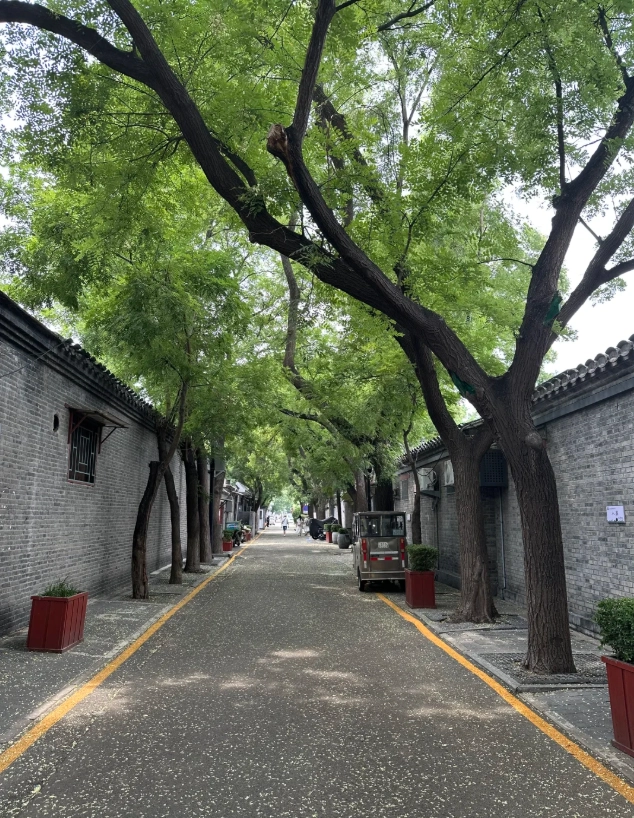
Pro Tip: Exit the Forbidden City through the north gate (神武门). Directly across the street is the entrance to Jingshan Park (CNY 2). A quick ten-minute climb to the top of the hill gives you the single best, postcard-perfect view of the entire palace complex laid out before you. It's the perfect cap to the morning.
For lunch, skip the overpriced tourist traps. Hop in a taxi or take the subway to the Xinjiekou area. Find a place like Xinjiang Fengwei Restaurant (新疆风味饭馆) for hearty lamb skewers and hand-pulled noodles. It's noisy, chaotic, and delicious.
Your afternoon and evening belong to the hutongs. Head to the Shichahai area, encompassing Houhai, Qianhai, and Xihai lakes. My advice? Avoid the main lakeside bars blasting music. Instead, wander the maze of alleys west of Houhai. You'll see traditional courtyard homes, tiny noodle shops, and locals playing chess.
Dinner is a chance for Peking duck. Siji Minfu (四季民福) has several branches, including one near the Dongsi subway station that's popular but less frantic than the one by the palace. Expect to wait. The skin is crackling perfection. Budget around CNY 250 per person.
Day 2: The Great Wall & Modern Wonders
This is your big excursion day. You have choices, and the wrong one can mean hours stuck in traffic with crowds.
Mutianyu is my consistent recommendation for a first-time, 3-day visit. It's restored, accessible, stunningly scenic, and less packed than Badaling. More importantly, it has a cable car up and a toboggan slide down, which is as fun as it sounds. To get there, book a private car for the day (around CNY 600-800) for maximum flexibility. Alternatively, the Tourist Bus 867 departs from Dongzhimen, but schedules are limited.
Leave your Beijing hotel by 7:00 AM. The 90-minute drive gets you there as it opens. Buy the combo ticket for entrance, cable car up, and toboggan down (approx. CNY 185). Walk from tower 14 to tower 6 for the best photo ops and manageable crowds. The toboggan line gets long by midday—another reason to start early.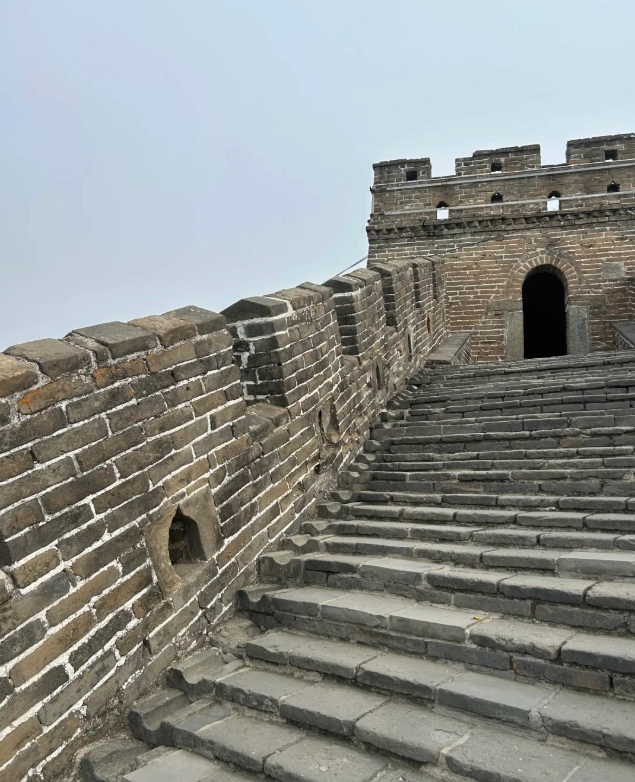
On-Site Observation: Let's be honest - the Great Wall is exhausting. The steps are uneven and steep. Wear your most supportive shoes, not fashion sneakers. Bring water and a hat. There's a Starbucks and a Subway at the base, which feels surreal but is a welcome sight for a post-hike coffee.
You'll be back in the city by mid-afternoon. Use this time to see Beijing's modern side. The Olympic Park is easily reached by subway. Walk around the Bird's Nest (National Stadium) and the Water Cube (National Aquatics Center). They're impressive up close, especially lit up at dusk. You generally don't need to go inside unless there's an event.
For dinner, explore the Guijie (Ghost Street) near Dongzhimen. It's a long street lit with red lanterns, packed with restaurants open late. It's famous for spicy crayfish, but you'll find everything from hot pot to lamb spine.
Day 3: Temples & Local Life
After two big days, a slightly slower pace feels right. Start at Temple of Heaven (Tiantan Park). Arrive by 8:30 AM and you'll witness a beautiful local phenomenon: hundreds of Beijing residents dancing, practicing tai chi, playing cards, and writing calligraphy with water brushes on the ground. The park itself is vast and green. The iconic Hall of Prayer for Good Harvests is at the north end (CNY 15 for park entry, CNY 20 for the hall complex). The walk along the central axis is serene.
Next, head north to Yonghegong (The Lama Temple). This is a functioning Tibetan Buddhist temple, and the atmosphere is thick with incense and solemnity. It's a stark, spiritual contrast to the imperial sites. The highlight is the 26-meter tall statue of Maitreya Buddha carved from a single sandalwood tree. Entrance is CNY 25.
Right across the street is Confucius Temple and the Imperial College, a quieter, scholarly complex often overlooked by tourists. It's a peaceful escape.
Your final afternoon is for shopping and last bites. Nanluoguxiang is a famous hutong-turned-shopping street. It's touristy, yes, but it's fun for souvenir browsing and people-watching. For more authentic (and less crowded) alleyways, peel off into the hutongs branching off its sides.
Your final mission: find Beijing yogurt (老北京酸奶). It's served in little ceramic pots with a paper seal. You'll see vendors with crates of them. Drink it on the spot and return the pot. It's tart, refreshing, and costs about CNY 5. The perfect, simple farewell to the city.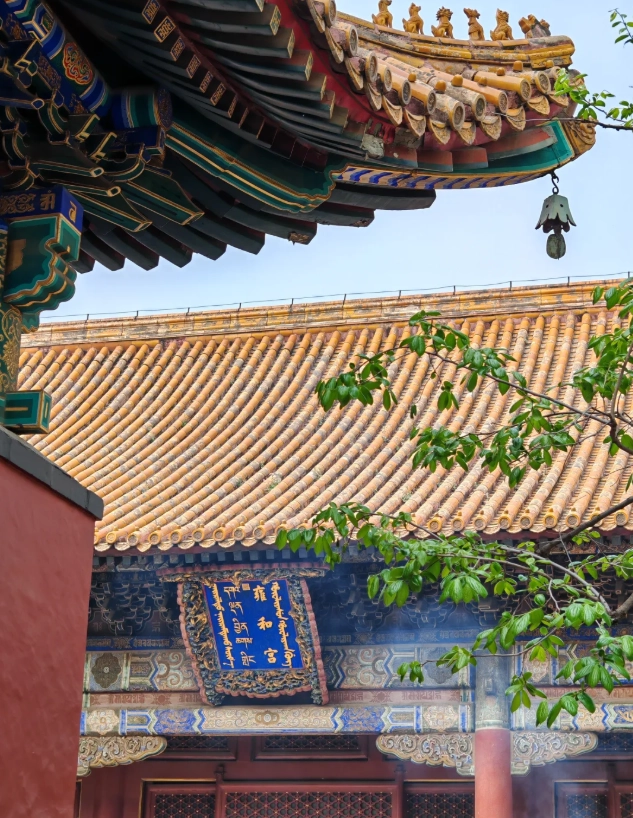
Practical Beijing Travel Tips
Getting around is half the battle. Here’s what you need to know.
td>Most city-center travel. Fast and avoids traffic.| Transport Mode | How to Use It | Best For | Cost Estimate |
|---|---|---|---|
| Subway | Buy a rechargeable "Yikatong" card at any station. Tap in/out. Google Maps is blocked; use Apple Maps or Baidu Maps. | CNY 3-7 per ride | |
| Didi (Chinese Uber) | Download the app before you arrive. Set up payment (international cards can be tricky, cash works). | Direct trips, late nights, when tired. | Varies; short trips ~CNY 15-30 |
| Taxi | Hail on street or find ranks. Have your destination written in Chinese. | When Didi surge pricing is high. | Metered, starting at CNY 13 |
| Walking | Many central attractions are clustered. Hutongs are best explored on foot. | Hutong exploration, short distances between sites. | Free |
Money & Connectivity: While Alipay and WeChat Pay are ubiquitous, international cards linked to these apps often don't work for foreigners. Carry enough cash (RMB). Get a local SIM card or an eSIM with data upon arrival at the airport—you'll need it for maps and translation.
Accommodation Sweet Spot: Stay within the 2nd Ring Road, near a subway line. Areas like Dongcheng (near Dongsi, Zhangzizhonglu stations) or Xicheng put you close to hutongs and key sights. A well-located 3-star hotel will cost between CNY 500-800 per night.
FAQ: Your Beijing Questions Answered
This itinerary is dense but doable. It moves at a pace that lets you feel the city's different rhythms—from silent temple courtyards to the bustling energy of a hutong market. Pack comfortable shoes, a sense of curiosity, and get ready to walk through layers of history.





What a gem of an itinerary! I'm so glad I chose this over the cookie-cutter alternatives. Day 2 was my favorite – the walk from Beihai Park through the hutongs to the Drum Tower was magical, especially when we stumbled upon a tiny tea house recommended in the notes. The owner even gave us a mini history lesson. Every recommendation felt curated with genuine love for the city. By the end of day 3, I felt like I'd truly connected with Beijing, not just seen it. Will use this writer's guides again without hesitation.
Used this as a baseline and made some tweaks. The itinerary does cover the heavy hitters efficiently, but I found the third day a bit weak – lots of walking around the 798 Art District without a clear plan for lunch or rest stops. My feet were killing me by 2 PM. Also, the 'secret' hutong tour ended up being a group of 30 tourists following a guide with a flag… not exactly local or secret. Not bad, but more like a 3.5 rounded up. Wouldn't rely on it alone.
I followed this itinerary solo and it made my Beijing trip unforgettable! The detailed tips about avoiding peak hours at the Summer Palace saved me from the crowds – I could actually hear the birds and wind by the lake. The secret spot for photographing the Temple of Heaven at sunrise was worth waking up at 4:30 AM. The instructions were clear and easy to follow even for a first-timer in China. Felt like I had a local friend guiding me. Absolutely a 5-star experience.
Honestly, this itinerary was okay but a bit overhyped. The Great Wall section was solid – they directed us to the Mutianyu section which was less crowded, so props for that. But a couple of the 'local secrets' felt like they were just random alleyways with nothing special. The food recommendations were hit or miss: one noodle place was fantastic, another was a tourist trap with mediocre dumplings. Three days felt a bit tight; I’d rather have spent an extra half day exploring on my own.
Just got back from following this itinerary with my partner and it was absolutely perfect! The mix of touristy must-sees like the Forbidden City and hidden gems like the hutongs near Shichahai made every day feel fresh. We especially loved the breakfast spot they suggested near the Lama Temple – best jianbing I've ever had. The pacing was spot-on; never felt rushed. Highly recommend for anyone wanting a real taste of Beijing without the generic tour group feel.