 Hui Lin
Spending a week in Beijing feels like flipping through a massive history book while simultaneously getting shoved into a futuristic metropolis. It's overwhelming, thrilling, and utterly unique. I've walked these streets countless times, gotten lost in hutongs, waited in those infamous ticket lines, and found quiet moments even at the busiest sites. This isn't just a list of places; it's a tested, paced plan to experience the capital's soul without burning out.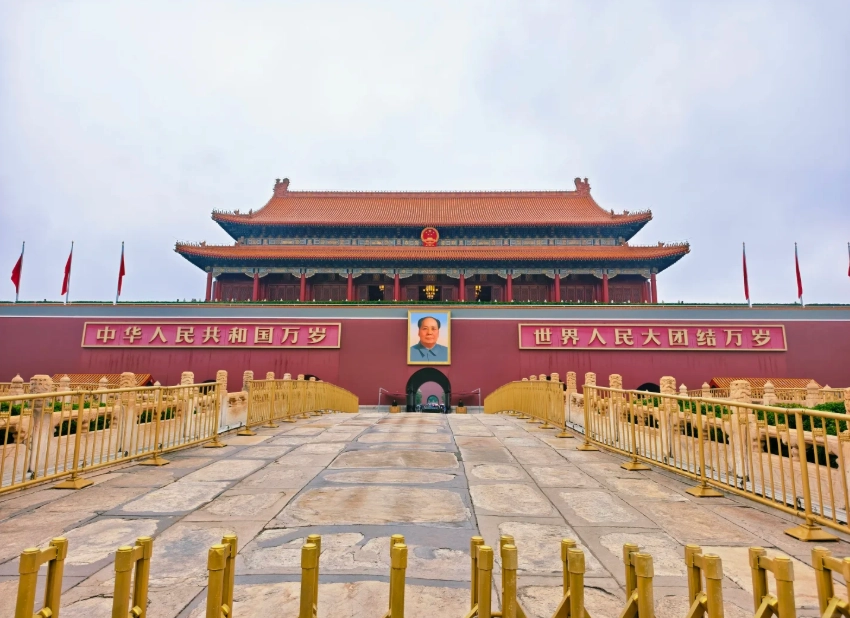
Your Week at a Glance
- Day 1: Tiananmen Square & The Forbidden City
- Day 2: The Great Wall at Mutianyu
- Day 3: Temple of Heaven & Hutong Life
- Day 4: The Summer Palace & Old Summer Palace
- Day 5: Lama Temple, Confucius Temple & Drum Tower
- Day 6: 798 Art District & Beijing Daxing
- Day 7: Final Explorations & Departure
- Practical Beijing Travel Tips
- FAQs: Your Beijing Trip Answered
Day 1: Tiananmen Square & The Forbidden City
Start big. Take Subway Line 1 to Tiananmen East or West station. Emerging onto the square is a sensory jolt—the scale is almost incomprehensible. Security is tight; have your passport ready. Walk north through the gate under Mao's portrait into the Forbidden City.
The palace complex is vast. Don't try to see every hall. Focus on the central axis (Throne Halls) and the eastern side where the Treasure Gallery is. It costs extra but houses jaw-dropping artifacts. The western palaces feel quieter, more lived-in.
Exit north and climb the hill in Jingshan Park across the street. The 2 RMB entry fee buys you the iconic postcard view over the Forbidden City's golden roofs—best just before closing. For dinner, skip the tourist traps around the palace. Hop in a taxi to Da Dong Roast Duck (Tuanjiehu branch). Their skin is famously crispy, less greasy than others. A whole duck runs about 298 RMB.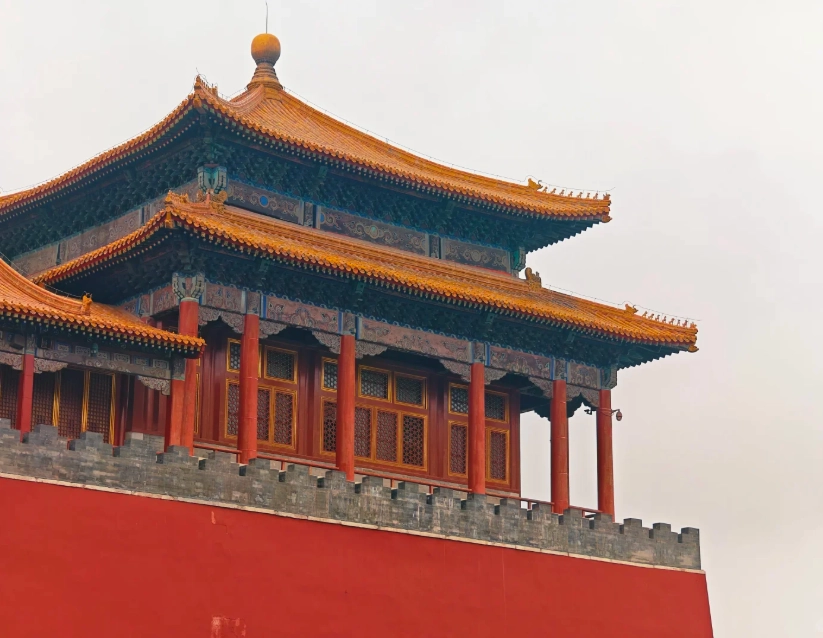
Day 2: The Great Wall at Mutianyu
You need a full day for this. Badaling is closest but a crowded nightmare. Mutianyu, about 1.5 hours drive, offers stunning views and a fun mix of hiking and cable car/toboggan options.
How to get there: Easiest is booking a private car/driver (approx 600-800 RMB roundtrip for the day). Or take public bus 916 Express from Dongzhimen to Huairou, then a local minibus. It's an adventure but time-consuming.
I recommend taking the cable car up to Tower 14, walk east towards Tower 6 (the easier, scenic route), then take the famous metal toboggan slide down. It's genuinely fun. Pack water and snacks; options on the wall are limited and pricey. Wear proper shoes—the steps are uneven and steep.
Return to the city by late afternoon. Your legs will thank you for a relaxed evening. Find a local "Jiaozi" (dumpling) restaurant near your hotel. Xian Lao Man near Gulou has dozens of varieties—try the pork and fennel.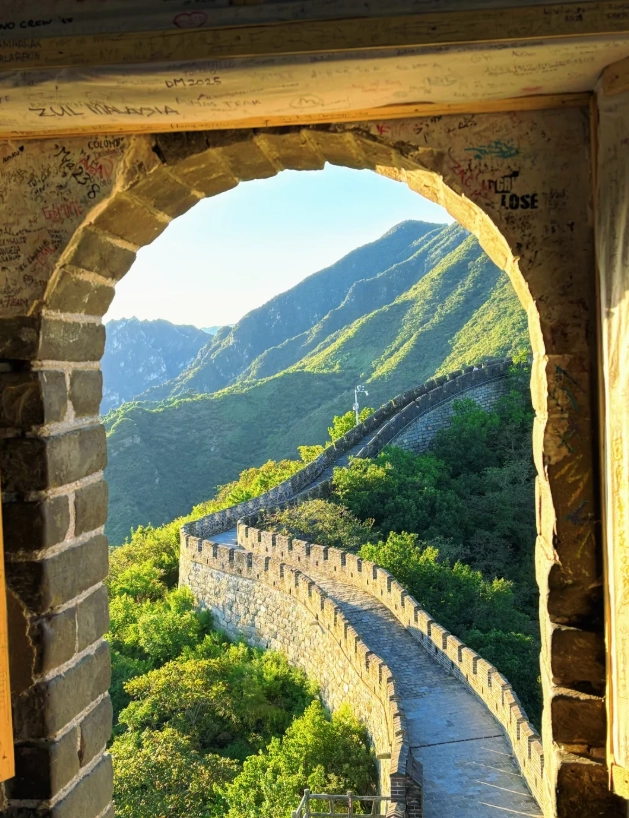
Day 3: Temple of Heaven & Hutong Life
Start at the Temple of Heaven (Subway Line 5, Tiantandongmen Station). Come early to see locals practicing tai chi, dancing, and playing cards in the vast park. The Hall of Prayer for Good Harvests is the star. The acoustics of the Echo Wall are cool, but it often doesn't work with crowds.
Afternoon is for hutongs. Skip the overly commercial Nanluoguxiang. Instead, get lost in the networks around Wudaoying Hutong or Fangjia Hutong. You'll find quirky cafes, indie shops, and normal Beijing life happening in courtyard homes.
I once stumbled upon a man flying a pigeon from his rooftop, the whistles attached to the bird echoing down the alley—a sound you won't forget. For a guided experience, book a hutong food tour. You'll try "zhajiangmian" (noodles with fried bean sauce), "baozi" (steamed buns), and maybe even "douzhi" (fermented bean drink)—an acquired taste I still haven't acquired.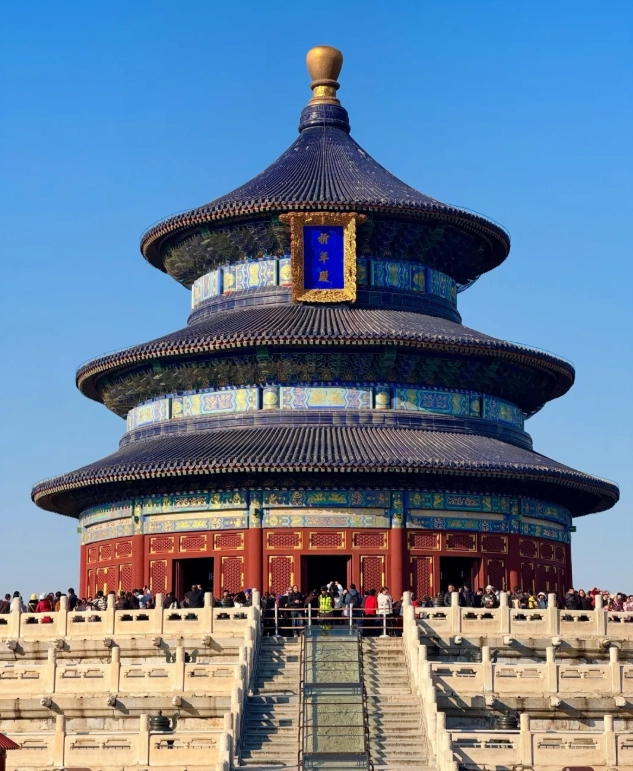
Day 4: The Summer Palace & Old Summer Palace
Two palaces, one day, contrasting fates. Start at the Summer Palace (Yiheyuan). Take Subway Line 4 to Beigongmen Station. This is an imperial garden, a place of leisure. Focus on Kunming Lake and Longevity Hill. The Marble Boat is famous, but the Long Corridor painted with scenes is more impressive.
Rent a boat if the weather's nice. Then, take a short taxi or bus to the Old Summer Palace (Yuanmingyuan), right next door. This is a ruin. It was looted and burned in 1860. Walking among the shattered European-style marble remains is a powerful, somber history lesson. The vast gardens are peaceful, often less crowded.
It's a lot of walking. For dinner, head to the Wangfujing area. The snack street is a tourist spectacle (scorpions on sticks, etc.), but the Donghuamen Night Market has toned down. For a proper meal, Quanjude Roast Duck (Wangfujing branch) is the classic, though I find it a bit overpriced.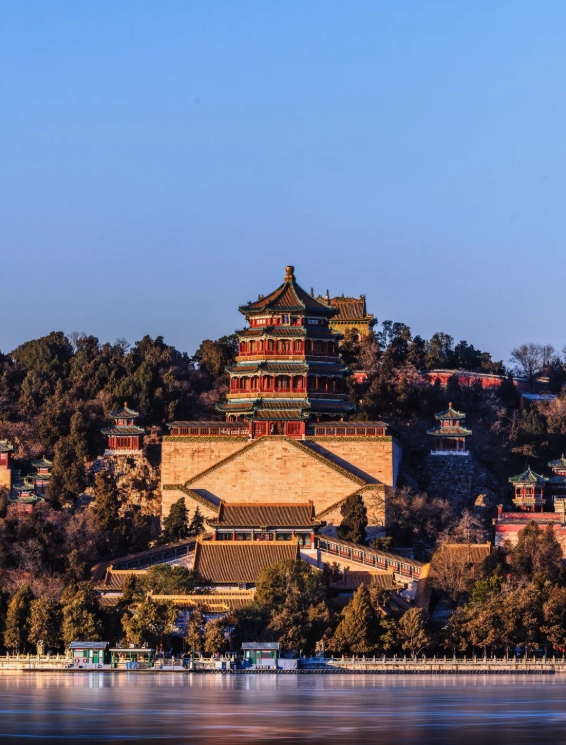
Day 5: Lama Temple, Confucius Temple & Drum Tower
A day of spirituality and local rhythm. Start at the Yonghe Temple (Lama Temple) (Subway Line 2/5, Yonghegong Station). It's a working Tibetan Buddhist monastery. The smell of sandalwood incense is thick in the air. The 18-meter-high Maitreya Buddha carved from a single sandalwood tree is breathtaking. Observe quietly.
Just across the street is the Confucius Temple and Imperial College. It's serene, with ancient cypress trees and stone tablets. You can feel the scholarly weight.
Walk south through hutongs to the Drum Tower. Time your arrival for one of the drumming performances (usually on the hour). Climbing the steep stairs rewards you with a north-south view along the central axis. Across the street, the Bell Tower is similar; pick one.
Spend the evening around Houhai Lake. It's lively at night with bars and music, but the back lakes (Xihai) are quieter. Rent a bike and cycle the hutongs here.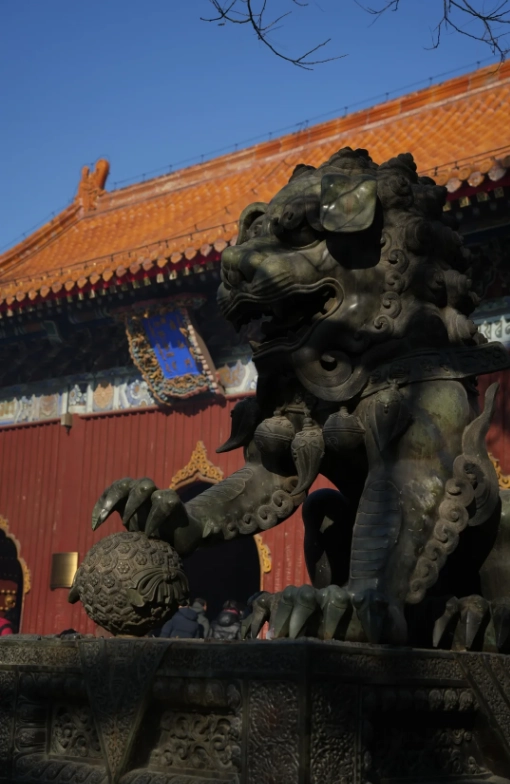
Day 6: 798 Art District & Beijing Daxing
A shift to modern Beijing. 798 Art Zone is a converted factory complex filled with contemporary art galleries, cafes, and design shops. Take Subway Line 14 to Jiangtai, then a short walk. Galleries like UCCA and Pace are world-class. The industrial architecture is as interesting as the art. You can easily spend half a day here.
In the late afternoon, venture south. Visit the Beijing Daxing International Airport even if you're not flying from it. Take the dedicated high-speed Daxing Airport Express from Caoqiao. The terminal, designed by Zaha Hadid, is a futuristic marvel—a starfish-shaped canopy that feels like a sci-fi movie set. Have a coffee and watch the planes. Return on the same express line.
For a final night feast, explore Ghost Street (Gui Jie) near Dongzhimen. It's a long street lit red at night, packed with restaurants, most famous for spicy crayfish (malaxia). Hu Da Restaurant is the king here, but be prepared for a long queue.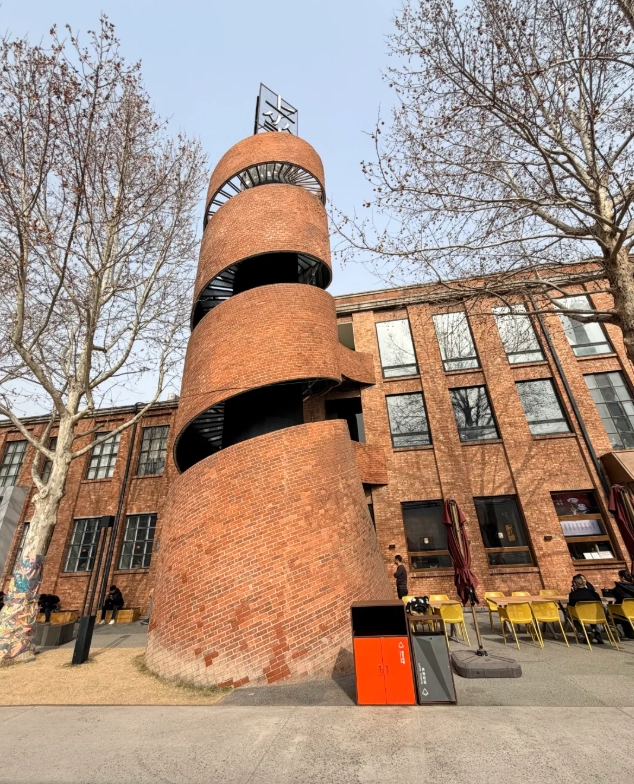
Day 7: Final Explorations & Departure
Use your last morning to revisit a favorite spot, shop for souvenirs, or explore something new.
- Panjiayuan Antique Market (open weekends, best in morning): For trinkets, "antiques," calligraphy, and people-watching. Bargain hard.
- National Museum of China (on Tiananmen Square): Immense and free, but requires online booking. Overwhelming but brilliant for Chinese history.
- Beihai Park: Another classic imperial garden with a giant white dagoba on an island.
Grab a last bowl of noodles or some dumplings before heading to the airport (PEK or PKX). Allow ample time for traffic and airport security.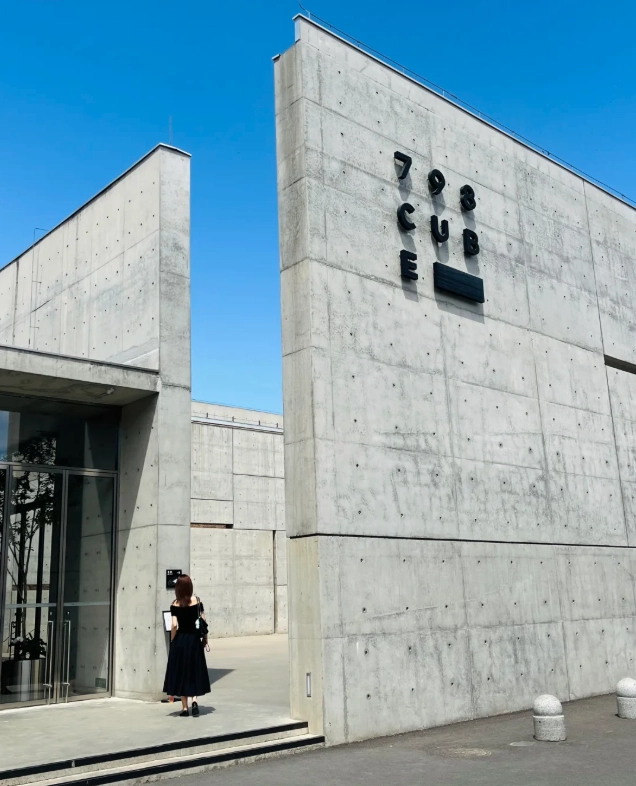
Practical Beijing Travel Tips
A few non-negotiable things to know:
| Item | Key Info & Recommendation |
|---|---|
| Metro Card | Get a Yikatong transport card at any station. Load it with 50-100 RMB. It works on all subways and buses, saves time, and gives a small discount. |
| Mobile Payment | Set up Alipay or WeChat Pay with your foreign card. 95% of places accept it, from street vendors to taxis. Cash is becoming difficult. |
| VPN | Google, Facebook, WhatsApp, Instagram are blocked. Install a reliable VPN before you arrive. It's essential for navigation (Google Maps works poorly without it). |
| Navigation Apps | Use Apple Maps (works well) or download Baidu Maps. For subway routing, "Explore Beijing Metro" app is handy. |
| Air Quality | Check an app like IQAir. On bad days (AQI >150), consider a mask with a filter (N95/KN95). It can affect visibility and your breathing. |
| Tickets | For major sites (Forbidden City, Temple of Heaven, Summer Palace), book online in advance. Scan the QR code at the gate. Avoid ticket queues entirely. |
FAQs: Your Beijing Trip Answered
This plan balances must-see landmarks with local flavor, paces the sightseeing, and builds in flexibility. Beijing demands engagement—walk its alleys, try the unfamiliar dishes, embrace the chaos. A week here changes your perspective.
This guide is based on extensive personal travel and regular fact-checking against official sources and local updates.





We travelled with two kids (ages 8 and 11) and this itinerary worked quite well with a few modifications. The suggestion to visit the National Museum early morning was genius – no queues and the kids loved the dinosaur hall. However, the ‘hidden gem’ section included a bar street that’s definitely not family‑friendly. We skipped that. Also, the walking distances are underestimated; our youngest got tired by Day 2. Good base guide, just need to adapt for kids.
I was expecting more depth from a guide called ‘Hidden Gems’. Most of the so‑called hidden spots turned out to be heavily Instagrammed places (e.g., the ‘secret’ Great Wall section was crowded with influencers). The itinerary also skips any real cultural context – just lists of sights with no background stories. I ended up supplementing with a separate history book. The map quality is decent, but overall I felt a bit misled. Okay for a first‑timer maybe.
As a budget traveler, I was worried this would be all expensive tourist traps, but it’s actually super practical! The guide pointed out free walking routes in the Temple of Heaven area and a cheap dumpling place that cost me less than ¥20. The ‘hidden gem’ section was a lifesaver – I found a quiet tea house in a side hutong where locals play chess. Only downside: some metro directions are a bit vague. But for the price (free!), this is gold.
Overall a solid itinerary, but I found it a bit too packed. Day 3 tried to cover both the Summer Palace and the Lama Temple – I ended up rushing through the Summer Palace and didn’t get to enjoy the lake view as much. The hidden gem recommendations were great though, especially the little noodle shop near Beihai Park. If you’re a slow traveler like me, maybe drop one sight per day. Still worth using as a base.
I used this itinerary for my solo trip last month and it was spot on! The mix of must-sees like the Forbidden City and hidden gems like the 798 Art District made every day exciting. I loved the suggestion to hit the hutong alleyways early morning – the smell of fresh jianbing and the quiet vibe were unforgettable. The tips on which metro exits to use saved me so much time. Honestly, this guide felt like a local friend showing me around. Highly recommend!