 Lei Li
Beijing is overwhelming. You land with a list a mile long, and suddenly you're staring at a map wondering how you'll possibly fit it all in. The Forbidden City, the Great Wall, temples, hutongs – it's easy to end up rushing from one famous gate to another without really seeing anything. After multiple visits and plenty of missteps, I've learned that the key isn't to see everything. It's to see the right things, the right way. This isn't a generic list. It's a filter for your limited time, focusing on the experiences that genuinely define Beijing and the practical, on-the-ground details most guides gloss over.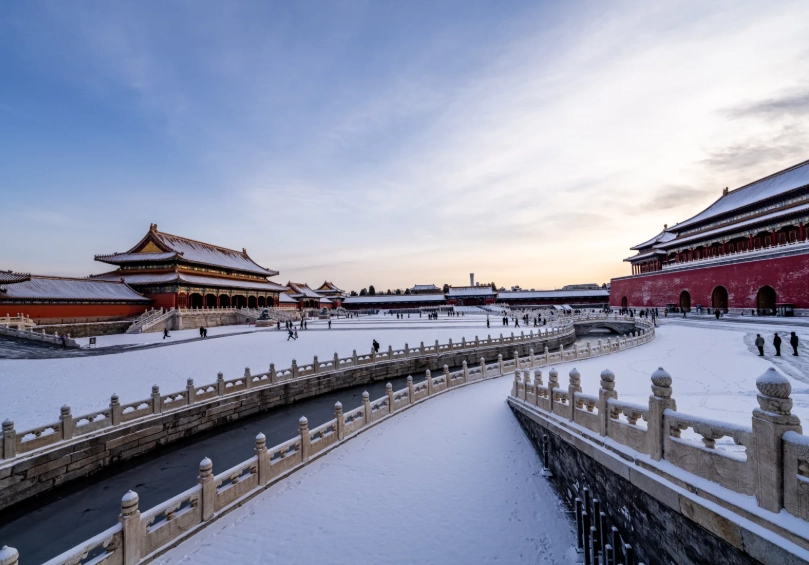
Your Quick Navigation
The Forbidden City (Palace Museum): More Than Just a Photo Op
Let's be clear: you can't skip this. It's the heart of imperial China. But most people get it wrong. They enter through Tiananmen Gate, shuffle through the central axis halls in a massive crowd, and leave exhausted two hours later, having seen a fraction of its story.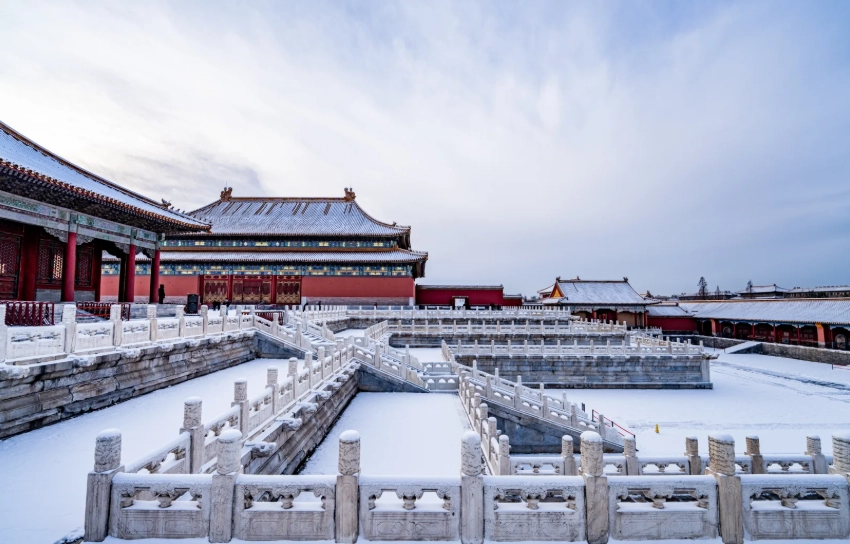
Getting Your Tickets and Beating the Crowds
Tickets: You must book online in advance through the official Palace Museum website. On-site sales are virtually non-existent. The standard entry ticket is 60 RMB. I recommend the "Treasure Galleries" add-on (10 RMB) for a quieter, more intimate look at imperial artifacts.
Address: 4 Jingshan Qianjie, Dongcheng District.
Hours: 8:30 AM - 5:00 PM (last entry at 4:10 PM). Closed on Mondays.
Metro: Take Line 1 to Tiananmen East Station (Exit B) or Tiananmen West Station (Exit A). Follow the signs and the crowd.
The Great Wall: Choosing Your Section is Everything
"Seeing the Great Wall" is useless advice. Which part? There are dozens. Your choice defines your entire experience. The two most accessible and rewarding for first-timers are Badaling and Mutianyu.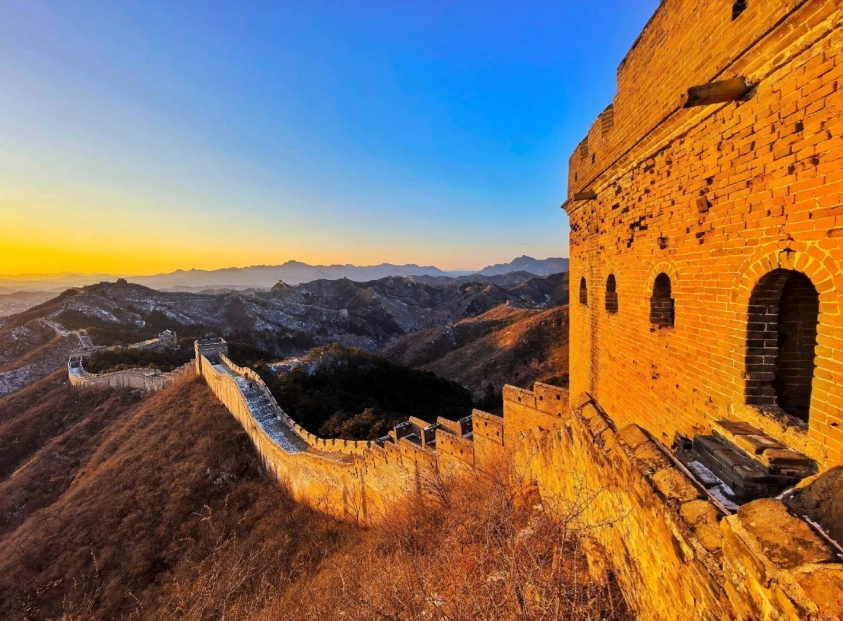
Badaling is the famous one. It's impeccably restored, easy to walk, and has the most infrastructure. It's also the most crowded. I've been on a Tuesday morning in October where it felt like a stadium. The upside? The express train from Beijing North Station (about 80 mins) makes it incredibly straightforward. If you're short on time or have mobility concerns, it's the logical choice.
Mutianyu is my personal pick. It's about 90 minutes by car from central Beijing. The crowds are significantly thinner, the scenery is more dramatic with dense forest, and you have a fun option: a chairlift up and a toboggan slide down. It's less of a historical purist's experience but a far more enjoyable one for most visitors. The wall here is also restored but feels more integrated with the landscape.
Ticket & Transport: Mutianyu entry is around 45 RMB. The chairlift/toboggan combo is about 140 RMB round-trip. I booked a private car for a half-day (cost split with 3 others was reasonable), which gave us control. Many hotels can arrange shared vans. Public buses exist but involve transfers and are time-consuming.
Temple of Heaven: A Masterpiece of Design
This is where emperors prayed for good harvests. It's not a palace; it's a spiritual complex, and the architecture reflects cosmic principles. The Hall of Prayer for Good Harvests is the iconic blue-roofed building, but the magic is in the park itself.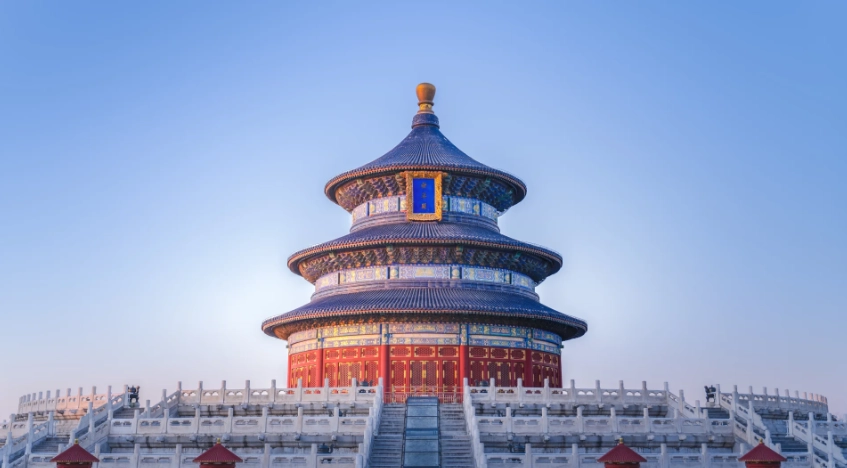
Ticket: The park entry is 15 RMB. To enter the core architectural complexes (the Hall, the Imperial Vault of Heaven, the Circular Mound Altar), you need the through ticket for 34 RMB. Get the through ticket.
Address: 1 Tiantan East Road, Dongcheng District.
Metro: Line 5 to Tiantan Eastmen Station (Exit A).
Hours: Park 6:00 AM - 10:00 PM; Historic sites 8:00 AM - 6:00 PM (seasonal variations).
Go in the morning. You'll share the space with tour groups around the main hall, but wander towards the Circular Mound Altar. Stand in the center of the top platform and speak – the acoustic effect is intentional and fascinating. The real secret? The park is a living space. In the afternoons and especially on weekends, locals take over: dancing, singing opera, playing cards, writing water calligraphy on the ground. Sit on a bench and watch for twenty minutes. This blend of monumental history and vibrant daily life is pure Beijing.
Hutong Life: Beyond Nanluoguxiang
Hutongs are the ancient alleyway neighborhoods. Nanluoguxiang is the most famous. It's fun, packed with trendy shops, cafes, and snacks. It's also completely commercialized and tells you little about actual hutong life.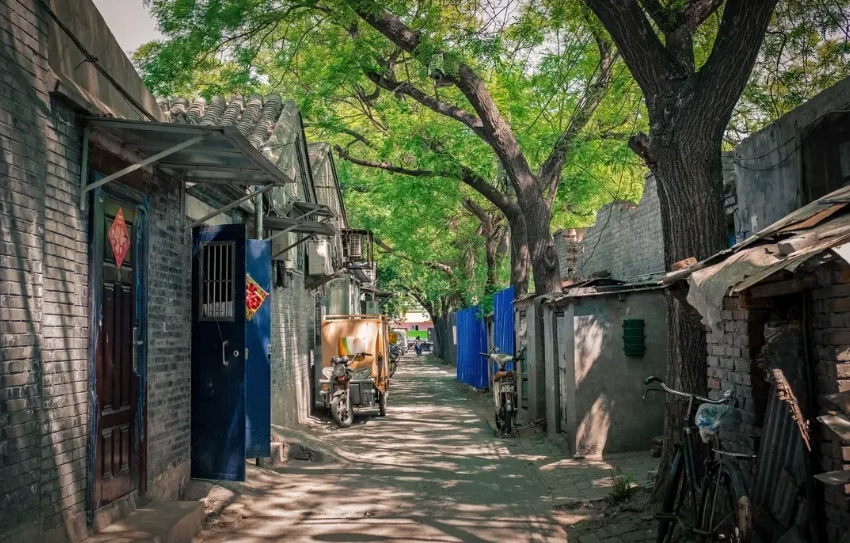
For a more authentic slice, do this: Start at the Bell and Drum Towers (great view from the top for a small fee). Then, wander the hutongs west of the towers, around Yandai Xiejie and the Shichahai lakes. It's still tourist-friendly but feels more residential. Better yet, hire a pedicab for an hour from one of the stands near Houhai lake. The driver will give a canned spiel, but you get to glide through narrow alleys you'd never find on your own, seeing traditional courtyard homes (siheyuan). Agree on the price and duration firmly before you get in.
My favorite quieter alternative is Wudaoying Hutong, near the Yonghe Lama Temple. It has a bohemian, laid-back vibe with great coffee shops and boutiques, but without the overwhelming crowds.
Other Attractions You Shouldn't Overlook
Here’s a quick-hit list of other essentials that often fall off packed itineraries but are absolutely worth the time.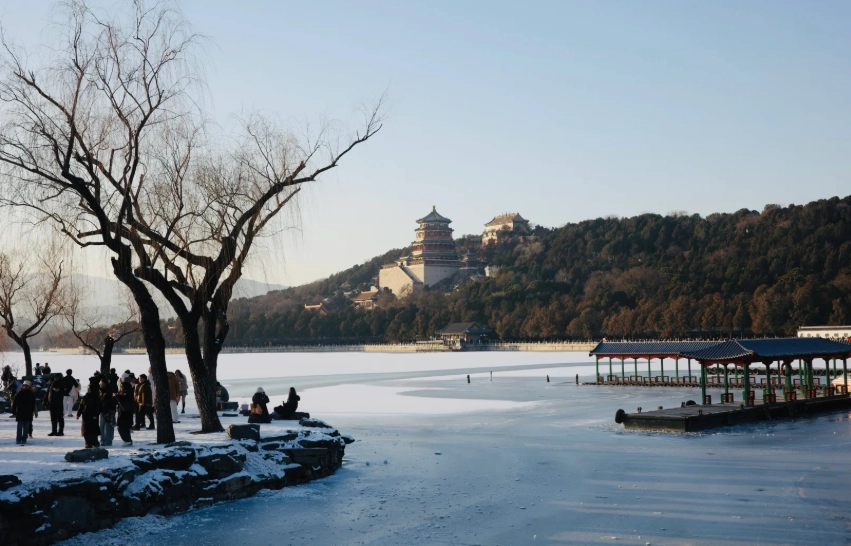
| Attraction | Why It's a Must-See | Practical Tip | Ticket / Metro |
|---|---|---|---|
| Summer Palace | A vast imperial garden centered on Kunming Lake. It's about leisure, not power. The Long Corridor is a painted marvel. | Rent a boat on the lake. It's not cheap, but seeing the Marble Boat and bridges from the water is the best perspective. | ~60 RMB (for full areas). Metro Line 4 to Beigongmen or Xiyuan. |
| Yonghe Lama Temple (Lamasery) | A stunning, active Tibetan Buddhist monastery right in the city. The atmosphere is thick with incense and devotion. | Watch the monks in prayer. The giant Buddha statue in the Wanfu Pavilion is carved from a single sandalwood tree. | 25 RMB. Metro Lines 2/5 to Yonghegong (Exit C or F). |
| 798 Art District | Contemporary art galleries housed in a former East German-built factory complex. A stark, cool contrast to ancient sites. | It's huge. Pick a couple of main galleries (like UCCA) and just enjoy the industrial architecture and cafe culture. | Free (galleries charge separately). Take a taxi; metro access is less convenient. |
| National Stadium & Water Cube | The Bird's Nest and Water Cube from the 2008 Olympics. Iconic modern architecture. Best seen lit up at night. | You don't need to pay to go inside unless there's an event. The outdoor plaza is impressive enough for photos. | Exterior is free. Metro Line 8 to Olympic Sports Center. |
FAQ: Your Beijing Trip Questions Answered
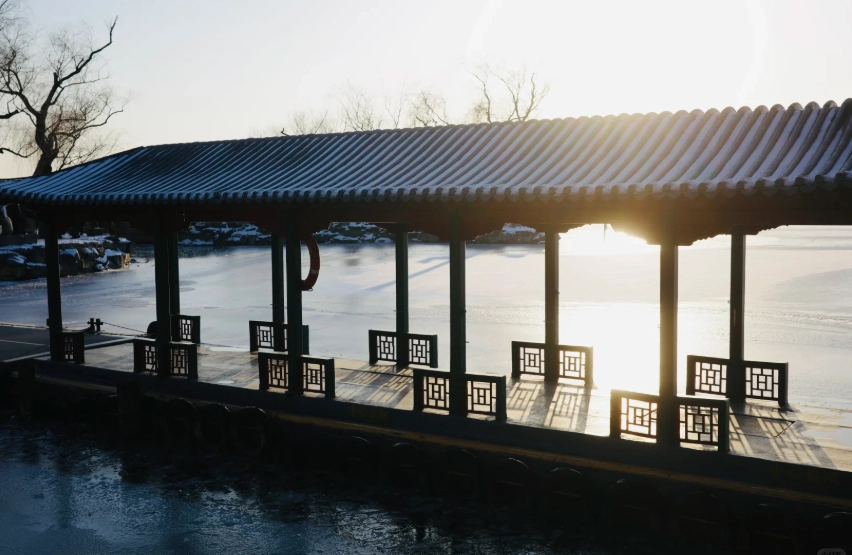 The biggest mistake you can make in Beijing is trying to do too much. Depth beats breadth every time. Pick your core sights, give them the time they deserve, and leave room to get a little lost in a hutong or a park. That's where you'll find the city's real rhythm.
This article is based on personal, on-the-ground experience and has been fact-checked for practical accuracy regarding locations, access, and general travel advice.





Honestly, I was pretty disappointed. The 'essential sights' list missed the Temple of Heaven entirely, and the insider tips felt like recycled advice from a 2015 blog. The writing style was engaging, sure, but I came for fresh information and didn't get it. If you've already skimmed a few free online guides, this won't add much. Save your money.
I appreciated the honesty about which sights are overhyped (like Wangfujing snack street—they called it a tourist trap, which it is). The bar-hopping route near Houhai was a great addition. However, I wish the article had included more budget-friendly food options. Everything recommended was mid-range or higher. Still a good read, just missing that backpacker angle.
Loved the personal anecdotes woven in—especially the bit about getting lost in the Summer Palace and finding a quiet corner with peacocks. That alone made me pack my camera. The section on avoiding crowds at the Forbidden City was practical and easy to follow. A few typos here and there, but nothing that ruined the vibe. Highly recommend reading before you go.
Decent overview, but I found the section on the Great Wall a bit too generic. The 'insider tip' about going to Mutianyu instead of Badaling is common knowledge now. Also, the restaurant recommendation for Peking duck was outdated—the place listed was closed when I tried to go. Useful for absolute beginners, but not for someone who's done a little homework.
This guide saved my trip! I almost skipped the Hutongs, but the insider tip about taking a rickshaw tour at golden hour made all the difference. The description of the night market's smelly tofu stall was spot on too. Only wish there were more maps included. Still, a solid 5-star resource for first-timers.