 Hui Lin
Let me be straight with you. Picking the wrong time to visit Beijing can turn a dream trip into a slog. I've seen it too many times. Visitors arriving in July, their faces melting in the humidity, fighting through shoulder-to-shoulder crowds at the Forbidden City. Or someone in March, bundled up against a surprise sandstorm, wondering where the blue skies went. After years of guiding tours here, I've learned that timing isn't just a detail—it's the difference between a good trip and a great one. The best time to visit Beijing boils down to two golden windows: late April to early June, and mid-September to late October. But why those periods, and what if you can't make it then? Let's break it down, season by season.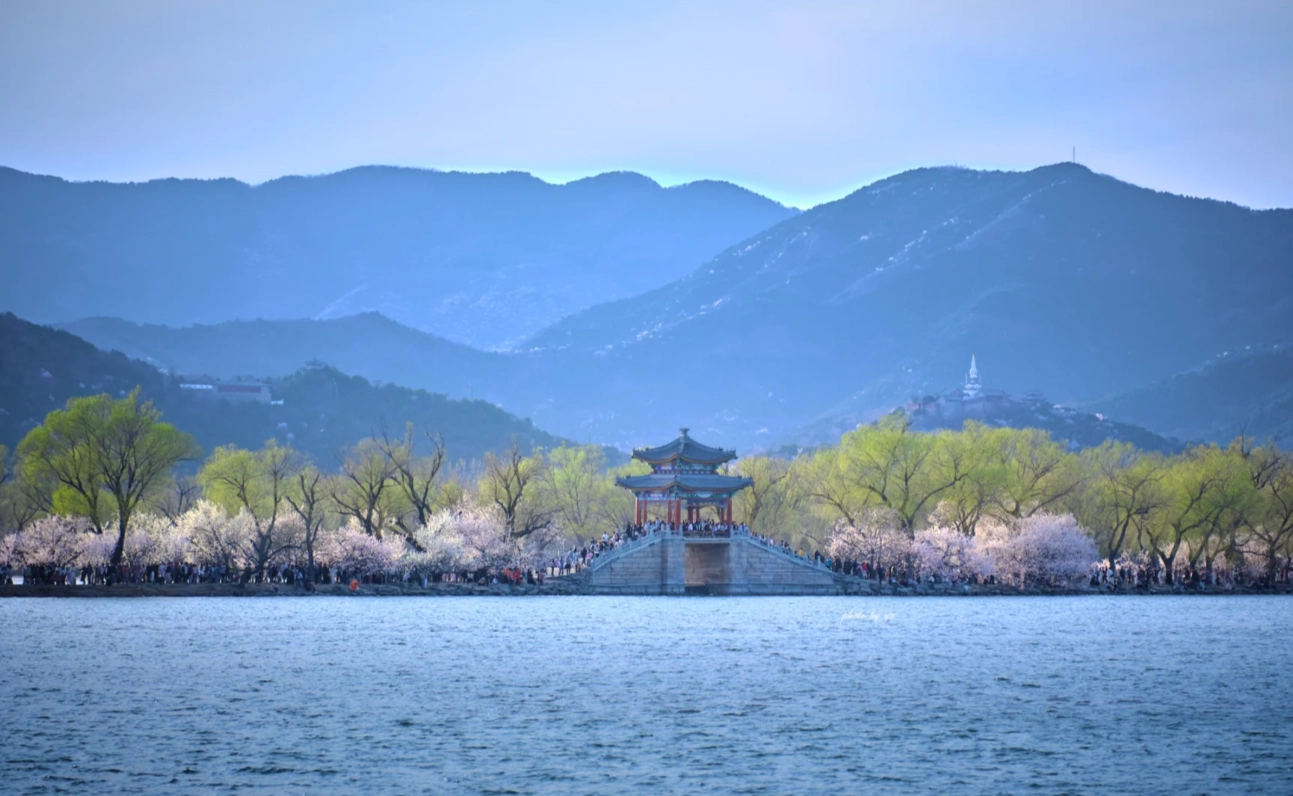
Your Quick Travel Planner
- Why Getting the Timing Right in Beijing Matters
- Spring in Beijing (March - May): Blossoms and Sand
- Summer in Beijing (June - August): Heat, Humidity, and Holidays
- Autumn in Beijing (September - November): The Undisputed Champion
- Winter in Beijing (December - February): Cold, Clear, and Crowd-Free
- Beijing Month-by-Month: A Practical Breakdown
- A 5-Day Itinerary Tailored to Your Season
- Your Beijing Travel Timing Questions Answered
Why Getting the Timing Right in Beijing Matters
Beijing's climate is continental, meaning extremes. This isn't a mild, seaside city. Winters are dry and bitingly cold. Summers are hot and often oppressively humid. Spring brings wind, and occasionally, dust from the Gobi Desert. Autumn is the brief, perfect counterpoint to all of that. Your experience of the city's vast outdoor spaces—the Forbidden City, the Temple of Heaven, the Great Wall sections—is utterly dependent on the weather. Crowds are the second factor. Domestic tourism is massive. National holidays like Chinese New Year (variable Jan/Feb) and Golden Week (first week of October) see hundreds of millions of Chinese traveling. I've waited in line for over two hours just to enter the Summer Palace on a May holiday. Timing your visit to avoid these peaks is as crucial as packing the right clothes.
Spring in Beijing (March - May): Blossoms and Sand
Spring is a season of dramatic transformation here, but it's a slow starter. Early March can still feel like winter. The magic happens from April onward.
The Good Parts of Spring
The city shakes off the grey. I love watching the willows around the Summer Palace turn a vibrant green, and the peach and apricot blossoms in the parks. The temperature becomes pleasant for walking, usually between 15°C to 25°C (59°F to 77°F). Major crowds from summer haven't arrived yet, especially if you avoid the May Day holiday (around May 1st).
The Challenges You Need to Know
This is the season for potential sandstorms, usually in March and early April. The sky turns an eerie orange, and the air gets gritty. It doesn't happen every day, but you should be mentally prepared. The wind can also be fierce. Pack a light scarf and sunglasses. Another thing most guides don't mention: the trees are still bare early on, so the famous views from Jingshan Park over the Forbidden City lack that lush green frame until late April.
Summer in Beijing (June - August): Heat, Humidity, and Holidays
I'll be honest: summer is my least favorite season to guide. From late June through August, Beijing stews. Temperatures routinely hit 35°C (95°F) with high humidity, making the air feel thick.
How to Survive a Summer Visit
If you're stuck with a summer trip, strategy is everything. Plan like a local: activity in the early morning and late evening. Visit outdoor sites like the Great Wall at Mutianyu as soon as it opens at 7:30 AM. You'll have cooler temps and beat the tour buses. Spend the scorching midday hours indoors—explore the National Museum of China (free entry, book online via their official site) or dive into air-conditioned shopping malls like Wangfujing. Hydration is non-negotiable; carry water everywhere. Also, this is the rainy season. Sudden, heavy downpours are common, so a compact umbrella is a lifesaver.
The Crowd Factor
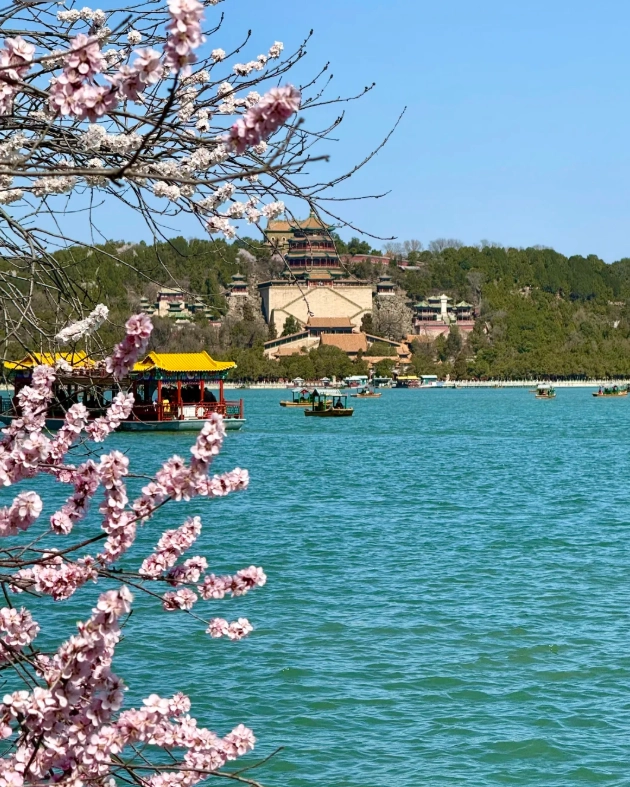
July and August coincide with summer vacation for Chinese students. Every major attraction is packed with families. Lines are long, and the atmosphere is more hectic. The upside? The lakes at the Summer Palace are full of lotus flowers in bloom, which is a spectacular sight you won't see in other seasons.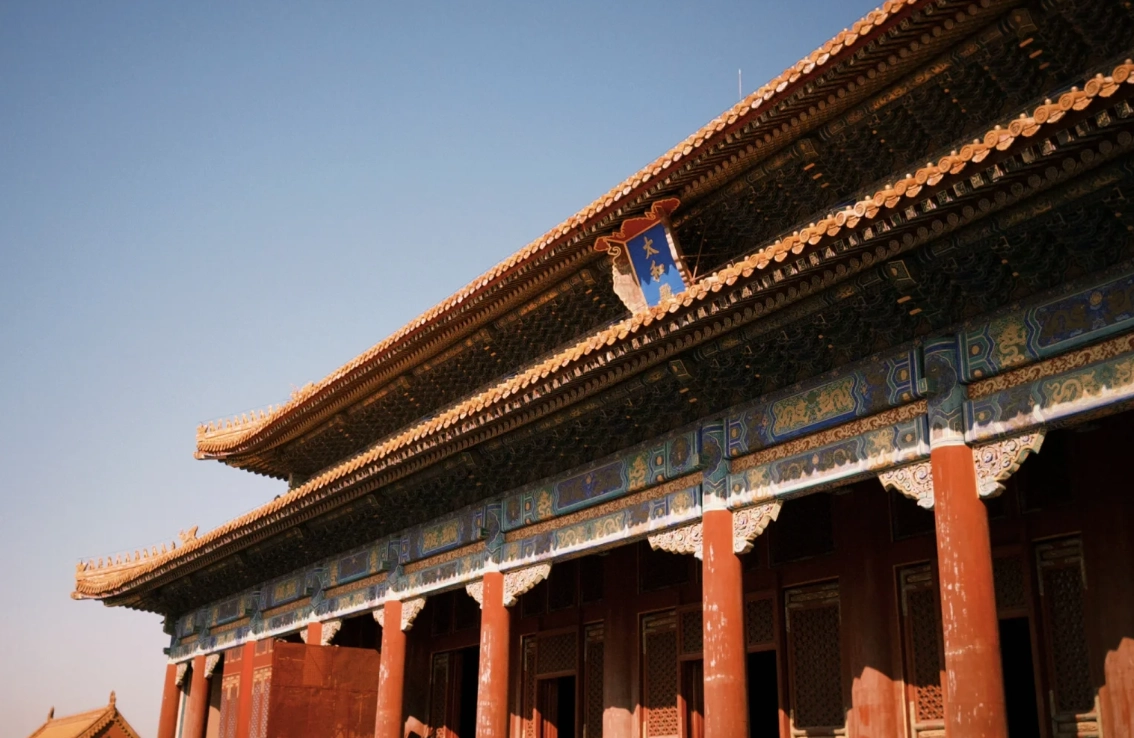
Autumn in Beijing (September - November): The Undisputed Champion
Ask any longtime Beijing resident, and they'll sigh happily talking about autumn. This is the city at its absolute best, and here's why.
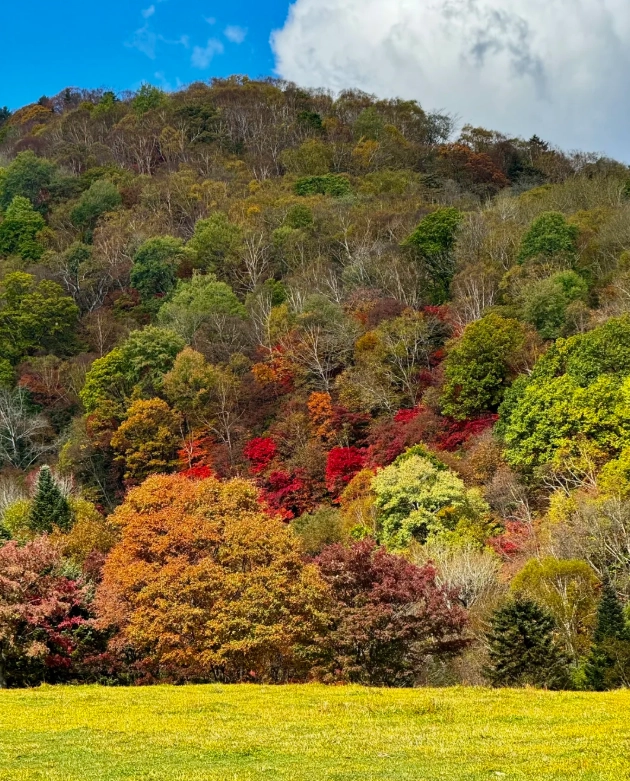
The heat breaks, the humidity vanishes, and the sky often turns a deep, clear blue—a phenomenon locals call "Beijing blue." The air is crisp, with comfortable temperatures between 10°C and 22°C (50°F to 72°F), perfect for all-day exploration. The crowds from summer have thinned (except for the Golden Week trap in early October). But the real showstopper is the foliage. The ancient cypress trees in the Temple of Heaven stand dark green against the blue sky, while the gingko trees lining streets like Diaoyutai erupt into a blinding, brilliant yellow. The red walls of the Forbidden City look more vibrant under the autumn sun.
I always take my autumn groups to Fragrant Hills (Xiangshan Park) in late October. The maple leaves turn the hillsides fiery red. It gets busy on weekends with locals, but a weekday visit is pure tranquility. The park is open from 6:00 AM to 6:30 PM, and the entrance fee is about 10 RMB. Take the cable car up for breathtaking views.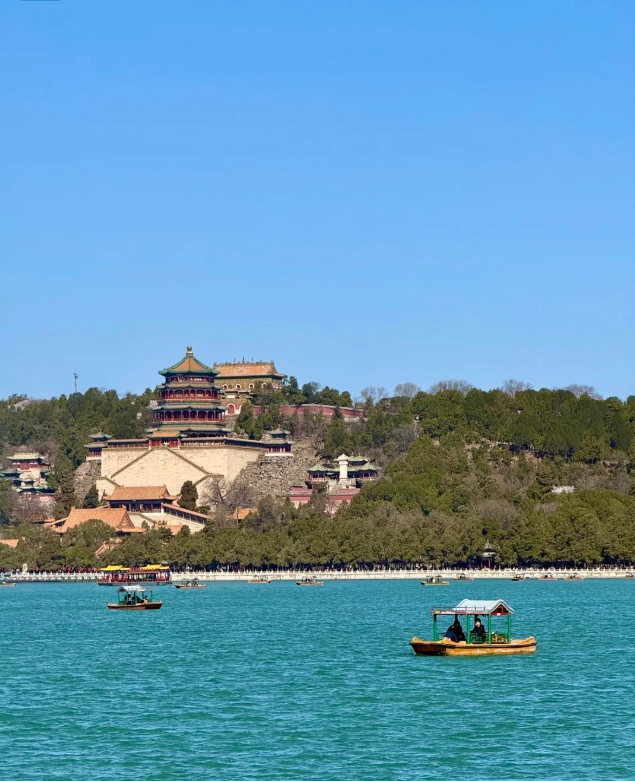
Winter in Beijing (December - February): Cold, Clear, and Crowd-Free
Winter is Beijing's most underrated season. Yes, it's cold. January averages -3°C to 4°C (27°F to 39°F), and the wind off the plains can be piercing. But if you dress properly—thermal layers, a down jacket, hat, gloves, and good boots—it's incredibly rewarding.
The Unique Winter Advantages
You get the monuments to yourself. Walking through the vast, empty courtyards of the Forbidden City with a dusting of snow is an experience that feels centuries old. The low winter sun casts long, dramatic shadows across the stonework. The Great Wall, like the Badaling or Juyongguan sections, becomes a stark, majestic ribbon over frozen ridges. Tourist numbers are at their lowest, so you can explore at your own pace without jostling. Another perk: hotel rates are often at their most affordable.
Important Winter Considerations
Some outdoor attractions may have shorter hours. Always check official websites before you go. The air quality can be poorer in winter due to heating systems, though it's improved significantly in recent years. The Chinese New Year period (usually late Jan/early Feb) is an exception to the low crowds—it's a massive travel period domestically, but the city itself can feel quiet as residents leave to visit family, with many small restaurants and shops closed for the holiday.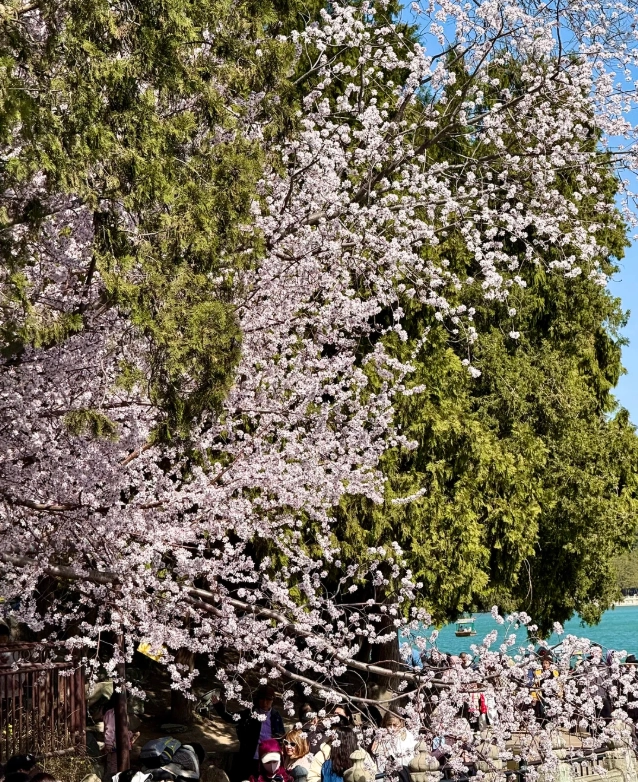
Beijing Month-by-Month: A Practical Breakdown
| Month | Weather & Feel | Crowd Level | Key Consideration | Verdict |
|---|---|---|---|---|
| March | Unpredictable. Chilly start, warming end. Risk of sandstorms. | Low to Medium | Windy, trees still bare. Layer up. | Okay, but not ideal. |
| April | Pleasant and warming. Blossoms appear. | Medium | One of the best months. Avoid Labour Day (end of month). | Highly Recommended |
| May | Warm and generally sunny. Perfect walking weather. | Medium to High | Early May has a national holiday. Aim for mid-to-late May. | Top Choice |
| June | Start of heat & humidity. Can be rainy. | High (schools out) | Mornings and evenings are your friends. | Challenging |
| July & August | Hot, humid, and rainy. Air can feel heavy. | Very High | Peak tourist season. Hydrate relentlessly. | Least Recommended |
| September | Heat breaks. Clear, comfortable skies return. | High (early) to Medium (late) | Later in the month is golden. | Top Choice |
| October | Crisp autumn perfection. Foliage peaks. | Extreme (Golden Week) to Medium (rest) | Avoid Oct 1-7 at all costs. Post-holiday is bliss. | Best (late month) |
| November | Cooling down rapidly. Clear and dry. | Low | Can be quite cold by month's end. Last call for autumn. | Very Good |
| December - February | Cold and dry. Chance of beautiful snow. | Very Low (except near CNY) | Bundle up. Experience iconic sites in solitude. | Great for crowd-haters |
A 5-Day Itinerary Tailored to Your Season
Here’s how I adjust a classic Beijing itinerary based on the season. This isn't a rigid schedule, but a flexible framework.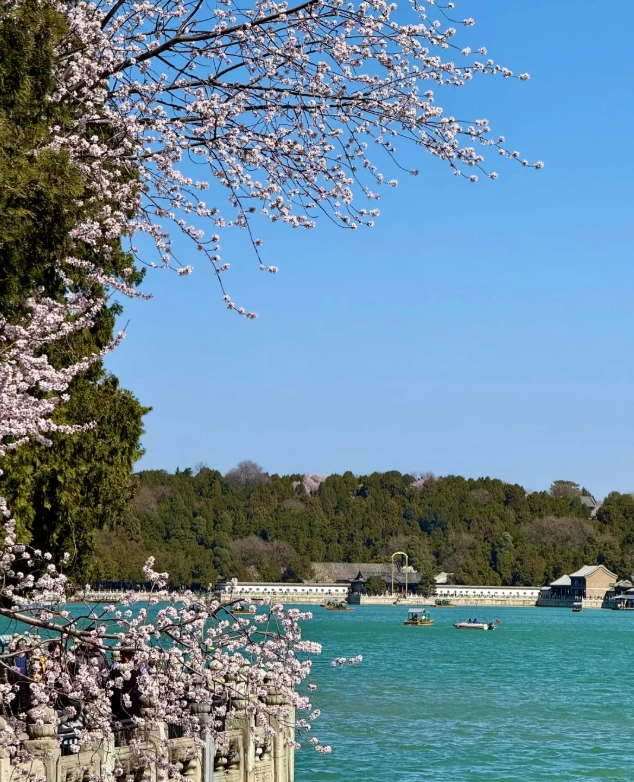
- Day 1: The Imperial Core. Forbidden City (book tickets online via their official website well in advance), Jingshan Park for the view. Summer tip: Do this first thing in the morning. Winter tip: This is the perfect day, no rush.
- Day 2: The Great Wall. Choose a section. Mutianyu is restored and cable-car accessible. Jiankou is wild and rugged. Summer tip: Go to Mutianyu, take the first bus at 7:00 AM from Dongzhimen. Spring/Autumn tip: Any section is fine. Winter tip: Badaling or Juyongguan are easier if there's ice.
- Day 3: Temples & Parks. Temple of Heaven in the morning (watch locals exercising), then explore a seasonal park: Fragrant Hills in autumn, Yuyuantan for cherry blossoms in April, or Beihai Park in summer for the lake breeze.
- Day 4: Hutongs & Culture. Wander the Nanluoguxiang or quieter Houhai hutongs. Visit the Lama Temple. Summer tip: Use this day for more indoor activities if a heatwave hits.
- Day 5: Modern Beijing & Departure. Visit the 798 Art District or the Olympic Park (Bird's Nest, Water Cube).
Your Beijing Travel Timing Questions Answered
I can only travel in early October for the National Day holiday. How bad is it really?
Is late November too cold for visiting the Great Wall?
We want to see the cherry blossoms. When and where is the best chance?
How do I check real-time air quality in Beijing?
Is there a "worst" week to visit Beijing that I should absolutely avoid?
 Choosing the best time to visit Beijing is your first and most important travel decision for this city. It sets the stage for everything else. While autumn and late spring are the clear winners for comfort and scenery, every season has its own character and strategy. Winter offers solitude and stark beauty. Summer demands a tactical approach. Use this guide not to find a single perfect date, but to understand what you're signing up for in any given month, and to pack and plan accordingly. That way, you can enjoy the magic of Beijing, no matter when your calendar opens up.
This guide is based on personal experience guiding in Beijing across hundreds of tours and multiple years, and cross-referenced with official tourism and meteorological information.





A very helpful read with clear month-by-month breakdowns. My only gripe is that it glosses over air quality issues—spring haze was no joke even on a 'good' day. Still, the advice on which weeks to book helped me dodge the worst of the tourist waves, so I'd say 4 stars. Useful for first-timers.
Exactly what I needed! As someone obsessed with ancient architecture, I planned my trip around the autumn window suggested here. The Forbidden City and Temple of Heaven were glorious under crisp blue skies, and I actually got some people-free shots. The weather and crowd forecasts were 100% accurate for early November. Bookmark this article!
I relied on this article for late March, but unfortunately a lot of the outdoor sites were under renovation and the wind kicked up dust storms. The article didn't mention that spring can still be pretty harsh. Also felt the 'fewer crowds' part was true for tourists, but locals were everywhere. A bit disappointing.
Good overview overall, but the October description felt a bit optimistic—I went late October and it was way colder than expected (bring a heavy jacket!). That said, the crowd predictions were accurate, and I did manage to have some quiet moments at the Summer Palace. Solid 4 stars.
This guide is spot on! I followed the recommendation for mid-April and got absolutely perfect weather—sunny, mild, and hardly any crowds at the Great Wall. The tips about avoiding the national holidays really saved me. Highly recommend if you want a smooth Beijing trip.