 Peng Gao
What’s Inside This Guide
The sky was still pitch black, and my headlamp cut a shaky beam through the cold air of Tangyu Town. My stomach growled, a mix of pre-dawn nerves and genuine hunger. In a few hours, I’d be above 3,500 meters on Taibai Mountain, China’s highest peak east of the Tibetan Plateau. I knew the climb would be brutal if I didn’t eat right. But where? The main street was asleep, save for one fluorescent-lit doorway where steam billowed out into the street, carrying the unmistakable, savory scent of boiling broth and fried dough. I followed my nose, not a tourist map. That decision—skipping the sterile hotel buffet for a plastic-stool eatery—made all the difference. This isn’t just about finding food near Taibai Mountain; it’s about finding the right food that fuels the adventure and becomes part of the memory.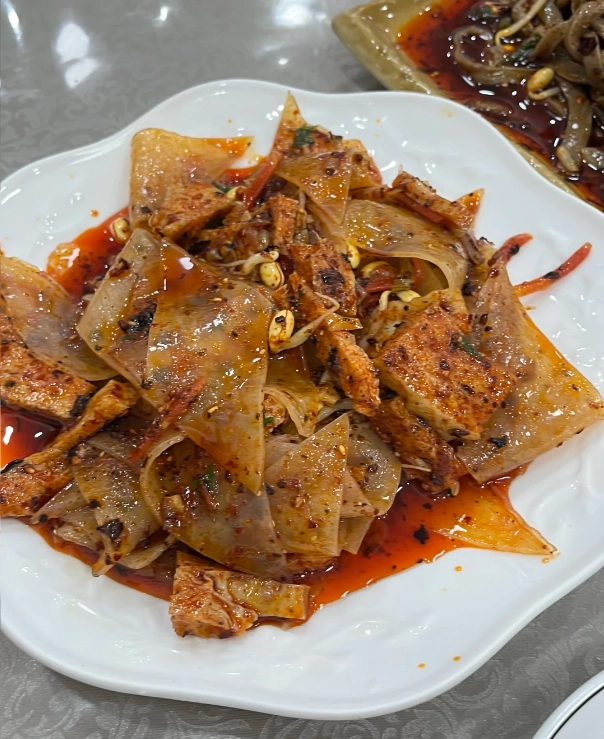
Why Food Matters on a Taibai Mountain Hike
Let’s be clear: Taibai isn’t a stroll. It’s a proper, lung-busting, leg-quivering high-altitude hike. The Qinling Mountain range, where Taibai sits, creates its own weather. You’ll burn calories fighting thin air and sudden temperature drops. The wrong meal—greasy, heavy, or just unfamiliar—can turn a challenging day into a miserable one. Conversely, the right Shaanxi hiking food provides sustained energy and a delicious cultural anchor.
The Altitude and Energy Equation
Up high, your digestion slows. Complex carbs are your best friend. Think hand-pulled noodles (拉面, lamian), steamed buns (馒头, mantou), and potatoes. Protein helps with muscle repair, but keep it lean. Avoid overly fatty cuts of meat right before you ascend. Hydration is non-negotiable, but the local teas and broths are smarter than gulping icy water.
Avoiding Tourist Trap Meals
The parking lot restaurants with giant picture menus? They’re okay in a pinch, but they often serve a bland, watered-down version of local cuisine for mass appeal. The magic happens where the bus drivers, park rangers, and returning hikers eat. These spots prioritize flavor and substance over presentation. The tables might be sticky, the menu might be a chalkboard, but the food has soul.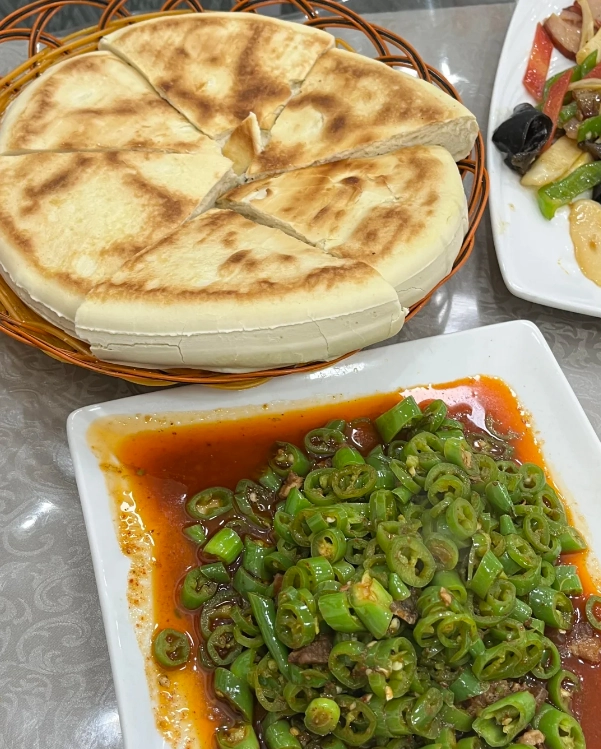
Pre-Hike Fuel: Breakfast in Tangyu Town
Tangyu Town (塘峪镇) at the park entrance is your last proper outpost. This is where you load up. Don’t waste time on the main drag. Walk 200 meters down any side alley.
My go-to is a place without an English name. The locals call it Lao Wang Mian Guan (老王面馆, Old Wang’s Noodle Shop). You’ll find it by the constant flow of people and the rhythmic thump of dough being slapped against a counter. Address? Look for the small shop with the blue awning next to the hardware store on Xingfu Alley (幸福巷). No street number, but you can’t miss it.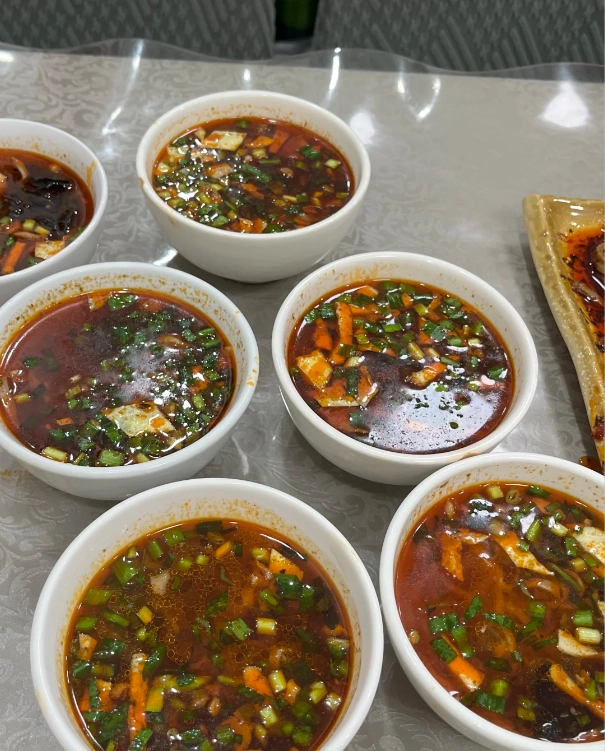
Lao Wang’s Specialty: Roujiamo (肉夹馍) and Yangrou Paomo (羊肉泡馍, Mutton Stew with Crumbled Flatbread). Their roujiamo is the perfect pre-hike food. The bread is baked fresh, crisp on the outside, fluffy inside. The meat is stewed pork belly with a hint of star anise and cinnamon, chopped fine with green peppers, juicy but not dripping grease. It’s savory, slightly sweet, and incredibly satisfying. One costs about ¥12 (≈ $1.70). The Yangrou Paomo is a project—you crumble the bread into thumb-nail-sized pieces, they pour over a rich, clear mutton broth—but it’s the ultimate warm-up on a chilly morning. A bowl is about ¥25-35 (≈ $3.50-$5).
I sat on a wobbly stool, watching the guy next to me, a local guide with a worn backpack. He didn’t even look at a menu. He just shouted “yige roujiamo, duo fang qingjiao!” (“one roujiamo, extra green pepper!”). I copied him. The owner, a woman with a permanent smile, nodded and got to work. The place opens at 5:30 AM and is packed by 6:30. Hygiene is basic but acceptable—you see everything being cooked fresh. Bring cash.
| Dish (English/Pinyin) | Description & Flavor Profile | Best For | Avg. Price (USD) |
|---|---|---|---|
| Roujiamo (Chinese Meat Burger) |
Crispy baked bun filled with finely chopped, spiced stewed pork. Savory, aromatic, juicy. | Quick, portable, high-energy breakfast. | $1.50 - $2.50 |
| Lamian (Hand-Pulled Noodles) |
Chewy, fresh noodles in a beef or mutton broth. Topped with chili oil, cilantro, meat. Hearty, spicy, umami. | A sit-down meal for sustained energy. | $2.50 - $4.00 |
| Zhou (Rice Congee) |
Simple, warm rice porridge. Often paired with pickled vegetables (咸菜, xiancai). Mild, easy on stomach. | If you want something very light pre-hike. | $0.50 - $1.00 |
Trail Snacks and Mountain Top Eats
Once you’re on the trail, options are limited and expensive. Planning is key.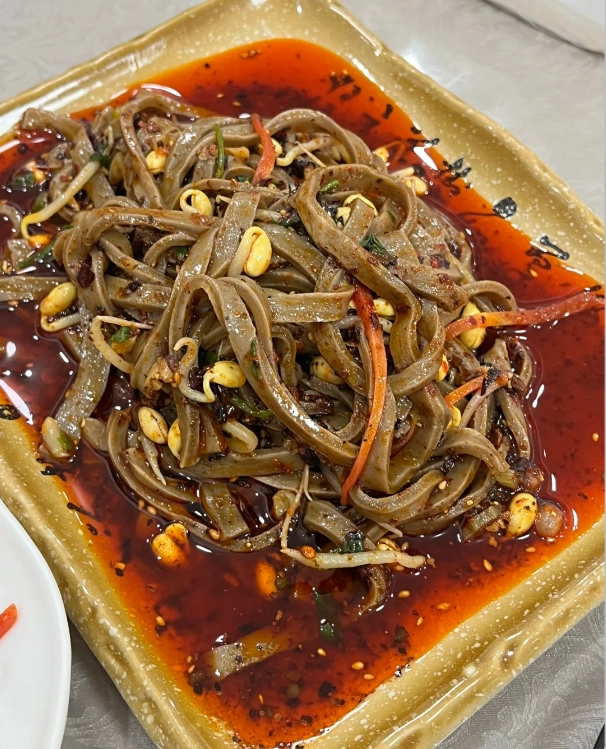
What to Pack: The Snack Strategy
Pack more than you think you need. Altitude increases appetite. My backpack always has:
- High-Energy Local Snacks: Bing (flatbreads) from a Tangyu bakery. The plain ones keep for days. Nangua Zi (dried pumpkin seeds) for a salty crunch.
- Electrolytes: Local hawthorn sticks (糖葫芦, tanghulu) or plum candies can help. Pack some electrolyte tablets.
- Chocolate & Nuts: Universal fuel. Buy them in Baoji or Xi’an before you come.
- Hydration: A thermos with warm tea is a game-changer. The summit is cold.
The Summit Cafeteria: Managing Expectations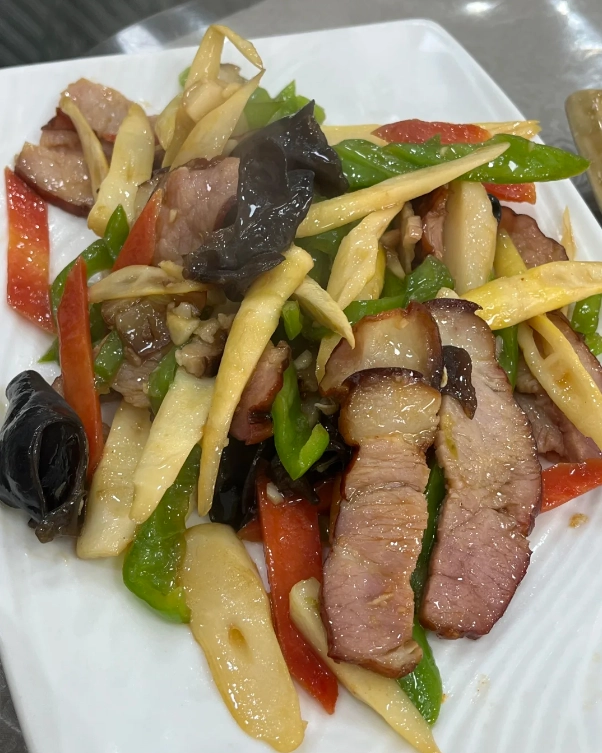
Near the Heavenly Lake (天池) and the upper cable car station, there are simple cafeterias. Think instant noodles (泡面, paomian) for ¥20 (≈ $2.80), boiled eggs, and packets of biscuits. They also sell hot water. The taste is… functional. It’s calories and warmth when you need it most. Don’t expect a culinary experience. See it as a necessary pit stop. The staff are dealing with everything at 3,700 meters, so be patient.
Skip the Hype: I once bought a “premium” packaged sausage up there for ¥15. It tasted like salty rubber. Stick to the instant noodles or what you brought yourself.
Post-Hike Celebration: Unwinding with a Feast
Coming down, every muscle aches, and you’re starving. This is the moment for a proper feast. Head back towards Baoji or stop in the larger village of Taibai County (太白县).
For a true farmhouse experience, I seek out Li Jia Nongjiale (李家农家乐, Family Li’s Farmhouse). It’s about a 15-minute drive from the park’s main gate. Look for the red lanterns and the yard full of vegetable plots. The address is approximate, but ask any taxi driver for “Li Jia Nongjiale near Taibai park” and they’ll know. (You can search for it on TripAdvisor under "Taibai County" to confirm latest reviews).
Here, you eat what’s fresh. The owner might bring you to the chicken coop to pick your dinner. The standout dish is Taibai Shan Zhen Ji (太白山珍鸡, Taibai Mountain Mushroom Chicken). A whole free-range chicken is stewed for hours with wild foraged mushrooms from the Qinling forests. The broth is deep, earthy, and incredibly restorative. The chicken falls off the bone. It’s not spicy, just pure, clean umami. A whole pot serves 3-4 and costs around ¥120-150 (≈ $17-$21).
Pair it with Qinchuan Huangjiu (秦川黄酒), a warm, mild, amber-colored rice wine from the region. It soothes the muscles. We sat on a kang (heated brick platform), our boots off, as dish after dish came out: scrambled eggs with chives from the garden, wood-ear mushroom salad with a sharp vinegar dressing, and rough-cut potatoes fried with dried chilies—smoky, spicy, and addictive.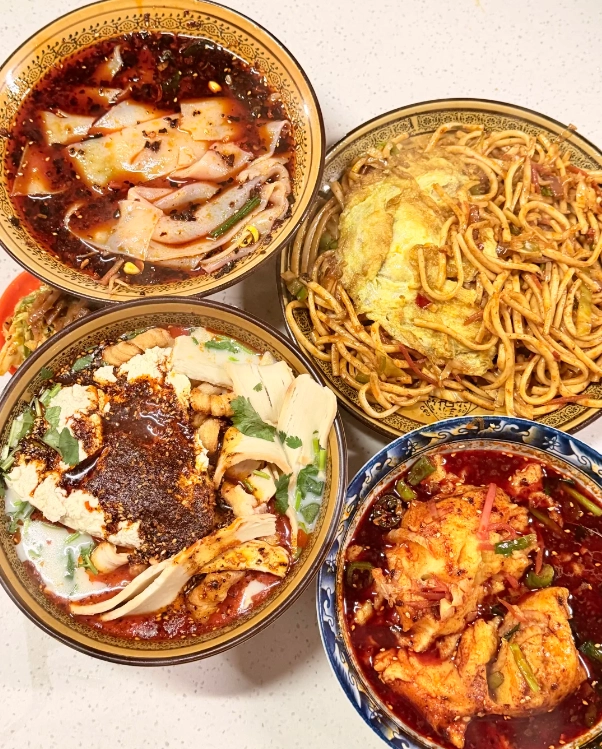
Navigating the Local Food Scene: A Survival Guide
How to Order Without a Menu
Many of the best spots have no English menu. Don’t panic. Use these tactics:
- Point and Smile: See something delicious on another table? Walk over, point, and say “Wo yao zhege” (I want this). It’s universally understood.
- Learn Three Key Words: Mian (noodles), Fan (rice), Rou (meat). Combine them: “Niurou mian” is beef noodles.
- Spice Level: “Bu yao la” (Don’t want spicy). “Yao yi dian la” (Want a little spicy). “Yao la” (I want it spicy—be careful!).
Payment, Hygiene, and Other Practicalities
Cash is still king in small town eateries. Have small bills (¥5, ¥10, ¥20). Mobile payments (WeChat Pay/Alipay) are ubiquitous, but your international card won’t work on them. Set up a tourist pass if you can, or just use cash.
Hygiene standards are different. If the place is busy with locals, the turnover is high, meaning food is fresh. Use the provided tea to rinse your chopsticks and bowl—it’s a ritual, not a strict sterilizer. I’ve eaten at dozens of these places and rarely had issues. Your bigger risk is overdoing the chili oil on an empty stomach.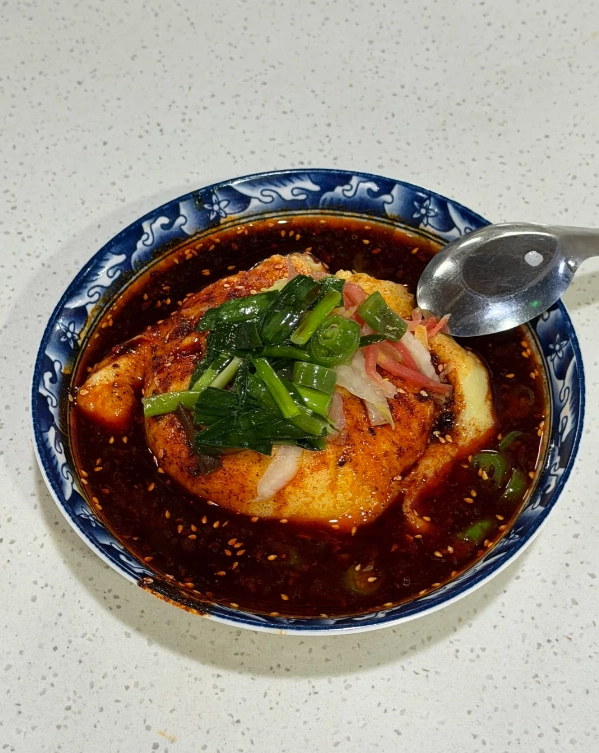
Your Taibai Mountain Food FAQ Answered
 How do I pay at small street stalls without cash?
This article is based on multiple visits and personal experience. Details such as prices and operating hours were accurate at the time of writing and are subject to change. It has been fact-checked for general accuracy regarding local cuisine and travel practices.





Honestly a bit let down by the food options on the mountain. I tried the 'famous' mountain noodles at a shack near the summit and the broth was thin and salty, the noodles were mushy, and there were barely any toppings. Cost 35 yuan, which feels steep for what it was. Also grabbed a cold steamed bun from another place that was clearly from morning and reheated poorly. Maybe my expectations were too high, but I'd recommend packing your own lunch.
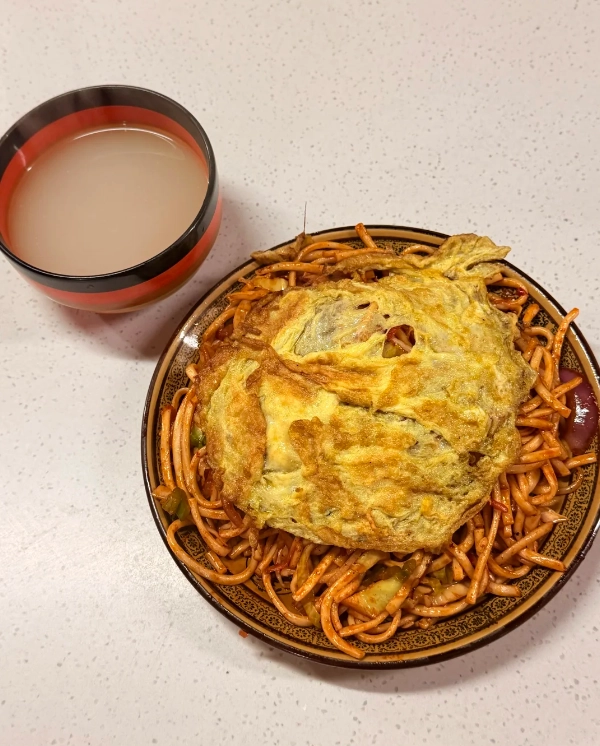
Had the 'mountain breakfast set' at a small noodle shop near the ticket gate. It came with a bowl of egg drop soup, a steamed bun, and a tiny side of pickled veggies – pretty standard and nothing special. The bun was a bit dry and the soup was lukewarm. However, the price was reasonable and the staff were quick. Good if you just need something in your stomach before heading up, but don't expect gourmet.
Best decision of the hike: buying a few ears of grilled corn from the elderly lady at the temple rest stop. She roasts them over an open fire and brushes them with a spicy soy glaze. I ate two on the spot and wrapped one for later. Also tried the sticky rice cakes from another vendor – soft, sweet, and easy to carry. These local trail snacks made the whole experience memorable.
The post-hike spread at the little restaurant just outside the park exit was incredible. We shared a whole steamed fish with ginger and scallions, plus a big bowl of wild mushroom soup. Everything tasted so fresh and restorative after a long day. The owner even came out to ask how our hike was – genuine hospitality. 10/10 would eat there again.
Absolutely loved the lamb paomo at the base village before we started the climb. The broth was rich and the bread soaked up all the flavor perfectly. It kept me going for hours on the trail. Also grabbed some roasted chestnuts from a vendor near the halfway point – sweet and smoky, perfect for a mid-hike boost. Can't recommend these enough!
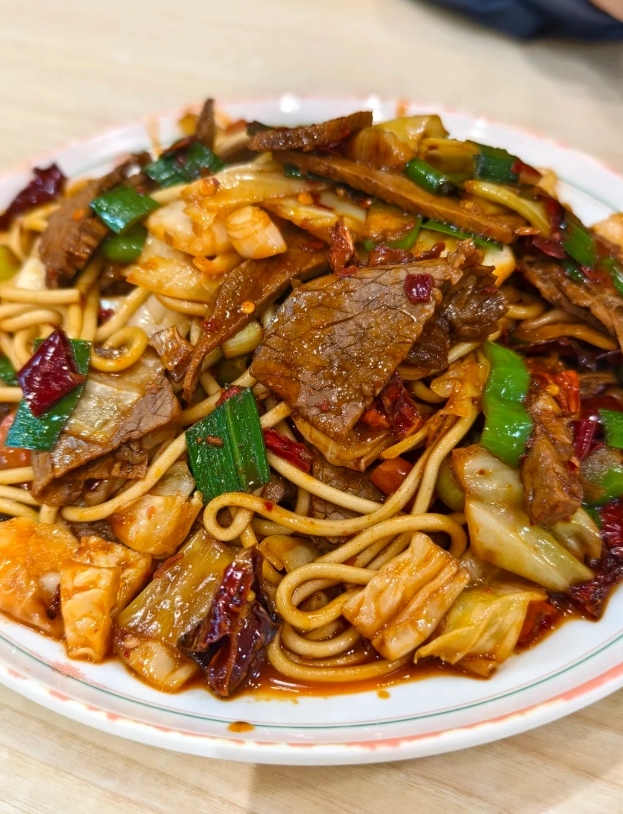
Stopped at a noodle shop two thirds of the way down for a bowl of knife-cut noodles in bone broth. The broth was decent and the noodles were freshly pulled, but the meat was scarce—just a few shreds of pork. The place was clean and the staff were nice, but the price felt a bit high for what you get. Good enough to satisfy the hunger, but I've had better for less.
If you're near the summit rest stop, you have to try the fresh grilled corn and roasted sweet potatoes—they sell them from a tiny charcoal cart. The corn was smoky and juicy, and the sweet potato was caramelized on the outside. Perfect comfort after reaching the peak. The lady running the cart was super friendly, even gave me a cup of hot ginger tea for free. Absolute gem!
Ordered the mountain vegetable stir-fry and a bowl of rice porridge before heading up. Honestly? The porridge was watery and the vegetables were overcooked. The portion was small for the price (¥38). I was still hungry halfway up the trail. Maybe I just picked the wrong place, but for a pre-hike meal I expected more substance. Not terrible, but wouldn’t recommend.
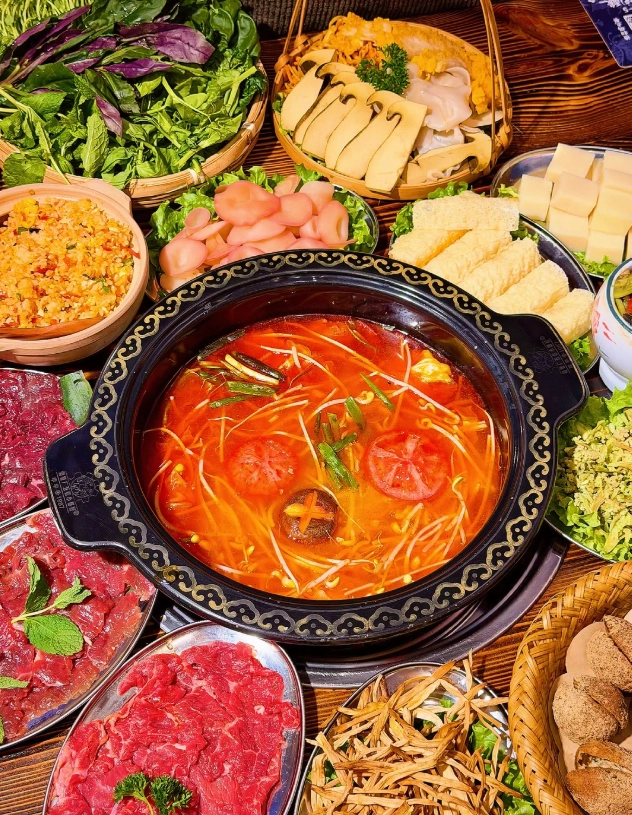
The spicy hot pot at the mountain lodge after a long descent was a lifesaver—warming, spicy, and full of local mushrooms and greens. Only complaint is they ran out of the handmade flatbread I wanted, and the service was a bit slow because it was packed. Still, the flavors were authentic and worth the wait. A solid 4-star experience.
Had the beef noodle soup at a small stall near the base before starting the climb. The broth was rich and the noodles had a great chewy texture—exactly what I needed to fuel up. The owner even gave me extra pickled veggies. Came back down and grabbed a cold sesame noodle bowl from the same place; it was refreshing and hit the spot. Definitely the best meal of my trip!
Good info, but be prepared for queues. The sour soup noodles (suan tang mian) the article raved about were indeed delicious — tangy and comforting after a long descent. But the line was about 25 minutes, and the seating is just plastic stools on a dirt patch. Not a huge deal for me, but if you're hangry it might test your patience. Also, the portions could be bigger for the price. Still, I'd order it again. Solid 4 stars.
This article is my new hiking bible! The brown sugar glutinous rice balls (hongtang ciba) at the foot of the mountain were life-changing — warm, chewy, and just the right amount of sweetness. I also tried the freshly ground soy milk they mentioned, and it was the perfect pick-me-up before the climb. Every recommendation hit the mark. My legs were dead but my taste buds were dancing. Can't wait to go back and try more!
Honestly felt a bit let down. Came here specifically because of the article's hype, but the restaurant near the base was overpriced for what it was. A simple bowl of noodle soup cost nearly twice as much as in town, and the taste was just average — nothing special. The staff seemed rushed and not very friendly. Maybe I picked the wrong place, but for 'must-try' food, I expected more. Okay for a quick refuel, but don't get your hopes up.
Pretty solid advice overall. The jianbing (Chinese crepe) I bought before the climb was decent — crispy and filling, though a bit on the dry side. The real star was the cold skin noodles (liangpi) at a stall downhill after finishing. Perfectly chewy with a spicy kick. Service at the restaurant was a little slow and they forgot my drink, but the food quality made up for it. Would definitely return for the liangpi.
Absolutely spot-on recommendations! I grabbed a bowl of hand-pulled beef noodles at the little shop near the entrance before heading up — that broth was like a warm hug for the soul. After coming down, totally exhausted, I followed the article's tip and found a farmhouse restaurant with the most incredible chicken soup. Homemade flatbread to dip in it? Pure magic. Legit the best post-hike meal I've ever had. 10/10 would eat again.