 Yan Zhou
What’s Inside?
- What Exactly Is Shanghai Xun Yu?
- How to Get to Xun Yu: The Easiest Routes
- Your Xun Yu Walking Guide: Canals, Alleys & Courtyards
- Practical Info for Visiting Shanghai Xun Yu
- Planning Your Visit: A Sample Half-Day Itinerary
- Common Mistakes First-Timers Make in Xun Yu
- Your Questions About Shanghai Xun Yu Answered
Most visitors to Shanghai stick to the skyscrapers of Pudong and the shopping of Nanjing Road. But tucked away, just a few metro stops from the frantic center, lies a different Shanghai entirely. This is Shanghai Xun Yu. It’s not a single attraction with a ticket booth, but a living, breathing neighborhood—a preserved fragment of the city's ancient water town past. I’ve walked its narrow lanes dozens of times, and it never fails to surprise me with a new detail: a hidden courtyard, a particularly photogenic bridge, or the smell of braised pork wafting from a local kitchen.
What Exactly Is Shanghai Xun Yu?
Think of Xun Yu as Shanghai's quiet reply to the more famous (and heavily commercialized) water towns like Zhujiajiao. It’s a residential area built around a network of small canals, crisscrossed by worn stone bridges and lined with traditional two-story houses featuring black-tiled roofs and whitewashed walls. The power lines and satellite dishes are a reminder that people actually live here. You’ll see laundry hanging out to dry, elderly residents playing cards in the shade, and the occasional cat napping on a windowsill.
The magic of Xun Yu isn't in grand monuments. It's in the atmosphere. The pace of life slows down the moment you step off the main road. The constant hum of the city fades, replaced by the sound of flowing water and distant conversations in the local dialect. This is the old Shanghai that existed long before the Bund became famous.
Why it feels different: Unlike restored tourist sites, Xun Yu isn't a museum piece. It's functional. The canals still manage water drainage. The ground floors of many houses are small shops selling daily necessities—a hardware store, a barber, a place fixing bicycles. This authenticity is what makes it a true hidden gem for travelers tired of staged cultural experiences.
How to Get to Xun Yu: The Easiest Routes
Getting lost trying to find the entrance is a common frustration. The neighborhood isn't signposted for tourists. Here’s the most reliable way I’ve found, tested on multiple visits with friends who doubted my directions.
By Metro (The Best Option): Take Shanghai Metro Line 9 or Line 11 to Xujiahui Station. Use Exit 15. Once above ground, walk north along Caoxi Bei Road for about 5 minutes. You'll pass a large shopping mall on your left. Keep an eye out for a smaller, unassuming road branching off to the left—this is Nandan Road. Turn onto Nandan Road and walk for another 3 minutes. The urban landscape will start to change. Look for the first canal you see cutting across the road. That’s your entry point into the Xun Yu area. Just wander down any alley next to the water.
You can check the official Shanghai Metro network map for any line updates, but this route has been consistent for years.
By Taxi or Ride-Hail: Simply tell the driver "Xujiahui, Nandan Road near the canal". Showing them the Chinese characters can help. They'll likely drop you at the main road, and you'll walk in as described above.
Your Xun Yu Walking Guide: Canals, Alleys & Courtyards
There’s no official map, and that’s part of the fun. The goal is to get pleasantly lost. However, after many explorations, I’ve identified key zones worth seeking out.
The Central Canal Spine
This is the main waterway that runs through the heart of Xun Yu. Follow its banks. You'll pass under several low, arched stone bridges. The one near the intersection with Wanping Road is particularly picturesque, often draped with climbing plants. This is where you'll get those classic "water town" shots, with traditional houses reflected in the greenish water. Be respectful of residents—these bridges are part of their daily commute.
The Labyrinth of Back Alleys (Longtang)
Dare to venture into the alleys that branch off perpendicular to the canal. These are the longtang, the traditional Shanghai lane neighborhoods. They're incredibly narrow, sometimes only wide enough for one person. You'll see shared water taps, bicycles propped against walls, and doors left slightly ajar, offering glimpses into compact homes. The sense of community here is palpable. I once saw a group of neighbors collectively preparing vegetables for a dinner, chatting across their doorsteps.
Photography Tip: The best light for photography is mid-morning (around 9-11 AM) or late afternoon (3-5 PM). The sun angles into the alleys, creating beautiful shadows and highlighting the textures of the brick and stone. Avoid midday when the light is harsh and overhead.
Hidden Courtyards and Surprises
Not everything is residential. Tucked away, you might find a small, independent art studio, a quiet tea house that doesn't advertise to outsiders, or a micro-bakery run by a local. These aren't listed on travel apps. Their discovery feels like a personal secret. One of my favorite finds is a tiny courtyard garden, meticulously maintained by an elderly resident, visible through an always-open wooden gate on a side alley off the main canal.
Practical Info for Visiting Shanghai Xun Yu
Here’s everything you need to know to plan your trip without any hiccups.
| Category | Details |
|---|---|
| Address / Location | The Xun Yu area is centered around the canals between Nandan Road and Wanping Road, near Xujiahui. There is no single street address. Use the metro directions above. |
| Admission Fee | Completely free. It's a public residential neighborhood. |
| Opening Hours | Always accessible. However, it's a living area, so be extra quiet if visiting early in the morning (before 8 AM) or late at night. |
| Best Time to Visit | Weekday mornings or afternoons. Weekends see more local foot traffic. Avoid major Chinese public holidays when the nearby Xujiahui shopping area is packed. |
| Time Needed | A leisurely walk can take 1.5 to 3 hours, depending on how deep you explore and how often you stop for photos. |
| Facilities | Very limited. There are no public toilets within the core alleyways. Your best bet is to use the facilities at the shopping malls near Xujiahui Station before you enter. Small convenience stores sell drinks. |
| Accessibility | Not suitable for wheelchairs or strollers. The paths are uneven stone, and the bridges have steps. |
Planning Your Visit: A Sample Half-Day Itinerary
Combine Xun Yu with a visit to the bustling Xujiahui district for a perfect contrast.
Morning (10 AM): Arrive at Xujiahui Station (Exit 15). Grab a coffee from one of the international chains if you need it.
10:30 AM - 1:00 PM: Follow the walking directions into Shanghai Xun Yu. Immerse yourself. Wander without a strict plan. Follow interesting alleys, watch life on the canals, and take your time.
Lunch (1:30 PM): Walk back towards Xujiahui. Don't eat in Xun Yu—the food options for visitors are virtually non-existent. Instead, explore the incredible local lunch scene around Xujiahui. I recommend the steamed soup dumplings (xiaolongbao) at a busy local joint like Jia Jia Tang Bao (a short walk from the station) or the myriad options in the basement food courts of the Grand Gateway or One ITC malls.
This mix gives you the quiet, historical charm of old Shanghai and the dynamic, modern energy the city is famous for, all within a few blocks.
Common Mistakes First-Timers Make in Xun Yu
I've seen visitors leave disappointed because they approached Xun Yu wrong. Don't be one of them.
Mistake 1: Expecting a tourist attraction. This is the biggest one. There are no souvenir stalls, no boat rides for tourists, no performances. The value is in the ordinary, daily life. Adjust your expectations from "sightseeing" to "observing."
Mistake 2: Being too intrusive. This is people's homes. Don't peer into windows or doorways with a camera. Be discreet with photography. A smile and a nod go a long way. If someone seems unhappy you're photographing their house, just move on.
Mistake 3: Rushing through. If you walk through in 20 minutes, you'll see nothing. Slow down. Sit on a public step by the canal for a few minutes. You'll notice more—the patterns of movement, the sounds, the small interactions between neighbors.
Mistake 4: Coming with a large group. The lanes are narrow. A big tour group is disruptive and can't properly navigate the space. Visit alone, as a couple, or in a very small group of three or four.
Your Questions About Shanghai Xun Yu Answered
 Shanghai Xun Yu won't dazzle you with grandeur. It will quietly impress you with its resilience. In a city that reinvents itself daily, this pocket of canals and longtang has held on, offering a direct, unfiltered connection to the Shanghai of a century ago. It’s a place for slow travel, for observation, and for appreciating the beauty in everyday life. Put on your walking shoes, leave your expectations for tourist traps behind, and just wander. You might not see another foreign visitor the entire time, and that’s exactly the point.
This guide is based on multiple personal visits and observations. Details like specific business operations can change, but the fundamental character of the Xun Yu neighborhood remains consistent.
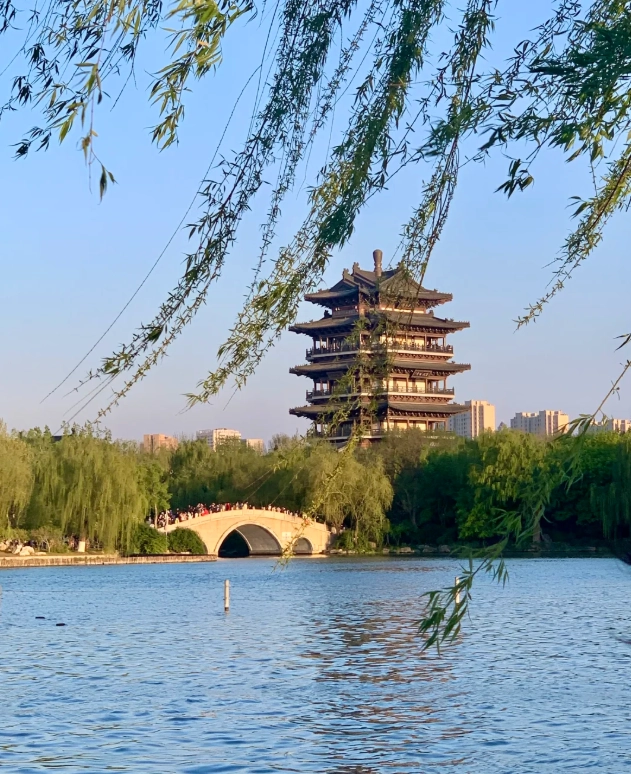

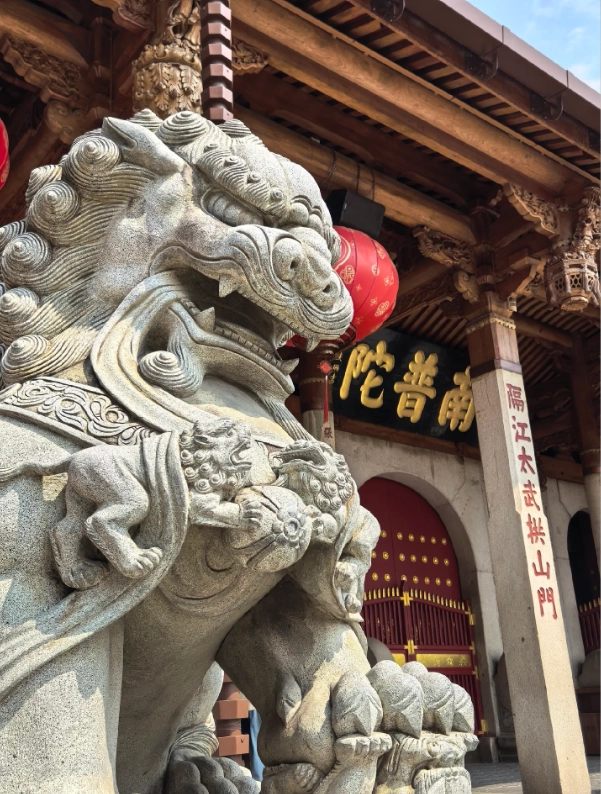





Nice little pocket of calm. I live in Shanghai and had no idea this existed until a friend told me. The setting is picturesque and well-maintained, but the space is quite cramped, especially on weekends. The staff at the ticket booth were friendly enough, though the QR code system was glitchy. For a first-time visitor to Shanghai, I'd recommend it as a quick stop, not a main attraction. Still, a solid 4 for creativity.
This place is an absolute gem! I stumbled upon it while looking for a quiet spot near the Bund, and it was the highlight of my trip. The old stone bridges covered in moss, the rippling water reflecting the traditional rooftops… pure magic. I loved that it wasn't overrun with tourists—felt like my own secret hideaway. Already planning to come back with my sketchbook. Five stars without hesitation.
Honestly, I was a bit let down. The photos online make it look huge and mysterious, but in reality it's just two short lanes with a tiny canal. Very pretty for a few snaps, but you'll be done in 20 minutes. The entrance fee also felt steep for what you get. I guess if you're passing by, pop in—but don't go out of your way. Could use more activities or storytelling to bring the place alive.
Really cool concept—a water town hidden inside Shanghai. The architecture and atmosphere are lovely. I just wish there were more signs and info boards; I wandered around for a bit not knowing what I was looking at. Also the only cafe was a bit pricey for a simple latte. Still, it's a unique spot and worth a visit if you're in the area. Just manage expectations: it's small, not a full day trip.
Absolutely blew my mind! Hidden right in the middle of the city, this little water town feels like stepping into a painting. The wooden bridges, the narrow alleys with hanging lanterns, and the gentle sound of water… I spent a whole afternoon just sitting by the canal with a cup of tea. No crowds, no loud noise—just pure Shanghai charm. Can't recommend it enough for anyone wanting a peaceful escape without leaving downtown.