 Lei Li
My first view of the Forbidden City's vermilion walls was from the back of a taxi stuck in Donghuamen traffic. The scale hit me immediately—not just the physical size, but the weight of six centuries pressing against the modern city. That's the thing about Beijing's historical sites. They're not neatly cordoned-off exhibits. They're living, breathing parts of the city's fabric, and visiting them requires a bit of strategy beyond just buying a ticket. Having walked every major hall, climbed the Great Wall in multiple sections, and gotten lost in the hutongs more times than I'd care to admit, I've put together this guide to cut through the noise. Let's talk about how to actually experience these places, not just check them off a list.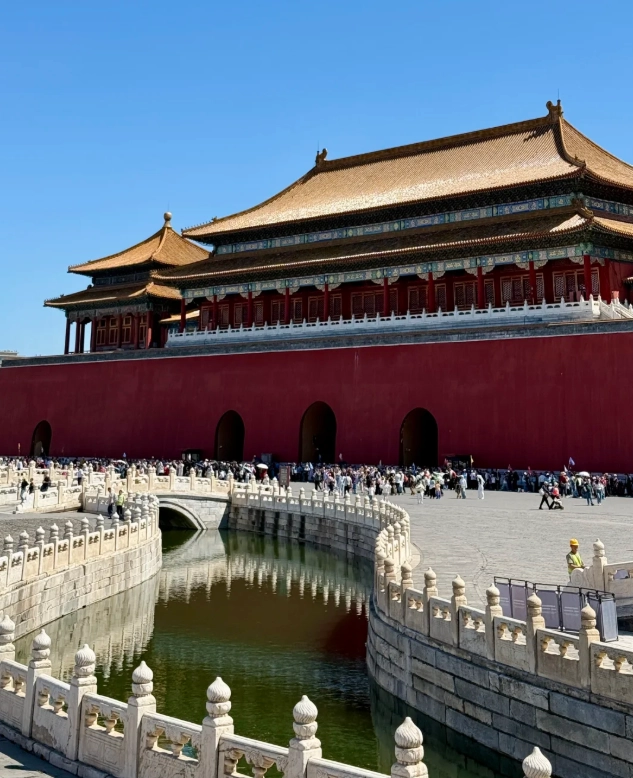
Quick Navigation
The Forbidden City: Navigating the Imperial Heart
The Forbidden City (Gugong) is overwhelming. The standard advice is to enter through the Meridian Gate (Wu men) and walk the central axis. That's fine, but you'll be shoulder-to-shoulder with a thousand other people doing the same thing. Here's what most first-timers miss.
The eastern and western "avenues" (the pathways running parallel to the main axis) are often quieter. The Palace of Compassion and Tranquility (Cining Gong) in the west, for instance, houses a sculpture gallery that feels worlds away from the main throne rooms. The real character, for me, is in the architectural details you have to slow down to see: the intricate murals under the eaves of the Hall of Mental Cultivation, the different styles of roof guardian figures that denote a building's importance.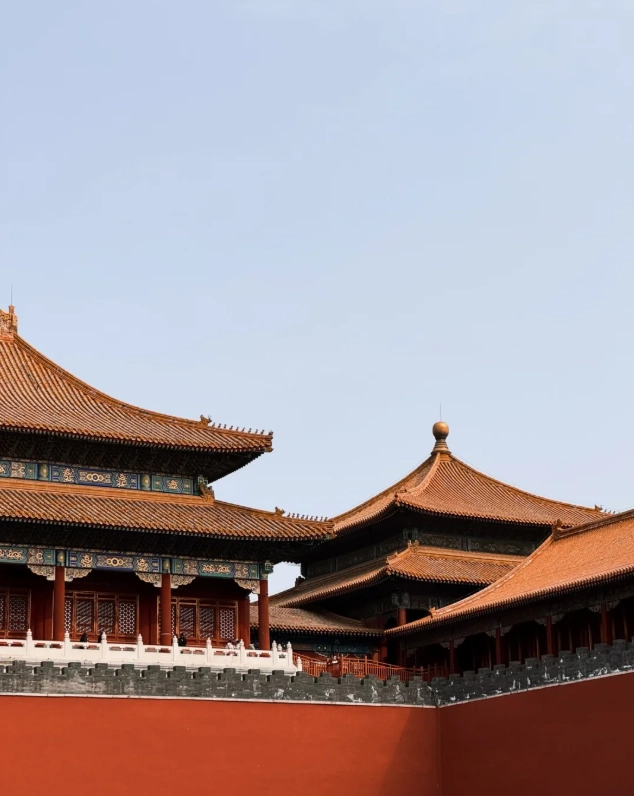
Key Visitor Info: You must book tickets online in advance via the official "Forbidden City" museum website or authorized platforms. Same-day tickets are almost never available. The entrance is strictly through the Meridian Gate (south side); exit is via the Gate of Divine Prowess (north side), which puts you right at Jingshan Park's entrance—perfect for that iconic overhead view.
Getting There and Making It Work
Take Subway Line 1 to Tian'anmen East or West station. Follow the signs. You'll pass through Tian'anmen Square security first, which adds time. Budget at least 30 minutes from subway to the actual Meridian Gate ticket check. Once inside, don't try to see everything. Pick two or three "wings" or themed exhibitions. The Clock and Watch Gallery in the Hall of Ancestral Worship is a stunning, air-conditioned respite that's consistently underrated.
The Temple of Heaven: More Than a Park
Many guides treat the Temple of Heaven (Tiantan) as a quick photo stop at the circular Hall of Prayer for Good Harvests. That's a mistake. This is a sprawling park where Beijingers practice tai chi, dance, and play cards. The architecture is sublime, but the atmosphere is what makes it special.
Go early in the morning. I'm talking 6:30 or 7 AM. The gates are open (it's free for park entry that early), and you'll see the complex come alive with local life. The Echo Wall and the Triple Sound Stones are fun gimmicks, but they only work if it's not too crowded. The true genius of the design is its symbolism—the square walls representing earth, the circular structures representing heaven. Stand on the Imperial Vault of Heaven's marble platform and look north towards the Hall of Prayer. The alignment is perfect.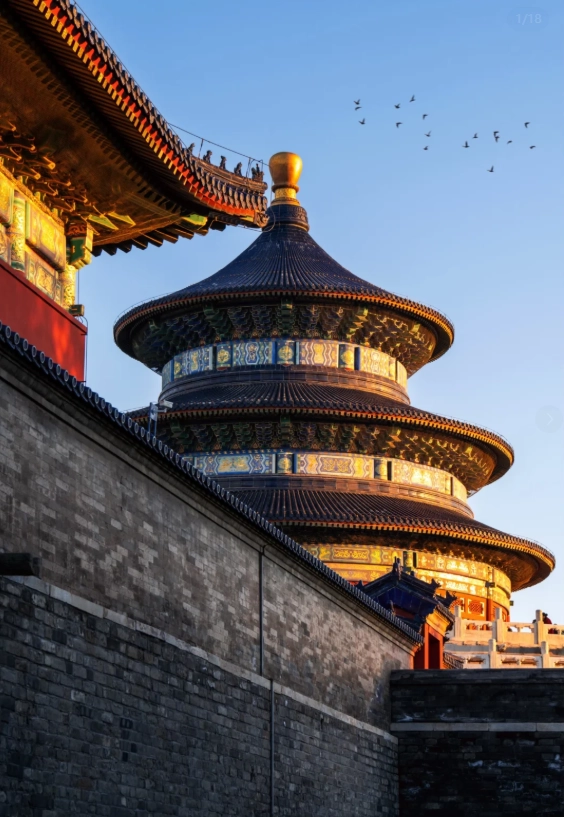
The Summer Palace: A Lakeside Escape
If the Forbidden City is about imposing power, the Summer Palace (Yihe Yuan) is about curated leisure. It's massive. The classic error is to walk the entire Long Corridor along Kunming Lake, get tired, and leave. You've missed the best part.
Take a boat. The ferry from near the Marble Boat to the South Lake Island saves your legs and gives you a stunning perspective of the Longevity Hill layout. Then, make the climb up to the Tower of Buddhist Incense. The steps are steep, but the panoramic view of the lake and the distant city skyline is worth every gasp. For a quieter experience, explore the Suzhou Market Street area—it's a reconstructed canal street that feels oddly peaceful despite its theme-park origins.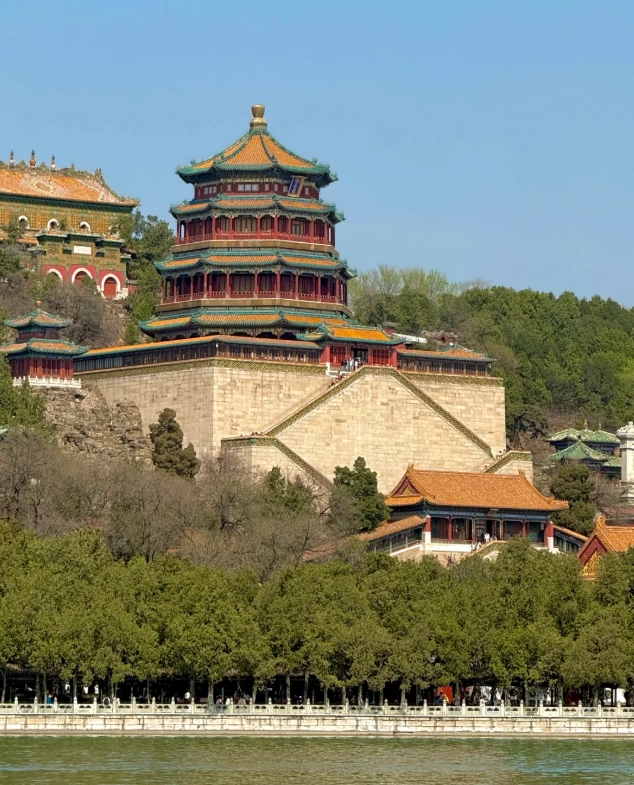
The Great Wall: Choosing Your Section
"Visiting the Great Wall" is meaningless without specifying which section. Your choice dictates your entire experience.
- Badaling: The closest, most restored, and most crowded. Excellent facilities and a cable car. Ideal for those with very limited time or mobility issues, but prepare for crowds. I find it impressive but impersonal.
- Mutianyu: My recommended compromise. Still restored and accessible (with a cable car and a fun toboggan slide down!), but with more dramatic scenery and slightly fewer crowds than Badaling. The watchtowers are densely packed, giving you that classic postcard view.
- Jinshanling to Simatai (East): For the committed. This is a 3-4 hour hike along a semi-restored, semi-wild section. The views are raw and spectacular. It's physically demanding, involves steep, uneven steps, and requires a full day from Beijing. This is the Wall that makes you feel like an explorer.
No matter which you choose, wear serious shoes with grip. The steps are uneven, and the inclines are no joke. Bring more water than you think you need. There are no shortcuts to a good Wall experience.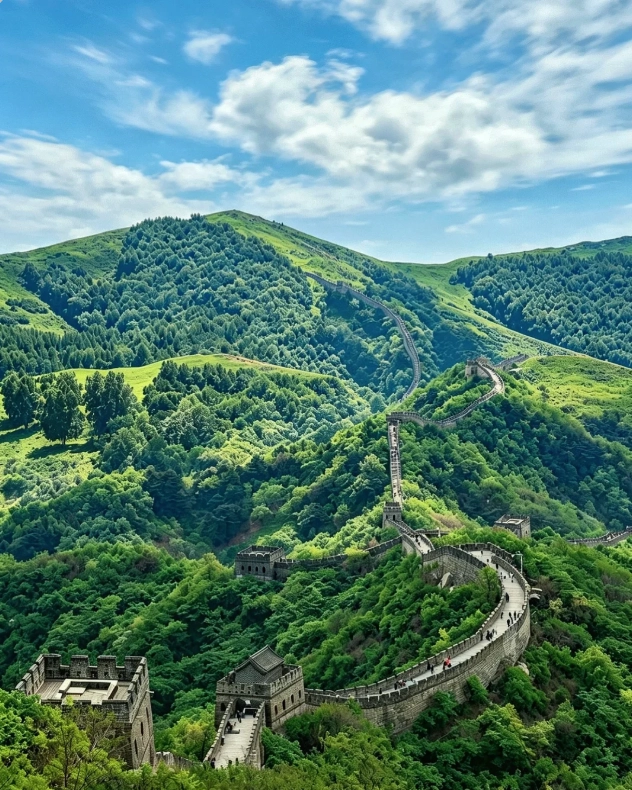
Practical Information at a Glance
Here’s a consolidated table to help you plan. Note: Prices are for standard adult entry. Always check official sites for the latest info, as policies can change.
| Site | Estimated Ticket Price (RMB) | Key Metro Access | Core Advice |
|---|---|---|---|
| Forbidden City | 60 (Apr-Oct), 40 (Nov-Mar) | Tian'anmen East (Line 1) | Online booking mandatory. Allocate 4+ hours. |
| Temple of Heaven | 15 (Park), 34 (Full Pass) | Tiantandongmen (Line 5) | Visit early morning for local atmosphere. |
| Summer Palace | 30 (Apr-Oct), 20 (Nov-Mar) | Beigongmen or Xiyuan (Line 4) | Use boats to save time/energy. A full day site. |
| Great Wall (Mutianyu) | 45 (Entry), + for cable car | No direct metro. Book a tour or private car. | Wear hiking shoes. Pack water & snacks. |
Common Questions Answered
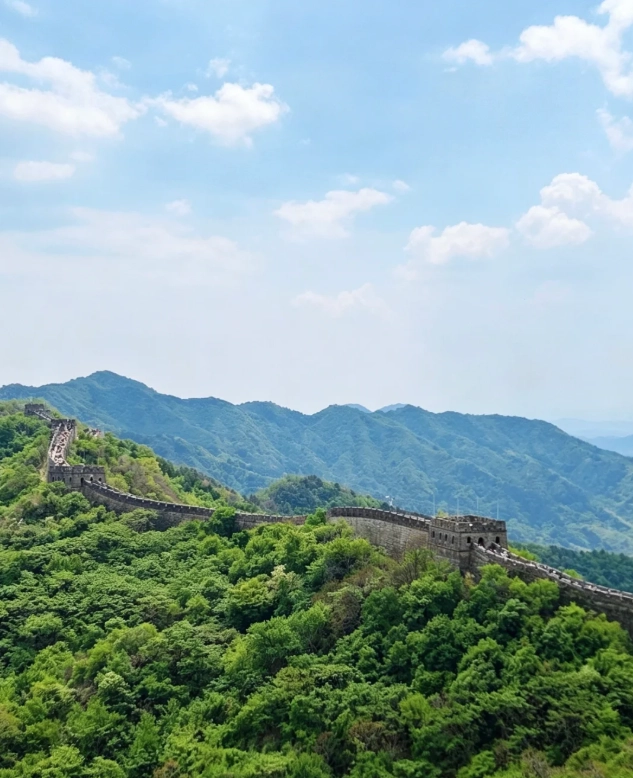 Visiting Beijing's historical landmarks is less about ticking boxes and more about finding moments of connection—between past and present, grandeur and daily life. It's in the cool shadow of a centuries-old stone lion, the echo of laughter across the Temple of Heaven's courtyards, and the silent, wind-swept expanse of the Great Wall. Plan wisely, walk slowly, and look beyond the main throne. That's where the city's real history lives.
This guide is based on personal, repeated visits and cross-checked with current official visitor information.





This guide completely transformed my Beijing trip! I’m usually a spontaneous traveler, but following the suggested 3-day route made me realize how much I’d miss without it. The secret spot – the eastern corridor in the Summer Palace with barely any tourists – was magical. I sat there for an hour just watching the willow trees reflection on Kunming Lake. The QR codes linking to real-time ticket availability were a game-changer. Seriously, if you’re debating whether to buy this, just do it. Best $10 I spent on travel prep.
Really helpful for someone who’s never been to Beijing before! I especially appreciated the breakdown of which sites require reservation and which don’t – saved me from showing up empty-handed at the National Museum. The historical background tidbits were interesting too, though a bit too textbook-ish at times. What I missed was more guidance on local food stalls and night markets; the guide focuses a lot on formal restaurants. Still, it got me through the essentials without major hiccups. Would recommend as a starter, not an only resource.
Honestly, I was a bit disappointed. The guide covers all the big names – Forbidden City, Summer Palace, etc. – but the descriptions are very brief, like Wikipedia bullet points. For the price, I expected more practical details: where exactly to enter to avoid long queues, how to read the Chinese subway signs, or what to do if it rains. The day-trip to Mutianyu Great Wall felt rushed in their suggested timeline. I ended up supplementing with free blog posts online. It’s okay for a rough outline, but don’t rely on it for real trip planning.
Overall a solid guide that helped me navigate the major sites like the Great Wall and Temple of Heaven. The maps and transportation tips were clear and accurate. My only gripe is that the dining suggestions are a bit outdated – two of the restaurants listed had already closed by the time I visited (late April). The section on avoiding scam taxi drivers was useful, though. If the author updates the food recommendations, this would easily be a 5-star resource.
This guide was an absolute lifesaver during our 5-day trip to Beijing! The suggested itinerary for the Forbidden City + Jingshan Park combo saved us from the midday crowds, and the tip about buying tickets via the official WeChat mini-program a week in advance was pure gold. We had the Hall of Supreme Harmony almost to ourselves at 8:30 AM. Also loved the recommendation for the little hutong tea house near Shichahai – we’d never have found it on our own. If you’re a first-time visitor, just buy this guide and follow it blindly. Worth every penny!