 Lei Li
Let's be honest. Climbing the Great Wall is physically demanding. The thought of scaling steep, uneven steps under the sun can make even the fittest traveler pause. That's where the Mutianyu Great Wall cable car comes in. It's not just a lazy option; it's a strategic one. I've taken it multiple times, with family, with friends who weren't up for a major hike, and even solo when I wanted to maximize my time on the wall itself rather than the approach. This aerial lift transforms the experience, offering breathtaking views and direct access to one of the most beautifully restored sections. If you're weighing whether it's right for you, this guide will break down everything from the practical details to the subtle pros and cons most generic articles miss.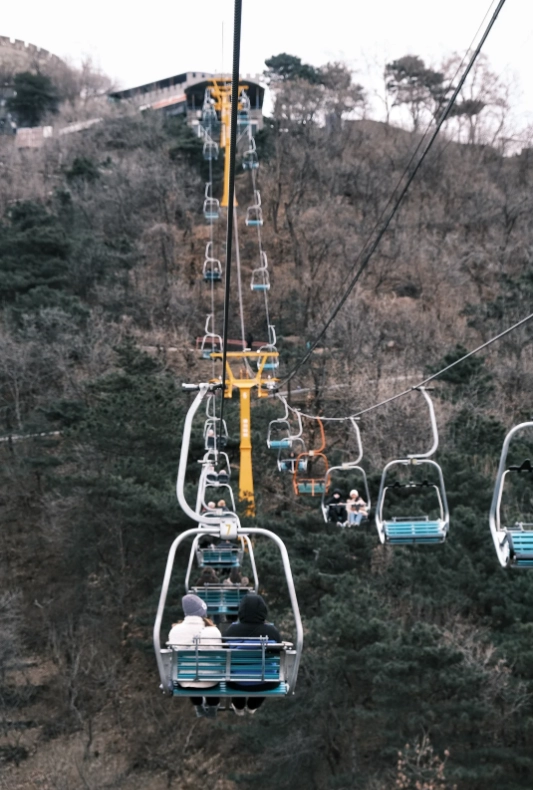
Quick Navigation
- Why Choose the Mutianyu Cable Car?
- Mutianyu Cable Car Ticket Prices and Operating Hours
- Getting to the Mutianyu Cable Car
- The Cable Car Experience: A Step-by-Step Walkthrough
- Cable Car vs. Walking vs. Chairlift: How to Decide
- The Best Time to Ride the Mutianyu Cable Car
- Mutianyu Cable Car: Your Questions Answered
Why Choose the Mutianyu Cable Car?
The primary reason is efficiency. The cable car station is located at the foot of the valley. Without it, you're facing a significant uphill climb on a paved path just to reach the base of the wall's fortifications—a walk that can take 30-45 minutes and burn energy you'd rather spend exploring the watchtowers. The cable car covers this distance in about 6 minutes.
But it's more than a time-saver.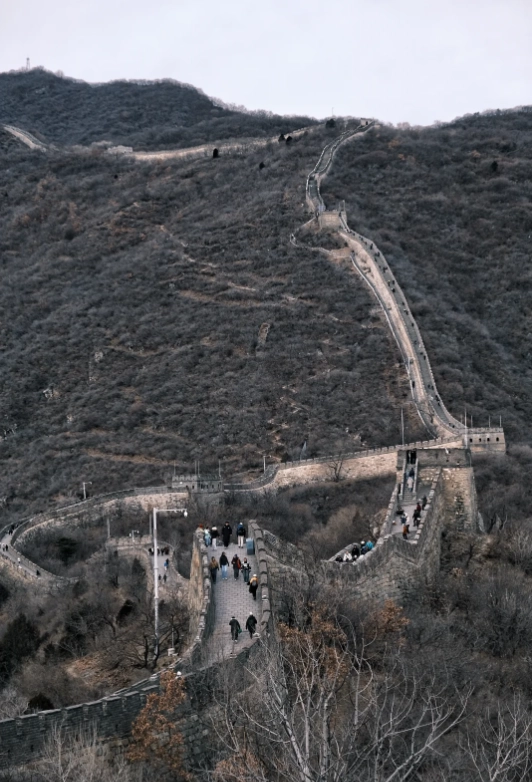
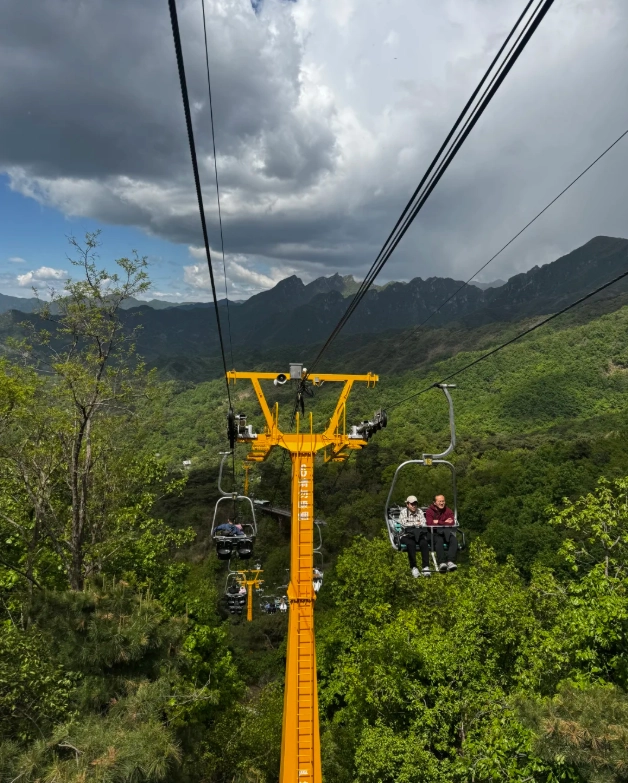
The views are genuinely spectacular. As you ascend, the forested hills of Huairou District unfold beneath you, and the snaking wall comes into full view in a way you simply cannot appreciate from the ground. It provides the classic, postcard panorama immediately. For photographers or anyone wanting that "wow" moment, it delivers instantly.
It also offers a clear advantage for those with limited mobility, families with young children, or visitors on a tight schedule. You disembark at Tower 14, which is a fantastic starting point. You can walk towards the more challenging and scenic east (Tower 1, the "Big Corner") or the popular west (up to Tower 23).
Mutianyu Cable Car Ticket Prices and Operating Hours
This is where planning matters. The Mutianyu cable car ticket is separate from the Great Wall entrance ticket. You must buy both. Confusing these is a common first-timer mistake.
| Ticket Type | Price (Approx.) | Notes |
|---|---|---|
| Mutianyu Great Wall Entrance Ticket | CNY 45 | Mandatory for all visitors. Covers access to the wall area. |
| Cable Car (One-Way) | CNY 100 | Uphill OR downhill. Most people buy a round-trip. |
| Cable Car (Round-Trip) | CNY 140 | The most popular and cost-effective option. |
| Shuttle Bus (inside scenic area) | CNY 15 (round-trip) | Takes you from the main parking lot to the foot of the cable car/chairlift. A 10-minute ride that saves a 20-30 minute walk. |
Operating Hours: The cable car generally runs from 8:30 AM to 4:30 PM (last ascent) and 5:00 PM (last descent) during peak season (April-October). Hours shorten slightly in winter. Always double-check on the day of your visit, as weather (high winds, lightning) can cause temporary closures.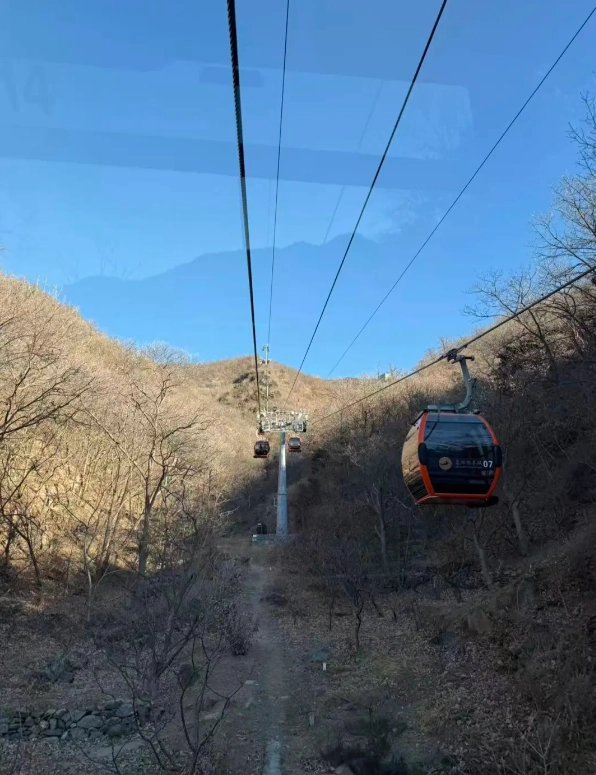
Getting to the Mutianyu Cable Car
The address is straightforward: Mutianyu Great Wall, Huairou District, Beijing. But getting there requires a strategy.
By Private Car or Taxi
The most flexible option. Drive on the Jingcheng Expressway, take exit 13 (Beitaipingzhuang), and follow signs to Mutianyu. The journey from central Beijing (like Wangfujing) takes about 1.5 to 2 hours without traffic. There are several large paid parking lots (P1, P2, P3). From there, you must take the internal shuttle bus to the cable car base.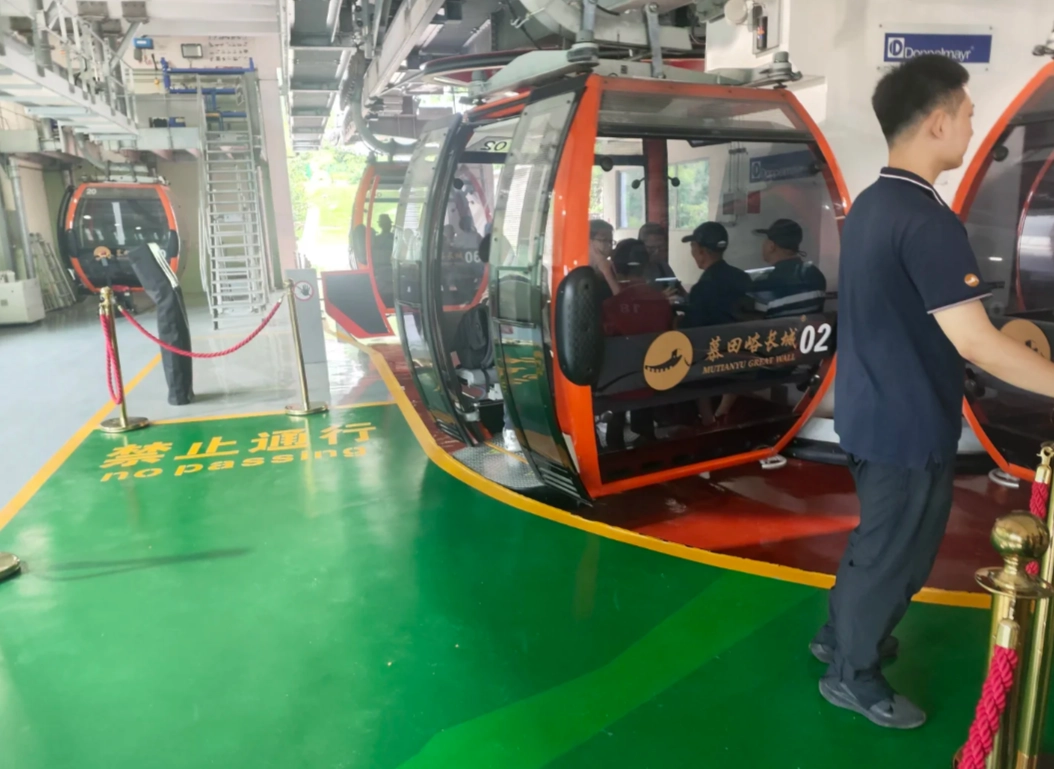
By Public Bus
It's possible but involves transfers. Take subway Line 2 to Dongzhimen Station, then walk to the Dongzhimen Public Transport Hub. Look for Bus 916 Express to Huairou Beidajie. From there, you'll need to transfer to a local bus (H23, H24, H35, H36) or hire a minivan for the last leg to Mutianyu. This method is cheap but time-consuming and confusing for non-Mandarin speakers.
By Tourist Bus
The easiest public option. The "Mutianyu Special Tourist Line" departs from the front of Dongzhimen Outer Bus Station (near the subway) at specific times in the morning (around 8:30 AM) and returns in the afternoon. It goes directly to the Mutianyu parking lot. You must verify the current schedule.
By Organized Tour
Many tour companies include cable car tickets in their packages. This solves transport, ticket queues, and often includes a guide. The downside is a fixed schedule. I've found this ideal for first-time visitors who want zero logistical hassle.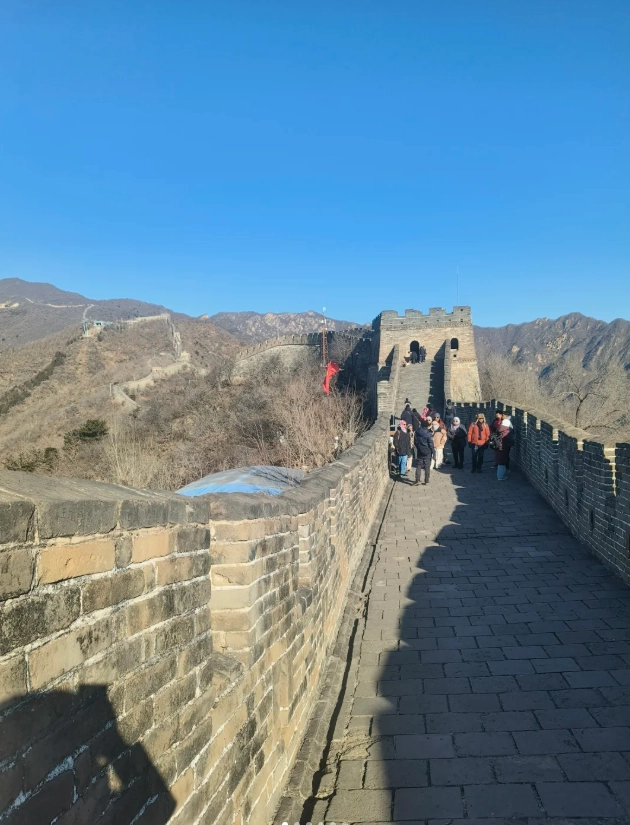
The Cable Car Experience: A Step-by-Step Walkthrough
Let me walk you through what actually happens, minute by minute.
After taking the internal shuttle bus, you'll arrive at a plaza. You'll see two distinct lines: one for the cable car (enclosed, red cabins) and one for the chairlift (open-air seats). Make sure you're in the right queue. The cable car line is usually on the right-hand side as you face the mountain.
The cabins fit up to 8 people. They don't stop; they slow to a crawl for loading. Staff will usher you in quickly. The door closes automatically, and you're off.
The ascent is smooth and quiet. The cabin swings gently. Immediately, you look down on the treetops and the winding path below. About halfway up, the Wall appears on your left, clinging to the ridge. It's the perfect photo op. The cabin docks at the upper station, a building built into the hillside.
Here's a critical detail most miss: after exiting the cabin, you don't step directly onto the Wall. You walk through a short, cool tunnel and then climb about three flights of stairs to emerge right at the base of Tower 14. You're now on the Wall. The whole process from shuttle bus drop-off to standing on the Wall can be under 20 minutes if lines are short.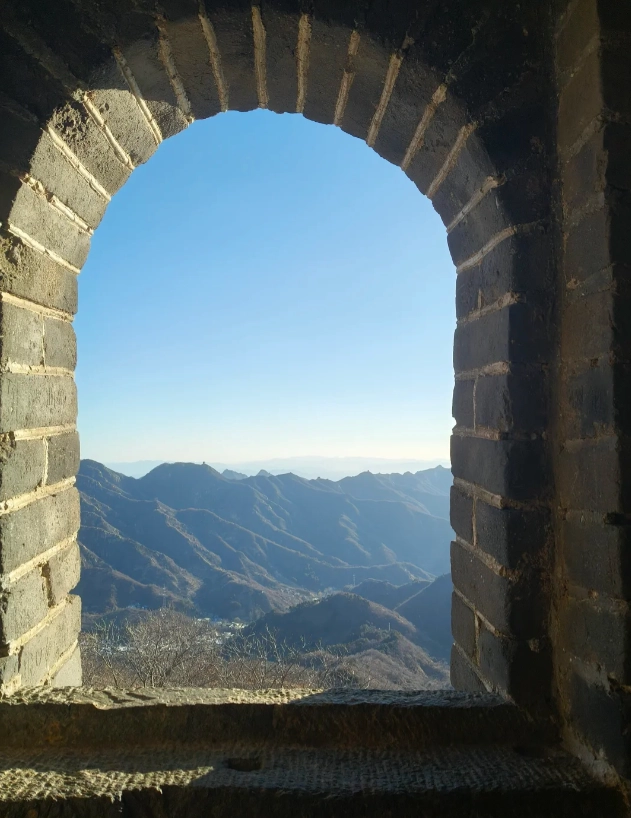
Cable Car vs. Walking vs. Chairlift: How to Decide
Mutianyu offers three main ascent methods. Your choice depends on your fitness, appetite for adventure, and plan for the descent.
| Option | Pros | Cons | Best For |
|---|---|---|---|
| Cable Car (Round-Trip) | Fast, scenic, weather-protected, easy for all ages. Disembarks at Tower 14. | Most expensive option. Can have long queues (45+ mins) at peak times. | Families, visitors with limited time/mobility, first-timers, poor weather days. |
| Chairlift Up / Toboggan Down | Fun, open-air ascent. The toboggan (alpine slide) down is a unique thrill. Disembarks at Tower 6. | Chairlift is exposed to sun/rain. Toboggan can have very long lines. Not suitable for those afraid of heights. | Adventurous travelers, families with older kids, anyone wanting the toboggan experience. |
| Walking Up the Steps | Cheapest (just entrance fee). Authentic, challenging experience. Sense of accomplishment. | Physically demanding (40-60 min uphill hike). Consumes energy and time better spent on the Wall. | Budget travelers, fitness enthusiasts, those who want to earn the view. |
| Mixed Approach (My Favorite) | Cable car up for efficiency, then walk along the Wall (east or west), and take the toboggan down from Tower 6 for fun. | Requires buying two separate one-way tickets (cable car + toboggan), which is slightly more expensive than a round-trip on one mode. | Those who want the best of all worlds: views, efficiency, and a fun exit. |
I almost always recommend the cable car up. The walk up is on a service path, not the historic Wall, so you're not missing any "authenticity"—just saving your legs. The debate is really about how you come down.
The Best Time to Ride the Mutianyu Cable Car
Timing is everything to avoid crowds and get the best light.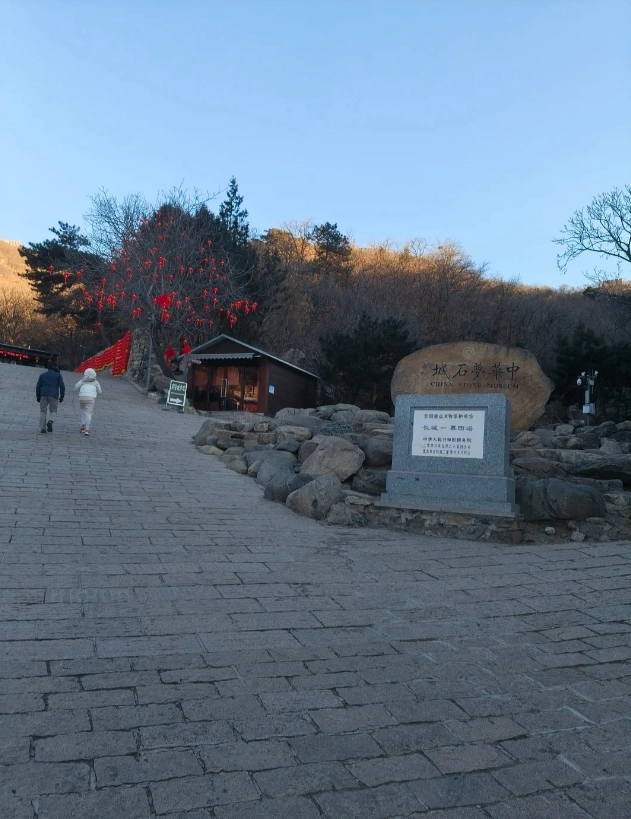
Time of Day: Be at the ticket booth before 8:30 AM. The first shuttle buses leave then. Being in the first wave means short or non-existent lines for the cable car and empty stretches of Wall for photos. The second-best window is after 2 PM, as many morning tour groups start heading back.
Day of the Week: Avoid Saturdays at all costs. Sundays are slightly better. Tuesday through Thursday are optimal. Mondays can be busy as many museums in Beijing are closed, pushing tourists to the Wall.
Season: Late April-May (spring greenery) and September-October (autumn colors) are ideal. Summer (June-August) is hot, humid, and crowded, but the cable car offers a brief, air-conditioned respite. Winter (December-February) is cold and can be icy on the Wall, but the cable car runs and the views of snow-dusted mountains are stunning, with far fewer people.
Mutianyu Cable Car: Your Questions Answered
 The Mutianyu Great Wall cable car isn't a compromise; it's a tool that lets you tailor your visit. It provides access, perspective, and efficiency. Whether you use it to save your energy, to gain that breathtaking aerial view, or simply to ensure a beloved travel dream becomes a comfortable reality, it fundamentally enhances the Mutianyu experience. Plan ahead, go early, and use the time you save to wander further along those ancient stones.





No comments yet.