 Hui Lin
Let's cut to the chase. After spending a full day there last season, I can say yes, the Summer Palace is worth visiting—but only if you go in with the right expectations. It's not just another park; it's a sprawling imperial garden that demands time and energy. If you're short on either, you might leave frustrated. This guide dives deep into what makes it special, what doesn't, and how to plan a trip that actually feels rewarding.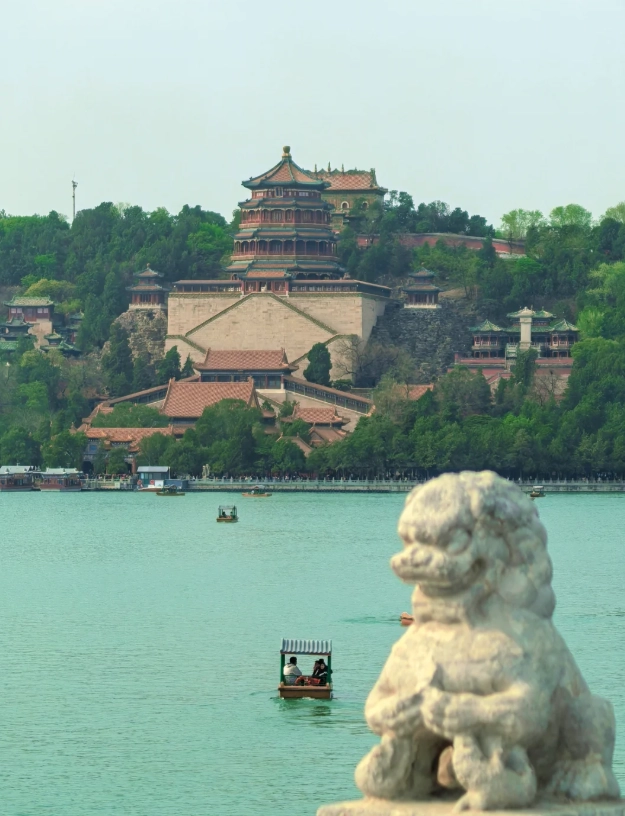
Quick Navigation
What Exactly is the Summer Palace?
Think of it as Beijing's answer to Versailles, but with a distinct Chinese flair. Officially known as Yiheyuan, it's a UNESCO World Heritage site that served as a royal retreat during the Qing Dynasty. I was struck by how it blends man-made structures with natural landscapes—hills, lakes, and pavilions all woven together.
A Glimpse into History
Built in the 18th century, it was meant for emperors to escape summer heat. The place has seen destruction and rebuilding, which adds layers to its story. Walking through, you'll notice details like the Long Corridor's painted beams, each telling a folk tale. It's not just pretty; it's a history book in architecture form.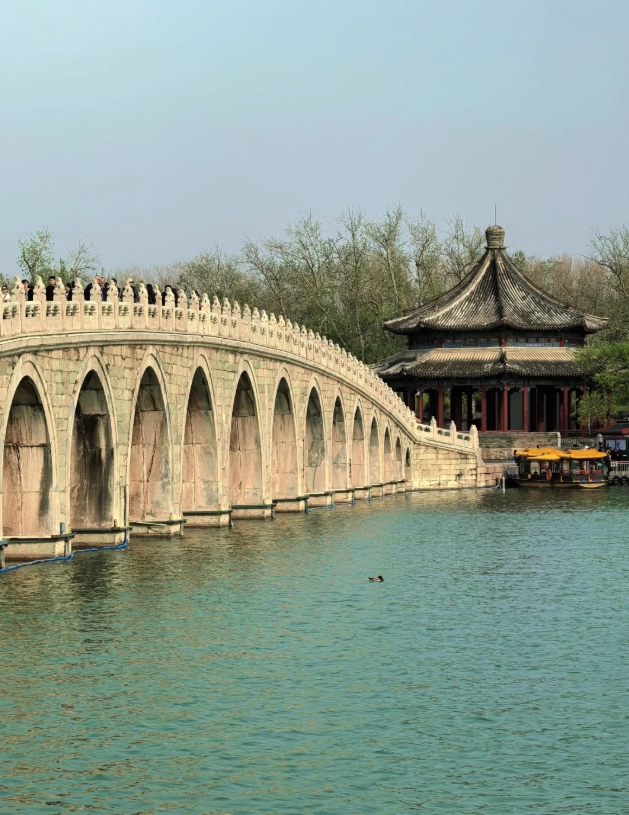
The Pros and Cons: Why Visit or Skip
Here's the real deal. Most blogs gloss over the downsides, but I'll lay them out so you can decide.
The Pros: What Makes It Shine
Scenic Beauty That's Hard to Beat: Kunming Lake, with its willow-lined shores, offers postcard views. I spent an hour just sitting by the water, watching boats glide past. The Seventeen-Arch Bridge is a masterpiece—go early to catch the light without crowds.
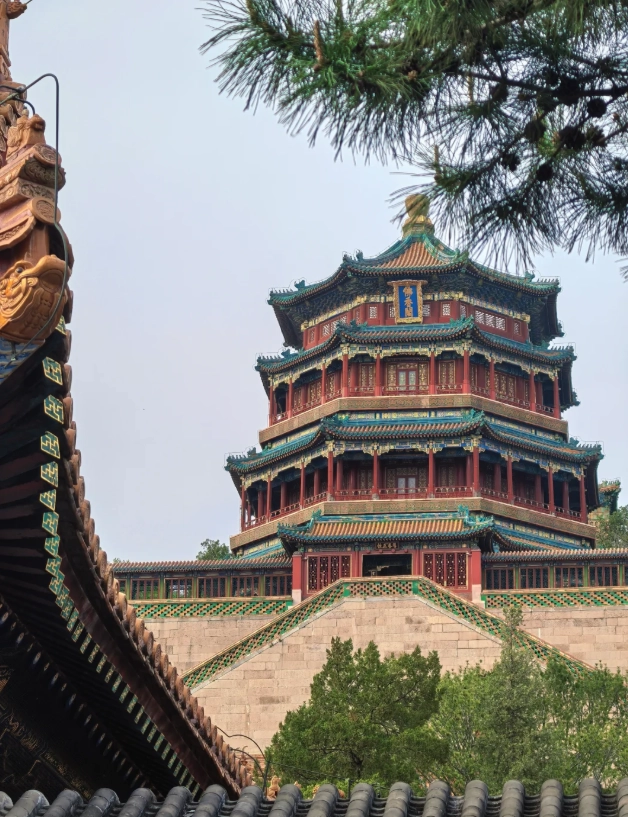
Architectural Wonders: From the Tower of Buddhist Incense to the Marble Boat, each structure has a purpose. I found the boat particularly ironic; it symbolizes the Qing Dynasty's stagnation, but tourists love snapping photos there.
Cultural Depth: If you're into Chinese history, this is a goldmine. I overheard a guide explaining how the layout reflects Feng Shui principles—something you'd miss on your own.
The Cons: What Might Put You Off
Overcrowding is Real: On weekends, the main paths feel like a subway rush. I visited on a Tuesday morning, and by 11 AM, the Long Corridor was packed. If you hate jostling, avoid holidays.
It's a Walking Marathon: The site covers 2.9 square kilometers. My phone tracked over 15,000 steps. There are boat rides, but they cost extra and can have long lines.
Commercialization Creeps In: Near exits, vendors sell overpriced souvenirs and snacks. I tried a "traditional" pancake—tasted bland and cost triple what you'd pay outside.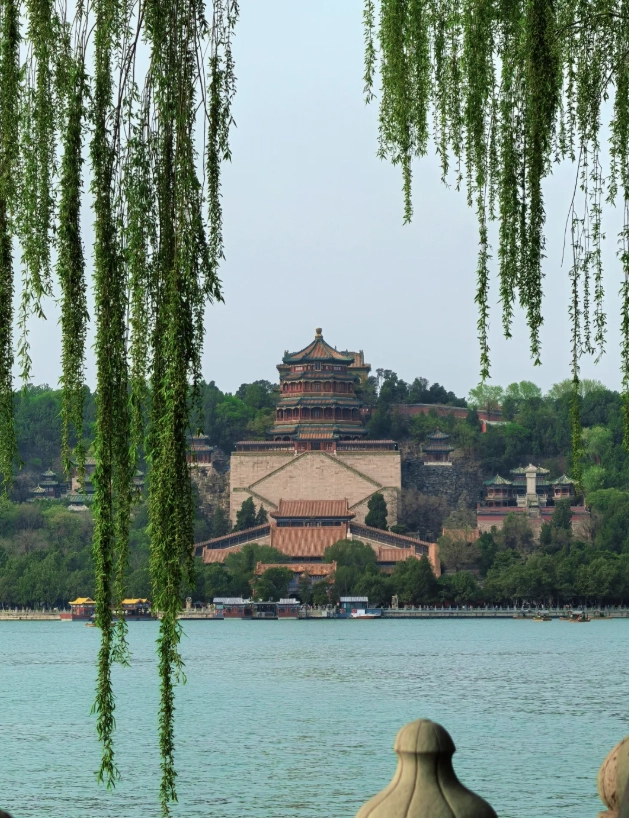
Practical Information for Your Visit
Let's get concrete. This info is based on my visit and double-checked with official sources.
Ticket Prices and Opening Hours
Prices vary by season. Here's a breakdown I wish I had before going:
| Ticket Type | High Season (Apr-Oct) | Low Season (Nov-Mar) | Notes |
|---|---|---|---|
| Entrance Only | ¥30 | ¥20 | Covers basic access to gardens and corridors |
| Combo Ticket | ¥60 | ¥50 | Includes all areas like Tower of Buddhist Incense |
| Boat Ride (One-way) | ¥30-¥50 | ¥20-¥40 | Depends on route; saves walking time |
Opening hours: 6:30 AM to 6:00 PM in high season, 7:00 AM to 5:00 PM in low season. Last entry is an hour before closing. I arrived at 7 AM once—the light was magical, and I had the place almost to myself for an hour.
How to Get There: Transportation Guide
Address: No. 19, Xinjian Gongmen Road, Haidian District, Beijing. It's not centrally located, so plan your route.
- By Subway: Take Line 4 to Beigongmen Station, Exit D. From there, it's a 5-minute walk to the North Palace Gate. I found this the easiest—avoid traffic and parking hassles.
- By Bus: Routes 303, 331, or 584 stop near the East Palace Gate. Good if you're coming from other attractions like the Old Summer Palace.
- By Taxi: Cost me about ¥50 from downtown, but traffic can double the time. Tell the driver "Yiheyuan" to avoid confusion.
Best Time to Visit
Spring (April-May) and autumn (September-October) are ideal—mild weather and fewer crowds. Summer is hot and humid; I went in August and drank three liters of water. Winter is quiet but some areas close early. Aim for weekdays, and start early. That 6:30 AM opening? Worth setting an alarm for.
My Personal Experience: A Day on the Ground
I want to share my route because it highlights both the highs and lows. I entered via the East Palace Gate around 8 AM on a Thursday.
First stop was the Hall of Benevolence and Longevity. It was empty, letting me admire the throne without elbows in my ribs. Then I walked the Long Corridor—the paintings are intricate, but by 9:30, tour groups flooded in, making it hard to pause.
I took a boat from the south shore to South Lake Island. The ride cost ¥40 and saved me a 30-minute walk. On the island, I found a secluded bench with a view of the bridge. That's where I ate my packed lunch; food inside is overpriced and mediocre.
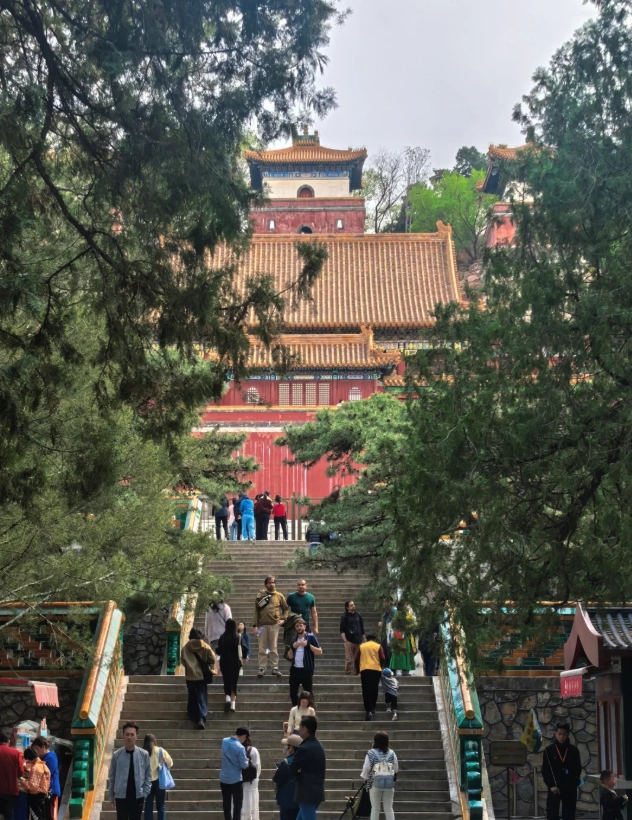
Climbing to the Tower of Buddhist Incense was tough—lots of stairs. My knees ached, but the panorama of Beijing's skyline mixed with ancient roofs was unforgettable. Downside? The gift shop at the top sells generic trinkets; skip it.
By 2 PM, I was exhausted. I exited via the North Gate and grabbed a cheap noodle soup at a local spot outside—tasted better than anything inside.
What I learned: Pace yourself. Don't try to see everything. Focus on a few spots, like the lakefront and one major structure.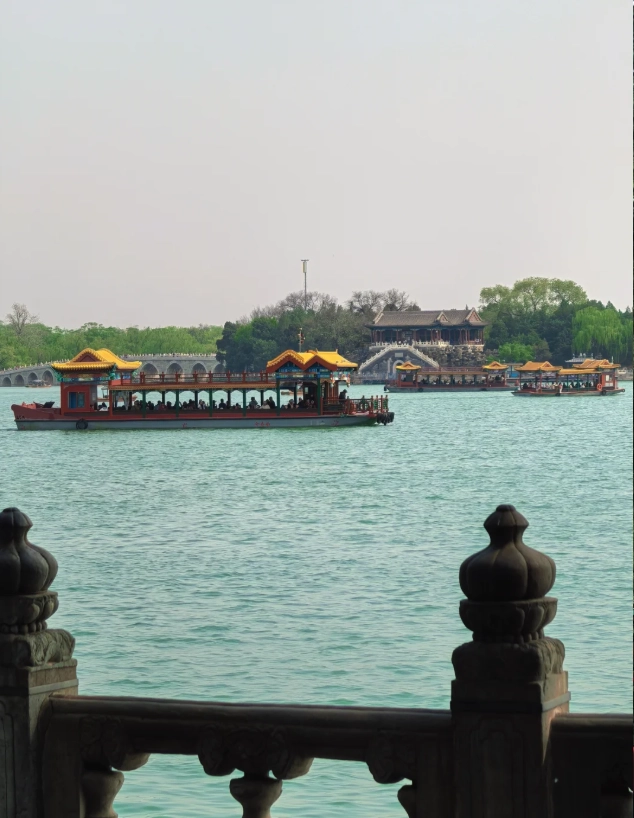
Frequently Asked Questions
 Final thought: The Summer Palace isn't perfect, but its blend of history and nature makes it a unique Beijing experience. Go with realistic plans, wear comfy shoes, and savor the quiet moments. It's worth it for those who appreciate slow travel.





No comments yet.