 Fang Wang
What You'll Find in This Guide
- Why Visit Sheshan National Forest Park?
- Planning Your Visit: Tickets, Hours & Getting There
- Exploring East Sheshan: Bamboo Forests and Pagodas
- Discovering West Sheshan: The Observatory and Cathedral
- Hiking Trails and Other Activities
- Crafting the Perfect Itinerary
- Answers to Common Visitor Questions
Let's be honest. When you think of Shanghai, towering skyscrapers and bustling streets come to mind, not serene forest trails. That's exactly why Sheshan National Forest Park feels like such a well-kept secret. Located in the Songjiang District, it's the only mountainous forested area within Shanghai's administrative boundaries. I've visited multiple times over different seasons, and each trip offers a distinct escape from the urban concrete. This isn't just a park with a few trees; it's a sprawling, hilly landscape divided into two main sections—East and West Sheshan—each with its own character, history, and attractions. Forget the generic lists online. This guide is built on my own missteps and discoveries, designed to help you navigate the park efficiently and discover its hidden corners.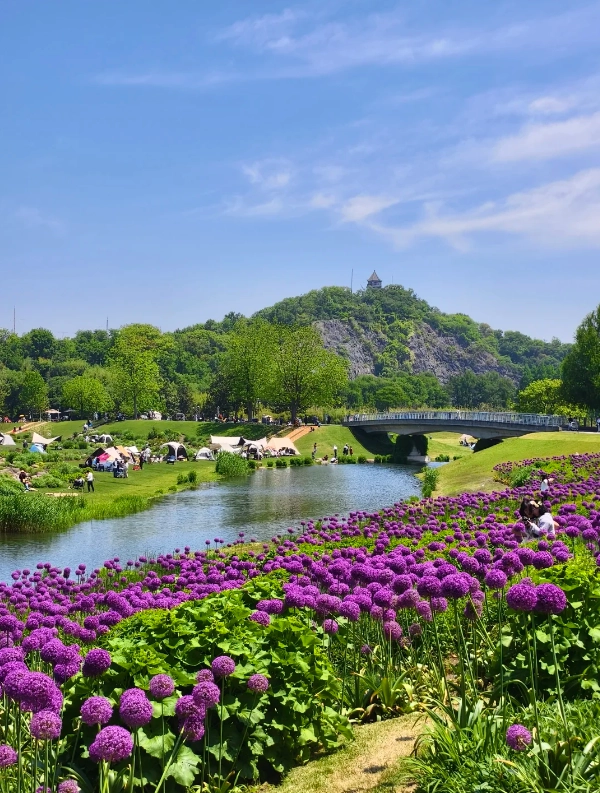
Why Visit Sheshan National Forest Park?
You go for the contrast. After days immersed in Shanghai's relentless energy, the quiet rustle of bamboo and the effort of a gentle hike are therapeutic. The air is noticeably cleaner. But Sheshan is more than just a green lung. It's a cultural and scientific landmark. West Sheshan is crowned by the iconic Shanghai Astronomical Museum (the old observatory), a striking white dome that's become a symbol of the area, and the serene Sheshan Basilica. East Sheshan feels wilder, focused on nature with its bamboo sea, quiet forests, and ancient sites. It's this combination—accessible hiking, unique architecture, and historical depth—that makes a Sheshan forest tour worthwhile. It's a single-day trip that packs in varied experiences.
A Personal Note: My first visit was a rushed afternoon. I only saw the observatory and left feeling I'd missed the point. The real magic happens when you slow down. Allocate at least 4-5 hours, wear proper shoes (those stone steps can be slippery, especially after rain), and don't try to conquer both hills in a frantic sprint. Choose one to explore deeply, or plan a full, leisurely day covering both.
Planning Your Visit: Tickets, Hours & Getting There
This is the practical stuff that most guides gloss over, but getting it wrong can ruin your day. Here’s the clear breakdown.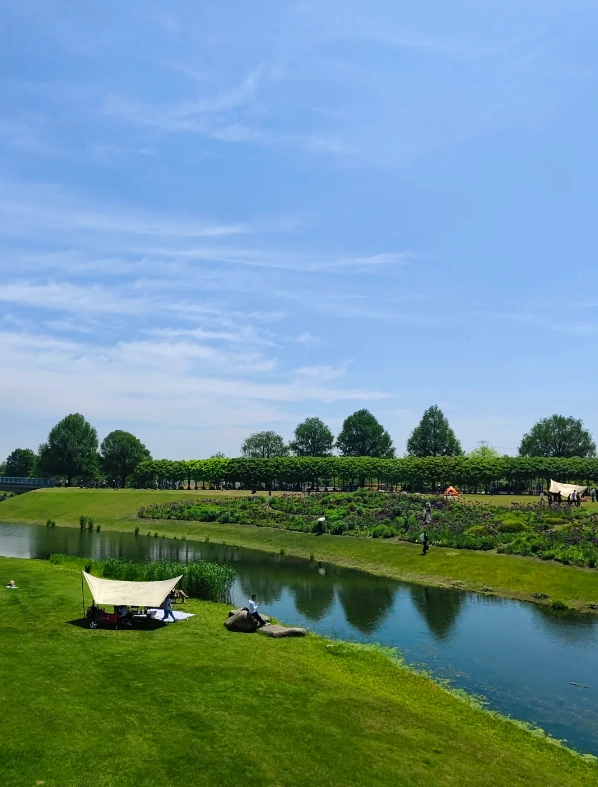
Ticket Information and Operating Hours
Confusion often arises because East and West Sheshan have separate entrances and tickets. There is no single "park ticket" that grants access to everything.
| Area | Main Attractions Covered | Ticket Price (Approx.) | Operating Hours |
|---|---|---|---|
| East Sheshan | Bamboo Garden, Sheshan Forest Park core area, Zhiyuan Pagoda, hiking trails. | RMB 45-65 (seasonal) | 8:00 AM - 5:00 PM (Last entry ~4:30 PM) |
| West Sheshan | Sheshan Observatory (Astronomical Museum), Sheshan Basilica, Hilltop scenery. | RMB 12 (Hill) + RMB 30-40 (Observatory combo) | 8:00 AM - 4:30 PM (Observatory may close earlier) |
Key Tip: The ticket for West Sheshan is primarily for ascending the hill. Entry to the cathedral is free, but the observatory requires an additional ticket, often sold as a combo. Always check the latest prices on official channels like the Shanghai Forestry and Parks Administration website or reliable travel platforms, as they can change.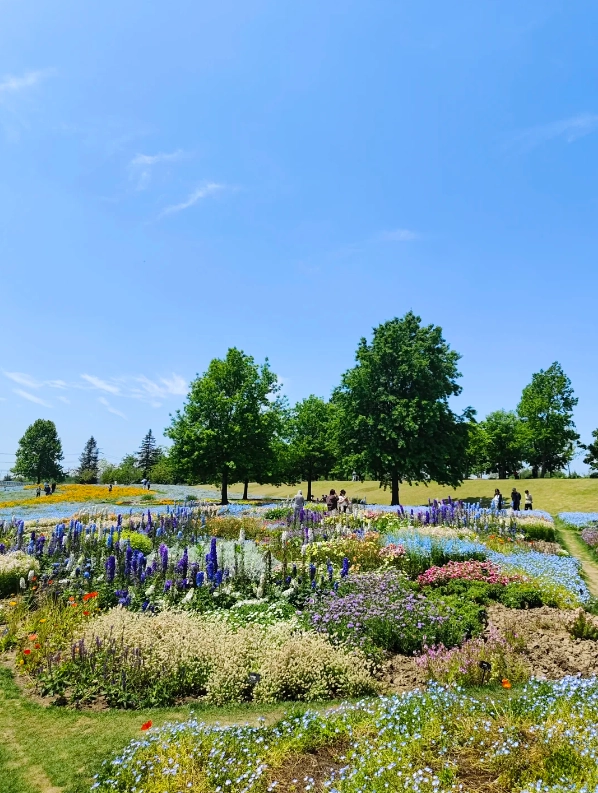
How to Get to Sheshan National Forest Park
There's no direct metro stop named "Sheshan National Forest Park." The closest stations are a bus ride away. Here are your best options:
By Metro and Bus (The Most Common Route):
Take Shanghai Metro Line 9 to Sheshan Station. This is your launchpad. From Exit 2, you'll find the bus hub. For East Sheshan, take Bus Songjiang 67 or 92 and get off at the "Sheshan Forest Park" stop. For West Sheshan (the observatory/cathedral side), take Bus Songjiang 95 to the "West Sheshan" terminal. The bus rides are short, about 10-15 minutes.
By Taxi or Ride-Hailing:
From Sheshan Station, a taxi to either entrance costs around RMB 15-25 and saves time. From central Shanghai (e.g., People's Square), a direct taxi can take 60-90 minutes and cost over RMB 150, depending on traffic. I only recommend this if you're in a group splitting the fare.
By Tour Bus:
Special tourist buses (Tourism Bus Line 1) sometimes run from Shanghai Stadium during weekends and holidays. Verify their operation before relying on this.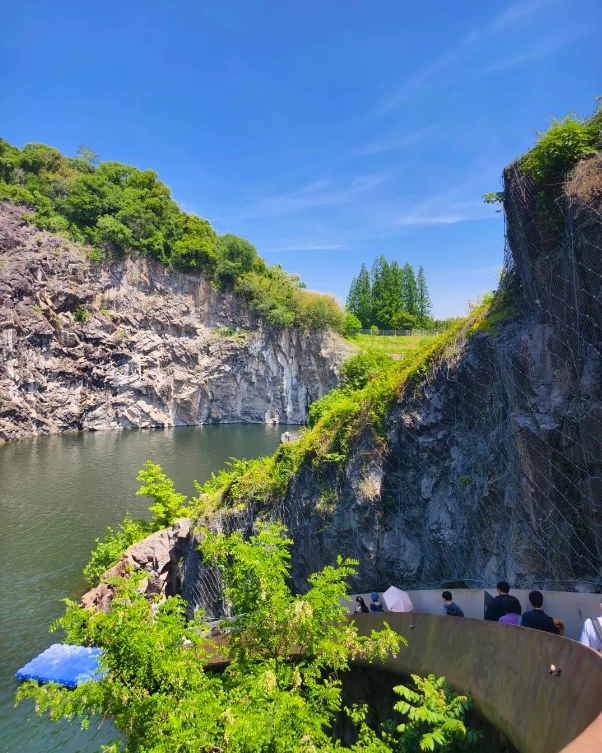
Exploring East Sheshan: Bamboo Forests and Pagodas
If your idea of a forest tour is peaceful walking paths away from crowds, start here. East Sheshan is less about monumental buildings and more about immersion. The main gate leads you into a world of greenery.
The Bamboo Garden is a highlight. It's not just a small patch; it's a vast area with winding paths through dense groves of various bamboo species. The light filters through in a beautiful way, and the sound is incredibly calming. It's easy to spend an hour just meandering here.
Further in, you'll find the Zhiyuan Pagoda (also known as Sheshan Pagoda). This octagonal, seven-story pagoda dates back to the Song Dynasty. You can't enter it, but it's a picturesque focal point nestled against the green hillside. The trails around it offer the park's best proper hiking feel. They are well-paved but involve a fair number of steps. The climb is moderate, and the viewpoints looking over the forest canopy are rewarding.
What most visitors miss: The quieter trails on the northern slopes of East Sheshan. Most people follow the main loop from the bamboo garden to the pagoda and back. If you have time, explore the paths leading away from the pagoda. They are less maintained but offer genuine solitude. I once had an entire trail to myself on a weekday afternoon, listening to nothing but birds and my own footsteps.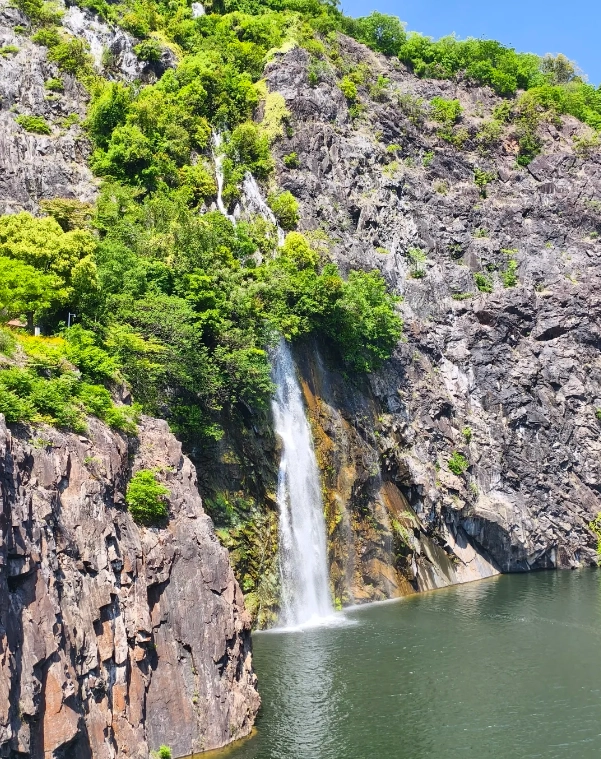
Discovering West Sheshan: The Observatory and Cathedral
West Sheshan is the postcard view. The hill is dominated by two structures that represent a fascinating blend of science and faith.
The Sheshan Observatory, officially the Shanghai Astronomical Museum, is the iconic white dome. Built in 1900, it was one of the first modern observatories in East Asia. The museum inside is a bit dated but fascinating for history and science buffs. It houses old telescopes and explains China's astronomical developments. The real draw is the building itself and the panoramic view from its base. The combo ticket usually includes entry to a small seismographic museum nearby.
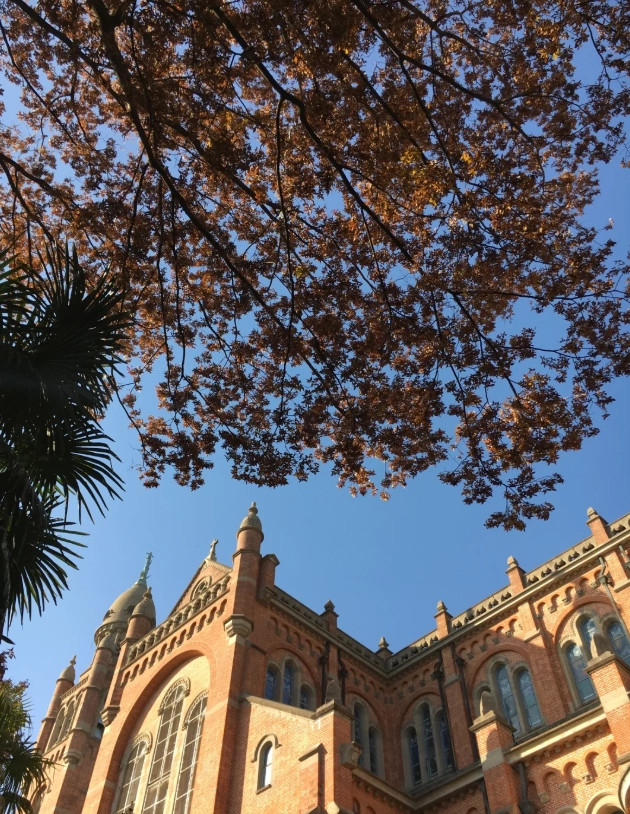
A short walk away is the Sheshan Basilica (The Cathedral of St. Ignatius). This Roman Catholic church, completed in 1935, is an architectural surprise in the Chinese countryside. With its red-brick facade and twin spires, it's an active place of worship and a pilgrimage site. The interior is solemn and beautiful. Respect quiet signs if services are underway. The path up to the cathedral is lined with stations of the cross, adding a reflective atmosphere to the ascent.
The climb: You can reach both sites via a paved road or steeper stone staircases. The stairs are the more direct and traditional route—about 300 steps. It's a workout, but shaded and scenic. There are rest landings with vendors selling water and snacks.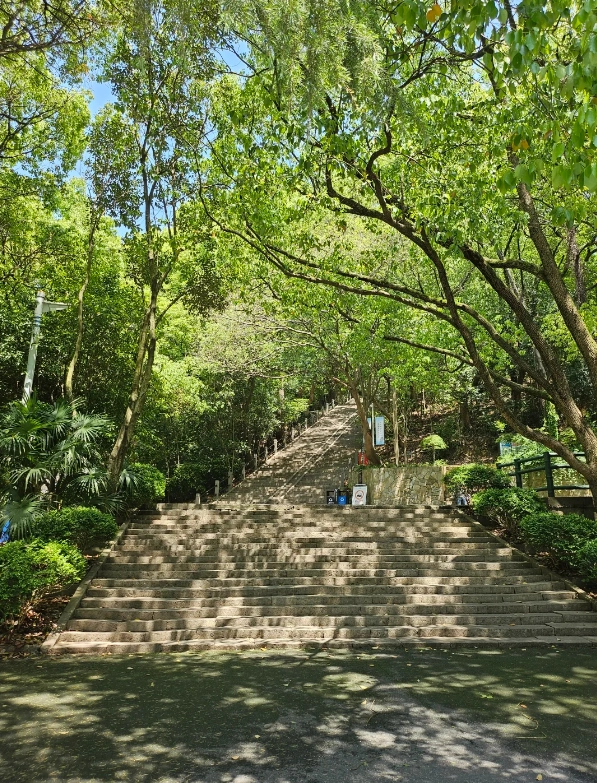
Hiking Trails and Other Activities
Calling them "hiking trails" might conjure images of rugged backcountry. In Sheshan, they are more like strenuous walking paths—perfect for a casual hike.
East Sheshan Trails: The network is more extensive. You can create loops of varying difficulty, from a flat amble around the bamboo garden to a 2-3 hour circuit that takes you up to several hilltop pavilions. The paths are clear, stone-stepped, and shaded.
West Sheshan Trails: The main trail is the ascent to the peak. However, behind the observatory, there are less-traveled paths that circle the hilltop, offering different angles of the cathedral and views towards Dongting Lake (a smaller lake in the area, not the famous one).
Beyond Hiking:
Birdwatching: The forest is a haven for local bird species. Bring binoculars in the early morning for the best chance.
Photography: The observatory against a blue sky, the cathedral spires through mist, the bamboo forests—it's a photographer's delight, especially in autumn when the foliage changes.
Picnicking: There are designated grassy areas and benches, particularly in East Sheshan. Packing a lunch is a great idea, as food options inside are limited to basic snacks sold at kiosks.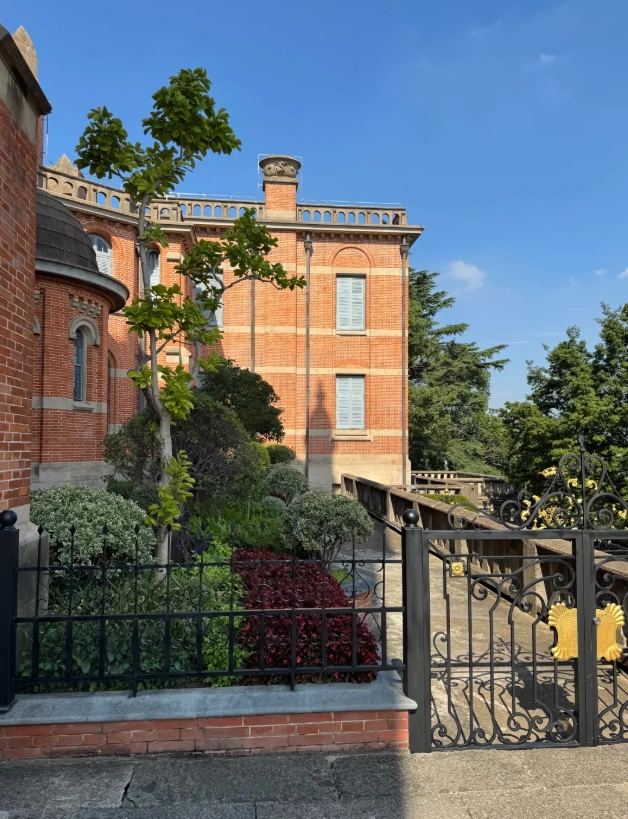
Crafting the Perfect Itinerary
Your ideal Sheshan tour depends on your interests, fitness, and time.
The Nature Lover's Half-Day (East Sheshan Focus):
Arrive at Sheshan Station by 9:00 AM. Take Bus 67 to East Sheshan. Enter the park and immerse yourself in the Bamboo Garden. Follow the signs towards the Zhiyuan Pagoda, taking your time on the trails. Climb to a hilltop pavilion for a view. Have a packed picnic lunch. Exit by 1:30 PM. This is a relaxed, nature-focused escape.
The Culture & Landmark Half-Day (West Sheshan Focus):
Arrive at Sheshan Station by 9:30 AM. Take Bus 95 to West Sheshan. Ascend the hill via the stone steps. Visit the Sheshan Basilica first, then walk to the Observatory. Explore the museum and enjoy the views. Descend, perhaps taking the paved road for a different perspective. You can be done by early afternoon.
The Full-Day Comprehensive Tour:
Start early. Do the Nature Lover's itinerary at East Sheshan in the morning. Exit the park around 12:30 PM. Grab a simple lunch at a local restaurant near the bus stop. Take Bus 67 back to Sheshan Station, then transfer to Bus 95 to West Sheshan. Spend the afternoon exploring the observatory and cathedral. This is a full, active day covering 15,000+ steps. It's rewarding but tiring—only attempt if you're fit and eager to see it all.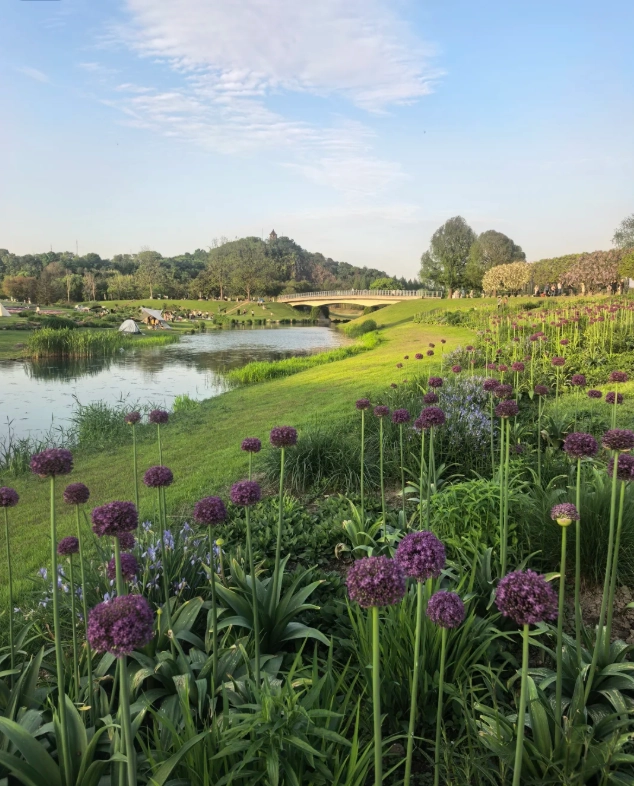
Answers to Common Visitor Questions
 A trip to Sheshan National Forest Park recalibrates your sense of Shanghai. It proves the city has layers beyond its global financial facade. With the right planning—choosing the right hill, wearing the right shoes, and allocating enough time—you'll find a refreshing and culturally rich escape that's surprisingly accessible. The key is to treat it as a destination in itself, not a quick checkbox item. Lace up, take a deep breath of that forest air, and enjoy the climb.
This guide is based on multiple personal visits and cross-referenced with current official park information.





No comments yet.